


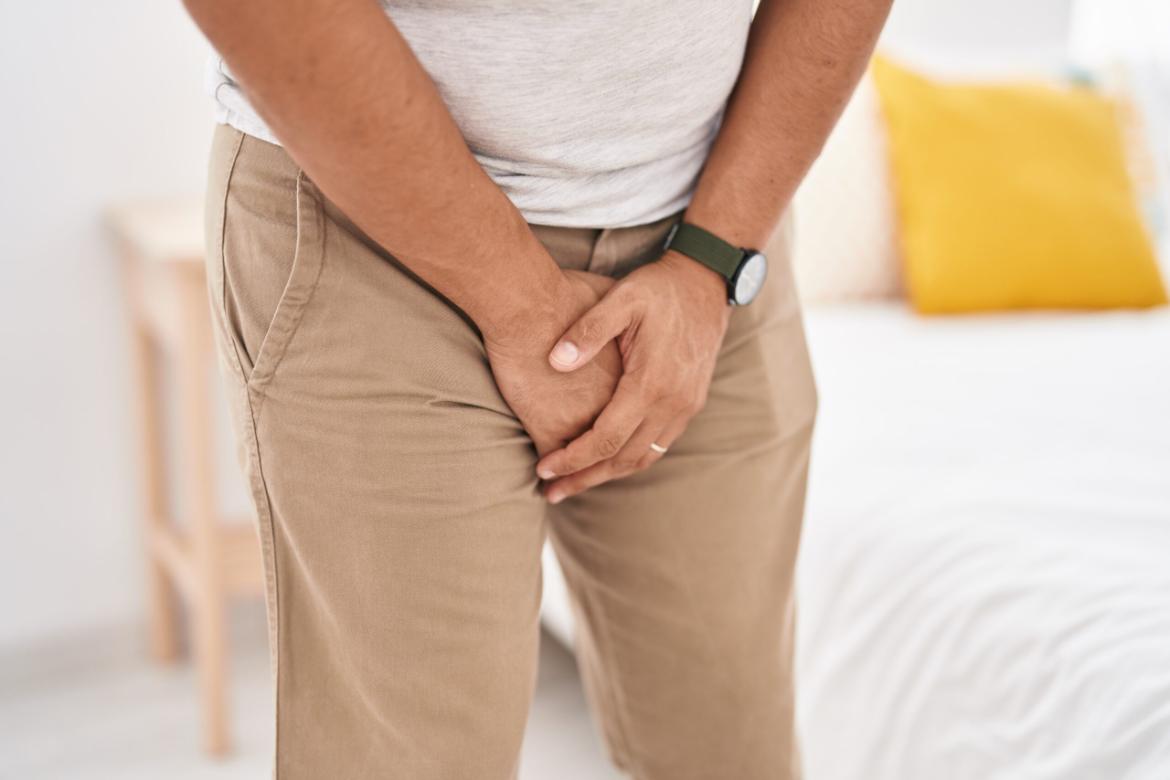
Prostate
The prostate is a gland found in men. Located at the exit of the bladder, the prostate gland surrounds the urethra and secretes fluid that protects and nourishes sperm. Its primary function is reproduction. The gland weighs 18-20 grams. In other words, it's roughly the size of a walnut when unenlarged. While some men generally grow toward the urethra, which passes through the prostate, others grow toward the bladder. The prostate gland gives the seminal fluid, which contains sperm, its white color. It's a very important organ because sperm production is essential for healthy sperm production. The prostate, which generally contains various nutrients, is responsible for the secretion of this fluid.
Prostate Diseases
Prostate disease generally affects men of all ages, particularly those around the age of 45, and its rate of growth increases with age. In other words, as we age, the gland we call the prostate enlarges, which can lead to increased problems and uncomfortable compression. Prostate disease is one of the chronic diseases of urology. The three most common types of prostate disease are:
- Benign Prostatic Hyperplasia (BPH)
- Prostate Inflammation (Prostatitis)
- Prostate Cancer
Symptoms of Prostate Diseases
- Frequent urge to urinate
- Difficulty maintaining urine flow
- Feeling a burning or stinging sensation while urinating
- Difficulty starting to urinate and decreased urinary force
- Painful ejaculation
- Intermittent urge to urinate and pain in the bladder
- Inability to control the bladder and dribbling after urinating
- The feeling of not being able to fully empty the urine
- Hardness and pain in the groin, hips, back, lower legs, rectal area or upper parts
DIAGNOSIS OF PROSTATE ENLARGEMENT PROBLEM
Prostatic hyperplasia, also known as benign prostatic hyperplasia (BPH), is a disease of aging. A physical examination or ultrasound by a medical or urologist will determine whether the prostate is enlarged. The key factor is whether the diagnosis is benign or malignant. The severity of symptoms associated with this condition depends on the enlargement of the prostate gland, the presence of a urinary tract obstruction, and the degree of compression of the urinary tract. It manifests itself through the enlargement of the gland(s) located inside the prostate, which narrows and compresses the urinary tract.
Diagnosis requires a general examination, followed by a prostate examination. A urinalysis, blood tests, urine flow measurement, and a post-urination check for residual urine are all necessary to establish the diagnosis.
WHY DOES PROSTATE ENLARGE?
Prostate disease, which occurs in men, generally begins to enlarge (one to two times larger) during puberty. Later, from age 25 onward, growth occurs in all men, varying in different ways. The exact cause of prostate enlargement is still unknown. Male hormones play a significant role in this growth. It begins to grow in the 30s, and by the age of 50-60, prostate growth increases by 60%. By the age of 80, this percentage reaches 90%. Prostate disease is significant because it not only causes physical discomfort but also reduces a person's quality of life and negatively impacts the patient's overall psychological well-being.
HOW SHOULD PROSTATE ENLARGEMENT BE TREATED?
Prostate enlargement is a treatable condition. The primary factors in treatment are the patient's physical and functional condition, the severity of the condition, and the severity of the patient's symptoms. Treatment is planned based on the degree of prostate enlargement detected and the patient's complaints. If the patient's symptoms are mild, medical treatment is recommended. However, if symptoms are severe and the prescribed medications are ineffective, surgery is typically performed with regular follow-up or observation. Early diagnosis allows for faster recovery and less stress. You too can benefit from early diagnosis, allowing for treatment before the condition progresses.
WHAT IS BENIGN PROSTATE ENLARGEMENT (BPH)?
Benign prostatic hyperplasia (BPH) is a non-cancerous enlargement of the prostate tissue that occurs in men over the age of 45-50. The symptoms of this condition can be mild or very bothersome, and can interfere with your daily life. BPH is not prostate cancer. If left untreated, BPH does not develop into prostate cancer. Generally, aging is associated with hormonal changes that increase significantly. Benign prostatic hyperplasia is a very common condition. An enlarged prostate gland can cause urinary tract or kidney problems. Benign prostatic hyperplasia is a very common condition in urology. It is known as a part of aging in society. In other words, while benign prostatic hyperplasia is seen in half of men in their 50s, it occurs in 90% of those aged 80 and over. Because it carries no risk of cancer and is unlikely to spread to other organs, it has a low risk of death. Since prostate enlargement and cancer are distinct, growth can occur without cancer. The surgical method chosen for the treatment of prostate enlargement is crucial throughout a person's life, as surgical treatment is considered the most effective method.
WHAT IS PROSTATE INFECTION AND WHAT CAUSES IT?
The causes of prostatitis have not been definitively and clearly determined. It is generally linked to the development and transmission of various types of prostatitis, also known as prostate flu. This transmission can lead to increased infection rates. The most prominent feature of prostatitis is pain during urination. As the infection rate increases, the bacterial growth rate of prostatitis increases. Chronic prostatitis can cause blood in the semen and urine. The individual may be tense and irritable, and experience pain in joints and muscles. Prostatitis occurs in sexually active men, whether bacterial or non-bacterial, in the prostate gland. Pain can also occur in the surrounding organs.
HOW DOES PROSTATE (PROSTATITIS) DEVELOP?
The prostate's development process is driven by chemical reactions, the transfer of bacteria from the external urinary tract through the urine, or the spread of bacteria to the prostate. A few of the most significant features that facilitate its development are:
- Polygamy, as well as unprotected sex
- Procedures performed on the urinary tract (catheterization, etc.)
- Urinary tract stenosis
- Prostate biopsy
- Stones causing blockage
WHAT YOU NEED TO KNOW ABOUT PROSTATE DISEASE
- Signs of early diagnosis of prostate enlargement begin with the need to go to the toilet.
- Constant need to go to the toilet at night.
- Since prostate enlargement causes urine growth, you will experience the need to go to the toilet frequently, both day and night.
- With aging, the hormone produced decreases, and in this case, the amount of urine produced at night increases.
- Prostate patients should stay away from beverages that increase urine volume (alcohol, etc.).
- Reducing fluid intake may help the patient feel more comfortable.
- Medicines used for prostate enlargement should not be taken together with other medications.
- Medicines and treatments used for benign prostatic enlargement should definitely be consulted with a doctor .
- The likelihood of a prostate patient having a natural child is reduced. Technical options like insemination and other techniques can alleviate the problem.
- It is recommended that prostate patients take precautions against constipation and pay attention to their diet.
- Inflammation accumulating in the prostate gland can lead to an abscess.
- It is a painful health problem that can be seen in men of all ages.
- Unless treated effectively and correctly, it is possible to encounter various complications.
- Complaints in the pelvic area may increase with inflammation of the muscles and nerves around the prostate gland.
- When any scar tissue appears in the area, the prostate gland becomes more susceptible to inflammation and thus you are more likely to experience various discomforts.
Stages of Prostate Disease
The purpose of this staging is to determine which organ(s) the disease is involved in and how far it has progressed, and to tailor the treatment to the individual. It allows us to determine whether the disease has spread to regional lymph nodes and other organs during the treatment process, as well as their characteristics. For individuals with urination problems, tests are performed to determine the stages based on the characteristics of the patient's urine and its cell structure, and a specific process is followed. The progression of prostate disease is slow in some of our patients. Therefore, some of our patients, designated as staged, do not require treatment. The only thing we need to understand is that prostate disease is not an incurable disease, nor is it a disease that will never disappear once it has established itself in the body.
WHAT ARE THE TYPES OF PROSTATE DISEASE?
Prostatitis
It's a type of infection caused by inflammation of the prostate gland. The infection causes the prostate gland to swell and enlarge, which can lead to painful symptoms. This inflammation is common in most men because the prostate gland, located below the bladder, produces the fluid that nourishes and transports sperm. Some infections can be treated with antibiotics.
Enlarged prostate
Prostate enlargement is a condition that occurs with age and is common in men over 50. Difficulty urinating and an increase in size are also observed with age. This increase in size eventually leads to functional disorders of the prostate. Treatment for BPH involves medications and surgery.
Prostate Cancer
Prostate cancer is the most common type of cancer in men. Because it's a gland found only in men and often asymptomatic in its early stages, it's recommended that all men age 45 and older have blood tests and examinations every eight months. Cancer treatment varies depending on the individual and the severity of the disease. The severity of the disease, its stage, the patient's age, and any previous history of the disease are considered to determine the treatment method.
Foods That Are Good for the Prostate
- Since health is paramount for all of us, we should first and foremost avoid protein-rich foods. So, if we want to produce protein from high-fat sources like milk, red meat, and eggs, low-fat or lean protein sources, as well as plant-based proteins, are of paramount importance for health.
- Another food source is tomatoes. Rich in lycopene, tomatoes undoubtedly play a significant role in supporting prostate health. They reduce the risk of cancer. Red foods like tomatoes, tomato paste, and natural ketchup are known to protect against prostate disease.
- Pumpkin seeds reduce and prevent the proliferation of hormones in the formation of the disease.
- Whole grains and fruits are very beneficial for disease prevention because they contain protein essential for cell health and also help lower blood sugar. The antioxidants found in fruits combat harmful substances in the body, reducing risk and protecting you.
MOST FREQUENTLY ASKED QUESTIONS?
Where can prostate (prostatitis) disease be felt?
The most prominent symptom of the condition is burning during urination. Therefore, the symptom is a feeling of heaviness in the genital area and the area above the bladder. Severe pain and straining also occur in the groin and anus. When the urge to urinate occurs, the patient strains to urinate, causing groin pain.
- Fruits and vegetables.
- Whole grain products.
- Products rich in zinc such as shellfish, legumes, nuts, milk, etc.
- Foods containing lean protein include nonfat yogurt, egg whites, low-fat or nonfat milk and dairy products, etc.
- Foods containing lycopene, such as tomatoes, watermelon, grapefruit, rosehip, etc., have protective properties.
What Doesn't the Prostate Like?
The most important thing to know about this disease is to avoid animal fats, fatty foods, and sugary foods. This is because an enlarged prostate also increases blood cholesterol levels. Milk and dairy products should always be low-fat or fat-free.
How to Treat Prostate Disease?
Medications are recommended for treatment, depending on the patient's condition. Painkillers are the primary medications, along with antibiotics that relax the bladder and prostate neck. Depending on the patient's condition, some men may experience improvement within a few months, while others may take longer. If the condition is advanced, surgical treatment is recommended.
How to Treat Prostate at Home?
As everyone knows, water is always a priority for health. It's important to drink 2 to 2.5 liters of water daily. The key is to avoid consuming too much liquid all at once. Apple cider vinegar is commonly used today for weight control. Its beneficial effect in treating the condition is that it helps shrink and tighten the prostate gland. It's prepared by adding 1 tablespoon of apple cider vinegar to a glass of warm water daily. Nettle is known as a natural diuretic. It inhibits prostate enlargement, leading to a reduction in prostate size.
