


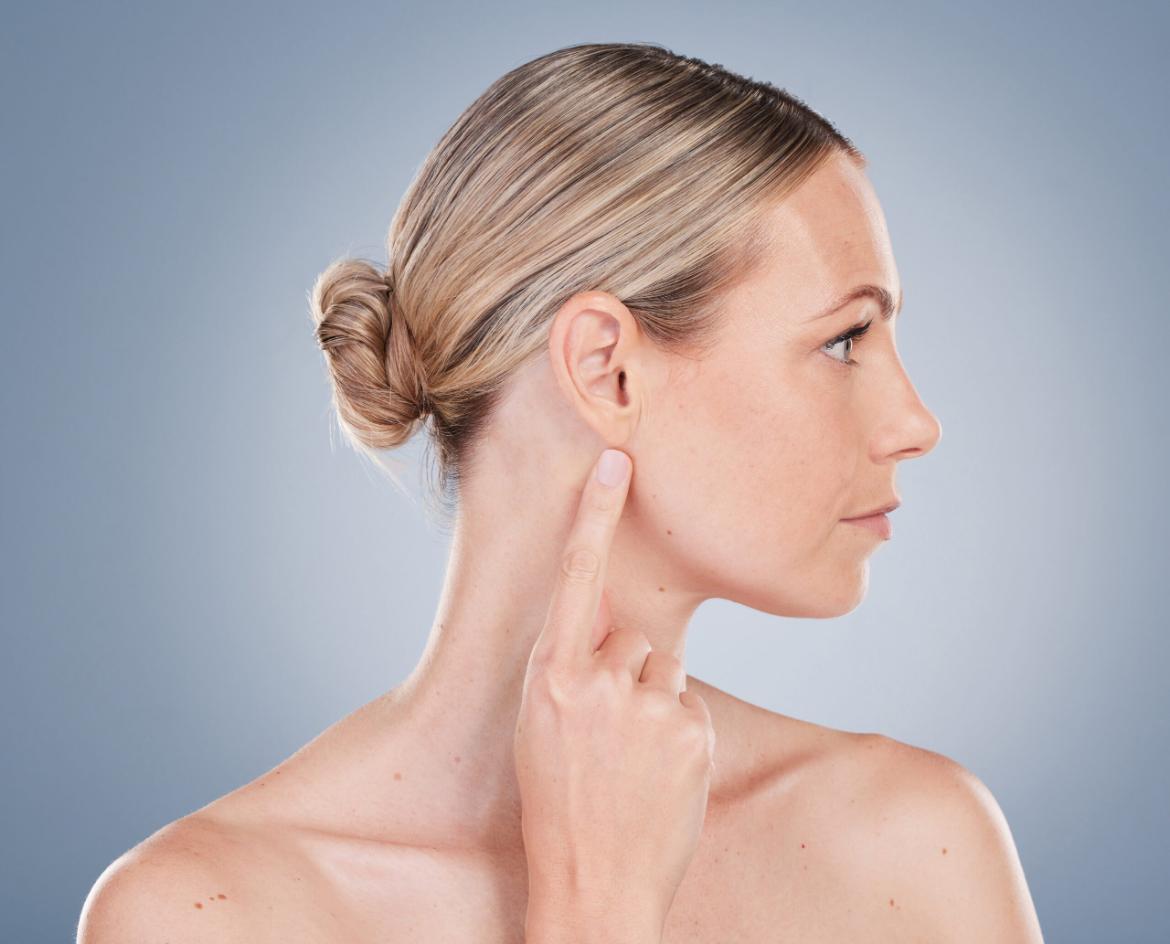
Prominent Ear Surgery
Protruding ears (protruding ears) are defined as "protruding ear deformities," where the ears protrude from the head more vertically than they should, and are particularly noticeable when viewed from the front or back. Patients diagnosed with protruding ears often seek surgery to improve their appearance.
Prominent ear deformities can also occur in one ear or both. Surgery is quite possible, either for both ears or just one.
Protruding ear deformities are present in approximately 5% of the population, in varying forms and at varying rates. While they don't specifically cause health problems, they can have psychological effects.
It is possible to correct prominent ear deformities through surgical intervention. This intervention is generally determined by the individual's own wishes.
Surgical interventions performed to correct prominent ear deformities are called "otoplasty".
The ear is a vital part of the facial structure. Therefore, individuals with protruding ears often experience discomfort with their facial structure. This deformity, resulting from the numerous visible features of the ear, is a well-known problem both in our country and worldwide. A protruding ear is a condition where the ear protrudes more prominently and vertically (extends) from the head than it should. This is particularly noticeable when viewed from the front or back.
This ear problem is usually present at birth. It doesn't affect the body's overall function. This condition, which can cause significant discomfort, is frequently addressed by cosmetic surgeons. This surgery reshapes the pinna and
corrects the deformity to achieve a natural appearance. This congenital appearance can become a psychological concern for the individual's peers from a young age. Later, in this individual, protective behaviors such as shyness and hiding will persist throughout life.
This health problem is a psychological issue that affects one or both ears, with varying degrees and types affecting 6% of our country and around the world. Because this ear problem can lead to a lack of self-confidence, it's beneficial to seek treatment.
The ear is a vital part of the face, protecting its integrity. Therefore, individuals with protruding ears often experience discomfort with their facial structure. This deformity, which stems from the numerous visible shapes of the ear, is a well-known problem both in our country and worldwide. A protruding ear is a condition where a person's head protrudes more prominently and vertically (extends) than it should. This is particularly noticeable when viewed from the front or back.
This ear problem is usually present at birth and has no significant impact on the body's overall function. This condition, which can cause significant discomfort, is frequently addressed by cosmetic surgeons. This surgery reshapes the ear and corrects the deformity to achieve a natural appearance.
What are the causes of prominent ears?
Prominent eardrums, which are completely congenital, are a familial, or genetic, condition. If both parents have this condition, the likelihood of developing them in a child is very high. Prominent ears are not a sign of a disease or a medical condition. Here are some genetically transmitted conditions that can cause prominent ears:
– Loose and soft ear cartilage
– A large angle between the bone behind the ear and the pinna
– Lack of folds at the top of the ear, leaving the pinna flat.
Sometimes, this condition doesn't occur in both ears of a newborn. Another
theory is that the pinna develops its prominent appearance shortly after birth due to the contraction of the muscles in front of the ear
.
What Causes Protruding Ears?
Two problems are encountered when diagnosing prominent ear deformities. The problems that cause prominent ears are the incomplete formation of the "antihelix" fold within the pinna, and the overdevelopment of the "conchal cartilage," which forms the cavum conchae section of the inner ear.
In some cases, these two problems occur, and in some cases, ear deformity occurs as the only problem.
Before performing prominent ear surgery, the source of the problem should be determined through a detailed examination and a treatment appropriate to the problem should be applied.
Prominent eardrums, which are completely congenital, are a familial, or genetic, condition. If both parents have this condition, the likelihood of developing them in a child is very high. Prominent ears are not a sign of a disease or a medical condition.
Here are some genetically transmitted conditions that can cause prominent ears:
– Loose and soft ear cartilage – A large
angle between the bone behind the ear and the pinna – Lack of folds at the top of the ear, leaving the pinna flat. Sometimes, this condition doesn't occur in both ears of a newborn. Another theory is that the pinna develops its prominent appearance shortly after birth due to the contraction of the muscles in front of the ear.
Who Can Undergo Protruding Ear Surgery ?
It takes until the age of 10 for the pinna to fully develop. Because this pinna problem bothers many people, it can be performed on anyone who is dissatisfied with the shape of their ears. Prominent ear surgery can be performed at any age and is safe. This condition can be treated both in childhood and adulthood.
When is Prominent Ear Surgery Performed?
Ear development in the human body generally reaches completion around age 4 or 5. In some cases, it is largely complete by age 10.
Protruding ear surgery is not limited to a specific timeframe. A patient may choose to undergo protruding ear surgery at any time in their life.
The desire for surgery to correct prominent ears typically occurs during childhood and adolescence. Environmental factors and psychological states may lead patients to require surgical intervention to correct prominent ear deformities.
Basically, it would not be correct to say that there is a time and age for prominent ear surgery.
A patient can undergo prominent ear surgery at any age. It takes until the age of 10 for the pinna to fully develop. Because this pinna problem bothers many people, it can be performed on anyone who is dissatisfied with the shape of their ears. Prominent ear surgery can be performed at any age and is safe. This condition can be treated
both in childhood and adulthood .
What Should the Post-Operative Process Be Like?
Depending on the patient's age, recovery after surgery can take up to a week, and there should be no significant pain or discomfort. If the pain is severe, medications prescribed by your doctor should be taken without interruption. The bandage worn after prominent ear surgery can last for 2-3 days. The patient may not need to wear a dressing for 1-2 days after surgery.
After surgery, redness and swelling occur in the ear. This swelling subsides after approximately a week. Redness shouldn't be alarmed; it's normal and
can occur in every patient. Patients should temporarily protect the ear area from trauma after surgery. The process of ear transformation varies from patient to patient. Wearing an ear patch for a period of time before bedtime accelerates the healing and transformation process.
If you follow your doctor's instructions exactly, your recovery will most likely be smooth and healthy. Earplugs are recommended for children, as they tend to play with their ears. Patients are usually called for a follow-up visit after one week or one month to assess their progress.
How to Treat Prominent Ears?
Protruding ears are a lifelong problem. This surgery has become easily resolved with simple methods. Protruding ear surgery should be performed at the right time and using the right techniques. The procedure is performed with local or local anesthesia, depending on the patient's age and the doctor's recommendation. The
procedure takes 40-90 minutes, depending on the degree of openness and firmness of the ear cartilage. Depending on the underlying cause, the treatment involves a cosmetic procedure, reshaping the ear cartilage to reflect the overall appearance and repositioning the ear.
The surgery involves scaling the cartilage to the patient's specific problem and weakening it slightly from the front and back. The surgery can be performed from childhood onwards. At Private Ankara Magnet Hospital, our Ear, Nose, and Throat and Plastic Surgery specialists perform the necessary examinations and procedures before selecting a suitable timeframe for you. For patients with psychological distress, provided they have no health issues that would prevent surgery, anyone can undergo this procedure.
After surgery, appropriate earplugs are placed on the ear and left to heal for 1-2 weeks. After recovery, there will be no hearing loss, and the patient can return to their normal daily activities. After 1-2 weeks, the patient will regain their natural appearance, and the prominent ear appearance will be eliminated.
Are There Non-Surgical Treatment Options for Prominent Ears?
Protruding ears can be detected through follow-up examinations from birth. For newborns, in particular, protruding ears can be resolved without surgery.
During the first six weeks of the newborn's life, the pinna can be shaped using bandages and various molds. Different bandages and molds can be beneficial for achieving a prominent ear appearance. Before intervention, other visual problems, such as prominent ears or a folded pinna, are first examined.
If any condition related to prominent ears is detected during birth, taping is used as a treatment method.
This method, which has a high success rate in the early stages, decreases significantly after six weeks. The first six weeks are considered appropriate for intervention. Protruding ears are a lifelong problem. This surgery has become easily resolved with simple methods. Protruding ear surgery should be performed at the right time and using the correct techniques. Treatment
is performed with local or local anesthesia, taking into account the patient's age and following the doctor's recommendations.
The procedure takes 40 to 90 minutes, depending on the degree of openness and firmness of the ear cartilage. Treatment typically involves a cosmetic procedure,
reshaping the ear cartilage to reflect the underlying cause and repositioning the ear. The procedure involves scaling the cartilage to the patient's specific needs and weakening the cartilage slightly from the front and back. The surgery can be performed from childhood onward.
At Private Ankara Magnet Hospital, our Ear, Nose, and Throat and Plastic Surgery specialists will perform the necessary examinations and procedures, and then select a timeframe that suits you. This procedure is suitable for all patients with psychological distress, provided they have no health issues that would prevent surgery.
After the surgery, appropriate earplugs are placed over the ears and the patient is left alone for 1-2 weeks. After recovery, there will be no hearing loss, and the patient can return to their normal daily activities. After 1-2 weeks, the patient
will regain their natural appearance, and the prominent ear will disappear.
How is Prominent Ear Surgery Performed?
Patients considering prominent ear surgery often want to gain an understanding of the procedure itself. They are often curious about how prominent ear surgery is performed and what the steps are.
How prominent ear surgery is performed is one of the topics that patients most research.
Protruding ear surgery can be performed in two different ways: single ear or double ear.
For unilateral or bilateral otoplasty surgeries, general anesthesia is always preferred for young children, while local anesthesia is used for older children and adults. In some cases, sedation is used.
There are many different techniques and approaches for prominent ear surgery. These can be listed as follows:
- Shaping the cartilages using stitches.
- Making weakening changes in the cartilages to make them easier to shape.
- It is performed by partially removing the cartilage.
At an early age, protruding ears may require reshaping the cartilage with sutures due to the softness of the cartilage. In older ages, other techniques are more commonly used.
If the prominent ear deformity occurs due to advanced development of the conchal cartilage, some cartilage removal is usually required.
What is the Post-Protruding Ear Surgery Like?
As is the case after any surgery, patients are concerned about whether there will be pain or discomfort.
There are no serious pain complaints after prominent ear surgery, and when necessary, simple painkillers are usually sufficient.
It's crucial to keep the ear area clean and well-maintained after surgery. The bandage applied to the surgically operated ears is changed and removed several times as needed during the first week. If stitches were used during the prominent ear surgery, they are removed during the first-week follow-up. Stitch removal is always addressed during the first week.
It is recommended that patients wear a bandage or headband to keep their ears in the proper position, especially during the first two weeks of recovery, and then for the first month. After prominent ear surgery, patients should maintain a comfortable sleeping position and undergo regular checkups.
Tissue healing after otoplasty surgery is generally complete within two months. Unlike other surgical techniques where the ear is shaped with sutures, the pinna must be protected from trauma such as traction for six months.
Depending on the patient's age, recovery after surgery can take up to a week, and there will be no significant pain or discomfort. Medications prescribed by your doctor should be taken without interruption, regardless of the severity of the pain. The bandage worn after prominent ear surgery can last for 2-3 days. The patient will not need a dressing for 1-2 days after the surgery.
Redness and swelling may occur in the ear after surgery.
Are There Any Risks in Protruding Ear Surgery?
Patients undergoing surgery are very curious about the risks involved.
Prominent ear surgery is generally considered a low-risk procedure. Short-term postoperative complications include hematoma formation and infection. These postoperative complications can be managed with appropriate treatment.
Long-term problems that may occur after prominent ear surgery include ear asymmetry or the recurrence of the prominent ear appearance over time. For long-term problems, surgical intervention is usually recommended under the supervision of a doctor.
The risks of prominent ear surgery are minimal, and patients can return to normal life in a short time.
Protruding Ear Surgery in Children
Children are the group most at risk of experiencing ear deformities. Because ears complete their development during childhood, prominent ear surgery can be performed at any age, starting at age 10. Because children's cartilage is softer than adults', shaping and reshaping the cartilage is easier. Prominent ears negatively impact all school-aged children. Protruding ear surgery in children
is performed under general anesthesia.
The child must stay in the hospital for one night and be monitored by a doctor with frequent dressing changes. Protruding Ear Surgery does not have any negative impact on hearing. In many surgeries, no stitches are visible, and the operation is unnoticeable to others.
Because patients, especially school-aged children, are psychologically affected, we can say, "THE EARLIER THE BETTER."
In adults, the situation is somewhat different.
This is because cartilage in adult patients is more rigid. During cosmetic surgery, a small incision is made in the ear to remove or weaken the cartilage. The cartilage is then reshaped using surgical sutures.
What Should the Protruding Ear Surgery Process Be Like?
Depending on the patient's age, recovery after surgery can take up to a week, and there will be no significant pain or discomfort. Medications prescribed by your doctor should be taken without interruption, depending on the severity of the pain. The bandage applied after protruding ear surgery can last for 2-3 days. The patient will not need to wear a dressing for 1-2 days after the surgery. Redness and swelling may occur in the ear after the surgery, but this usually
subsides after approximately a week.
Redness shouldn't be alarmed; it's normal and can occur in every patient. Patients should temporarily protect the ear area from trauma after surgery. The process of ear transformation varies from patient to patient. Wearing earplugs for a period of time before bed
will accelerate the healing and transformation process. If you follow your doctor's instructions exactly, your recovery will likely be smooth and healthy.
Things to Consider After Prominent Ear Surgery
- Care should be taken when putting on and taking off clothes.
- Patients should have their dressings changed at least 4 days after surgery
. - It is recommended to use a headband, especially at night, for 15 days after the surgery
. - You should lie on your back for the first week.
- The patient must protect his/her ear against possible impacts for 1 month.
- The patient should not neglect the dressing regularly to prevent infection of the ear
. - One should follow the programs recommended by the doctor and
use the prescribed medications regularly. - Hair drying and blow drying should be avoided for a while.
- After the surgery, the patient can take a shower after the first dressing is done.
- Hair and ear bands
should be used for a while to increase the speed of change. - Glasses are safe to use after one week.
As long as the patient doesn't experience any pain in their ear, they can still be used. - The cream prescribed by your doctor behind the ear will be good to use for approximately 1 month.
- If the cream prescribed by your doctor causes inflammation, itching, or redness after surgery,
you can consult your doctor and stop using the cream and
use another cream. - Keeping the ear area clean is very
important for the patient's health. - Keeping the ear moist is a fundamental
step in a good healing process. - The person undergoing the surgery must be very careful.
They should not lie on their ear for a while. They should not make sudden movements when turning their head from side to side
. - Care should be taken not to wear tight clothing that may come into contact with the ear
.
Frequently Asked Questions
- Will there be any scars after prominent ear surgery?
In protruding ear surgery, the incisions are made in invisible spots. Therefore, even if a scar remains after surgery, it doesn't affect the appearance because the incision is made within the natural creases of the eardrum.
- Can adults have protruding ear surgery?
Yes. Adults can undergo prominent ear surgery to correct ear deformities.
- When can I return to work/school after prominent ear surgery?
The recovery period after prominent ear surgery is quite smooth. Patients can generally resume their normal activities two days after the procedure. Because dissolvable stitches are placed on the outer ear, a comfortable return to normal life is possible without the need for stitch removal. It's important for patients to wear a headband during the day for 7-10 days and to bed for one month after the surgery.
- At what age is prominent ear aesthetics performed at the earliest?
Prominent ear surgery is generally recommended at an early age. It's best to perform this procedure after the ears have fully developed (usually around age 5), and if possible, before children start school. Prominent ear surgery can be performed on adults, but it's also easily performed at a young age.
- When does the ear return to its original state after surgery?
The process of restoring the ear to its original state varies from person to person.
The natural appearance and healing process of the ear depends on the patient, and
as long as proper care is taken, the recovery will accelerate along with the recovery period. The most
common concern is whether scarring will occur. If a person is experiencing psychological problems with their ear, they should definitely undergo surgery, as there will be no scarring
after the surgery . The benefits of prominent ear surgery include increased self-confidence and a positive impact on social interactions.
- Will the ear return to its original state after surgery?
When performed surgically, prominent ear surgery
cannot be reversed. This surgery is permanent.
There is no enlargement or asymmetrical deterioration of the ears. Surgery
will increase the longevity of the condition. Although very rare,
the need for re-opening is possible, but this is estimated to occur in a 3% rate.
- Are there any risks associated with prominent ear surgery?
Protruding ear surgery is generally a low-risk otoplasty procedure.
One potential risk is decreased hearing loss. However, this hearing loss can occur in 1% of cases after surgery. Another
possible complication is facial paralysis, which is almost none (0.5%). - How many days does the recovery period of prominent ear surgery take?
Although the post-operative recovery process depends on the individual,
it usually takes 1-2 weeks after the operation.
- When are the stitches removed after prominent ear surgery?
Stitch removal after otoplasty depends on the stitches placed after surgery. Typically, the time it takes to remove a regular stitch is 7 to 10 days. Sometimes, self-dissolving stitches are used during surgery, eliminating the need for stitch removal.
