


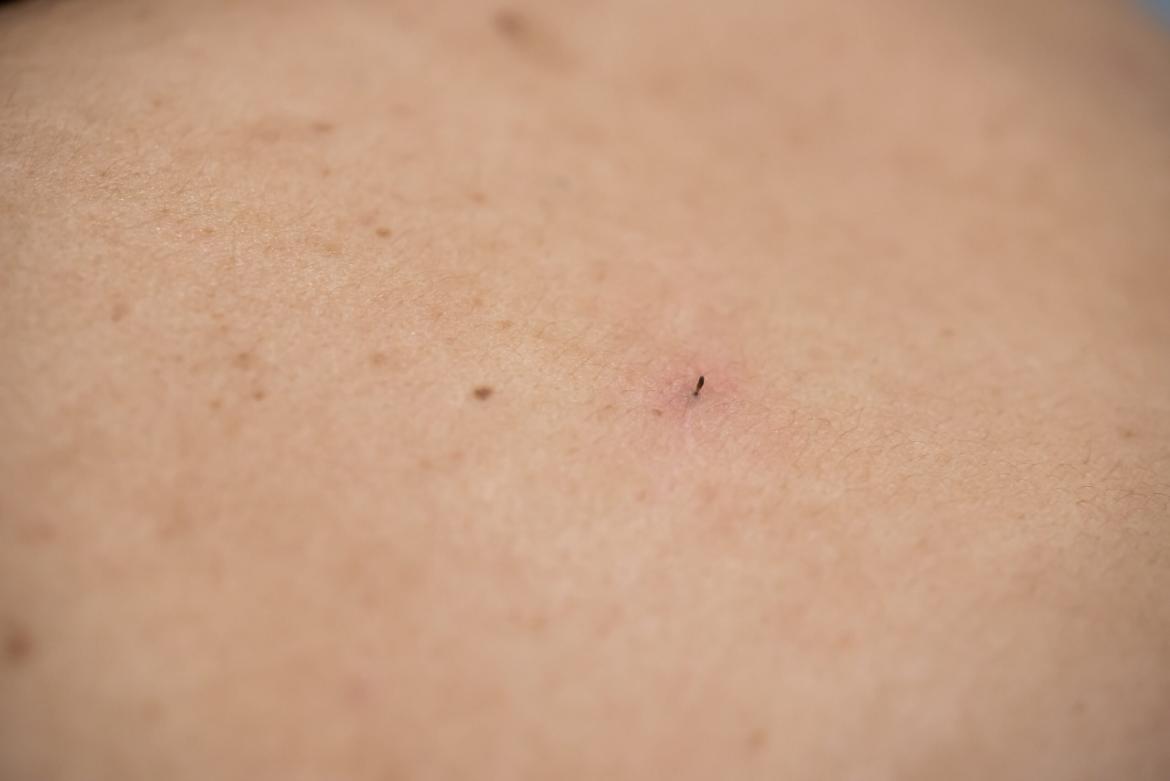
Ingrown Hair Surgery (Pilonidal Sinus)
Pilonidal sinus, commonly known as an ingrown hair , is an abscess or cavity containing hair, usually formed under the skin by hair and skin debris. Ingrown hairs are known to be preventable by maintaining hygiene and regularly removing body hair. If left untreated, they can lead to ingrown hair surgery. Ingrown hairs can occur anywhere on the body. Generally occurring in the coccyx, this condition is characterized by swelling, pain, or small cuts containing hair and pus, along with one or more holes. Once an ingrown hair develops, the only course of action is to visit a hospital and seek medical attention from a general surgeon. It is not a condition that will resolve on its own. If left untreated, an ingrown hair can sometimes become abscessed and cause severe pain, redness, and fever, leading to infection. Ingrown hairs are more common in men. Hairs shed from the back of the neck or back can accumulate in the coccyx region and penetrate the skin. These hairs can become lodged under the skin, causing skin irritation. An ingrown hair is described as a chronic infection or a condition where a hair burrows into the skin. Over time, the accumulated hair can become painful and form a cyst-like structure in the area, leading to the need for ingrown hair surgery.
Despite all this, ingrown hairs are easily treatable, as long as treatment isn't delayed. Pilonidal Sinus Surgery is performed at our Ankara Private Magnet Hospital . You can begin the treatment process by visiting our Ankara Private Magnet Hospital and meeting with our General Surgery doctors.
What Causes Ingrown Hairs and Who Is Affected by Them?
One of the causes of ingrown hairs is the accumulation of shed hairs and feathers, especially during sweating, through holes and pores in the skin, forming nests under our skin. Ingrown hairs generally occur in people between the ages of 15 and 40. Prolonged inactivity, being overweight, sweating, and strenuous exercise such as lifting heavy objects are among the contributing factors to ingrown hairs. Ingrown hairs are three times more likely to occur in men than in women. Other causes include having coarse or coarse hair, having excessively hairy skin, and working in professions such as barbering or dog grooming.
What are the symptoms of ingrown hairs?
Ingrown hairs are asymptomatic in the early stages and progress insidiously. Ingrown hairs usually present symptoms such as discharge or pain . There are usually some symptoms that hairs send to the body as they accumulate under the skin. People with ingrown hairs often experience tenderness and discharge in the area where the disease spreads after a while. The discharge causes a dampness in the underwear. The discharge is usually light red, causing severe itching and odor. All of these complications are caused by the hairs and hairs accumulating in the area becoming infected. In ingrown hairs, the discharge becomes infected when it combines with microbes, turning the discharge green. In some people, the discharge can vary and become bloody. The person may experience itching, swelling, redness, and pain in the anus while sitting.
The size of the swelling in the area of an ingrown hair varies depending on the density of the accumulated hair. This condition cannot be cured or corrected on its own or with herbal methods. A person experiencing an ingrown hair condition experiences a decrease in their quality of life, and they may be unable to perform their daily tasks and needs.
Ingrown Hair Treatment Methods
Surgery is the most commonly used treatment for ingrown hairs. The goal of treatment is to allow the patient to return to their daily routine as quickly as possible and to avoid postoperative pain. Before starting treatment for ingrown hairs , the infection in the area must first be drained and eliminated with various antibiotics prescribed by your doctor. Treatment for ingrown hairs can be applied 1-2 months after the abscess and infection have been drained. Abscess drainage can be performed in hospitals in as little as 5-10 minutes. The abscess is drained through a small incision, and the contents are cleaned with a special solution before being closed. The incision is unlikely to leave a scar on the skin.
Ingrown Hair Surgery
Ingrown hair surgery is performed by our experienced surgeons in a sterile environment at our private hospital in Ankara, prioritizing patient comfort. The surgical technique used for ingrown hair surgery varies depending on the patient's condition and the type of ingrown hair.
- Acute pilonidal cyst surgery is an emergency procedure because it is a painful condition that can lead to serious infection.
- Cystotomy is a procedure in which the top of the sinus cavity is opened and the wound is left to heal by secondary intention.
- The flap method is a closed type of surgery. If the cyst is removed and the resulting space is too wide to be brought end-to-end, a lateral tissue shift is performed. The flap method is superior to other methods. The only disadvantage is the slightly larger surgical incision.
- Microsinusectomy is generally preferred for very small ingrown hairs. The goal here is to remove the sinus with its capsule and perform primary repair.
During ingrown hair surgery, to avoid unsightly appearance, a small incision is made in the area where the ingrown hair occurs, and the procedure is performed there. After the hairy and inflamed tissue is removed, the incision is cleaned, any necessary stitches are placed, and the incision is closed. Regardless of the method chosen for ingrown hair surgery, it is crucial that the surgery be performed with care and attention. The surgery can be performed under local anesthesia or with the patient's lower body anesthesia.
What Should You Pay Attention to After Pilonidal Sinus Surgery?
- One of the important points is to pay attention to hygiene in order to prevent infection after pilonidal cyst surgery.
- During the first week, the patient should be careful not to put any prolonged weight on the wound.
- Behaviors that will excessively stretch the wound should be avoided for a while.
- There is no harm in the person walking and doing light exercises.
- You can use antibiotics and painkillers recommended by your doctor for the first 5 days after pilonidal cyst surgery.
Most frequently asked questions?
What are the Prices for Hair Removal Surgery in 2025?
Treatment for ingrown hairs varies depending on the severity of the condition, the method used, and the materials used. For detailed information about ingrown hair surgery costs and to schedule an appointment, please contact us today.
Will ingrown hairs reoccur?
Yes, it's a condition that carries a risk of recurrence. By maintaining good personal hygiene and the cleanliness of the surgical area, the risk of ingrown hairs recurring is reduced. To prevent recurrence, patients should shower frequently and thoroughly clean areas where hair can accumulate, such as the buttocks. Furthermore, patients should communicate with their doctor after surgery and return for regular checkups.
Is ingrown hair dangerous?
A silent ingrown hair can progress rapidly and cause significant problems. If treatment is delayed, the disease can spread, causing abscesses and pain, negatively impacting a person's quality of life.
- One should change underwear daily.
- Activities that will put pressure on the area where the ingrown hair is located, such as sitting for long periods of time, should be avoided.
- If possible, the person should remove hair with laser epilation after the surgery.
You can contact us to make an appointment at our Private Magnet Hospital General Surgery Clinic.
