


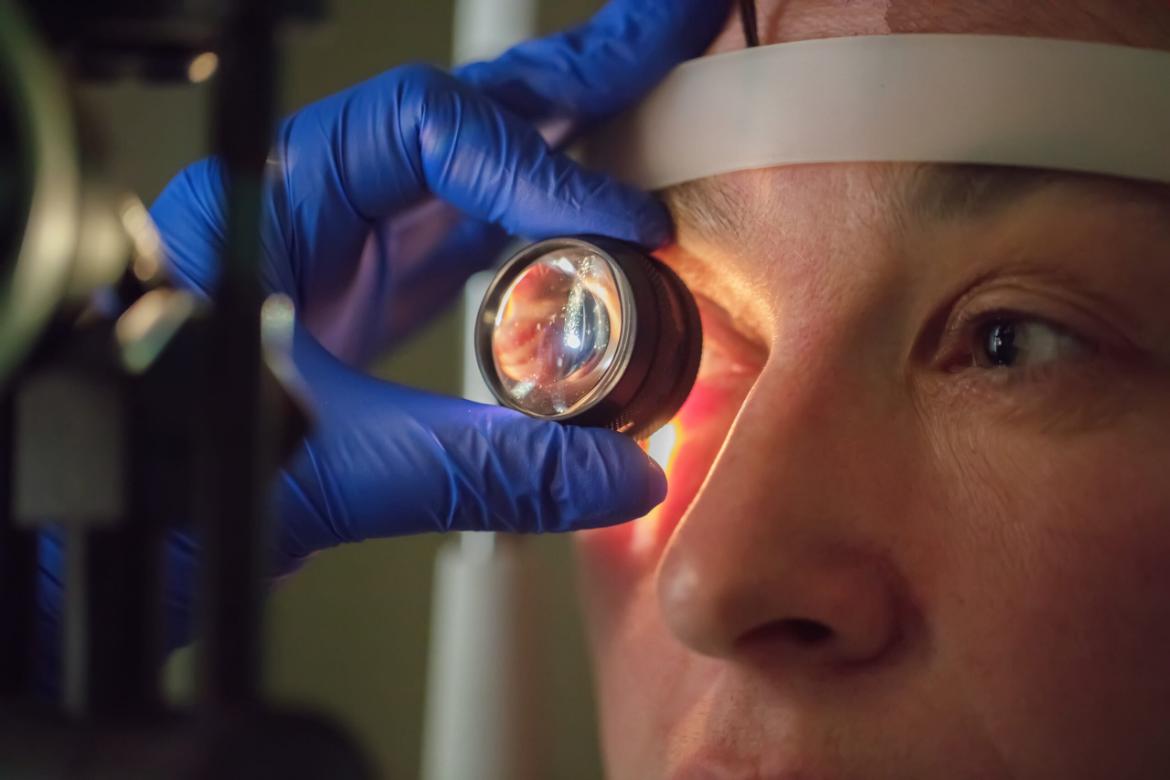
Cataract Surgery
Just behind the colored part of our eye is a lens called the lens, which is normally invisible because it is transparent. Because this lens is transparent, we see the pupil as black. A cataract, also known colloquially as "curtain" or "white," is the clouding of this lens, losing its transparency and becoming opaque. In other words, it is a distortion of vision, as if looking through fogged glass. The clouding can occur throughout the lens or in specific areas. In advanced cataracts, the pupil, which we see as black, can appear white when viewed from the outside. In this case, vision is almost completely reduced. In such cases, it is necessary to be informed about cataract surgery .
Is Cataract a Disease?
In fact, this condition is not a disease but rather a physiological condition brought on by aging. It's the aging of our eyes. If no intervention is made, eye diseases can develop, which occur in almost everyone with age.
What-are-the-symptoms-of-cataracts" class="ez-toc-section"> What are the symptoms of cataracts ?
The symptoms of cataracts, an eye disease, can be complicated. Pain and watering are not common. Symptoms progress quite slowly.
Decreased vision is the most common symptom. Symptoms include diffused light, especially in the evenings, severe sun discomfort, double vision, dulling of colors (especially blue), difficulty seeing in the evenings, difficulty reading, halos around bright lights like vehicle headlights, glare, and a difference in vision between the two eyes, and these symptoms are increasingly common.
Sometimes older people develop a type of cataract called nuclear sclerosis. These individuals gain temporary reading relief without glasses, also known as "second sight." After a while, vision deteriorates again due to cataract progression.
Among eye diseases and treatments , cataracts are a condition that should not be delayed, and it can be quite difficult to persuade older people to undergo surgery. However, after this stage, the cataract will become more severe, increasing the risk of surgery.
How Are Cataracts Diagnosed?
For eye diseases and treatments, you must first be examined by a specialist ophthalmologist.
The most important method used during the examination is biomicroscopic examination. This examination provides information about the size and hardness of the cataract, as well as the retina of the eye.
Based on the information the patient provides, we can estimate how much vision they will be able to see after surgery. Further tests, such as an angiogram and endothelial cell count, can be performed if necessary. Significant progress has been made in cataract surgery in our country.
How Are Cataracts Treated?
Cataracts are not a condition that can be treated with medication or glasses. There is no effective treatment for cataracts, and the only treatment for an established cataract is surgery.
With the development of modern techniques, cataract operations are performed without needles, anesthesia, or pain, and patients can return home the same day.
There are several important factors to consider during cataract surgery. The surgeon's experience and the quality of the lens implanted directly affect the success of the surgery. Surgery performed using inappropriate conditions and materials can lead to eye infections and other complications. This can also lead to the risk of developing a second cataract in a short time. This, in turn, poses additional surgical risks and financial and emotional burdens for the patient.
Who Should Have Cataract Surgery and When?
While some eye diseases can significantly reduce vision, others don't significantly impact vision. Not everyone with cataracts will necessarily undergo surgery. When vision impairment affects a person's quality of life, surgery is the right decision.
A taxi driver who drives at night and an elderly person who rarely leaves their home are not equally likely to be willing to undergo surgery. In other words, visual acuity is not a single criterion. Many patients may have poor vision but not complain, or may have good vision but experience discomfort in sunny weather or be bothered by headlights and streetlights at night. Failure to notice bumps or potholes or to identify the steps when descending stairs can lead to accidents.
Ophthalmologists should warn their patients about all these aspects and make the decision to have surgery after discussing it with the patient.
Although cataract surgery is not an emergency surgery, sometimes it can be dangerous to wait for eye diseases and treatments.
The benefits of surgery should not be underestimated in patients at risk of complete vision loss. If the cataract fully matures and becomes opaque like ground glass, surgery should be performed urgently.
It's possible for a mature cataract to swell and even disintegrate within the eye. In such cases, eye pressure can rise, leading to other problems. Cataracts that have been inactive for too long may have hardened nuclei and loosened ligaments. This can make surgery more difficult and affect its success.
Treatment for congenital cataracts is urgent. Surgery should be performed as soon as possible after detection. Any delay can lead to irreversible amblyopia.
Most frequently asked questions
Is Cataract Surgery a Simple Procedure?
Cataract treatment is a major procedure requiring microsurgery. It's certainly not a simple procedure. It's not a tiring procedure for the patient. It's painless.
Are There Different Types of These Lenses? Are There Any Good or Bad Ones?
Because it typically takes no more than 20 minutes, it can be considered an easy procedure for the patient. However, this doesn't mean it's simple. During the procedure, the surgeon uses both hands, both feet, and both eyes under a microscope with high magnification. It's worth noting that this is no easy task. The surgeon's experience is crucial.
Is Lens Implantation Necessary During Cataract Surgery?
Some of our patients frequently ask this question. They say, "Let's not wear lenses." During cataract surgery, after the patient's cataract-affected lens is removed, an artificial lens must be placed to replace it. Otherwise, patients will have to wear thick glasses.
There are many different types of lenses available in the world. At our hospital, we use FDA-approved American-made lenses and those that have received a TUBITAK Science Award and are used in many developed countries. These lenses can be single-focus lenses designed for distance vision, or multifocal lenses, which have multiple focusing capabilities.
Can Our Far and Near Vision Be Corrected with Lenses After Surgery?
While single-vision lenses require glasses, especially for near vision after eye diseases and treatments , multifocal lenses feature various rings. Some of these rings enable distance vision, others enable near vision.
This allows both distant and near images to fall clearly on the macula in the eye. Patients quickly adapt to this and can eliminate their glasses for distance and near vision.
Patients with astigmatism can also have their distance and near vision corrected with special lenses. This not only eliminates cataracts but also alleviates myopia, hyperopia, or astigmatism, thus reducing their dependence on glasses.
However, patient selection for this treatment is crucial. It's crucial to consider whether the patient is able to see at a distance or up close. Another important factor in patient selection is the patient's pupil size. A thorough examination is essential beforehand. Not every patient's eyes are suitable for this type of surgery.
The professional status, age, social activities, reading habits, and intellectual level of patients with cataracts are also important factors in patient selection. These surgeries, which require appropriate patient selection, appropriate technique, the experience of the institution and surgeon performing the surgery, and, of course, the correct lens selection, have a high success rate.
What Should Be Done After Surgery?
Postoperative checkups are performed on the first day, first week, and first month. Within 15 days of surgery, there is a significant improvement in vision. After the 15th day, the patient is considered fully recovered. While the patient's life is not significantly restricted during this period, there are some important points to consider.
Care should be taken when bathing, eyes should not be rubbed, and soap should not come into direct contact with shampoo.
It's also important to avoid bending over. After surgery, the eye is usually covered with a bandage. This bandage should be worn for the period recommended by your doctor.
should remain in the eye throughout.
Do not drive yourself after surgery. Consult your doctor before washing your face, bathing, carrying objects, praying, exercising, returning to work, or swimming in the sea or pool.
After surgery, it's best to avoid activities like reading or excessive television viewing for a while. Protective eyewear may be necessary when going outside, especially in windy weather. Your doctor will usually prescribe appropriate glasses for both distance and near vision at your one-month checkup.
