Pink Eye
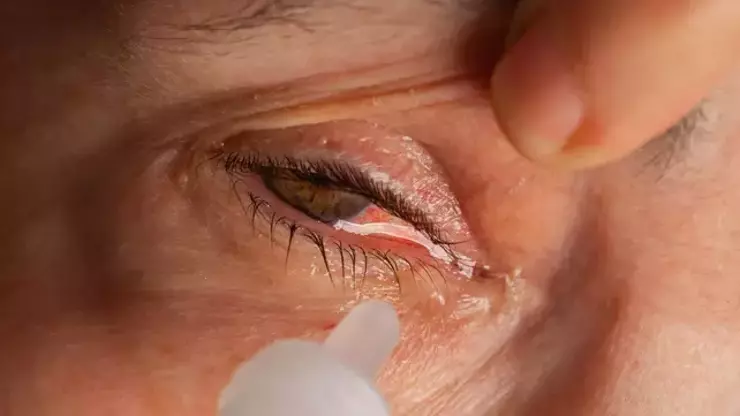
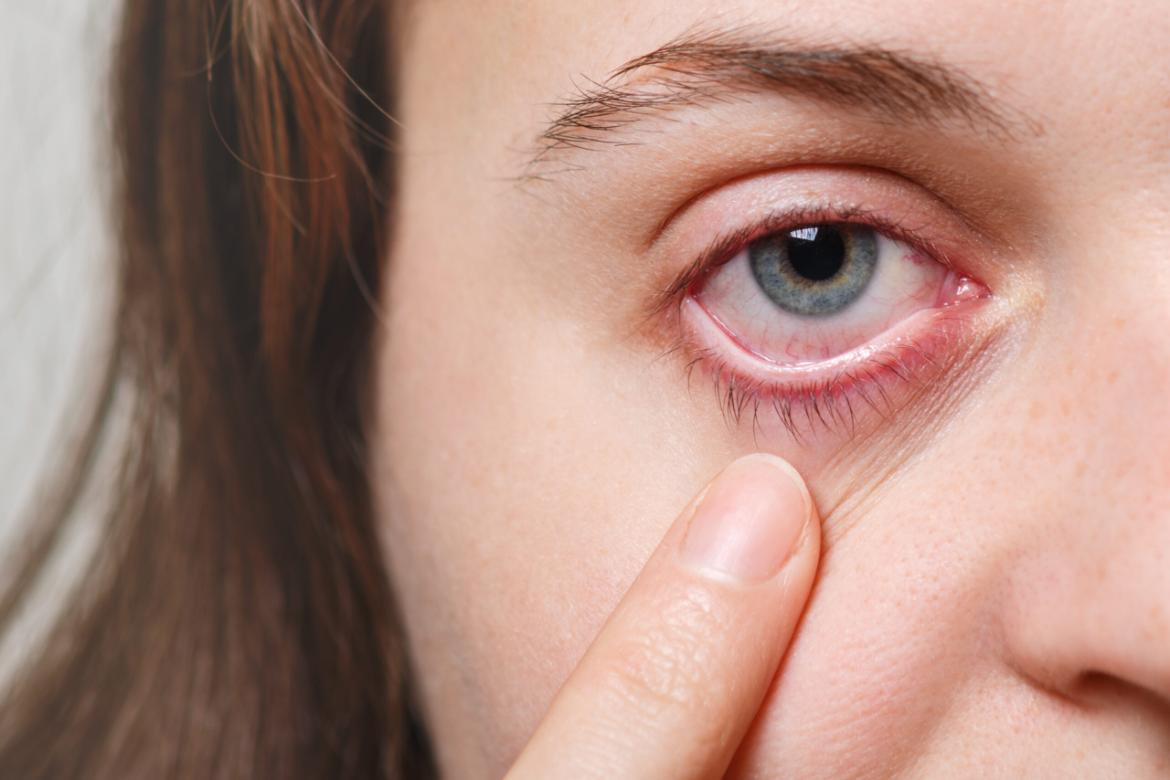
Pink eye, also known medically as conjunctivitis, is an inflammation of the conjunctiva, the membrane lining the eye. The conjunctiva is a clear tissue covering the white part of the eye and lines the inner surface of the eyelid. Pink eye occurs when this tissue becomes inflamed, causing swelling and irritation of small blood vessels, causing the whites of the eyes to appear red or pink. This condition is often contagious and is also known as pink eye.
The most common symptoms include eye discoloration, redness, itching, crusting of the eyelids, and fluid discharge from the eyes. While pink eye usually doesn't affect vision, it can be distressing. Treatment options can help alleviate symptoms. Because it's contagious, early diagnosis and appropriate precautions can reduce the risk of transmission.
Symptoms of pink eye
Pink eye can present with a variety of symptoms. Redness of the whites of the eyes and increased discharge are particularly important signs of pink eye. While pink eye symptoms generally focus on redness, they can vary depending on the underlying cause. For example, allergic pink eye typically presents with redness and watery discharge, but infection can also cause pain and pus-filled discharge. Swollen eyelids can also be a symptom. Wearing contact lenses can exacerbate pink eye and exacerbate symptoms.
Symptoms of pink eye may include:
- Redness in the white of the eye
- Redness on the inside of the eyelid
- A stinging sensation in the eyes
- Increased discharge after sleep
- Clear, yellow, or greenish discharge from the eye
- Itchy eyes
- Burning eyes
- Blurred vision
- Swelling of the eyelids
- Sensitivity to light
- Tears
- Coronavirus
- Pollens that appear in spring
What causes pink eye?
The causes of pinkeye can be divided into several types, the most fundamental of which is inflammation of the conjunctiva, which covers the eye. Various conditions can cause this inflammation. For example, poor hygiene can be a major factor in non-allergic pinkeye. Contact with the eye after exposure to bacteria and viruses, or contact lenses worn and removed under unhygienic conditions, are common causes of infection. Exposure to allergens is a major cause of allergic pinkeye. When exposed to allergens, the body reacts to these substances, triggering an infection. Pinkeye doesn't just require an infection to develop. For example, a foreign object entering the eye can damage the eye's surface, triggering the eye's self-protective response and causing pinkeye.
Causes of pink eye may include:
- Allergens: Substances such as pollen, dust, mold, and animal hair can cause allergic reactions and irritation on the surface of the eyes.
- Viruses: Colds, flu, and other viral infections can cause pink eye.
- Bacteria: Bacteria that cause eye infections can also cause pink eye.
- Irritating substances: Conditions such as contact with the eyes by chemicals, use of contact lenses, or foreign objects entering the eyes can irritate the surface of the eye and cause inflammation.
- Blocked tear ducts: Especially in infancy, blockage in the tear ducts can cause pink eye.
Pink eye: Is it contagious and what are the ways of transmission?
Pink eye, medically known as conjunctivitis, is a condition characterized by inflammation of the eyes. This condition occurs as a result of inflammation of the conjunctiva, the clear, white layer of the eye. Pink eye can be contagious and is spread through:
- Contact: It can be transmitted through touching or contact with the eyes of an infected person. For example, touching the eyes of an infected person and then touching your own eyes can increase the risk of transmission.
- Shared use: It can be transmitted by sharing items such as towels, tissues, glasses, contact lenses or makeup used by an infected person with other people.
- Airborne: It can be transmitted through inhalation of droplets spread into the air by an infected person's cough or sneeze, or by contact with the eyes.
- Polluted water and swimming pools: Contact with dirty or contaminated water can cause pink eye. Therefore, you can become infected in places like swimming pools, polluted water sources, or seawater.
- Infectious agents: Infectious agents such as bacteria, viruses, fungi, or allergens can cause pink eye.
When pinkeye is contagious, it can be spread by an infected person and affect others.
How to get rid of pink eye?
To relieve pink eye symptoms and promote healing, you can take the following measures:
- See a doctor for a checkup and diagnosis: If you experience pink eye symptoms, see a healthcare professional. Your doctor will perform an exam to make a proper diagnosis and recommend appropriate treatment.
- Pay attention to hand hygiene: Keep your hands clean by washing them frequently before touching your eyes.
- Do not share personal items: Do not share towels, cloths, pillows or makeup that others have used.
- Change your pillowcase frequently: Change your pillowcase every day until pink eye is gone.
- Avoid eye makeup: Avoid wearing eye makeup and do not share your makeup with others.
- Avoid wearing contact lenses: If you wear contact lenses, avoid wearing them until your pink eye has passed.
- Clean the infected eye: Use disposable tissue to clean the infected eye.
- Stay away from pets: If you have any, stay away from pets for a while.
- Follow your doctor's advice: Use the medications and dosages recommended by your doctor regularly.
- Give your eyes a rest: Avoid prolonged exposure to electronic devices such as computers and mobile phones that strain the eyes.
- Pay attention to weather conditions: Avoid dusty, air-conditioned, and smoke-filled areas. Wear sunglasses to avoid direct sunlight.
- Be careful swimming and swimming in the sea: Avoid swimming in the pool or sea while suffering from pink eye. If you must swim, be sure to wear goggles.
- Avoid allergens: Those who suffer from allergic conjunctivitis should avoid allergenic substances. Try to avoid exposure to allergens, especially pollen.
The most important step in treating pink eye is to follow your doctor's recommendations. You should also consult a healthcare professional if your symptoms worsen or persist for an extended period.
What is good for pink eye?
To relieve pink eye (conjunctivitis) symptoms and promote healing, you can try the following natural remedies and measures:
- Warm or cold compresses: To soothe your eyes, soak a clean cloth in warm or cold water, wring out the excess water, and gently apply it to your closed eyelids. These compresses can reduce inflammation and irritation in the eye.
- Black tea: The tannins in black tea can relieve pink eye symptoms. Soak a cotton ball or washcloth in hot black tea and hold it over your eyes for a few minutes.
- Aloe vera gel: Aloe vera gel can be used to soothe eye irritation. However, you should talk to your doctor before using aloe vera gel.
- Potato wedges: Potato wedges can soothe redness and swelling caused by pink eye. Cut a clean potato into thin slices and place them over your eyes.
- Apple cider vinegar compress: You can dilute apple cider vinegar with water and apply it to the eyes affected by pink eye. However, it's important to get approval from your doctor before using this type of treatment.
- Artificial tear drops: Over-the-counter artificial tear drops may help relieve pink eye symptoms. However, you should consult a healthcare professional before using them.
- Eye hygiene: Keep your eyes clean, avoid rubbing them, and wash your hands frequently to reduce the risk of infection.
Diagnosis of pink eye (conjunctivitis)
- Patient history: The ophthalmologist listens to the patient's signs and symptoms. He or she asks how long the symptoms have been present, when they began, and other important information.
- Eye exam: The doctor will closely examine the eyes. The eyelids, conjunctiva (the white, transparent layer of the eye), and the general condition of the eye will be examined. They will look for redness, swelling, discharge, or other signs of eye irritation.
- Culture test: In rare cases, a culture of eye fluid may be performed to determine the type of pinkeye or to confirm the presence of a bacterial infection. This test may be necessary to guide specific treatment.
- Visual acuity test: Pink eye can affect vision. Your doctor may use vision tests, such as an eye chart test, to check your patient's visual acuity.
- Allergy tests: If allergic conjunctivitis is suspected, the doctor may perform allergy tests.
- Other tests: Your ophthalmologist may order other medical tests, such as blood tests or imaging tests, if necessary to rule out or diagnose an underlying health problem or infection.
Pink eye is usually diagnosed by an ophthalmologist based on a clinical examination and symptom assessment. This diagnosis determines the cause of the pink eye (viral, bacterial, allergic), and then develops an appropriate treatment plan. It's important to consult an ophthalmologist who specializes in diagnosis and treatment.
How many days does it take for pink eye to go away?
Pink eye usually clears up within 7 to 14 days without treatment and without causing serious complications. However, in some cases, especially viral conjunctivitis, recovery can take up to 2 to 3 weeks. Initiating treatment can reduce the severity of symptoms and speed up recovery. Recovery time varies depending on factors such as the individual's immune system, age, type of infection, and response to treatment. If pink eye symptoms persist or worsen, it's important to consult a healthcare professional.