


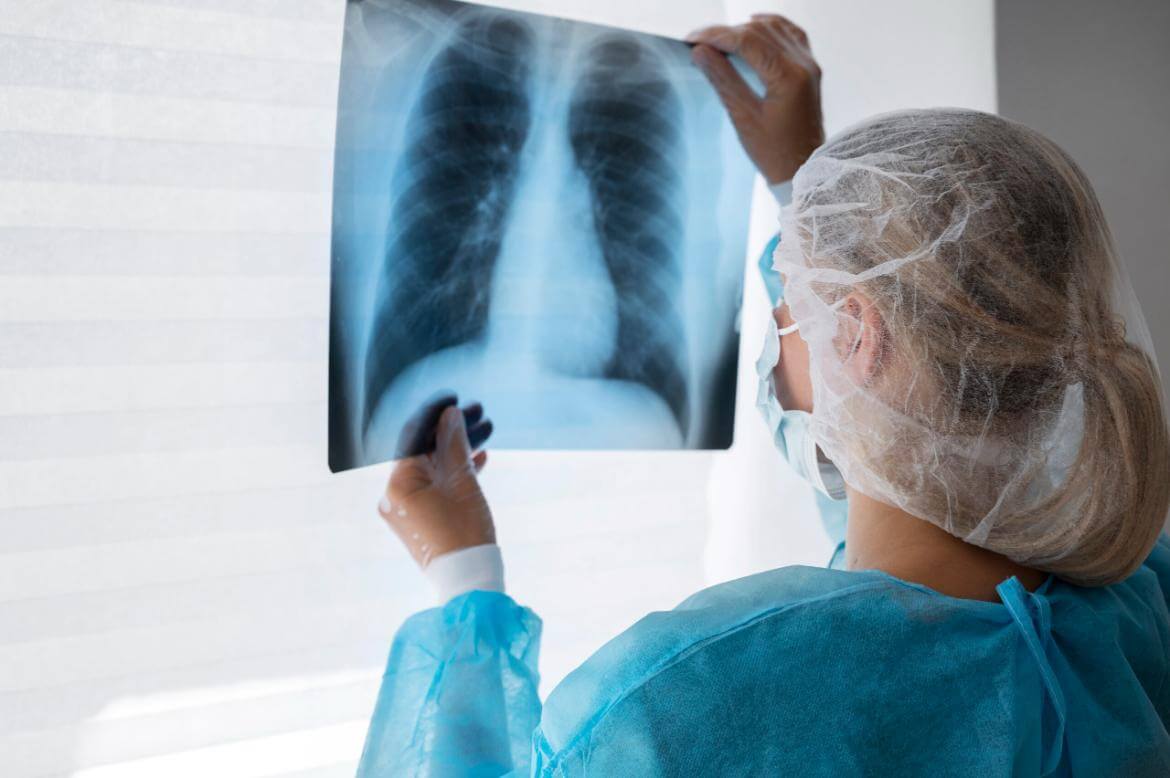
Silicosis
Silicosis is a lung disease that primarily affects people working in occupations such as construction, ceramic production, or mining. This disease is caused by the inhalation of excessive amounts of very small silica (SiO2) particles. Silicosis is characterized by symptoms such as cough, inflammation, and fibrosis, and can pose serious health risks as it progresses. This disease is also known as an occupational disease. The combination of these three symptoms is a hallmark of a group of diseases called pneumoconiosis. This condition is often caused by excessive exposure to dust associated with work.
What are the symptoms of silicosis?
- Dry cough: Patients often experience a dry, irritating cough that can last for a long time.
- Chest pain: Chest pain may occur as the disease progresses and this pain may worsen during breathing.
- Wheezing: Wheezing may be heard due to damage to the lungs, especially during breathing.
- Shortness of Breath: Shortness of breath, which occurs especially during physical activity, can become a more serious problem as the disease progresses.
- Extreme weakness : As silicosis progresses, the body may feel weak and tired because it is not getting enough oxygen.
- Arm or leg edema: In advanced stages, edema (swelling) may occur in the arms or legs due to effects on the heart and circulatory system.
- Pulmonary hypertension: In some cases, a condition called pulmonary hypertension can develop. This can result in the right side of the heart not being able to pump blood adequately, increasing the risk of severe respiratory failure.
Silicosis occurs due to dust damage to the lungs, but symptoms often develop after a long period of time. This delay may be due to the immune system attempting to clear the dust, which can lead to lung damage. Even after exposure has ended, immune system activation and lung damage may persist.
Some individuals, particularly those exposed to high amounts of silica dust, may develop acute silicosis more rapidly, causing symptoms to appear sooner. However, silicosis is generally a chronic disease that lasts for years or even decades.
Types of silicosis
Silicosis is a lung disease that can occur in different forms, and the types are generally related to the duration and severity of exposure. The types of silicosis can be listed as follows:
Chronic silicosis: This type of silicosis requires prolonged (usually 10 years or more) exposure to low or moderate levels of silica dust. Chronic silicosis occurs in two main forms:
- Simple silicosis: This form, caused by the accumulation of silica dust in the lungs, is characterized by specific symptoms. Symptoms may include chronic cough, shortness of breath, and wheezing.
- Progressive massive fibrosis (PMF): This form progresses more severely, resulting in extensive fibrosis (scar tissue) in the lungs. Patients experience more shortness of breath and can often lead to serious complications.
Subacute silicosis (Accelerated Silicosis): This type of silicosis occurs in people exposed to high levels of silica dust for a shorter period of time (usually two to five years). Symptoms can develop rapidly and are usually more severe.
Acute silicosis: This type of silicosis develops over a short period of time (such as a few months) in individuals who are rapidly exposed to large amounts of silica dust. Symptoms are severe and can cause serious lung damage. This type is particularly common in workers in occupations that require high levels of dust exposure, such as mining.
All types of silicosis result from the accumulation of silica dust in the lungs and the resulting inflammation, fibrosis, and other lung damage. The severity and progression of each type can vary depending on the level of exposure, duration, and individual factors. Diagnosis of silicosis is based on symptoms and radiological findings, and treatment may vary depending on the patient's condition.
Who is affected by silicosis?
Silicosis is a lung disease that typically affects individuals working in certain industries and is directly related to exposure. Industries that trigger and cause silicosis include:
- Mining and quarry workers
- Construction, demolition and restoration
- Those who deal with stone work
- Pottery, ceramics and glass production
- Sandblasting and foundry works
Employees working in these sectors are at risk of exposure to silica dust due to their direct contact with materials containing silica during work-related processes. Therefore, it is important for workers in these sectors to wear protective equipment and minimize exposure by taking appropriate safety precautions. Furthermore, employees in these sectors should undergo regular health checks to detect signs of illness early.
What causes silicosis?
Silicosis develops as a result of prolonged and intense exposure to crystalline silicon dioxide (silica) dust. The primary causes of this disease are:
- Exposure to silica dust: Silicosis is associated with long-term, high-level exposure to silica dust. These dusts are commonly found in industries such as construction, mining, quarrying, ceramics production, glass production, foundry work, and stonemasonry.
- Inhalation of dust: When workers are exposed to these dusts, silica dust enters the lungs through inhalation. These dusts accumulate in the respiratory tract and damage lung tissue.
- Lung damage: When silica dust accumulates in the lungs, the immune system tries to clear it. However, this process causes inflammation and damage to lung tissue. This damage can develop into scar tissue (fibrosis) over time.
- Duration and intensity of exposure: The risk of silicosis depends on the duration and intensity of exposure to silica dust. Longer and more intense exposure increases the risk of disease.
- Personal factors: Personal factors, such as a person's genetic predisposition and immune system status, may influence the risk of developing silicosis.
How is silicosis diagnosed?
- Medical history assessment: The specialist begins by considering the patient's symptoms and occupational history, focusing on information such as the duration and intensity of exposure to silica dust.
- Physical exam: During the physical exam, the doctor listens to the patient's lungs, assesses for signs of respiratory distress and looks for other possible findings.
- Computed tomography (CT) scan: A CT scan is used to view lung damage and scar tissue in greater detail. These images are an important tool in diagnosing lung diseases such as silicosis.
- Pulmonary function testing: Pulmonary function tests are used to evaluate how well a patient's lungs are working. These tests can help identify respiratory failure or other breathing problems.
- Bronchoalveolar lavage (BAL): During this procedure, a special solution is injected into the lungs using a bronchoscope and then withdrawn. This procedure can be used to examine inflammation and cellular changes in the lungs.
- Lung biopsy: In rare cases, if the patient's condition is unclear or if lung disease is suspected for other reasons, a lung biopsy may be performed. This procedure allows microscopic examination of lung tissue and is important for definitive diagnosis.
Diagnosis of silicosis is made by combining symptoms, medical history, and laboratory tests. A correct diagnosis before initiating treatment is crucial for disease management.

How is silicosis managed and treated?
Treatment for silicosis is designed to be a manageable disease and generally focuses on relieving symptoms, slowing progression, and preventing complications. Common methods used to treat silicosis include:
- Stopping exposure: People at risk of silicosis should wear personal protective equipment (mask, dust mask) to prevent further exposure to silica dust. It's also important to avoid or change jobs that involve high exposure to these dusts.
- Quit smoking: If people with silicosis smoke, they should quit. Smoking can increase lung damage and worsen symptoms.
- Respiratory treatments: Respiratory treatments such as bronchodilators may be used for people with silicosis. These medications can help widen the airways and relieve breathing problems.
- Vaccines: Vaccines against respiratory infections such as flu and pneumonia can help protect patients from such infections.
- Oxygen therapy: People with advanced silicosis may receive oxygen therapy. This is used to provide the body with enough oxygen and can reduce the risk of respiratory failure.
- Rehabilitation: Pulmonary rehabilitation programs for people with silicosis can help increase breathing ability and improve quality of life.
In advanced cases, silicosis can lead to permanent lung damage, and treatment may not completely eliminate symptoms. Therefore, it is important for patients to establish a treatment plan with a qualified healthcare professional and receive regular follow-up. Furthermore, limiting exposure and taking preventative measures can help prevent the disease from progressing.
