


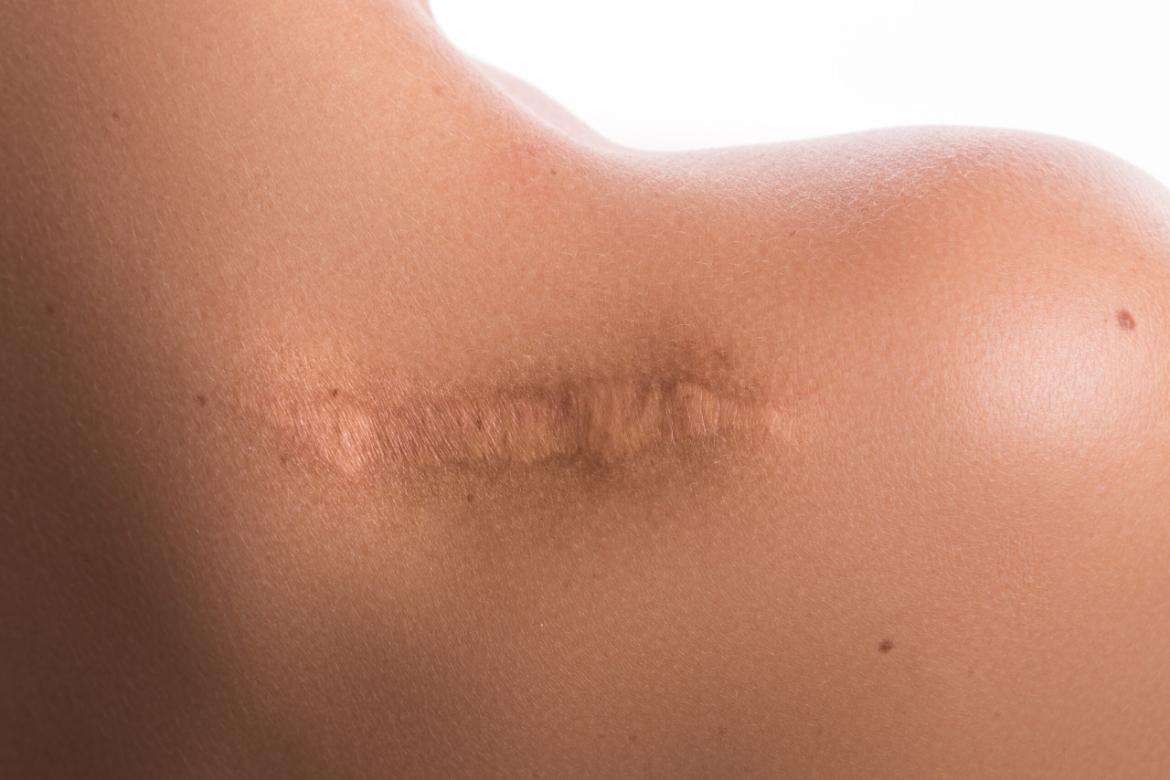
Keloid
A keloid is a condition that results from abnormal and excessive tissue growth in the skin. This excessive tissue growth occurs as a result of traumatic events such as injury, cut, surgery, tattoo, or piercing.
Keloids differ significantly from the normal wound healing process. They can appear as raised, firm, shiny, tender, and sometimes painful lesions in areas caused by trauma.
Keloids can occur in various areas of the body, but are most common on areas such as the ear, chest, shoulder, and back. Various factors, including genetics, skin type, severity of injury, and wound location, play a significant role in keloid formation.
What causes keloids?
While the exact cause of keloid formation is unknown, it is associated with skin damage resulting from traumatic events such as injuries, abrasions, surgery, tattoos, and piercings. Such traumatic events can lead to abnormal and excessive skin tissue growth.
It's also known that genetic factors may play a role in keloid formation. Some people are thought to be more prone to keloid formation due to their genetic predisposition.
Other factors, such as skin type, hormonal status, and age, are also known to influence keloid formation. For example, certain skin types or hormonal changes may contribute to keloid formation.
Additionally, keloid formation may become more pronounced when existing skin wounds become infected or heal improperly. These conditions can trigger or exacerbate keloid formation.
Who is affected by keloids?
People with darker skin are more likely to develop keloids than those with lighter skin. This means the risk of keloids may increase depending on ethnicity. Furthermore, the likelihood of developing keloids can vary depending on factors such as family history, age, pregnancy status, and puberty. The likelihood of developing keloids may be higher in the following situations:
- Having dark skin: People with dark skin are more likely to develop keloids than those with light skin.
- Young age: People under 30 may be at higher risk of developing keloids.
- Pregnancy: Hormonal changes during pregnancy can increase the risk of keloid formation.
- Adolescence: The risk of keloid formation may increase during adolescence as hormone levels change.
- Family history: A family history of keloids may increase an individual's likelihood of developing keloids.
These factors may influence a person's risk of developing keloids, but exactly how keloids form and why they develop in certain individuals are not fully understood. Numerous genetic, hormonal, and environmental factors are thought to influence keloid formation.
What are the symptoms of keloids?
- Itching: Itching may occur during or after keloid formation.
- Color change: A keloid may begin as a raised pink, red, or purple scar. It may change color over time.
- Raised structure: Keloid has a raised structure that does not have a smooth surface.
- Darkening: A keloid can become darker over time and is usually darker than the person's skin color.
- Prominence of edges: Keloids have a structure where the edges are generally darker and more distinct than the center.
- Textural differences: A keloid may have a different texture than the surrounding skin. Some keloids feel soft and doughy, while others may be firm.
- Pain and tenderness: In some cases, keloids can cause pain, itching, or tenderness. Some keloids can be painful to the touch.
Keloids can appear on many different parts of the body, but they most commonly appear on the neck, shoulders, chest, back, and ears. Keloids can vary in size from person to person.
What are the methods to prevent keloid formation?
Wound care:
- Keep the resulting wound clean and moist.
- Gently clean the wound area with soapy water and rinse.
- Keep the wound area moist by using moisturizer or skin care products like Vaseline. Moisturizing promotes the wound healing process.
Wound protection:
- Use a bandage or bandage to protect the wound area. This can reduce trauma to the wound.
- Protect the wound area from the sun, as sunburn can encourage keloid formation.
Protecting your skin:
- Be careful not to damage your skin. Be careful to avoid skin injuries such as cuts, burns, or scrapes.
- If you are going to have a piercing or tattoo done on your body, have it done professionally and hygienically.
Preoperative consultation:
- If you're undergoing surgery, discuss your risk of developing keloids with your doctor. Your doctor can use surgical techniques to help reduce keloid formation at the surgical site.
Treatment options:
- If you've developed keloids before or think you're prone to them, talk to your doctor to discuss treatment options. Some treatments can help reduce their appearance.
While it may not always be possible to completely prevent keloids, the methods above can reduce the risk of keloid formation or help make them less noticeable. It's important to consult a dermatologist or plastic surgeon when necessary.
When does a keloid appear?
Keloids typically appear and become more noticeable after wound healing. The timing of keloid formation can vary from person to person and depends on a variety of factors. Here's some information about when keloids may appear:
- Post-wound healing: Keloids typically appear several months or longer after a wound has healed. Once wound healing is complete, keloids slowly begin to enlarge.
- Genetic predisposition: Genetic predisposition plays a significant role in keloid formation. Family history can increase the risk of keloid development. Therefore, some people may be genetically predisposed to keloids, and keloids may appear more quickly after wound healing.
- Trauma: In some cases, even minor trauma or mild irritation to the skin can trigger keloid formation. In this case, keloids can grow rapidly.
- Other factors: Factors such as the type of injury, the location of the wound, and a person's skin type can also influence the timing of keloid formation.
Does keloid hurt? Does it cause pain?
Keloids generally do not cause pain or discomfort. However, some people may experience mild pain or tenderness when pressure or friction is applied to them. Keloids are also known to be itchy, which can cause itching. The itching can be intense, and the person may feel the urge to scratch the keloid, but scratching can increase the risk of further irritation and even infection.
Generally, keloids are unlikely to cause pain, but they can present uncomfortable symptoms such as itching and tenderness. If your keloid is bothersome or the itching is severe, it's important to consult a dermatologist or plastic surgeon. These specialists can evaluate appropriate keloid treatment options and offer suggestions for symptom relief.
How is keloid treated? How does it go away?
Keloid treatment can be quite challenging, and complete resolution may not always be possible. However, methods recommended by a specialist doctor can improve the appearance of keloids and alleviate symptoms. Some methods used for keloid treatment include:
- Corticosteroid injections: This treatment involves injecting corticosteroid medications into the keloid. Corticosteroids can help shrink and soften the keloid.
- Cryotherapy (Ice therapy): This treatment involves freezing the keloid with liquid nitrogen. This can help reduce the size of the keloid and lighten its hardness.
- Silicone treatment: Silicone gels or adhesives are applied regularly to the keloid. This treatment can help flatten and thin the keloid.
- Laser therapy: Laser therapy can improve the color and texture of keloid scars. High-energy lasers can be used to improve the appearance of keloids.
- Surgery: A keloid can be surgically removed, but this can cause it to grow larger. Therefore, proper surgical techniques must be used and careful postoperative care must be provided.
- Radiotherapy: Radiotherapy may also be considered as a rare treatment option for keloids. It can help control keloid growth.
Every keloid is different, and the treatment approach is individualized. The treatment option depends on the size and location of the keloid, your age, skin type, and other factors. It's important to consult a dermatologist or plastic surgeon for keloid treatment. Furthermore, regular follow-up and maintenance are crucial to prevent keloid recurrence.
Do keloids disappear on their own?
No, keloids generally do not disappear on their own. Keloids are considered excessive tissue growth outside the normal healing processes of scars. They tend not to disappear on their own over time. Therefore, treatment is often necessary for keloids.
Treatment options may vary depending on the size and location of the keloid, and the patient's overall health. Treatment aims to improve the keloid's appearance, reduce its size, or relieve symptoms. Appropriate treatment options should be evaluated under the guidance of a qualified healthcare professional, such as a dermatologist or plastic surgeon.
