


Flat Feet Rehabilitation
What is Flatfoot Rehabilitation?
Flat feet are a condition that struggles to maintain their arching and supporting functions. In individuals with flat feet, the foot loses its ability to spring back sufficiently, which can cause pain or discomfort in areas such as the feet, ankles, knees, hips, and lower back. Flat feet are usually present at birth, but can also develop over time.
Flatfoot rehabilitation includes various treatment methods to reduce pain, provide balanced walking and improve foot functions.
What are the symptoms of flat feet?
Flat feet refers to a condition in which the arch of the foot is lower than normal or absent altogether. Flat feet can often be associated with pain or discomfort. Common symptoms of flat feet include:
- Foot pain: The most common symptom associated with flat feet is foot pain. Pain can be felt in the sole of the foot or the ankle. Standing or walking for long periods of time can be particularly painful.
- Foot fatigue: Flat feet can cause your feet to tire quickly. Symptoms include a feeling of heaviness or rapid fatigue.
- Balance issues: Flat feet can cause the feet to not be properly supported, which can lead to balance problems and increase the risk of falls.
- Ankle pain: Flat feet can put extra stress on the ankle joint, resulting in ankle pain or a feeling of instability.
- Heel pain: Flat feet can lead to a condition called plantar fasciitis, which is inflammation of the ligaments at the back of the sole of the foot and can cause heel pain.
- Leg pain : The uneven foot movement caused by flat feet can cause pain in the leg muscles or upwards from the ankle. Pain can be felt particularly in the knee or hip area.
- Swollen feet: Swollen feet can occur in association with flat feet. Swelling can occur after standing upright for long periods of time or after strenuous activity.
How is Flat Feet Treated with Rehabilitation?
Flatfoot rehabilitation involves a range of treatment methods used to alleviate the symptoms associated with flat feet, reduce pain, and improve foot function. Some of the treatment methods commonly used in flatfoot rehabilitation include:
Foot Exercises: Specially designed exercises for flatfoot rehabilitation are used to strengthen foot and leg muscles, increase flexibility, and improve posture. It's important to regularly perform the exercises recommended by your physical therapist or specialist.
- You can do ankle rotation exercises to strengthen the foot muscles.
- You can lift and release your toes while walking.
- You can do exercises such as bending and spreading your toes by placing a towel or elastic band on the soles of your feet.
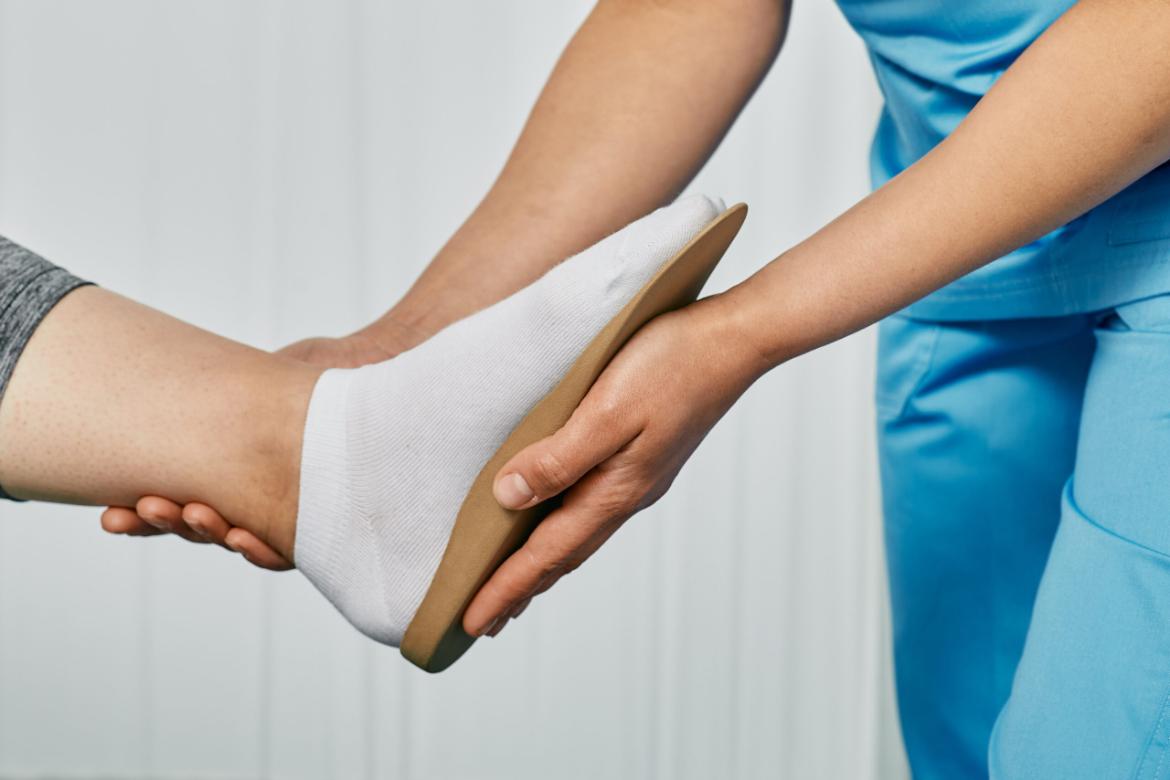
Foot Insoles: Foot insoles are specialized support materials placed within shoes. They can alleviate the symptoms of flat feet by supporting the arch of the foot. Foot insoles are customized to the individual's needs and are fitted with the appropriate shoe.
Orthoses: Orthoses provide ankle and foot support and are used to relieve the pain and discomfort associated with flat feet. Orthoses help maintain proper foot alignment and reduce pain.
Shoe Selection: Choosing the right shoes is crucial for alleviating the symptoms of flat feet. Supportive shoes are an option that supports the arch and reduces pain. When choosing shoes, it's important to choose a style that provides adequate arch support and provides comfort under the sole of the foot.
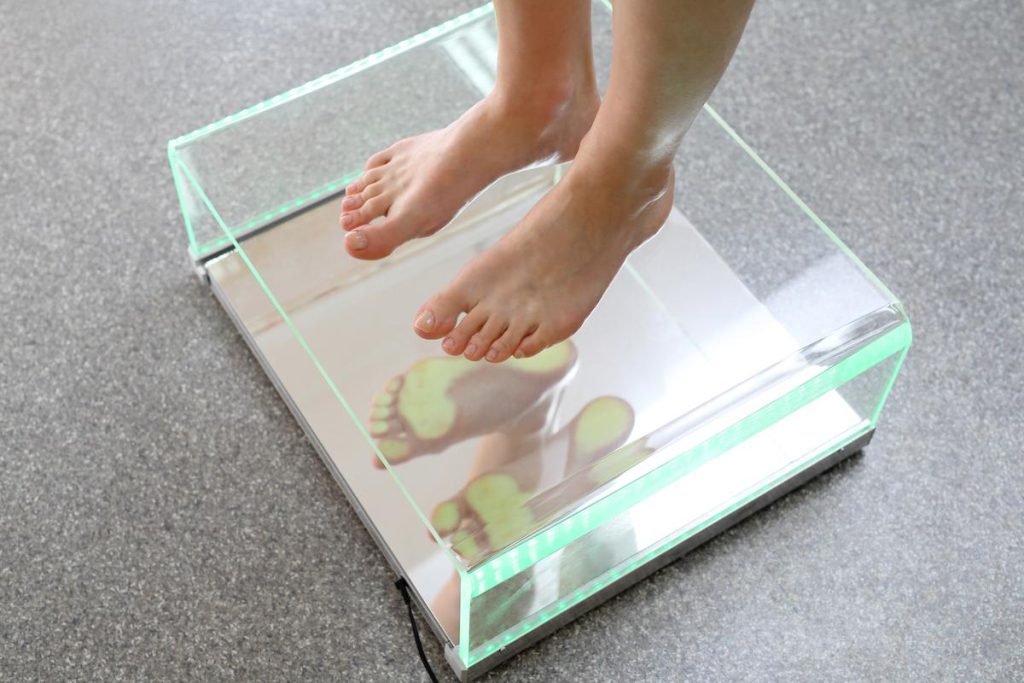
Physical Therapy: Physical therapy techniques can be used to help reduce the pain and discomfort associated with flat feet. A physical therapist will evaluate the specific issues associated with flat feet and determine an appropriate treatment plan.
Weight Management: Being overweight can increase the symptoms of flat feet. Maintaining a healthy weight can reduce stress on the feet and ankles and help relieve symptoms.
Flatfoot rehabilitation can vary from person to person, so treatment methods should be personalized. It's important to consult a specialist to obtain an accurate diagnosis and determine the appropriate treatment plan.
When is Flatfoot Rehabilitation Needed?
Flat feet generally don't cause pain or discomfort and require no treatment for most people. However, in some cases, flat feet may require rehabilitation. Here are some situations where flat feet rehabilitation may be necessary:
- Pain: If you experience pain in areas such as your foot, heel, ankle, knee, or hip due to flat feet, rehabilitation may be recommended. If the pain is severe, it's important to consult a specialist.
- Functional limitations: If you have trouble with daily activities like walking or standing due to flat feet, a rehabilitation program may be helpful.
- Sports performance: If flat feet are affecting your sports performance, especially if you have difficulty with activities like running, a rehabilitation program may benefit you.
- Other foot problems: Flat feet can cause or be associated with other foot problems. For example, ankle sprains, tendonitis, and plantar fasciitis can be associated with flat feet and may require rehabilitation.
Rehabilitation programs often include methods such as foot exercises, arch supports, or special shoes. If you experience discomfort due to flat feet, it's important to consult a specialist, such as a podiatrist or physical therapist. They can determine the most appropriate rehabilitation method for you and help you achieve the best results.
Basic Goals of Rehabilitation After Flatfoot Treatment
- Correcting the foot structure: Flatfoot surgery is generally performed to recreate or correct the arch of the foot. The rehabilitation process aims to ensure proper healing and correction of the foot structure after surgery.
- Supporting the healing process : After surgery, it is important for the surgical site to heal and return to normal function. A rehabilitation program may include proper wound care, swelling control, and physical therapy techniques to accelerate healing.
- Increasing muscle strength: Rehabilitation focuses on strengthening the foot and leg muscles. This is important for providing the stability and support needed for walking and other plantar functions. Exercise programs and physical therapy can be used to increase muscle strength.
- Restoring flexibility: After flatfoot surgery, it's important to regain flexibility in the foot and ankle joints. Flexibility allows for more natural foot movement, allowing for greater comfort and efficiency in activities like walking and running. Stretching exercises and mobilization techniques can be incorporated into the rehabilitation program.
- Increasing functionality and activity levels : One of the primary goals of rehabilitation is to help individuals return to their daily activities and improve their functionality. The goal is to enable them to be more comfortable and pain-free in activities such as walking, running, and sports.
The rehabilitation process can vary depending on the type of surgery and individual needs. A specialist physical therapist or podiatrist will design a personalized rehabilitation program for flatfoot surgery and monitor your progress.
What Happens If Physical Therapy Is Not Received for Flat Feet?
Flat feet are a condition in which the normal arch structure of the sole of the foot is missing. Physical therapy is a treatment method used to alleviate the symptoms of flat feet, reduce pain, and improve foot function. However, without physical therapy, some potential side effects of flat feet can occur:
- Pain and discomfort: People with flat feet may experience symptoms such as foot, ankle, knee, hip, and back pain. While physical therapy can help reduce pain, these pains can persist if left untreated.
- Walking and balance issues: Flat feet can affect foot mechanics, leading to walking and balance issues. This can cause difficulties with daily activities and increase the risk of falls.
- Foot deformities: Long-term flat feet can cause deformities in the foot joints and tendons. These can include hallux valgus (outward bending of the big toe), ankle sprains, and curled toes.
- Decreased athletic performance: Flat feet can negatively impact performance for athletes. Factors such as foot structure deformities, decreased balance and stability, and decreased energy efficiency can all lead to problems with athletic activities.
- Other joint problems: Flat feet can also contribute to other joint problems in the body. This can increase the risk of joint pain or injury in other areas, such as the knees, hips, or lower back.
For these reasons, if flat feet are causing bothersome symptoms, it's recommended that you get evaluated and treated by a physical therapist or specialist. Physical therapy can alleviate the symptoms of flat feet, strengthen muscles, and improve posture.
