


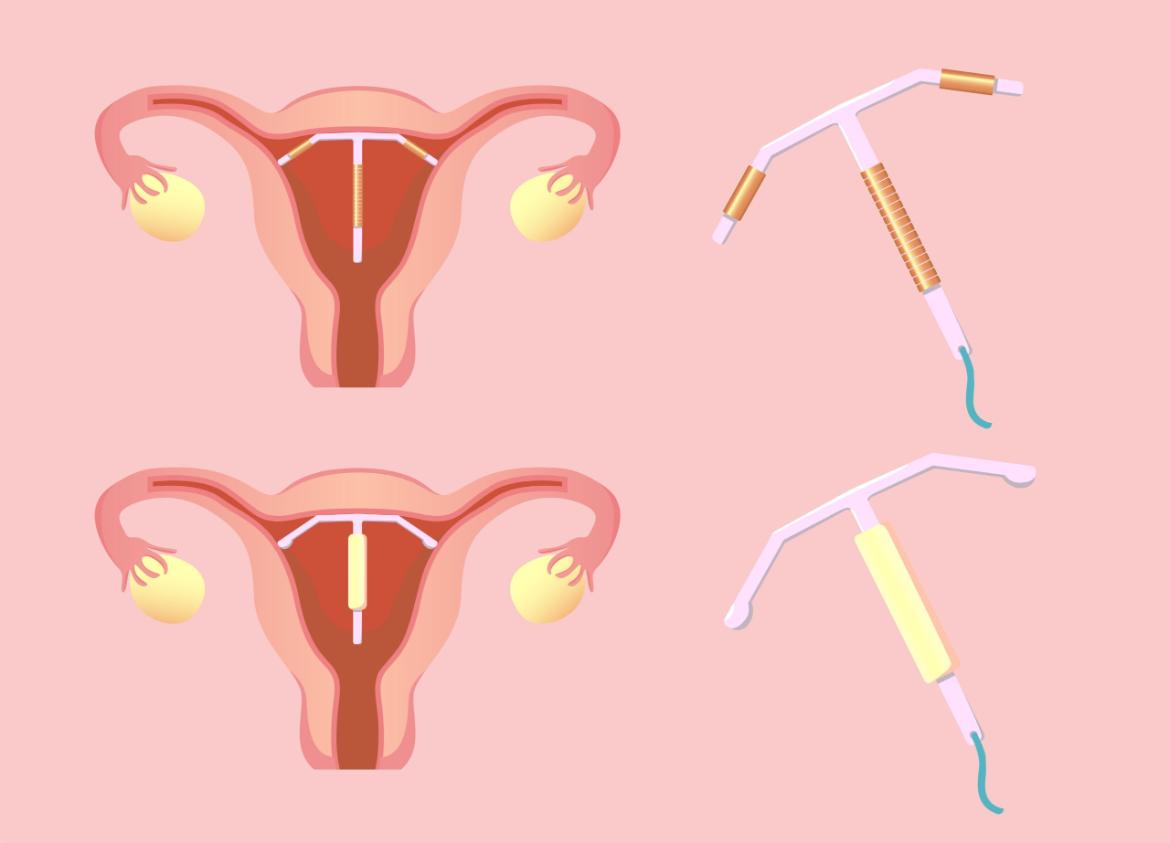
Intrauterine Device: What You Need to Know About the IUD
An IUD, also known as an IUD and standing for intrauterine device (IUD) , is a large, T-shaped device designed to fit inside the uterus. The IUD prevents sperm from fertilizing an egg during intercourse. Furthermore, by damaging the uterine wall, the IUD prevents implantation of a fertilized egg, even if fertilization does occur.
Today , the IUD is one of the most commonly used birth control methods worldwide. The reasons for its widespread and frequent use include:
- Easy to apply,
- Being economical,
- It shows its effectiveness immediately when installed,
- It is more effective than other methods of birth control,
- Immediate recovery of fertility without any problems after removal.
Mechanism of Action
Once inserted into the uterus, the body perceives the IUD as a foreign substance and triggers an inflammatory reaction in the affected area. This inflammatory reaction neutralizes sperm that reach the uterus, preventing pregnancy. However, it does not cause any problems during ovulation.
It's important to remember that an IUD is definitely not a method for terminating an already established pregnancy. The IUD's effect is only on sperm that reach the uterus.
Protection Rate and Protection Duration
- The protection of the IUD begins from the moment it is inserted and ends very quickly after it is removed.
- While the duration of protection offered by IUDs varies by brand, most provide protection for at least five years. This protection depends on the time it takes for the copper or progesterone hormones in the IUD to deplete.
- The IUD offers a higher rate of protection than other birth control methods. On average, only two out of 100 women using it become pregnant each year.
- Approximately 10% of IUDs fall out spontaneously within the first year. Approximately 15% of women using an IUD typically request removal within the first year. This is because the IUD causes pain during menstrual periods.
Ria's History
Because the IUD's original form was spiral, it's also called a spiral. The first known written history of the IUD dates back to the 1800s. Medical sources from that era describe a button-shaped body with a rod inserted into the center of the body. This device is inserted into the internal canal of the cervix, thus closing the cervix.
The IUD's current form dates back to the 20th century. By the 1960s and 1970s, significant changes were made to the IUD, and the most modern IUD formats were developed.
How to Insert IUD?
When a person consults a doctor for IUD insertion, they first gather information about their medical history and undergo a gynecological examination. The IUD insertion must be performed in a clinic or hospital setting. The insertion may be as painful as an injection. The procedure takes a few minutes. However, in very special cases, insertion under general anesthesia may be necessary. Immediately after insertion, the IUD is examined with an ultrasound to ensure proper placement within the uterus.
When to Install?
An IUD can be inserted any time it's certain that pregnancy isn't occurring. Because the cervix opens slightly during your period, it can be inserted on the first day of your period.
Who Can Use It?
- If there are no symptoms of genital infection, such as discharge and groin pain, and no infection is detected during the gynecological examination, the IUD is applied during the first gynecological consultation.
- Contrary to popular belief, women who have never given birth can also have an IUD.
- If there are treatable conditions such as genital infection or cervical ulcers, the IUD application is postponed until the end of treatment.
- It's beneficial to have a smear test before the IUD is placed. Care must be taken in this regard.
In Which Situations Is IUD Not Applied?
- An IUD increases the risk of genital infections in the early stages after insertion. Therefore, IUDs are not recommended for women with a history of genital infections.
- If there is any suspicion of pregnancy, an IUD should not be inserted. Pregnancy should be determined using sensitive pregnancy tests before insertion.
- IUDs are definitely not used in conditions that lower immunity, such as AIDS , drug use, and cortisone treatment.
- In women experiencing abnormal bleeding, the cause must first be determined and treated. Following treatment, the IUD can be inserted.
- Women taking blood -thinning medications should never use a copper IUD. In such cases, a hormonal IUD can be used to reduce menstrual bleeding.
- IUD insertion is not recommended for women with uterine fibroids.
- Women who have an allergic reaction to copper or who have the very rare Wilson's Disease cannot use an IUD.
- During the examination, determining whether the uterus is too small or too large may prevent the use of an IUD .
Side Effects
Copper IUDs can often increase the amount and duration of bleeding during menstruation and cause periods to be more painful. Both of these conditions are more common in the first months of IUD use and can be controlled with painkillers or anti-inflammatory medications. However, if symptoms persist despite these medications, it's essential to consult a specialist.
In some cases, breakthrough bleeding, such as spotting, may occur in the first weeks after IUD insertion. This condition, which occurs particularly in cases of infection, is usually controlled with antibiotics. However, if there is no improvement, the IUD may need to be removed.
Disadvantages and Risks
- The biggest disadvantage of the IUD is that it increases the risk of genital infections. Therefore, it is not recommended for women with a history of genital infections.
- During the procedure, situations such as uterine perforation, placement of the IUD in a location other than the uterus, cervical injury, and reflex fainting due to grasping and pulling the cervix during the procedure can rarely be observed.
- While long-term risks of the IUD include the spiral shifting to a location other than the uterus over time, causing blockage of the fallopian tubes, and triggering abscess formation in the genital area, these are extremely rare if inserted under appropriate conditions and by a specialist.
- Contrary to popular belief, the copper IUD reduces the risk of ectopic pregnancy. In fact, it's a good contraceptive option for women who have had an ectopic pregnancy before.
Things Women Using IUDs Should Be Careful About
- The first checkup one month after IUD insertion is very important. This checkup should be performed regularly to ensure proper placement and to ensure there is no infection.
- After the first check, unless there is an exception, follow-up check-ups are arranged at one-year intervals.
- You can check the IUD strings yourself, either monthly or at any time, by inserting your index and middle fingers into the vagina.
- In cases such as a missed period, spotting or abnormal bleeding, abdominal pain, pain during sexual intercourse, the presence of a serious genital infection, unusual discharge, severe groin pain with chills and fever, or if the threads are not found during your own examination, or if they are lengthened or shortened, you should consult a doctor without delay.
Special Situations in IUD Use
Some special and undesirable situations may occur during the use of IUD.
Pregnancy
The IUD is a highly effective method of contraception. However, as with any method, pregnancy can occur very rarely during IUD use. Therefore, women using IUDs should consult a doctor if they experience a missed period. If pregnancy occurs, the first step is to determine whether an ectopic pregnancy has developed. If an intrauterine pregnancy is detected during subsequent examinations, the initial determination is made as to whether the pregnancy will continue and the appropriate course of action is taken.
If the decision is made to continue the pregnancy, leaving the IUD in the uterus increases the risk of infection and miscarriage or premature birth. Therefore, the IUD must be removed. An IUD should be removed very carefully during an ongoing pregnancy. This will reduce the risk of miscarriage and premature birth to normal levels.
Abnormal Bleeding
If bleeding occurs outside of your menstrual period, you should consult a doctor immediately. If bleeding persists despite treatment, the IUD will be removed. In very rare cases, bleeding may continue despite removal and appropriate treatment. In such cases, a uterine biopsy may be necessary.
Infection
Despite all precautions, infection can occur in the upper genital tract. Symptoms of infection include:
- Abnormal bleeding,
- Shoot,
- It is groin and lower back pain.
In more advanced stages:
- Fire,
- Weakness,
- Joint pain,
- Symptoms such as diarrhea may occur.
If symptoms appear, consult a doctor immediately. If the infection is mild, appropriate treatment is administered without removing the IUD . If the infection is gone at the end of treatment, the IUD is left in place.
In cases where the infection is severe, inpatient treatment is required. In these cases, the IUD is removed immediately after starting the necessary treatment. The patient remains hospitalized until symptoms subside.
IUD Falling Out
Even if properly inserted, an IUD can fall out for any reason, or for no reason at all. In such cases, a doctor should be consulted and the cause of the fallout investigated. Statistics show that an average of 10 out of every 100 IUDs inserted fall out on their own.
Not Being Able to See IUD Strings During Checkup
It's very common for the IUD strings not to be visible during a woman's routine self-examination . This is usually because the IUD strings are cut short. However, just in case, it's important to consult a doctor.
The other reason is as follows:
- The IUD is embedded in the uterus,
- Shifting to another location outside the uterus.
In such cases, an ultrasound is first performed to determine whether the IUD is present in the uterus. Once the IUD is identified, it is removed, taking into account the risk of it becoming embedded in the uterine wall. This procedure is usually a minor procedure performed under local anesthesia.
If the IUD is not found inside the uterus, an ultrasound will examine the areas adjacent to the genitals. If an IUD is not found during this examination, an X-ray of the lower abdomen will be taken. If the IUD is not detected on the X-ray, it is assumed that the IUD has been removed without the woman realizing it. If the IUD is found on the X-ray, the approximate location of the IUD will be determined, and the necessary surgery will be initiated.
How to Remove IUD?
If an IUD needs to be removed for any reason, it is removed by grasping the strings protruding from the cervix during a gynecological examination. This procedure is painless.
