


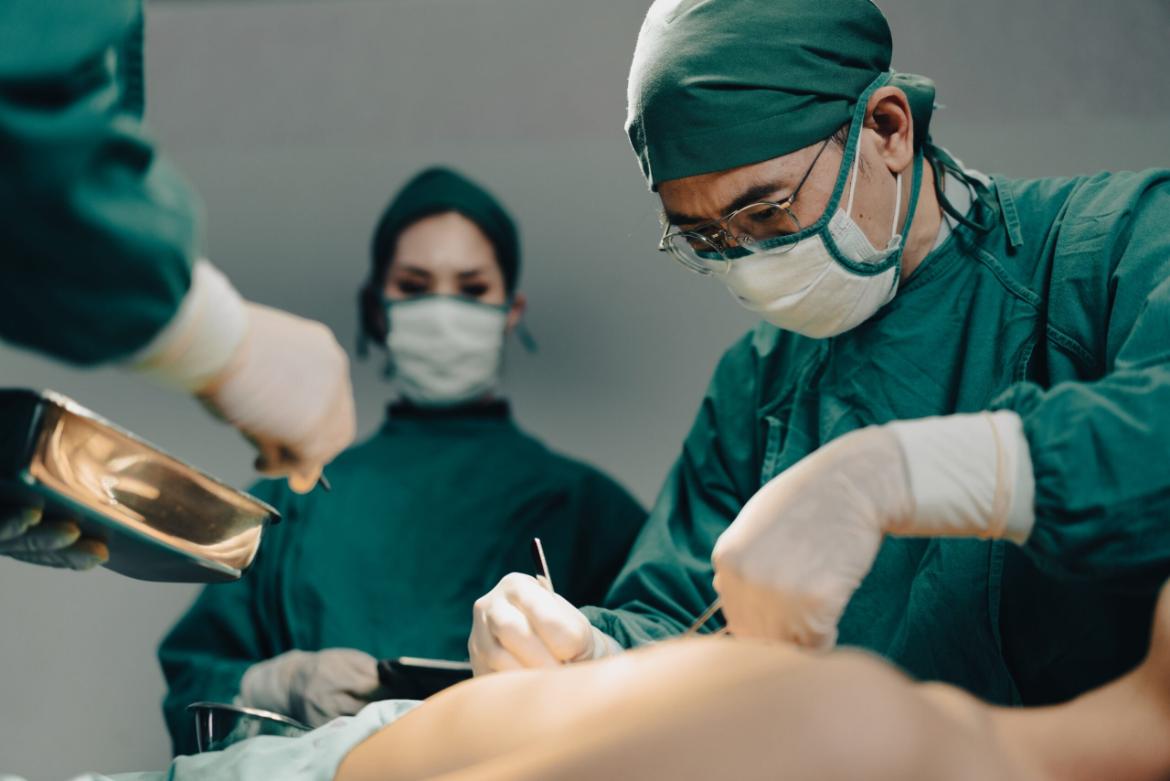
Gallbladder Surgery
What is the Gallbladder and Bile?
The gallbladder is a pear-shaped organ attached to the underside of the liver and is approximately 7-10 cm long.
Bile is a yellow-greenish fluid produced by the liver in an average of 500 ml per day and is released into the intestines via the bile ducts. It helps break down fats in food, facilitates the absorption of fat-soluble vitamins, and supports the function of digestive enzymes.
What are the Costs of Gallbladder Surgery?
Gallbladder disease can cause severe, stinging pain, vomiting, and nausea. The pain can extend from the right side down to the lower ribs. It can also sometimes cause pain and temporary jaundice. This condition can occur in obese women over 40.
In what cases is gallbladder surgery performed?
- Gallbladder stones,
- Bile duct stones,
- Bile infections and
- It is performed in many diseases such as gallbladder cancer.
- Gallbladder polyps
Types of Gallbladder Surgery
Open gallbladder surgery: This surgery takes approximately 1.5 hours and a 10-15 cm incision is made in the upper right side of the abdomen and the gallbladder is removed by entering from there.
Closed gallbladder surgery
In the laparoscopic method, four incisions of approximately 2-3 cm are made in the abdomen and the gallbladder is removed under visualization with the help of a camera inserted.
What is a Cholecystectomy? Why is it Performed?
Cholecystectomy is the surgical removal of the gallbladder. It can be performed using both open and laparoscopic methods. Cholecystectomy is a necessary and essential procedure in many cases. Removal of the gallbladder may be necessary in cases of serious conditions such as gallstones, gallbladder inflammation (cholecystitis), inflammation of the bile ducts (cholangitis), the inability of the gallbladder to empty bile (biliary dyskinesia), and gallbladder cancer.
What is Endoscopic-Retrograde-Cholangiopancreatography" class="ez-toc-section"> ERCP ( Endoscopic Retrograde Cholangiopancreatography) ,
It is a minimally invasive procedure used to diagnose and treat problems in the bile ducts and pancreatic ducts. It plays a particularly important role in resolving some complications encountered during gallbladder surgery and in relieving biliary obstructions.
ERCP is usually performed using an endoscope (a flexible tube). In this procedure, the endoscope is inserted through the mouth into the body and reaches the bile ducts and pancreatic ducts. Contrast material is then injected, and X-ray imaging is used to identify blockages, stones, or other abnormalities in these areas. If a problem is detected, ERCP also offers therapeutic intervention. For example, stones in the bile ducts can be removed, narrowing can be opened, or stents can be placed.
ERCP is highly beneficial in managing complications following gallbladder surgery. Bile duct stones or blockages, particularly after gallbladder removal, can be effectively treated with ERCP. ERCP also plays an important role in preventing biliary tract infections (cholangitis).
ERCP is usually performed under local anesthesia, and patients are given light sedation to relax them during the procedure. Recovery is generally rapid, and most patients can return to their normal lives quickly.
In conclusion, ERCP is a highly effective method for detecting and treating bile duct problems. It significantly facilitates the resolution of complications following gallbladder surgery and helps to enhance surgical outcomes.
How is Gallbladder Surgery Performed?
Gallstone surgery is performed in two ways. First, in open surgery, we make an incision in the patient's abdomen and remove the gallbladder.
In closed surgery, three or four 1-cm incisions are made in the abdomen. Instruments are inserted through these incisions to perform the surgery.
Before or after surgery, we use an endoscope, a lighted instrument inserted through the mouth, to successfully remove stones from the bile ducts. Later, we may also use a closed surgical technique to remove the gallbladder.
In laparoscopic gallstone surgery, the patient stays in the hospital for one night. Afterward, it's important for the patient to urinate and go to the toilet after the surgery, allowing them to resume normal functions.
In Which Situations Is Gallbladder Surgery Performed?
Gallbladder problems are among the most common problems we encounter today. If the cause of the discomfort is severe and the symptoms are intense, we may consider surgery.
The conditions that cause gallbladder stone surgery are as follows;
- Swelling,
- Gas
- Pain in the upper abdomen and back after meals
- Constant bad breath
- Yellowing of the skin and whites of the eyes
- Contact with oily and heavy foods
Following the onset of such symptoms, the patient's quality of life decreases. Furthermore, gallstones can eventually migrate into the main bile duct, causing jaundice. In rare cases, they can also damage the pancreatic duct.
After Gallbladder Surgery
After gallbladder surgery, patients should avoid consuming heavy foods for the first month. After a while, the liver takes over the gallbladder's role, thus restoring normal body function.
After gallbladder surgery, patients should avoid heavy lifting and should also avoid reaching overhead.
What are the risks of gallbladder surgery?
Considering the risks of gallbladder surgery, if left untreated, the risks can be even greater. As with any surgery, some infections can occur during gallbladder surgery. However, these rates are quite low.
The majority of gallstones are treated surgically. We perform 95% of these surgeries laparoscopically. Instruments are inserted through a 3-4 cm incision in the abdomen. This allows us to perform the surgery more efficiently. Patients experience less postoperative pain and experience quicker recovery.
We perform our surgeries professionally together with our general surgery doctors who are experts in the field of gallbladder .
Those who have gallbladder surgery are monitored for one day. We then discharge them the next day or the day after.
Frequently Asked Questions?
What are the prices of Gallbladder Surgery?
Gallbladder Surgery prices vary depending on the surgical technique used. You can visit Ankara Private Magnet Hospital for a preliminary consultation and pricing information. To easily reach us and schedule an appointment, please call 0312 212 80 80.
What are the symptoms of gallbladder complaints?
Fever, vomiting, nausea, gas pain, bloating, indigestion
Is Surgery Mandatory for Gallbladder Stones?
Patients with gallbladder stones who don't have any contraindications to surgery can also be treated with surgery. If the health problems caused by gallstones aren't addressed, they can lead to serious illness. Gallstones can cause jaundice. In this case, bile can accumulate in the liver, impairing its functions.
What are the risk factors for gallbladder disease?
Women are 2-3 times more likely to develop gallstones than men. These include pregnancy, multiple childbirth, a family history of gallstones, excessive weight gain or sudden weight loss, diabetes, prolonged fasting, use of cholesterol-lowering medications, and use of estrogen-containing medications.
How is Laparoscopic Cholecystectomy Performed?
Laparoscopic cholecystectomy (a closed, bloodless gallbladder surgery) is the removal of the gallbladder. It is performed with the aid of a video camera. This procedure, also known as bloodless surgery, ensures a safer procedure.
By making 3-4 incisions under anesthesia, we display the operations on the screen and remove the gallbladder through a single incision.
How Does the Preparation Process Work for Laparoscopic Cholecystectomy?
Depending on your age and medical condition, a chest X-ray and an ECG will be taken. A blood test will be performed to evaluate your blood count. It's important to avoid eating anything the day before the surgery. You should consult your doctor beforehand about taking blood thinners and other medications.
Gallbladder Pain
The most common symptom of gallbladder disease is pain. This pain usually occurs in the middle and upper right abdomen and can sometimes radiate to the back. The pain can sometimes be intermittent and mild, while other times it can be more frequent and severe.
What is Gallbladder Inflammation?
A stone or sludge that forms in the gallbladder becomes lodged in the gallbladder duct opening, preventing the gallbladder from emptying. This causes the gallbladder to swell and become distended. The primary symptom of gallbladder inflammation is abdominal pain.
How Long Does Gallbladder Surgery Take?
Laparoscopic surgery takes approximately 45-60 minutes.
What Should Be Done Before Gallbladder Surgery?
Nothing should be eaten or drunk, including water, after midnight the night before. Those with serious illnesses or taking medication should consult their physician before surgery.
What Should People With Gallbladder Stones Avoid?
Excessive tea and coffee drinks, alcohol, eggs and egg-containing foods, fatty fried foods, sauces, pastries, and fatty nuts should not be consumed.
Do Gallbladder Stones Cause Indigestion?
Gallbladder stones can cause symptoms such as indigestion, bloating, gas pain, stomach ache, and indigestion.
Why is the Gallbladder Removed and Not the Stones?
Gallstones form when some of the gallbladder's functions are impaired and it can no longer absorb certain substances within the bile it produces. Therefore, removing gallstones is not a solution, and there is no such surgical method, as the gallbladder's function is impaired and stones will form again.
What is the Function of the Gallbladder?
The gallbladder is not the primary organ that produces bile. Bile is produced in the liver and then released into the duodenum via the bile ducts. The gallbladder's purpose in this transfer is to store bile and release it into the duodenum when the body needs it.
What Should Those Who Have Gallbladder Surgery Pay Attention to?
It is very important for the patient to adhere to a nutritional plan for the first 40 days after surgery. A low-fat diet should be followed, acidic and spicy foods should be avoided, alcohol should be avoided, and coffee and cigarettes should be avoided. Physical activity should be kept to a moderate level.
How Many Days of Rest Are Required After Gallbladder Surgery?
Patients can usually return to their daily lives and work within 7-10 days. For those with more severe illness or surgery, the recovery period may be longer.
Nutrition After Gallbladder Surgery
Bowel movements slow down after surgery, so for the first few days, consume soft, low-fat foods like purees and soups, and avoid gassy, acidic, and spicy foods. The recommended diet program should be followed for several months after surgery.
Is Gallbladder Removal Harmful?
The absence of the gallbladder does not cause any significant changes in the body, but bloating, pain, and weakness may occur in the first few months after surgery.
Recovery Process After Gallbladder Surgery
Post-operative hospital stays are typically 5 to 7 days. However, recovery time can vary depending on the patient's overall health, the complexity of the surgery, and the risk of complications.
Bile Leak Symptoms : Jaundice, abdominal pain, loss of appetite and weight loss, fatigue, fever, nausea, and vomiting. These symptoms should be carefully monitored before and after surgery.
Good Gallbladder Surgery Doctor?
You can receive a free consultation from our general surgeon at Magnet Hospital in Ankara . We will perform the necessary examinations and tests, and develop a treatment plan tailored to your condition and situation.
When Does Abdominal Swelling Go Away After Gallbladder Surgery?
Abdominal swelling after gallbladder surgery is due to the gas given during the surgery and begins to decrease within the first 2-7 days.
Does Social Security Cover Gallbladder Surgery?
Social Security may often cover some or all of the costs of gallbladder surgery.
How Much Does Private Hospital Gallbladder Surgery Cost?
Providing gallbladder surgery pricing information on websites and other digital platforms is prohibited by law. Gallbladder surgery pricing can only be provided after the specific condition and treatment plan are determined. Please call us to get a quote. 0312 212 80 80
How Many Days Does It Take to Be Discharged After Gallbladder Surgery?
Recovery time for gallbladder surgery varies depending on the individual's condition and the type of surgery performed. Patients with laparoscopic surgery are usually discharged the following day.
How many days does a closed gallbladder surgery require in the hospital?
The hospital stay is usually one night.
After Gallbladder Surgery
The patient is mobilized 4-8 hours after surgery, and depending on the severity of nausea, only fluids may be administered. The patient is discharged after a one-day stay. In cases of serious illness or complications, two or three stays may be necessary.
How Many Days After Closed Surgery Can You Take a Bath?
You can bathe 48-72 hours after surgery. Care should be taken to avoid contact of water with the surgical area.
What is Closed Gallbladder Surgery?
Laparoscopic cholecystectomy (collar gallbladder surgery) is a procedure performed on patients requiring surgery for gallbladder disease. It involves a 2-cm incision, compared to open surgery. It creates a much smaller wound, causes less pain, and requires a shorter hospital stay. Therefore, recovery is rapid.
How Many Incisions Are Made During a Closed Gallbladder Surgery?
Closed gallbladder surgery involves creating three or four small incisions, each 2-3 cm in size. The camera is inserted through an incision around the navel. The other incisions are made in the upper right abdomen.
Is the Gallbladder Surgery Open or Closed?
Laparoscopic (closed) surgery has been performed with significant success in recent years. Compared to open surgery, it results in less scarring, fewer pain, complications, and quicker recovery. If the patient's condition and conditions are suitable, laparoscopic surgery may be the preferred option.
