


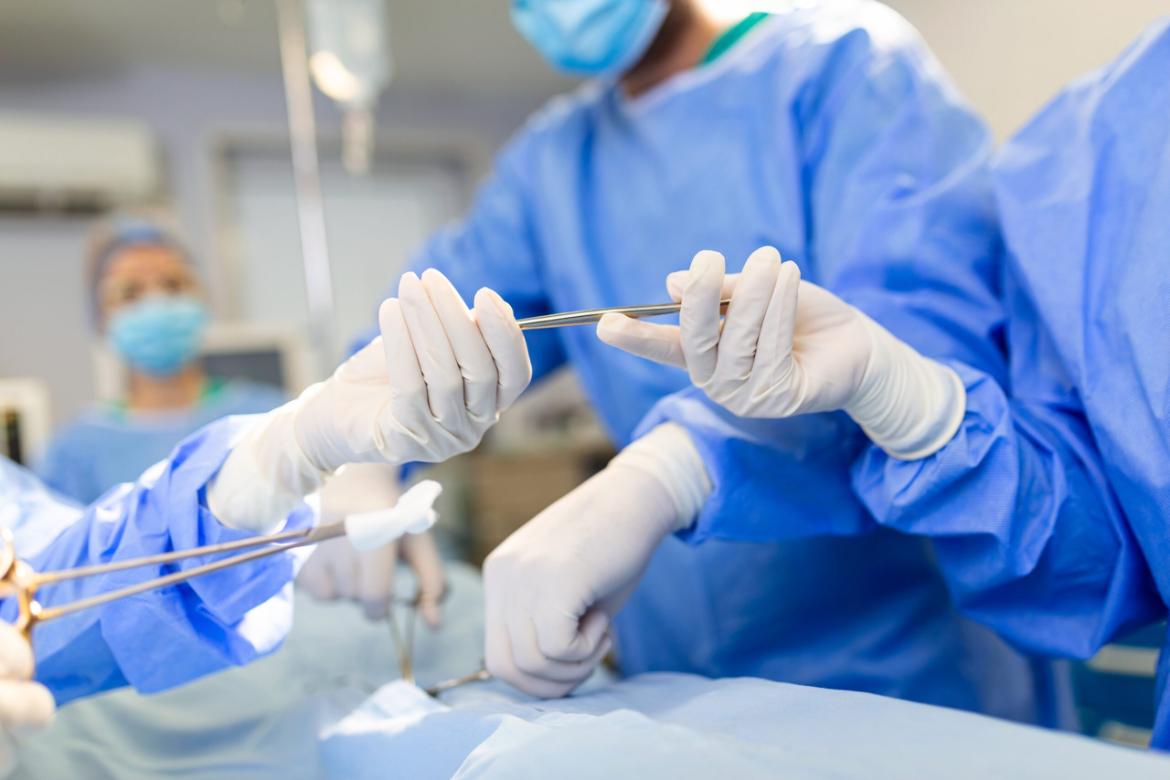
Prostate Surgery
Prostate Surgery: Prostate diseases are a common condition in men, most commonly seen after the age of 50. The prostate is one of the most common organs in the male body. Our urologists handle the diagnosis and treatment of prostate disease, along with all prostate-related issues and routine screenings.
Medical and surgical treatments are available for common prostate diseases such as benign prostatic hyperplasia, prostatitis, and prostate cancer.
Prostate Disease Symptoms
- Difficulty during and after urination
- Intermittent and weak urine stream
- Pain or burning when urinating
- Constant urge to urinate
- The feeling of not being able to fully empty the bladder
- Frequent urination
- Urinary urgency and difficulty holding urine
- Drip-like urine discharge after urinating
- Inability to urinate
- Blood in urine and semen
- Painful, painful ejaculation
- Hip, groin, back, waist and leg pain
The symptoms described above are specific to prostate and lower urinary tract problems. A urologist can determine the specific type of prostate disease through appropriate interventions.
Prostate disease may not cause any symptoms in the early stages. Patients may be diagnosed without any obvious symptoms through digital prostate examination, PSA (Prostate Specific Antigen) testing, urinalysis, radiological imaging (ultrasound, multiparametric prostate MRI), or prostate biopsy (MRI/US Fusion Prostate Biopsy ).
Only urology specialists can truly understand the underlying causes of prostate diseases. Prostate diseases can be roughly classified into three groups:
- Prostate inflammation (Prostatitis),
- Benign prostatic hyperplasia,
- Prostate cancer is divided into classes.
Prostate Treatment
The prostate is a vital organ that affects the male urinary tract and reproductive system. Various prostate-related problems can arise with age. Prostate enlargement, prostate inflammation (prostatitis), and prostate cancer are among the most common. However, treatment methods for prostate diseases vary depending on the type and stage of the disease.
Prostate Inflammation (Prostatitis)
Prostatitis is inflammation of the prostate gland and typically manifests with symptoms such as pain and a burning sensation during urination. It can be divided into acute and chronic prostatitis. Acute prostatitis develops as a result of a bacterial infection and is treated with antibiotics. Chronic prostatitis is a longer-term condition and is usually treated with antibiotics, anti-inflammatory medications, and pelvic exercises.
What is Prostate Cancer?
Prostate cancer is a cancer that develops in the prostate gland tissue. Prostate cancer is one of the most common cancers in Western countries. Generally seen in men, prostate cancer develops with age. If a close male relative (brother, father, uncle, etc.) has a prostate, the risk of developing prostate cancer is significantly higher.
Treatment for prostate cancer detected at an early stage is quite successful. When experiencing symptoms related to prostate cancer, a specialist should be consulted, a diagnosis should be made, and treatment initiated if necessary.
Prostate Cancer Stages
- Stage 1 (Early Stage): The cancer is confined to the prostate and usually doesn't cause any symptoms. Early diagnosis offers a higher chance of cure.
- Stage 2 (Local progression): The cancer has not spread beyond the prostate but has spread to a larger area of the prostate. This stage is also treatable.
- Stage 3 (Local spread): Cancer has begun to spread outside the prostate, especially to surrounding tissues.
- Stage 4 (Metastatic Stage): Cancer has spread to other organs in the body (such as lymph nodes, bones, liver). This stage requires a more complex treatment process.
What are the causes of prostate cancer?
The most significant risk factors for prostate cancer are age and family history. Age increases the incidence of prostate cancer. Microscopic prostate cancer is detected in 50% of men over the age of 70 and in the majority of those over the age of 90. Prostate cancer screening is recommended for men over the age of 50 for early detection of prostate cancer.
Family factors play a significant role in the onset and progression of prostate cancer. Prostate cancer can develop in parallel with general conditions. It's important to note that prostate cancer is a disease that occurs at different rates among different races. An increased incidence of prostate cancer has been observed in Asian immigrants to the United States.
Prostate Cancer Treatment
The stage and treatment of prostate cancer are crucial. Treatment options vary depending on the severity of the disease and the patient's condition. Active surveillance may be an alternative treatment method for some patients. Treatment methods for prostate cancer can be listed as follows:
- Radiation therapy (brachytherapy, radiotherapy)
- Focal treatment (cryotherapy, HIFU)
- Drug therapy (chemotherapy or hormone therapy)
- Surgical treatment (open radical prostatectomy, da Vinci robotic radical prostatectomy)
Prostate Surgery
Prostate surgery can be used to treat patients with BPH who do not respond to drug therapy or who cannot take medication due to side effects or for whom the medication has become inadequate over time.
Prostate surgery should be planned for patients with enlarged prostate, those who have stones in their bladder, those who have recurrent bleeding from the urinary tract, those who experience frequent urinary tract infections, or those who cannot urinate at all .
In prostate surgery, patient age, medications used and prostate size are also taken into consideration.
Things to Consider Before Prostate Surgery
One of the most important steps before surgery is to assess the patient's general health. Because prostate surgery is a surgical procedure, good general health is essential. The health of organs such as the heart, lungs, and kidneys is particularly important during the recovery process. Therefore, patients should share their current health status with their doctors and disclose any chronic illnesses.
Before prostate surgery , doctors perform various tests to evaluate patients' bodily functions. These tests help minimize risks both during surgery and during recovery. Here are some basic tests performed before prostate surgery:
Blood Tests: Blood tests are performed to check your general health and to check for infection. They also test your clotting ability and liver function.
Urine Tests: These tests are performed to detect urinary tract infections or other kidney problems. They also monitor the flow rate and volume of urine.
ECG (Electrocardiogram): An ECG test is performed to evaluate heart health, especially for patients at risk of heart disease
Anesthesia Evaluation: An evaluation is made by the anesthesiologist to ensure that the anesthesia to be used during the surgery can be administered safely.
Prostate Biopsy : In patients with suspected prostate cancer, a biopsy may be performed to learn more about the presence of cancer.
How is Prostate Surgery Performed?
Prostate Surgery with Robotic Surgery
A mini camera, which transmits a 3D HD snapshot of the surgical area to the surgeon's console, is inserted into the patient's surgical area through small incisions. The specialist uses the surgeon's console within the operating room to move the robotic arm, which can rotate 540 degrees.
The surgeon controls these instruments and performs the procedure in extremely narrow spaces, using maneuvers that are impossible for human hands. During the surgery, the prostate is separated from the bladder and urethra and removed from the body. The bladder is brought closer to the urethra, thus restoring the patient's urinary tract.
Thanks to this method, which also helps protect the nerves, the risks of post-operative urinary incontinence and sexual dysfunction are minimized.
Prostate Surgery with Open Surgery
Using open surgery, the surgeon removes the prostate and surrounding tissue through an incision, leaving the prostate capsule in place. Following the procedure, a catheter is inserted into the patient, the incision is closed, and the operation is concluded.
Prostate Surgery with Laparoscopic Surgery
The surgeon performs the surgery by controlling laparoscopic instruments through small incisions made in the patient's abdomen. A camera is inserted through one of the small incisions to capture a 2D image of the area. The surgeon remains with the patient throughout the procedure, monitoring the process.
What is Aleppo Laser Prostate Surgery?
Prostate diseases are a common health problem, especially among older men. Among these conditions, prostate enlargement (BPH) is the most common. Recent advances in technology in the treatment of these conditions have enabled less invasive and more effective treatment methods. One such method is Aleppo Laser Prostate Surgery .
Aleppo Laser Prostate Surgery is a modern surgical technique used to treat prostate enlargement. This procedure uses laser energy to vaporize excess tissue in the prostate gland. This reduces pressure on the urethra, allowing patients to urinate comfortably. This laser surgery offers the advantages of less bleeding, a shorter recovery time, and a lower risk of complications compared to traditional surgical methods.
Advantages of Laser Prostate Surgery in Aleppo
- Less Bleeding
- Shorter Hospital Stay
- Faster Recovery
- High Success Rate
- Low Risk of Complications
How is Aleppo Laser Prostate Surgery Performed? How Long Does Aleppo Laser Prostate Surgery Take?
Aleppo Laser Prostate Surgery is usually performed under general anesthesia. During the procedure, a thin tube (cytoscope) is inserted through the urethra into the prostate gland. The laser light is directed at the enlarged portion of the prostate, vaporizing excess tissue. This procedure removes the enlarged portion of the prostate and reopens the urethra. This laser procedure is much less invasive and less painful than open surgery.
Laser prostate surgery in Aleppo typically takes between 45 minutes and 1.5 hours . This time can vary depending on the patient's prostate size, the type of laser used, and their overall health.
Who is Eligible for Aleppo Laser Prostate Surgery?
Laser Prostate Surgery in Aleppo is particularly suitable for patients who have difficulty urinating due to an enlarged prostate, are unresponsive to medication, and wish to avoid open surgery. It can also be an ideal treatment option for patients at high risk of bleeding.
After Prostate Surgery
Risks of Closed Prostate Surgery
Although closed prostate surgery is generally considered a lower-risk procedure, as with any surgical intervention, there are some possible risks and complications.
- Risk of Infection : As with any surgical procedure, there is a risk of infection after closed prostate surgery. Therefore, it is important for patients to regularly take antibiotics prescribed by their doctor.
- Bleeding
- Urinary Incontinence
- Erectile Dysfunction (Sexual Dysfunction)
- Bladder Irritation
- Incomplete Prostate Removal
What Should Be Considered After Closed Prostate Surgery?
The recovery process after closed prostate surgery is faster than open surgery, but some important points still need to be taken into consideration:
- Regular Use of Medications
- Taking a Break from Heavy Physical Activities
- Consume Plenty of Fluids
- Regular Checkups
- Catheter Use : After closed prostate surgery, a catheter may be used for a period of time to ensure proper urine drainage. The catheter should be removed within the timeframe recommended by your doctor.
- Nutrition and Rest
Frequently Asked Questions
Prostate Surgery What is the Price of Prostate Surgery in Aleppo?
Prostate surgery prices vary depending on the surgical technique used. You can visit Ankara Private Magnet Hospital for a preliminary consultation and pricing information. To easily reach us and schedule an appointment, call 0312 212 80 80.
Is Prostate Surgery Covered by Social Security?
Yes, SGK (Social Security Institution) generally covers prostate surgery, but this can vary depending on certain conditions. For more information, please visit our Ankara Private Magnet Hospital.
How Long Does Prostate Surgery Take and When Is the Catheter Removed?
A closed prostate surgery is typically completed in about an hour. A catheter is inserted after the surgery, and it remains in place for 1 to 3 days, depending on the patient's condition. The hospital stay after prostate surgery is the same as the catheter's. Once the catheter is removed, the patient is discharged as soon as possible if they can urinate comfortably.
What is the Process Like After Returning Home After Prostate Surgery?
After the closed surgery, the patient can move around and do their work. Generally, there are no restrictions after the surgery. However, the patient may be advised on any postoperative precautions. Immediate sexual intercourse, in particular, may be detrimental to the postoperative period. The time required to return to sexual activity after surgery varies from patient to patient, but the average time to return to sexual activity is approximately one week.
Does Nutrition Affect Prostate Surgery?
The negative effects of a high-calorie, fat-rich diet, often heavy on red meat, are often visible. Patients should reduce their intake of all fats, whether saturated or unsaturated. Obesity is a significant risk factor for prostate disease. Excess body fat causes insulin-like growth hormone (IGF) and leptin to be secreted from the fatty tissue, negatively impacting prostate health.
After prostate surgery, you can improve the healing process with regular nutrition and regular water consumption.
Which Department Handles Prostate Surgery?
Prostate surgery falls under the purview of the urology department. Urology is a branch of medicine that deals with diseases of the male reproductive organs and the urinary tract. Urologists also evaluate and treat conditions such as prostate diseases and prostate cancer.
What symptoms are seen in prostate cancer?
Prostate cancer may not present any obvious symptoms at first. However, some symptoms may appear in later stages. These symptoms include:
- Difficulty urinating
- Bloody urine or menstrual bleeding
- Frequent urination, especially at night
- Discomfort in the pelvic area
- Sexual dysfunctions
- Loss of appetite and weight loss
Conditions like these may occur. These symptoms may indicate advanced prostate cancer, but they can also be a symptom of other prostate diseases. Therefore, if you notice these symptoms, you should consult a urologist.
Is Prostate Cancer Dangerous?
Prostate cancer is a treatable disease when diagnosed early. However, as the cancer progresses, treatment can become more complex. If prostate cancer is caught early, the success rate of treatment is quite high. Depending on how far the cancer has spread, some conditions can be life-threatening. Therefore, regular screening tests and early diagnosis are crucial.
How to Understand Prostate Cancer?
Prostate cancer is usually diagnosed through a series of tests, including:
- Digital rectal exam (DRE) : The doctor checks the size and structure of the prostate through the rectum.
- PSA test (Prostate Specific Antigen test) : PSA is a blood test that can be a sign of prostate cancer.
- Prostate biopsy : In suspicious cases, a tissue sample is taken from the prostate gland to determine if there is cancer.
These tests and examinations are the most commonly used methods for detecting prostate cancer.
Where Does Prostate Cancer Spread First?
Prostate cancer can often spread to the lymph nodes and bones . The spine, hips, and pelvis are among the first areas where prostate cancer spreads. Metastasis (the spread of cancer to other parts of the body) usually occurs in the advanced stages of cancer.
Is Prostate Surgery Open or Closed?
Prostate surgeries can be performed using either open or closed methods. Open surgery is a traditional surgical procedure performed through the abdomen or groin area. Closed (minimally invasive) methods, on the other hand, involve smaller incisions and offer faster recovery. Closed procedures include techniques such as laparoscopic surgery and robotic surgery. The method used depends on the patient's condition and the doctor's preference.
Does the Prostate Grow Again After Prostate Surgery?
There's a risk of prostate regrowth after prostate surgery , particularly in the treatment of benign prostatic hyperplasia (BPH). However, in cancer treatment, when the prostate is completely removed (prostatectomy), the prostate doesn't regrow. Enlargement of the prostate is often seen in benign conditions, but regrowth is unlikely with cancer treatment.
Why is a Prostate Biopsy Done and Where is the Sample Taken?
A prostate biopsy is a test performed on patients suspected of having prostate cancer. A biopsy is performed on patients with elevated PSA levels or abnormal findings on a digital rectal examination. A biopsy takes a sample of the prostate gland to definitively determine whether cancer is present. It is also used to assess the stage of the cancer.
What Happens If Prostate Enlargement Is Not Treated?
If left untreated, benign prostatic hyperplasia (BPH) can put pressure on the urinary tract, leading to serious complications. Untreated BPH can lead to incomplete urination, impaired kidney function, bladder stones, and urinary tract infections. Early intervention is crucial to preventing these complications.
Is Frequent Urination at Night a Sign of Prostate Enlargement?
Yes, frequent urination at night can be a symptom of an enlarged prostate (BPH). As the prostate grows, it puts pressure on the urethra, which can cause you to wake up frequently and urinate frequently.
Can Prostatitis Turn into Cancer in the Future?
Prostatitis is inflammation of the prostate and is usually caused by infection or other health problems. Prostatitis is not usually associated with cancer. However, if left untreated, chronic prostatitis can lead to complications. Prostatitis does not directly lead to cancer, but if left untreated, it can reduce quality of life and trigger other health problems.
Where is the Prostate Seen?
The prostate is located in the male reproductive system, just below the bladder and in front of the rectum. The prostate is a walnut-sized gland that surrounds the urethra. This gland plays an important role in semen production and sperm health.
Can Prostate Disease Be Infected in Women?
No, the prostate is an organ found only in men and therefore cannot be transmitted to women. Prostate cancer and other prostate diseases are specific to men. Women do not have a similar organ.
How to Understand Prostate by Fingering?
The prostate can be manually examined with a procedure called a digital rectal examination (DRE). During this examination, the doctor feels the prostate through the rectum to check for enlargement, hardness, or an abnormal mass. This is a highly effective method for early detection of conditions such as prostate cancer.
Where Does Prostate Pain?
Prostate diseases often cause pain in the pelvic area. This pain can be felt in the lower abdomen, lower back, groin, or rectum. In inflammatory conditions such as prostatitis, the pain may be more pronounced. Prostate cancer, however, can also cause pain in the back and hips, as it can spread to the bones, often in advanced stages.
At What Age Does Prostate Cancer Begin?
Prostate diseases generally become more common after age 40. Benign prostatic hyperplasia (BPH) , in particular, is more common in men over age 50. Prostate cancer, however, is more common in men aged 60 and older. However, prostate diseases can rarely develop in younger ages. Therefore, men are advised to have regular health checkups.
Does Prostate Cancer Spread Fast and Can Prostate Cancer Be Cured?
Prostate cancer is a type of cancer that doesn't tend to spread quickly. If diagnosed early, it usually grows slowly and is treatable. However, as the cancer progresses, the risk of metastasis increases. The effectiveness of prostate cancer depends on its stage and extent of spread. Prostate cancer treated in its early stages usually results in a complete cure. In advanced stages, treatment focuses on controlling the cancer.
What PSA Level Is Dangerous?
The PSA (Prostate-Specific Antigen) test is an important blood test that assesses the risk of prostate cancer. A normal PSA level is generally considered to be between 0 and 4 ng/mL. A PSA level exceeding 4 ng/mL may increase the risk of prostate cancer, but a high PSA level does not always indicate cancer. Elevated PSA levels can also occur in conditions such as an enlarged prostate (BPH) or prostate inflammation (prostatitis). If the PSA level is high, your doctor will perform additional tests to make a correct diagnosis.
Can a Man with Prostate Have a Child?
Prostate conditions can affect men's fertility, especially during prostate cancer treatment . However, after most prostate conditions are treated, men still have the opportunity to have children. Prostate cancer surgery (prostatectomy) involves removing parts of the prostate where semen is produced, which can affect fertility. If you have concerns about fertility during treatment, sperm preservation may be recommended. Therefore, it's important to discuss prostate disease and treatment in detail with a urologist.
Does Urinating While Standing Cause Prostate Enlargement?
Urinating while standing does not cause prostate enlargement. Prostate enlargement is a natural condition that usually occurs with age and is independent of urination habits. Urinating while standing has no adverse health effects.
How Long Does Recovery Take After Prostate Surgery and What Should You Pay Attention to?
Recovery time after prostate surgery varies depending on the type of surgery and the patient's overall health. Recovery after open prostate surgery may be slightly longer, and patients may need to stay in the hospital for 3-5 days. Recovery after minimally invasive surgery (laparoscopic or robotic surgery) is faster, and patients can usually be discharged from the hospital within 1-2 days.
Important points to consider after surgery:
- Regular use of medications
- Avoiding strenuous activities
- Regular follow-up
- Drink plenty of water
- Following your doctor's recommendations during the recovery process reduces the risk of complications and speeds up the recovery time.
When Can You Have Sexual Intercourse After Closed Prostate Surgery?
The time it takes to resume sexual intercourse after closed prostate surgery can vary from person to person. It's generally recommended to resume sexual intercourse within 2-4 weeks , with your doctor's approval. However, each patient's recovery process is different, and resuming intercourse early can negatively impact the healing process.
How can I find a good doctor who performs prostate surgery in Ankara?
Prostate surgery is usually performed by a urologist . An experienced doctor in this field can determine the most appropriate treatment method based on the stage of the prostate. A doctor with extensive expertise and experience ensures a successful surgical procedure. In a subject as personal and sensitive as prostate surgery, it's important for the doctor to establish open, trusting communication with the patient. Clearly explaining the treatment process and potential risks allows you to feel comfortable asking questions. Post-operative follow-up is an important part of the recovery process. A good doctor will monitor your recovery and provide additional support as needed.
At Ankara Magnet Hospital , specialist doctors utilize cutting-edge technology to treat prostate problems and provide professional care to their patients. When choosing the right doctor for your prostate treatment, consider the criteria above and contact the specialist who best suits your needs.
Can Prostate Surgery Be Performed in a Private Hospital?
Yes. Prostate disease treatment and surgery are performed in private hospitals. At Ankara Magnet Hospital, these diseases are treated by specialist physicians in our urology department. For more information, please call us at 0 312 212 80 80.
Is the patient asleep during prostate surgery?
During prostate surgery, the patient is usually put to sleep under general anesthesia . This allows the surgery to be performed without any pain or discomfort. However, in some cases, especially when minimally invasive surgery (laparoscopic or robotic surgery) is chosen, local anesthesia may also be used. With this method, the patient remains fully awake during the surgery but does not feel any pain. The choice of anesthesia depends on the patient's health and the type of surgery.
What Happens If Prostate Surgery Is Delayed?
Delaying treatment for prostate diseases increases the risk of disease progression. Especially in cases like prostate cancer, delaying treatment increases the risk of cancer spreading to other organs (metastasis). Benign conditions like prostate enlargement (BPH) can also cause urinary tract obstructions and kidney damage if left untreated.
What Happens If the Entire Prostate Is Removed?
Prostate cancer treatment may require complete removal of the cancerous area. In this case, the entire prostate is removed through a surgery called a prostatectomy . Complete prostate removal can have some effects on urinary control and sexual function. However, if the surgery is successful, the risk of prostate cancer spreading is significantly reduced. After complete prostate removal, some patients may experience urinary incontinence and erectile dysfunction. These conditions can be managed with treatment.
Why Does the Prostate Enlarge? Can an Enlarged Prostate Shrink?
The prostate can enlarge as men age. Prostate enlargement (BPH) is particularly common in men aged 50 and over . BPH is a condition in which the prostate presses on the urethra, obstructing urine flow. While the exact cause of prostate enlargement is unknown, hormonal changes with age can lead to prostate enlargement. Genetic factors and lifestyle may also contribute to prostate enlargement.
Prostate enlargement can be controlled and reduced in size with certain treatments. Medications such as alpha-blockers and 5-alpha reductase inhibitors can stop the prostate from growing and help shrink it. However, in some cases, surgery may be necessary.
What Should We Do and How Should We Eat to Protect Ourself from Prostate?
Adopting a healthy lifestyle is important to maintain prostate health. Regular exercise and a balanced, healthy diet support prostate health. Foods such as tomatoes, olive oil, green leafy vegetables, and fish are particularly beneficial for prostate health. Additionally, excessive consumption of alcohol and high-fat foods should be avoided. Regular checkups with a doctor are also important for early diagnosis of prostate diseases.
Is Walking Good After Prostate Surgery?
Walking after prostate surgery can speed up the recovery process. Light exercise promotes healing, strengthens muscles, and improves blood circulation. However, strenuous exercise and excessive strain should be avoided. Starting slowly and taking regular walks, as recommended by your doctor, will aid the recovery process.
What are the Side Effects of Prostate Surgery?
Prostate surgery may have some side effects.
- urinary incontinence
- Erectile dysfunction
- Pain and discomfort
How Long is the Risk of Post-Operative Embolism?
The risk of embolism after prostate surgery is generally highest in the first few days. Therefore, patients are often encouraged to mobilize (walk) early after surgery. The risk of embolism can be minimized with appropriate medication and postoperative care.
At what stage and at what cm is the prostate enlargement surgery required?
Surgery is generally not recommended for prostate enlargements weighing between 20 and 30 grams. However, the size of the prostate and the symptoms experienced by the patient play a significant role. Surgery may be necessary in cases such as severe urination difficulties, urinary tract infections, and kidney damage.
What Kind of Changes Occur After Prostate Surgery?
After prostate surgery , patients may experience several changes:
Urinary habits may change.
Sexual function may be temporarily affected in some patients.
There may be pain or discomfort , but it usually goes away within a few weeks.
What is the Best Prostate Surgery Method?
The patient's age, existing diseases, additional diseases in the male reproductive and excretory system, the size and volume of the prostate, previous surgeries, and the significant medications he is taking will affect the choice of surgery method, namely, closed or open surgery.
February, 2025
