


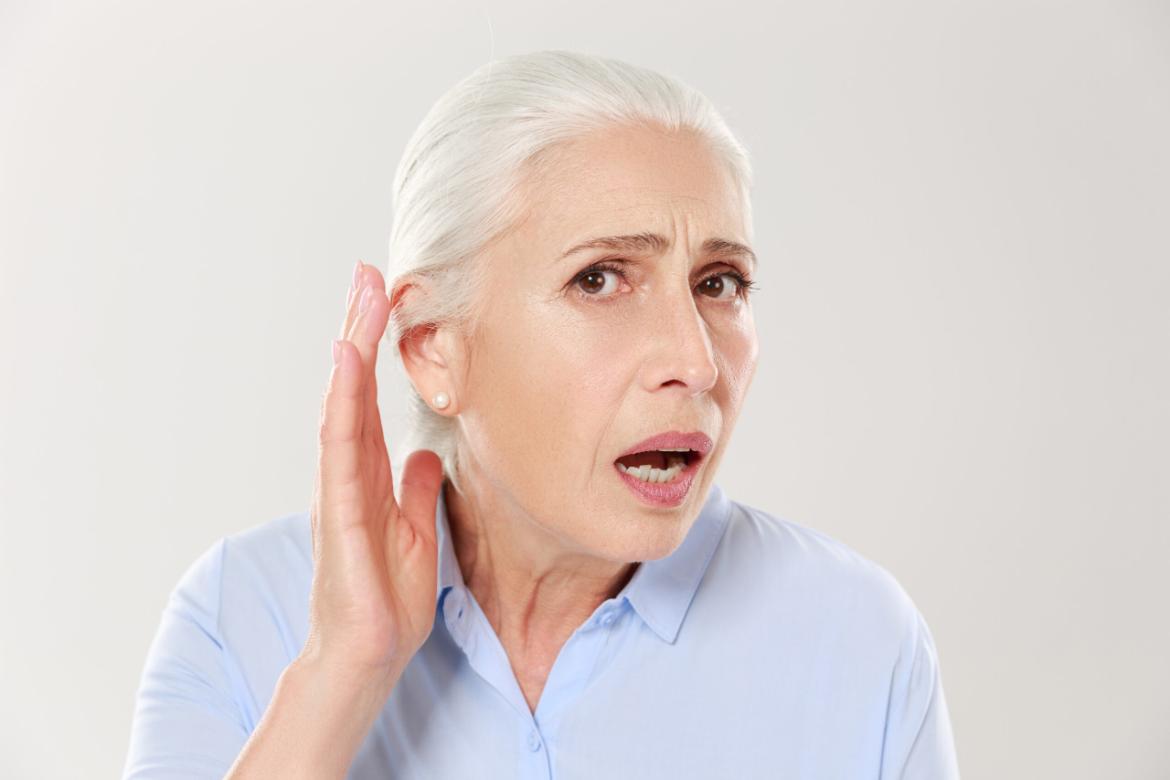
Hearing Loss
Hearing loss is the partial or complete loss of hearing. It causes a person to have difficulty perceiving sounds, speech, or other audio in their environment. Hearing loss usually occurs as a result of damage to the hearing organ (ear) or damage to the auditory nerve.
Hearing loss can be classified in different ways depending on its degree:
- Mild hearing loss: The person may have difficulty hearing speech and soft sounds in quiet environments and may have difficulty understanding, especially in noisy environments.
- Moderate hearing loss: A person has difficulty hearing sounds at normal conversational levels. This may lead to difficulties with speech and communication.
- Severe hearing loss : A person may have difficulty understanding loud conversations or sounds from close range. Communication is significantly affected, and hearing aids may be necessary.
- Profound hearing loss: A person has great difficulty perceiving even loud sounds. They may use alternative communication methods such as sign language or hearing aids.
Hearing Loss Symptoms
Hearing loss symptoms can vary from person to person and depend on the degree, cause, and duration of hearing loss. People with hearing loss may experience the following symptoms:
- Inability to hear speech and sounds clearly: People with hearing loss may have difficulty hearing high-frequency sounds, whispers, or distant voices. They may have difficulty understanding speech clearly.
- Frequent repetition or misunderstanding: People with hearing loss may frequently ask the speaker, “Can you repeat?” or misunderstand because they cannot hear what is being said correctly.
- Strained speech: Hearing loss can cause a person to be unable to hear themselves or others speak correctly. This can lead to difficulty maintaining the correct tone of voice and pronunciation when speaking.
- Listening to television or music at high volumes: People with hearing loss may tend to turn the television or music up louder because they cannot hear the sounds around them clearly.
- Social isolation: Hearing loss can negatively impact social interaction and communication. A person may avoid social events, withdraw from group conversations, and experience social isolation due to communication difficulties.
- Inability to hear ringtones, alarms, or phone calls: People with hearing loss may have difficulty hearing important sounds, such as ringtones, phone calls, or alarms.
- Tinnitus: Hearing loss can sometimes be associated with ringing in the ears. A person may hear noises in their ears, either constantly or intermittently.
These symptoms may occur simultaneously in a person with hearing loss, or some may be more pronounced. Recognizing the signs of hearing loss is crucial for early diagnosis and initiation of appropriate treatment. If you suspect signs of hearing loss, it's important to consult an audiologist or otolaryngologist. They can perform hearing tests to assess the severity and cause of hearing loss.
Degrees of Hearing Loss
Hearing loss is typically classified by degree, determined by hearing tests. The degree of hearing loss is determined by the difference between the sound level a person can hear and their normal hearing level. The rating is based on the following categories:
- Mild hearing loss: A hearing loss is classified as mild if it's between 26 and 40 decibels (dB). A person may have difficulty hearing sounds at normal conversational levels in quiet environments.
- Moderate hearing loss: A hearing loss between 41 and 70 dB is classified as moderate. The person may have difficulty hearing sounds at high speech levels.
- Severe hearing loss: Hearing loss is classified as severe if it's between 71 and 90 dB. The person may have difficulty hearing loud conversations or loud sounds.
- Profound hearing loss: A hearing loss is classified as profound if it is 91 dB or higher. The person may not be affected by very loud noise levels or vibrations and may be able to use sign language or hearing aids.
Degrees of hearing loss can also vary depending on the frequencies a person can hear and their speech understanding abilities. For example, some people may have more difficulty with certain frequencies while hearing better at others.
The degree of hearing loss is determined through hearing tests performed by an audiologist. These tests help assess a person's hearing threshold, audibility levels of sounds at different frequencies, and speech understanding skills. The degree of hearing loss is important in determining how a person can be supported with hearing aids or other hearing aids.
Causes of Hearing Loss
- Aging (Presbycusis): Hearing loss can occur with advancing age due to the natural aging process of the auditory system. This typically manifests as difficulty hearing high-frequency sounds.
- Genetic factors: Some types of hearing loss can be genetically inherited. This increases the likelihood of hearing loss occurring in people with a family history of hearing loss.
- Noise exposure: Continuous or high-volume exposure can damage the auditory nerves and the organs of hearing. Workers exposed to workplace noise are at risk of hearing loss if they don't wear hearing protection.
- Ear infections: Frequently recurring or untreated ear infections can affect the hearing organ and auditory nerves, causing temporary or permanent hearing loss.
- Medications: Certain medications, especially when used in high doses or for long periods, can cause hearing loss. Such medications include ototoxic drugs (for example, aminoglycoside antibiotics) and some chemotherapy drugs.
- Trauma: Serious trauma to the head or ear can cause hearing loss. Head injuries, explosions, or loud bangs can affect the hearing system.
- Congenital anomalies: Congenital anomalies that appear during infancy or childhood can cause hearing loss. For example, structural abnormalities in the inner ear, auditory nerve, or outer ear can cause hearing loss.
- Inner ear diseases: Structural or functional disorders of the inner ear can cause hearing loss. Examples include Meniere's disease, otosclerosis, or inner ear infections.
- Auditory neuropathy: Auditory neuropathy is a condition in which the auditory nerve malfunctions. It can cause hearing loss and difficulty understanding speech.
These are just a few examples of some of the causes of hearing loss. Hearing loss can have a single cause, or it can be caused by a combination of factors. It's important for individuals with hearing loss to be evaluated by an audiologist or otolaryngologist to determine the appropriate treatment options.
At What Ages Is Hearing Loss Most Common?
- Aging (Presbycusis): The risk of hearing loss increases with age. Age-related hearing loss, called presbycusis, usually begins after age 60 and is more commonly manifested by difficulty perceiving mid- and high-frequency sounds.
- Childhood: Hearing loss can occur from birth onward, even in childhood. This can be due to various factors, including genetics, infections, prematurity, medication use, or congenital anomalies. Congenital hearing loss is often diagnosed early and, if intervention is initiated, its negative impact on a child's language development and communication can be minimized.
- Young adulthood: Young adulthood is a period when hearing loss rarely occurs. However, in some cases, hearing loss can occur in young adults. For example, young adults who work in noisy environments or listen to loud music are at risk for hearing loss.
- Middle age: Middle age is a time when hearing loss is more common. Hearing ability can decline as a result of the aging process. Additionally, lifestyle factors, noise exposure, and other factors can increase the risk of hearing loss during middle age.
The prevalence and causes of hearing loss can vary depending on age. It's important to recognize the signs of hearing loss at any age. Early diagnosis and appropriate treatment can slow the progression of hearing loss and improve quality of life. It's recommended that individuals with suspected hearing loss consult an audiologist or otolaryngologist.
Hearing Loss Diagnosis
Hearing loss is the partial or complete loss of hearing ability. Hearing loss can result from various causes and can be classified in various ways. A hearing test is required to determine the type and degree of hearing loss. The following steps are generally followed to diagnose hearing loss:
- History and symptom assessment : A detailed history is taken, including the onset of hearing loss, the nature, severity, and duration of symptoms, and information is collected about how hearing loss affects daily life and current health status.
- Ear exam: An otolaryngologist or audiologist examines the ear to identify physical causes of hearing loss. This includes assessing the condition of the pinna, ear canal, and eardrum.
- Hearing tests: Hearing tests are used to assess a person's hearing ability. These tests measure the frequencies at which sounds are heard and their intensity. A test called audiometry is often used to determine a person's hearing level. In this test, the person wears headphones and reports the sounds they hear at different frequencies and intensities.
- Further testing: In some cases, further testing may be necessary to determine the cause of hearing loss. These may include tests such as auditory brainstem response (ABR), otoacoustic emissions testing (OAE), computed tomography (CT), or magnetic resonance imaging (MRI).
Factors such as the degree of hearing loss (mild, moderate, severe, or profound) and its type (conductive, sensorineural, or mixed) are determined. Once a diagnosis is made, appropriate treatment options and supportive measures, such as hearing aids, can be considered.
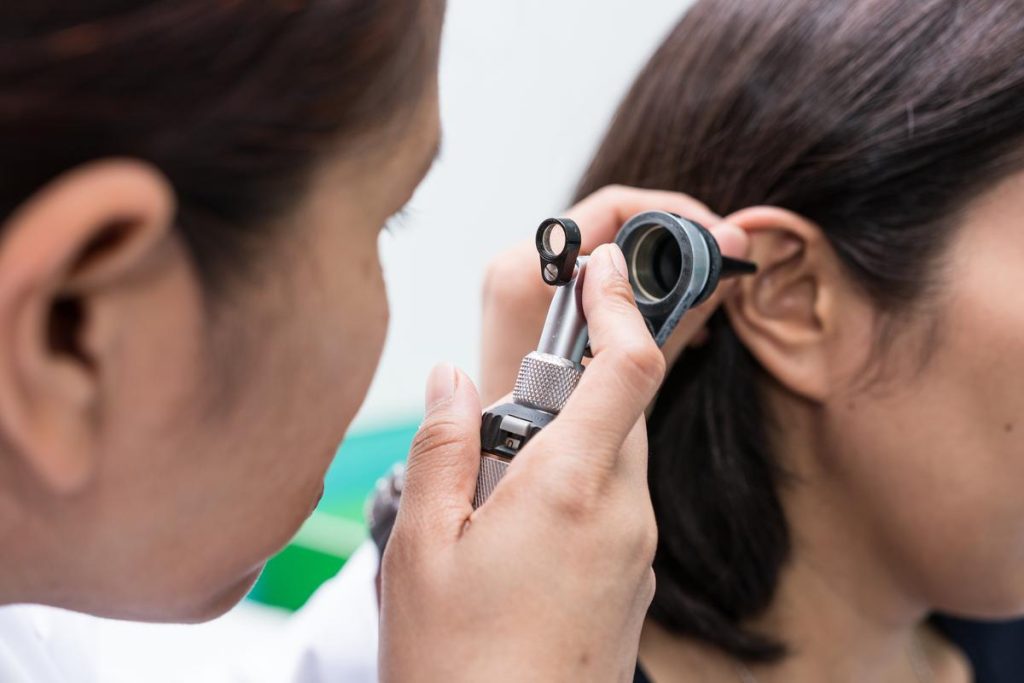
Hearing Loss Treatment Methods
Hearing loss is the partial or complete loss of hearing. Hearing loss treatment methods may vary depending on the cause, severity, and the individual's lifestyle. Some hearing loss treatment methods include:
- Hearing aids: Many people with hearing loss can benefit from hearing aids. They are used to enhance a person's hearing. They capture and amplify sound and are placed in or behind the ear, allowing the person with hearing loss to hear sounds more clearly.
- Cochlear implants: Cochlear implants may be used if hearing loss is caused by damage to the auditory nerve in the inner ear. This surgical procedure involves implanting a device in the inner ear. The device directly stimulates the auditory nerve and can help a person with hearing loss regain their hearing.
- Hearing rehabilitation: People with hearing loss may benefit from hearing rehabilitation programs. These programs may include exercises, communication strategies, and the use of hearing aids to teach people how to cope with hearing loss and improve their hearing skills.
- Sign language: People with hearing loss can communicate by learning sign language. Sign language uses gestures and hand signals to communicate. Learning sign language can strengthen the communication skills of people with hearing loss.
- Surgical interventions: Some causes of hearing loss may require surgery. For example, if the hearing loss is caused by a structural problem or blockage in the ear, surgery can correct these problems.
- Hearing protection devices : Hearing protection devices can be used to prevent hearing loss or to prevent existing hearing loss from worsening. These devices protect hearing in noisy environments or when exposed to high sound levels.
Hearing loss treatment methods vary depending on each individual's needs and circumstances. If you have hearing loss, it's important to consult an otolaryngologist or audiologist. They can recommend the most appropriate treatment methods and provide you with a personalized treatment plan.
What Precautions Should Be Taken Against Hearing Loss?
- Hearing protection: Avoiding exposure to high noise levels is important to prevent hearing loss. Hearing protection devices, such as earplugs or earplugs, should be worn in noisy environments.
- Controlling volume : Whenever possible, it's important to control volume levels at home, at work, or during leisure activities. Caution is especially important when listening to music through headphones or speakers, watching television, or attending events like concerts.
- Occupational health and safety: Employees working in noisy work environments must comply with occupational health and safety measures. It is important for employers to provide hearing protection and necessary training to employees.
- Beware of ear infections: Ear infections are a common cause of hearing loss. Earplugs or swim caps should be used to prevent water from entering the ears while swimming. If you experience symptoms of an ear infection, it's important to consult a doctor and seek appropriate treatment.
- Avoiding ototoxic substances : Some medications and chemicals can cause hearing loss. Therefore, it is important to follow your doctor's or healthcare professional's instructions when using prescription medications and chemicals.
- Healthy lifestyle: A healthy lifestyle also supports hearing health. A balanced diet, regular exercise, managing stress, and not smoking help protect hearing health.
- Periodic checkups: It's important to have your hearing checked regularly by an otolaryngologist. Periodic checkups can help detect hearing loss early and initiate treatment when necessary.
