


Skin Tags
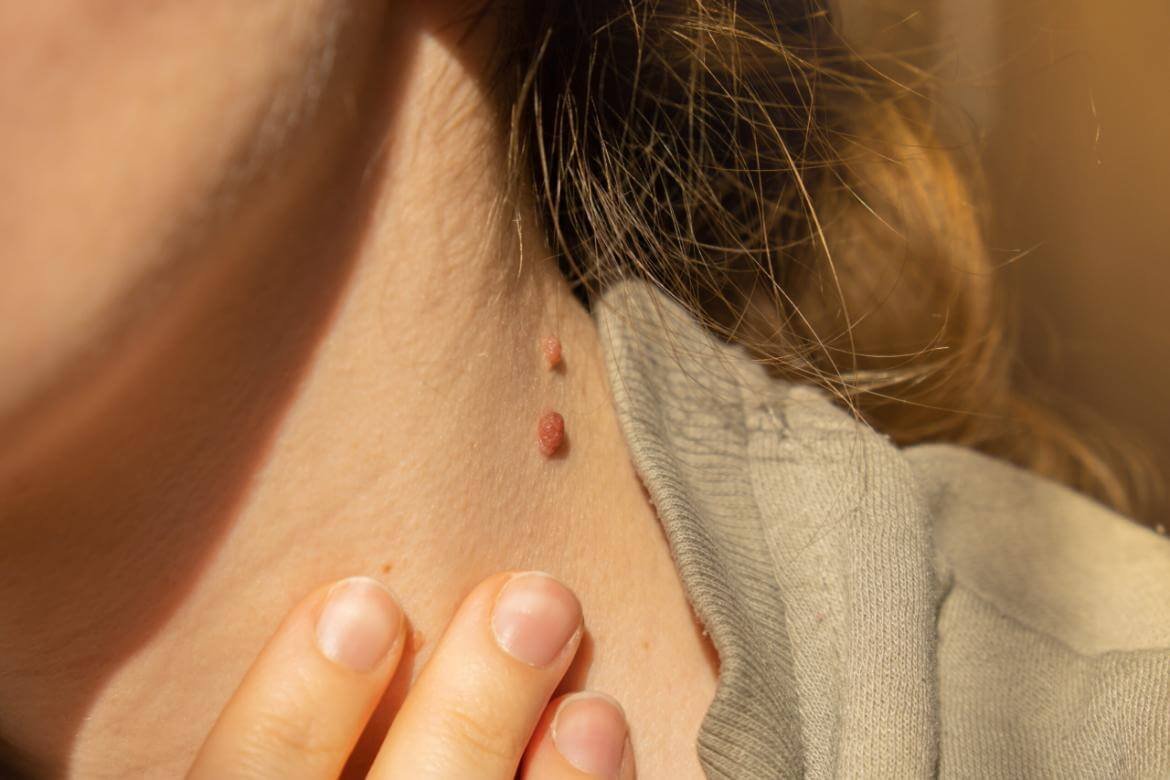
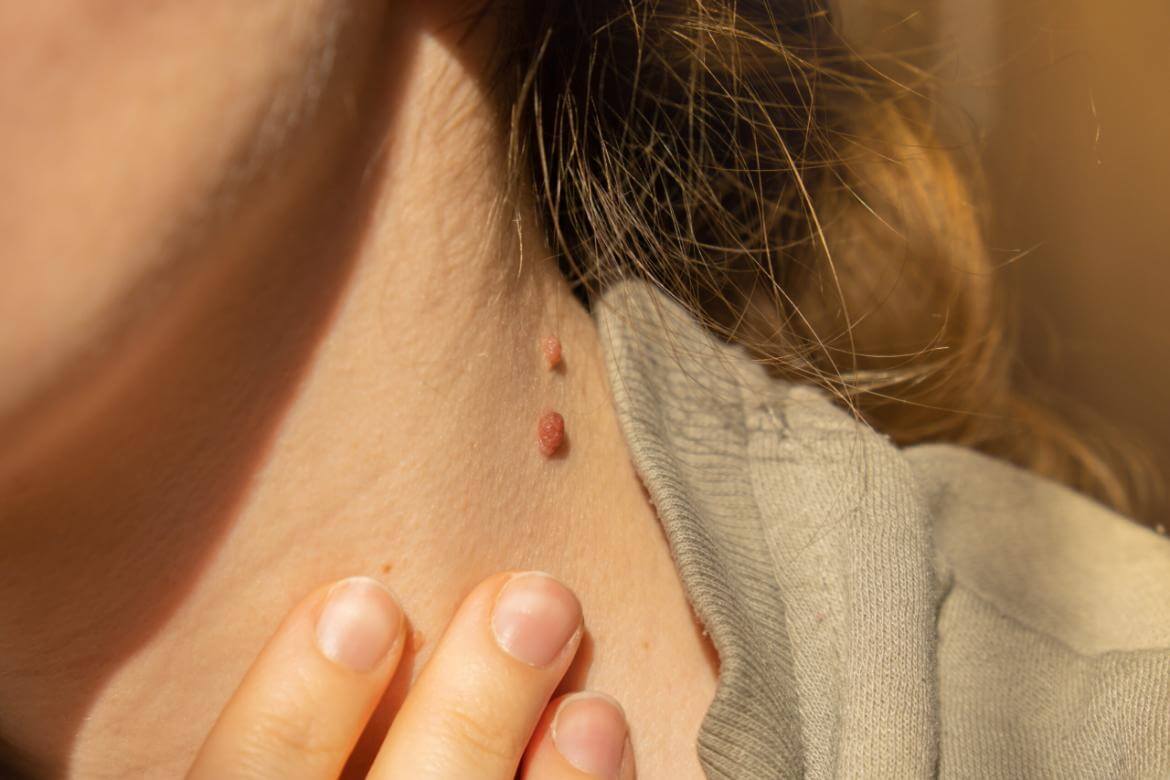
A skin tag is a type of skin lesion that is usually harmless, asymptomatic, and painless unless traumatized. It affects approximately one in four adults. Skin tags can vary in size from person to person and can range in size from the same area. For example, skin tags can range from 1 mm in diameter to several centimeters in size.
Skin tags typically begin to appear after age 20 and can grow larger or increase in number over time. However, skin tags are generally painless and are not prone to cancer. They are most often seen in skin folds, particularly in areas such as the neck and armpits. These types of skin tags are usually skin-colored and do not have a root beneath the skin.
While skin tags don't usually pose a medical problem, they can be aesthetically distressing. In these cases, they can be removed with or without surgery. Skin tag removal is known as a surgical procedure and is performed under local anesthesia. This procedure doesn't affect a person's daily life.
Why take me out?
- Aesthetic concerns: Skin tags can be aesthetically unsightly for some people. Skin tags, especially those located on highly visible areas like the face, neck, or hands, can affect a person's self-confidence. In these cases, skin tags may need to be removed.
- Friction and irritation: Skin tags can be irritated by physical influences, such as the constant friction of clothing or the pressure of jewelry. In this case, the tag can cause discomfort and itching. If the tag is constantly irritated or uncomfortable, removal may be an option.
- Risk of injury: Some skin tags can be found in areas where the body is constantly rubbed or touched. In this case, the tag may be more prone to injury and may bleed. Removal may be recommended if the tag is subject to repeated trauma, especially in areas where the skin folds.
- Growth and change: Skin tags usually grow slowly and don't change. However, in some cases, a skin tag can grow or change shape rapidly. In this case, it may need to be examined by a dermatologist and removed if necessary. Skin tags that grow or change may be a sign of a more serious problem, so it's important to have them checked by a doctor.
- Psychological effects: The presence of skin tags can have psychological effects on some people. For those who are constantly worried or uncomfortable about their skin tags, removing them can provide psychological relief.
The decision to remove skin tags often comes down to personal preference. If a skin tag bothers you or meets any of the above criteria, it's important to consult a dermatologist for an evaluation and to discuss appropriate treatment options.
How to distinguish a mole?
A skin tag is a skin lesion that typically appears as a distinct raised or discolored area on the skin, usually flat or slightly raised, oval or round in shape. It's important to consider the following factors when identifying skin tags:
- Color: Skin tags are usually skin-colored and can be brown or black. However, their color can vary depending on the individual and the mole's characteristics. Two or more colored moles, especially those with asymmetrical or abnormal colors, may be signs that require more careful evaluation.
- Shape and borders: Skin tags typically have a flat or slightly raised surface. They can be oval or round. The borders are usually smooth and well-defined. However, moles with irregular or jagged borders may be signs that require more careful evaluation by a dermatologist.
- Size: Skin tags can vary in size from person to person and depending on the type of mole. Some skin tags are very small, measuring 1 mm in diameter, while others can measure several centimeters. Generally, as they increase in size, they may become more noticeable.
- Symmetry: Skin tags are usually symmetrical, meaning the two halves are identical. Asymmetrical moles may have irregular or asymmetrical borders or color distribution, and these may be signs to watch out for.
- Change : It's typically normal for skin tags to remain unchanged or unchanged over time. However, in some cases, they can grow rapidly and change shape or color. Such changes may warrant more careful evaluation and referral to a dermatologist.
To accurately identify skin tags, it's recommended that they be examined by a dermatologist. A dermatologist can evaluate the mole's appearance and other symptoms, perform specialized testing such as dermatoscopy if necessary, and perform a biopsy to determine the type of mole. Accurate diagnosis is crucial for determining the specific mole and determining appropriate treatment options.
How to treat a mole?
Treatment for skin tags is generally considered if they are cosmetic or bothersome. Some treatment methods for skin tags include:
- Surgical removal: This method involves surgically removing the skin tag. It's a simple procedure performed under local anesthesia. The mole may require incision and stitches. Surgical removal is generally quick and effective, but because it's minor surgery, scarring or scarring may occur.
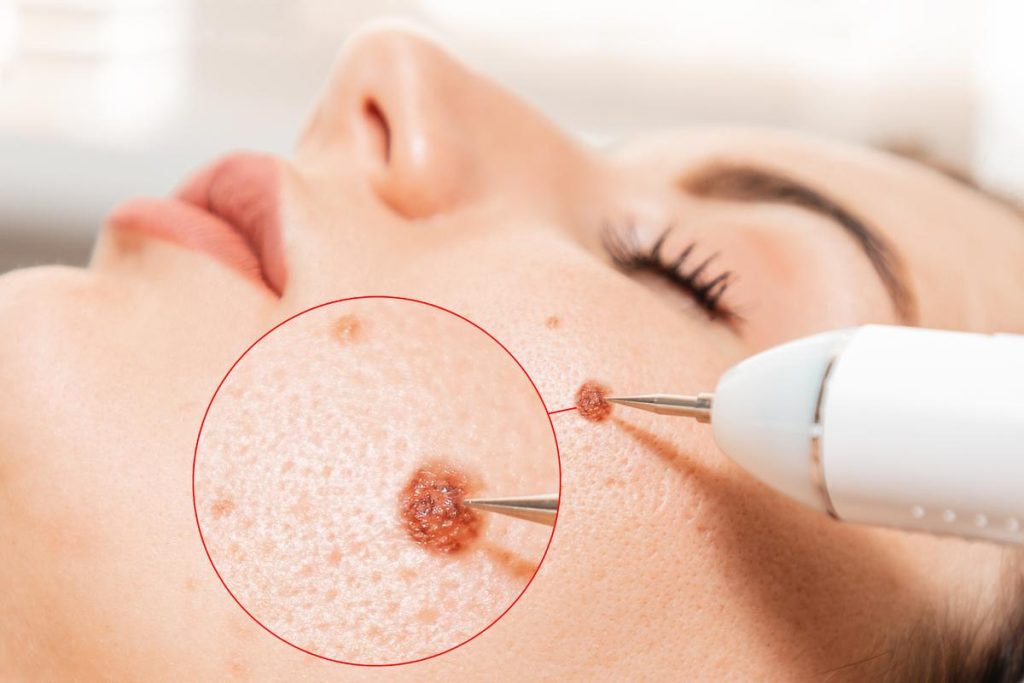
- Cauterization: A skin tag is burned using a device called electrocautery. This method superficially burns the tissue layer of the mole, removing it. Cauterization is generally suitable for small skin tags. Local anesthesia may be used during the procedure, and a slight burning or odor may occur. There is a risk of scarring or scarring after the procedure.
- Cryotherapy: A skin tag is frozen using liquid nitrogen. The frozen tissue will eventually fall off, and the tag will disappear. Cryotherapy is generally an effective treatment for small skin tags. A slight burning or tingling sensation may occur during the procedure. There may be some slight scabbing and redness after the treatment, but the risk of scarring is generally low.
- Laser treatment: Laser light is used to heat the targeted area of the skin tag, which then destroys it. Laser treatment is generally effective for small skin tags. A slight burning sensation may occur during the procedure, and redness or scabbing may occur afterward. Multiple sessions may be required, and there is a risk of slight scarring.
- Curettage: A skin tag is removed by scraping it off using a special tool or device. Curettage is generally suitable for small, flat skin tags. Local anesthesia may be used during the procedure, and there is a slight risk of scarring or scarring afterward.
Treatment methods for skin tags can vary depending on the type of mole, its size, location, and a person's preferences. It's important to consult a dermatologist to determine the most appropriate treatment option. A dermatologist will evaluate your skin tag and recommend the best treatment option for you.
What happens if the flesh breaks off?
Removing a skin tag involves physically destroying a lesion or tumor on the skin's surface. This can result in different outcomes depending on several factors:
- Bleeding: A skin tag breaking off can cause bleeding on the skin. However, small skin tags usually stop bleeding quickly due to superficial bleeding.
- Pain and discomfort: If a skin tag is removed, it may cause pain, tenderness, or discomfort in the area. However, not every skin tag causes pain, and in some cases, it may not cause any symptoms.
- Risk of infection: Rupture of a skin tag can disrupt the skin's natural barrier, increasing the risk of infection. This can allow bacteria or other pathogens to enter the wound. Signs of infection may include redness, swelling, inflammation, and fever. In these cases, medical attention is essential for both infection prevention and treatment.
- Scarring: If a skin tag is removed, a scar may form as the wound heals. The size and appearance of the scar can vary from person to person. Good wound care can help minimize the appearance of the scar.
Skin tags are generally harmless, but in some cases, they may require medical evaluation. If a skin tag becomes bothersome, grows rapidly, changes color or shape, or causes other symptoms, it is recommended to consult a dermatologist. The specialist will evaluate the situation and recommend appropriate methods for removing or treating the skin tag, if necessary. However, it is always safest and most appropriate to consult a doctor before removing a skin tag.
Wrong interventions on skin tags
Improper handling of skin tags can lead to conditions that could harm the skin tag's health or increase the risk of infection. Some examples of improper handling include:
- Self-picking: Picking at a skin tag with your fingers or a hard object can increase the risk of infection. It can also cause scarring and bleeding.
- Cutting or using sharp instruments: Cutting or removing a skin tag with sharp instruments can open a wound on the skin and increase the risk of infection. It can also accidentally cause serious injury or bleeding.
- Burning or Freezing: Some home cosmetic products or freezing sprays may claim to remove skin tags by burning or freezing. However, these methods can cause unhealthy tissue damage, scarring, and infection. These procedures should only be performed by a medical professional.
- Chemical use: Attempting to burn or remove skin tags with chemicals can cause severe burns, skin irritation, and infection. The use of such chemical products should only be done under the supervision of a medical professional.
- Squeezing or rubbing: Applying pressure to a skin tag by squeezing or rubbing can cause a wound to form and spread the cells within the tag. This can lead to the tag growing back or the formation of multiple moles.
When should I remove the mole?
- Aesthetic concerns : Skin tags can affect a person's appearance and be aesthetically unsightly. Skin tags, especially those located on highly visible areas like the face, neck, or hands, can affect a person's self-esteem. In these cases, the tag may need to be removed.
- Constant irritation or compression: Some skin tags can become constantly irritated or compressed under clothing or jewelry. In this case, removal may be a viable option to relieve discomfort.
- Growth or change: If a skin tag grows rapidly, changes color or shape, or causes symptoms (itching, bleeding, pain, etc.), it should be evaluated by a dermatologist. Such symptoms may indicate skin cancer or other skin conditions and may require medical attention.
- Diagnostic purposes: In rare cases, a skin tag may require pathological examination. Skin tags that appear particularly abnormal or have suspicious characteristics may be removed by a dermatologist for biopsy or other testing.
