


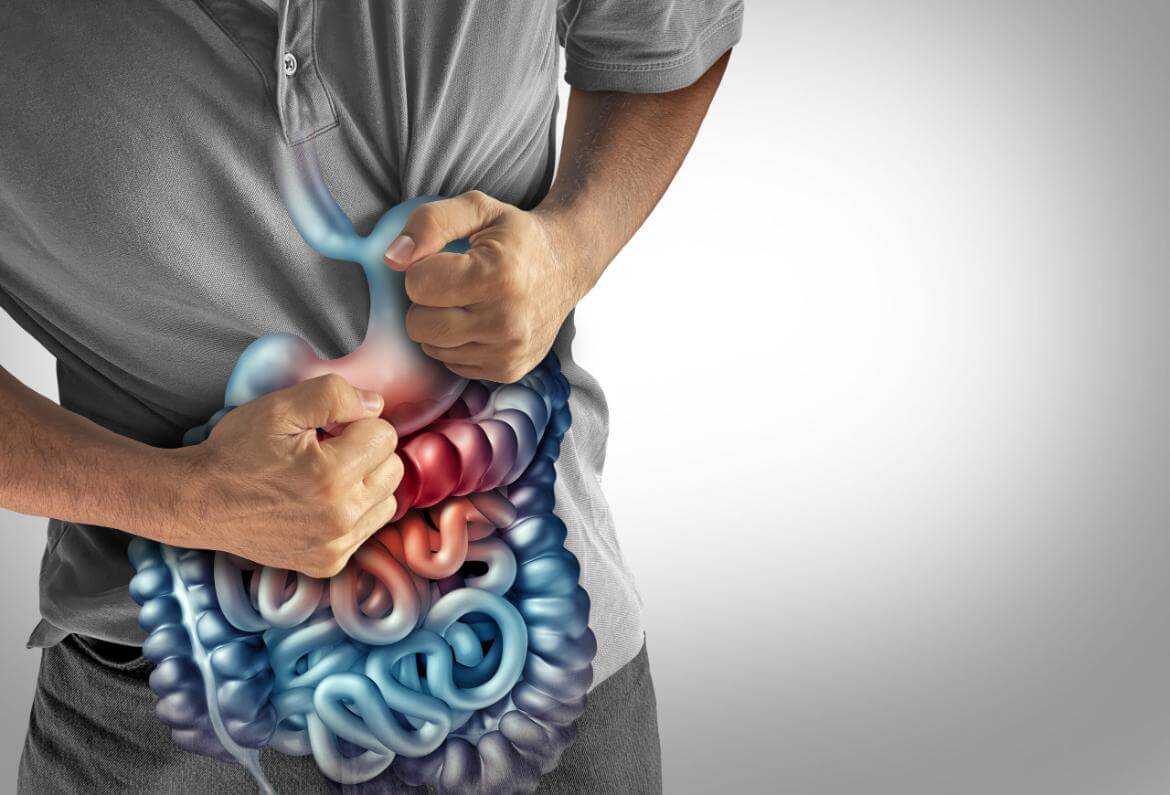
Gastroenteritis
Gastroenteritis is a digestive infection characterized by inflammation of the stomach and intestines. This condition can occur as a result of infection by viruses, bacteria, or parasites. Gastroenteritis is also commonly known as the " stomach flu ."
What are the symptoms of gastroenteritis?
Gastroenteritis symptoms can vary, often depending on the type and severity of the infection. However, common symptoms of gastroenteritis can include:
- Diarrhea: Watery, frequent, or loose stools. In gastroenteritis, the frequency of bowel movements often increases, and blood or mucus may be present in the stool.
- Vomiting: Recurrent vomiting accompanied by a feeling of nausea.
- Abdominal pain: A feeling of discomfort or pain in the abdominal area that can be severe or mild.
- Nausea: Feeling queasy and not wanting to eat or drink anything.
- Fever: Depending on the severity of the infection, fever may rise. In cases of gastroenteritis with high fever, the risk of dehydration may increase.
- Weakness and fatigue : Infection can weaken the body and lower energy levels.
- Headache: Headache may occur with infection.
- Muscle aches: Some people may experience muscle aches during gastroenteritis.
Gastroenteritis symptoms are usually mild to moderate and may last a few days. However, in some cases, symptoms can be more severe, increasing the risk of dehydration. Dehydration can be a serious problem, especially for children, the elderly, and those with weakened immune systems.
Why does gastroenteritis occur?
- Viral infections : Viruses such as norovirus and rotavirus are the most common causes of gastroenteritis. These viruses can be transmitted through contact with the feces or vomit of an infected person. Consuming contaminated water or food can also cause viral gastroenteritis.
- Bacterial infections: Bacteria such as Salmonella, Escherichia coli (E. coli), Campylobacter, Shigella, and Yersinia can cause gastrointestinal infections. These bacteria can be transmitted through factors such as consuming contaminated food or living in unhygienic conditions.
- Parasitic infections: Parasites such as Giardia lamblia, Cryptosporidium, and Entamoeba histolytica can cause intestinal infections. These parasites can be transmitted through contaminated water or food.
- Toxins: Gastroenteritis can sometimes be caused by consuming toxins produced by bacteria or parasites found in foods. For example, toxins produced by certain bacteria can cause food poisoning.
Gastroenteritis is transmitted through contact with infected individuals, consumption of contaminated water or food, unhygienic conditions, and poor sanitation. Therefore, adopting hygienic practices is important to reduce the risk of infection.
Who gets gastroenteritis?
Gastroenteritis can occur in all age groups, but certain groups are more susceptible to infection. People who are more likely to get it include:
- Children: Children under 5 are particularly susceptible to gastroenteritis because their immune systems are not yet fully developed. Rotavirus infections are the most common cause of gastroenteritis in children.
- Elderly: Older adults often have weaker immune systems and more sensitive digestive systems. Therefore, gastroenteritis in older adults can present with more severe symptoms and be at increased risk of dehydration.
- People with weakened immune systems: People with weakened immune systems, such as those with HIV/ AIDS , cancer patients, organ transplant recipients, or those taking medications that suppress the immune system, are more susceptible to gastroenteritis and may develop more serious infections.
- People living in congregate settings: People living in places like schools, dormitories, military camps, nursing homes, and other congregate settings are more prone to gastroenteritis outbreaks. It can spread easily between infected individuals, and unhygienic conditions increase the risk of infection.

How is gastroenteritis diagnosed?
- Symptom assessment: Your doctor will listen to your symptoms and ask how long they've been going on, how severe they are, and any triggers. It's important to provide detailed information about symptoms such as diarrhea, vomiting, abdominal pain, and fever.
- Physical exam: Your doctor will check your abdomen and look for signs of your symptoms. Abdominal tenderness, bloating, and other symptoms may be noted during the physical exam.
- Laboratory tests: A stool sample may be collected to diagnose gastroenteritis infection. A stool analysis can help determine whether the infection is caused by viruses, bacteria, or parasites. Blood tests may also be performed to assess the severity of the infection and factors such as electrolyte balance.
- Imaging tests: In rare cases, if symptoms are severe and suggest complications, the doctor may use additional imaging tests such as ultrasound, X-ray, or CT scan.
How is gastroenteritis treated?
Gastroenteritis treatment focuses on relieving symptoms, maintaining hydration, and controlling the infection. Common methods used in the treatment of gastroenteritis include:
- Hydration: Gastroenteritis can cause dehydration, so it's important to maintain adequate fluid intake. Watery stools and vomiting can increase fluid loss. Oral rehydration solutions containing electrolytes or watery drinks can be recommended for hydration. Drinking small, frequent fluids can help prevent dehydration.
- Diet: During gastroenteritis, the stomach and intestines can be sensitive, so certain foods can worsen symptoms. Initially, it's important to cut back on food for a while and consume only light, easy-to-digest foods. These can include foods like rice, potatoes, bananas, yogurt, and soup. Once symptoms improve, you can return to your normal diet.
- Medications to Relieve Symptoms: Your doctor may prescribe medications to relieve symptoms if necessary. For example, antiemetics (medicines that prevent vomiting) can control vomiting. Antidiarrheals (medicines that prevent diarrhea) can reduce diarrhea. However, it's important to consult your doctor before using these medications.
- Rest: Make sure to rest to help your body recover. Avoid strenuous activity and get enough restful sleep.
- Controlling the Infection: Depending on whether your gastroenteritis is caused by a virus, bacteria, or parasite, your doctor may prescribe specific measures to control the infection. For example, antibiotics are only effective against bacterial infections and are not used for viral gastroenteritis.
How long does gastroenteritis last? When should you see a doctor?
The duration of gastroenteritis can vary from person to person and depending on the type of infection. Generally, gastroenteritis symptoms last from a few days to a week. However, in some cases, symptoms can last longer. You should see a doctor if:
- Severe symptoms: If you have severe symptoms such as severe abdominal pain, severe and persistent vomiting, high fever, or bloody or black stools, you should contact a healthcare professional.
- Signs of dehydration : Dehydration can occur during gastroenteritis, increasing the risk of dehydration. Signs of dehydration include extreme thirst, dry mouth, decreased urine output, dark urine, weakness, dizziness, and fainting. If you experience symptoms of dehydration, it's important to see a healthcare professional immediately.
- High-risk groups : Children, the elderly, people with weakened immune systems, and those with chronic health conditions may be more susceptible to gastroenteritis. If you are in these groups, it's important to consult a doctor early, even if your symptoms are severe.
- Prolonged symptoms: If your symptoms persist for more than a week, it's important to see a doctor. Prolonged symptoms may indicate an underlying health problem and require evaluation to ensure appropriate treatment.
While gastroenteritis is usually a mild illness, it can sometimes lead to serious symptoms and complications. Therefore, it's important to consult a healthcare professional if you think your symptoms are severe or if you're experiencing signs of dehydration.
What should be done for gastroenteritis?
- Stay hydrated. It's important to drink enough fluids.
- Adjust your diet. Your digestive system can be sensitive due to diarrhea and vomiting. Therefore, it's important to cut back on food for a while at first and only consume light, easy-to-digest foods.
- Use medications to relieve symptoms. You can use appropriate medications to relieve symptoms after consulting your doctor.
- Make sure you rest. Take time to rest to help your body recover. Avoid strenuous activity and get enough restful sleep.
- Observe hygiene precautions. Gastroenteritis is usually transmitted through infection, so it's important to observe hygiene precautions.
- Keep your distance. If possible, avoid close contact with people who have the virus.
