


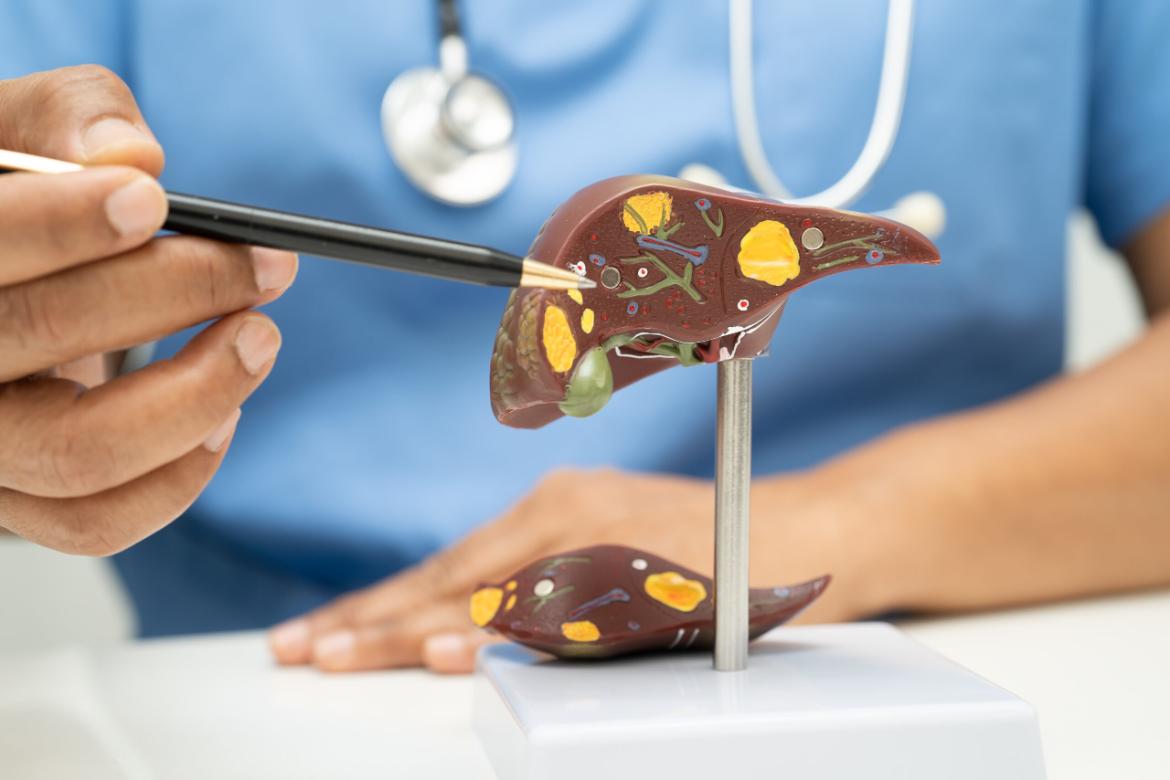
Gallbladder Inflammation (Cholecystitis)
Gallbladder inflammation , medically known as cholecystitis , is inflammation of the gallbladder. It is usually caused by gallstones. Gallstones are small crystal-like structures formed by bile salts, cholesterol, and other substances accumulated in the gallbladder. If gallstones block the bile duct, the amount of bile accumulated in the gallbladder increases, which can lead to infection and inflammation.
The most common cause of gallbladder inflammation (cholecystitis) is gallstones. Gallstones are small crystal-like structures formed by bile salts, cholesterol, and other substances that accumulate in the gallbladder. Gallstones can block the bile duct, obstructing bile flow and causing inflammation in the gallbladder. Other factors that can cause gallbladder inflammation include:
- Obstruction of the gallbladder duct: The gallbladder duct can become blocked for reasons other than gallstones. For example, bile accumulated in the gallbladder can block the duct, or inflammation of the gallbladder tissues can cause the duct to narrow.
- Infection: Infections in the gallbladder can cause inflammation. These infections are usually caused by bile buildup due to gallstones or an obstruction.
- Trauma or injury: Trauma or injury to the abdominal area can cause inflammation of the gallbladder. For example, a blow to the abdomen from an accident or injury to the gallbladder during surgery can increase the risk of cholecystitis.
- Bacterial infections: In rare cases, gallbladder inflammation can be caused by bacterial infections. These infections usually occur as a result of the spread of another infection.
- Immune system problems: Certain immune system diseases can cause gallbladder inflammation. For example, autoimmune hepatitis or inflammatory bowel disease can cause gallbladder inflammation.
Symptoms of Gallbladder Inflammation
- Abdominal pain: Cholecystitis can cause severe abdominal pain, one of the most prominent symptoms. The pain is usually felt in the upper right abdomen, where the gallbladder is located. The pain usually begins suddenly and can be constant or intermittent. The pain may worsen after consuming fatty or spicy foods.
- Nausea and vomiting: Cholecystitis can cause nausea and vomiting. These symptoms are particularly pronounced when the pain is severe and affects the stomach.
- Fever: Gallbladder inflammation often causes a fever. This rise in body temperature indicates the presence of an infection.
- Jaundice: In rare cases, gallbladder inflammation can lead to jaundice due to bile duct obstruction. Jaundice manifests itself with symptoms such as yellowing of the skin and eyes, dark urine, and light-colored stools.
- Loss of appetite: Cholecystitis can cause loss of appetite. Symptoms such as abdominal pain, nausea, and vomiting can reduce appetite.
These symptoms may be associated with gallbladder inflammation, but they can vary from person to person. If gallbladder inflammation is suspected, it is important to consult a healthcare professional.
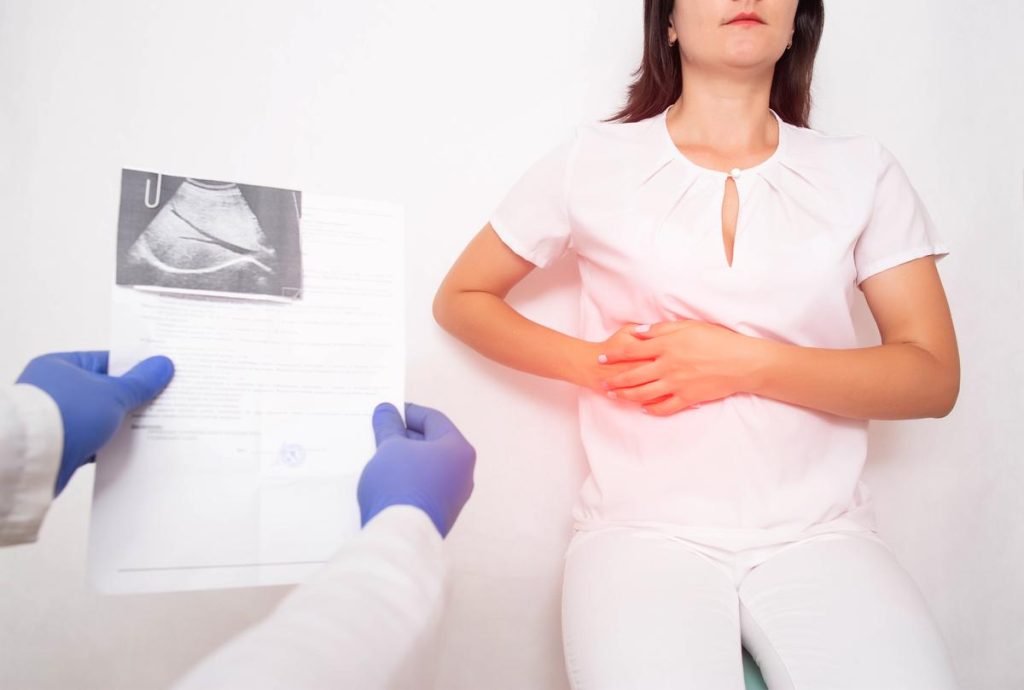
How is gallbladder inflammation diagnosed?
During a hospital evaluation, the doctor listens to the patient's symptoms and takes a medical history. They will obtain detailed information about symptoms such as abdominal pain, nausea, and vomiting. They will also gather information about the patient's medical history, medications, and any other health problems.
Afterward, the doctor performs a physical examination of the patient's abdomen, assessing the location, severity, and tenderness of the pain. He or she will also look for signs of abdominal swelling, tenderness, or infection.
Blood tests are done to evaluate inflammation and infection. These tests may include a complete blood count, liver function tests, and levels of gallbladder-related enzymes.
Diagnosis of gallbladder inflammation is usually confirmed with imaging tests. The most commonly used methods include:
- Ultrasound : Used to visualize the gallbladder and bile ducts. Ultrasound is an effective method for detecting gallstones, inflammation of the gallbladder, or other structural problems.
- Computed tomography (CT): Used to produce more detailed images. A CT scan may be used to evaluate gallbladder inflammation, a blockage, or other problems.
- Magnetic resonance cholangiopancreatography (MRCP): Used to obtain detailed images of the bile ducts and gallbladder.
In rare cases, other tests may be performed to confirm the diagnosis or determine the cause of gallbladder inflammation. These may include endoscopic retrograde cholangiopancreatography (ERCP) or cholecystography, which involves inserting a tube into the gallbladder.
How is gallbladder inflammation treated?
Treatment for gallbladder inflammation (cholecystitis) may vary depending on the severity of symptoms, the extent of inflammation, the patient's overall health, and other factors. Treatment options may include:
- Medication: In mild or moderate cases of gallbladder inflammation, antibiotics may be prescribed to relieve symptoms and control the infection. Pain relievers or antispasmodic medications may also be used to relieve pain.
- Hospitalization: Severe gallbladder inflammation or complications may require hospitalization. Hospitalization may include intravenous antibiotics, pain control, fluid therapy, and other supportive measures. Hospitalization may also be an option in cases where surgery may be necessary.
- Gallbladder surgery: The most common treatment for gallbladder inflammation is surgical removal of the gallbladder, a procedure called a cholecystectomy. Gallbladder surgery is usually performed laparoscopically (closed surgery), but in some cases, open surgery may be necessary. Following surgery, bile ducts may also need to be corrected if there is a blockage from gallstones or other problems.
- Endoscopic treatment: In rare cases, endoscopic procedures may be used to treat gallbladder inflammation. These may include gallbladder drainage, endoscopic removal of gallstones, or bile duct dilation.
Treatment options may vary depending on the individual patient's condition. If you are diagnosed with gallbladder inflammation, your doctor will evaluate your symptoms and test results to determine the most appropriate treatment option. It's important to follow your doctor's recommendations and schedule regular checkups throughout the treatment process.
Is it possible to prevent gallbladder inflammation?
Yes, it's possible to prevent gallbladder inflammation by taking certain precautions. Here are some steps that can help prevent gallbladder inflammation:
- A healthy diet: Developing healthy eating habits can help maintain gallbladder health. Eating low-fat, high-fiber foods can reduce the formation of gallstones. It's also important to maintain a healthy weight and limit weight gain.
- Fluid intake: Drinking enough water can help maintain healthy gallbladder function. Fluid intake regulates bile flow and may reduce the formation of gallstones.
- Regular exercise: Exercising regularly can help with weight control and increase bile flow. Aerobic exercise, especially activities like walking, running, or swimming, can be beneficial for gallbladder health.
- Eating slowly and regularly: Eating slowly and regularly can help your gallbladder function properly. Eating quickly can put too much pressure on your digestive system and affect your gallbladder.
- Avoiding excessive alcohol consumption: Excessive alcohol consumption can harm gallbladder health. Limiting alcohol consumption, or avoiding it altogether if possible, can reduce the risk of gallbladder inflammation.
- Maintaining a healthy weight: Maintaining a healthy weight is important for maintaining gallbladder health. Being overweight or obese can increase the risk of gallstones.
- Controlled diabetes: For people with diabetes, keeping blood sugar levels under control is important for gallbladder health. Diabetes can increase the risk of gallstones.
- Stress management: Chronic stress can affect gallbladder function. It's important to use strategies like relaxation techniques, meditation, or exercise to manage stress.
Complications of Gallbladder Inflammation
If gallbladder inflammation is left untreated or mismanaged, various complications can arise. Possible complications of gallbladder inflammation include:
- Gallbladder empyema: If a bacterial infection progresses in an inflamed gallbladder, a serious condition called gallbladder empyema can develop. In this condition, pus accumulates within the gallbladder and may require immediate medical attention.
- Bile duct obstruction: Gallbladder inflammation can lead to bile duct obstruction due to gallstones or inflammation. This obstructs bile flow and increases bile accumulation in the gallbladder and liver. Bile duct obstruction can exacerbate gallbladder inflammation and lead to biliary cholecystitis, a serious condition called bile duct infection.
- Biliary peritonitis: In cases of gallbladder inflammation, pus from the gallbladder can leak into the peritoneum, the membrane surrounding the gallbladder. This condition is called biliary peritonitis and can lead to a serious infection. Biliary peritonitis requires immediate medical attention.
- Gallbladder fistula: Gallbladder inflammation can progress, causing a fistula (a pathological connection) between the gallbladder and surrounding tissues. In this case, bile can leak into other organs or cavities, causing infections, abscesses, or other serious complications.
- Gallbladder gangrene: As gallbladder inflammation progresses, blood flow to the gallbladder can be disrupted, leading to tissue death (gangrene). Gallbladder gangrene is a serious condition that requires immediate surgery.
These complications highlight the seriousness of gallbladder inflammation and the need for treatment. Individuals with symptoms of gallbladder inflammation or risk factors should contact a healthcare professional immediately and receive a professional evaluation for appropriate diagnosis and treatment.
