


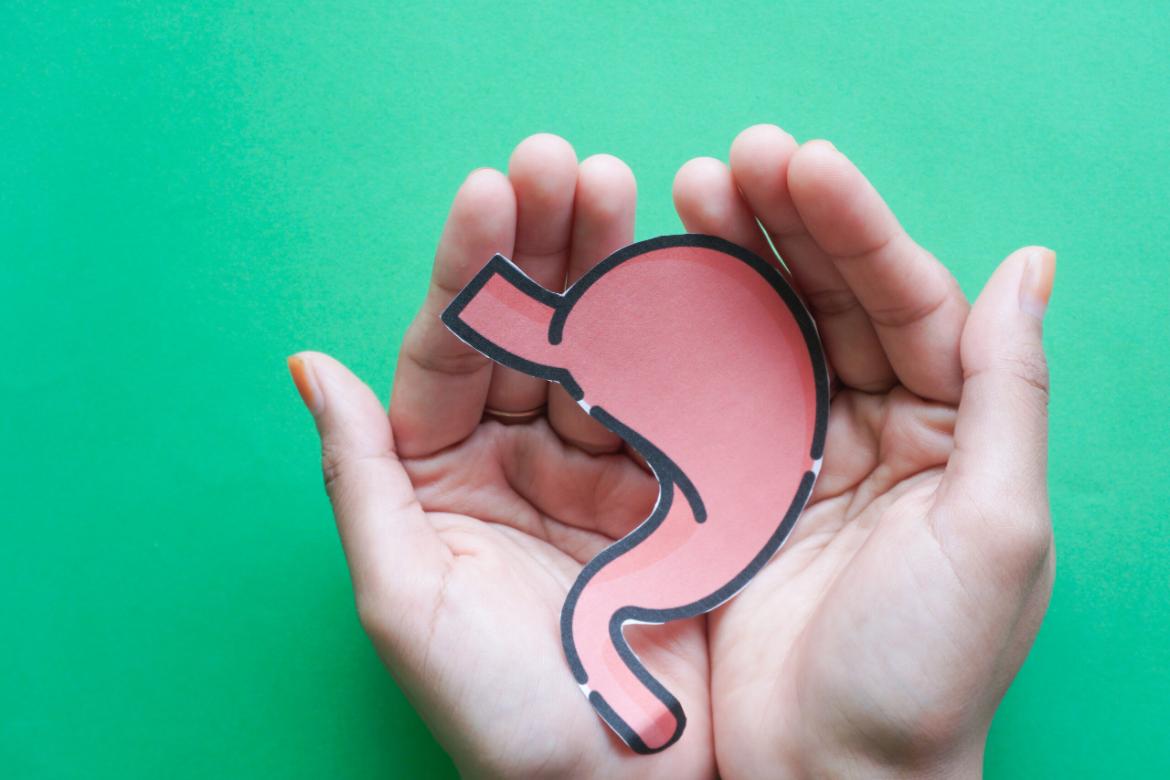
Gastritis (Stomach Inflammation)
Gastritis is an inflammation of the mucosal layer lining the stomach. The mucosa acts as a protective layer that protects against the harmful effects of stomach acid and digestive enzymes. However, in some cases, the stomach mucosa can become inflamed, causing gastritis.
Gastritis can be acute or chronic. Acute gastritis occurs suddenly and usually lasts for a short time. The most common causes are nonsteroidal anti-inflammatory drugs (NSAIDs), excessive alcohol consumption, stress, viral infections, or other substances that irritate the stomach.
Chronic gastritis, on the other hand, is a long-term condition characterized by persistent or recurring stomach inflammation. There are several subtypes of chronic gastritis, the most common being gastritis caused by the bacterium Helicobacter pylori. Other causes may include autoimmune diseases, chronic exposure to substances that damage the stomach lining, dietary factors, and long-term use of certain medications.
What causes gastritis?
Gastritis can be caused by a variety of factors. Some common causes that contribute to the development of gastritis include:
- Helicobacter pylori infection: This bacterium can infect the stomach lining, causing gastritis. H. pylori infection is a common cause of gastritis.
- Nonsteroidal anti-inflammatory drugs (NSAIDs): NSAIDs such as aspirin, ibuprofen, and naproxen are frequently used for their pain-relieving and anti-inflammatory properties. However, long-term or high-dose use can irritate the stomach lining and lead to gastritis.
- Alcohol consumption: Excessive alcohol consumption can irritate the stomach lining and cause inflammation. In addition to alcohol, some acidic drinks can also irritate the stomach.
- Autoimmune diseases: Some autoimmune diseases can cause the immune system to attack the body's own cells. In this case, the immune system can attack the stomach lining, causing inflammation.
- Nutritional factors: Factors such as poor eating habits, consumption of excessively spicy or fatty foods, and inadequate fiber intake may contribute to irritation of the gastric mucosa and the development of gastritis.
- Smoking: Smoking is a factor that can irritate the gastric mucosa and cause gastritis.
- Acid reflux: Stomach acid flowing back into the esophagus can cause irritation and gastritis in the transition area between the esophagus and stomach.
- Stress: Severe or prolonged stress can increase the secretion of stomach acid and irritate the gastric mucosa.
The causes of gastritis can be complex and sometimes result from a combination of factors. The causes can vary from person to person, and it's important to consult a doctor to determine the factors influencing gastritis in a particular case.
How to prevent gastritis?
Gastritis is an inflammation of the stomach lining. The following methods may be helpful for preventing gastritis:
- Healthy diet: Adopting a regular, balanced diet can reduce the risk of gastritis. It's important to avoid fatty, spicy, and acidic foods that can irritate the stomach. Additionally, eating foods like fresh vegetables, fruits, whole grains, and low-fat protein sources is beneficial for stomach health.
- Regular mealtimes: Keeping regular mealtimes can help promote proper stomach acid secretion. Irregular and intermittent eating can put unnecessary stress on the stomach and increase the risk of gastritis.
- Avoiding smoking and alcohol: Smoking and excessive alcohol consumption can irritate the stomach lining and increase the risk of gastritis. Therefore, it's important to avoid smoking and limit alcohol consumption, or avoid it altogether if possible.
- Stress management: Stress can increase stomach acid secretion and trigger gastritis symptoms. It's important to reduce stress through stress management techniques, such as yoga, meditation, deep breathing exercises, or hobbies.
- Proper use of medications: It's important to consult your doctor before taking medications that can irritate the stomach, such as pain relievers like aspirin or nonsteroidal anti-inflammatory drugs (NSAIDs), on a regular or long-term basis. It's also important to follow dosage instructions when using medications prescribed by your doctor.
- Treating Helicobacter pylori infection: Helicobacter pylori is an infection caused by the bacterium Helicobacter pylori, which can cause gastritis and peptic ulcers. It's important to see your doctor and receive appropriate antibiotic treatment for this infection.
What are the symptoms of gastritis?
Symptoms of gastritis can vary from person to person, and some people may experience mild symptoms while others experience more severe ones. Common symptoms of gastritis may include:
- Stomach pain: Burning, discomfort, or pain in the stomach area is often the most common symptom of gastritis. This pain can be felt in the upper stomach or chest area and can sometimes radiate to the back.
- Indigestion : Digestive problems such as heartburn, bloating, gas, nausea, or vomiting may be associated with gastritis.
- Loss of appetite: Another symptom of gastritis is a decreased or loss of appetite. Feelings of stomach discomfort can reduce the desire to eat.
- Nausea and vomiting : Gastritis can cause nausea and even vomiting in some people.
- Burping and acid reflux : Acid reflux symptoms may be experienced due to increased acid levels in the stomach, burping, or acid leaking back from the stomach into the esophagus.
- Bleeding: Some types of gastritis can cause irritation and bleeding in the stomach lining. This can lead to symptoms such as dark or bloody vomit and black stools.
The symptoms of gastritis can sometimes be associated with other stomach conditions, so it is important to consult a doctor for proper diagnosis and treatment.
How is gastritis diagnosed?
When gastritis is suspected, the doctor first listens to the patient's symptoms and complaints and evaluates the possibility of gastritis. Information is obtained regarding the duration, severity, and triggering factors of the symptoms. Following this, the doctor performs a physical examination, palpating the stomach area and performing a general physical examination to rule out other potential causes.
Although a person may suspect gastritis after examination, they may request one or more of several tests to determine the exact cause. Blood tests may be performed to look for infection or other inflammatory markers. These tests may include a complete blood count, C-reactive protein ( CRP ) levels, liver function tests, and blood antibody tests to detect Helicobacter pylori infection.
To examine a person's upper digestive system, a doctor uses a flexible tube (endoscope) to examine the stomach and esophagus. This examines the stomach lining and can detect any inflammation, sores, or lesions. Additionally, a tissue sample (biopsy) can be taken during the endoscopy, which can be used to determine the type of gastritis and rule out other possible conditions.
In addition to endoscopy , imaging tests such as gastric emptying scintigraphy or upper gastrointestinal series may sometimes be used. These tests can help assess gastric motility and emptying rate.

How is gastritis treated?
Treatment for gastritis can vary depending on the underlying cause and the severity of symptoms. Treatment generally aims to relieve symptoms, heal the stomach, and prevent recurrence. Some common gastritis treatments include:
- Medication: Depending on the type of gastritis, your doctor may prescribe medications such as antacids, H2 blockers, proton pump inhibitors (PPIs), or gastroprotective medications. These medications relieve symptoms by regulating stomach acid and protecting the stomach lining.
- Treating Helicobacter pylori infection: Helicobacter pylori infection can cause gastritis. In this case, your doctor may recommend antibiotic treatment. Antibiotics are used to clear the infection and are often taken in combination with proton pump inhibitors and other medications.
- Dietary adjustments: Diet is also important in the treatment of gastritis. Measures such as avoiding irritating foods, acidic and spicy foods, avoiding caffeine and alcohol, and consuming small, frequent meals can be helpful. Creating a suitable diet plan with the guidance of a dietitian can be helpful.
- Stress management: Stress can worsen gastritis symptoms. To reduce stress, you can practice stress management techniques such as relaxation techniques, meditation, yoga, or exercise.
- Avoiding smoking and alcohol: Smoking and drinking excessive amounts of alcohol can worsen gastritis. Therefore, it's important to quit or reduce smoking and limit alcohol consumption.
- Proper use of medications: It's important to avoid regular, long-term use of medications, such as painkillers or NSAIDs, which can trigger gastritis symptoms. It's important to use medications according to your doctor's instructions.
What foods are good and not good for gastritis?
Foods that are good for gastritis:
- Fibrous foods
- Protein
- Fermented foods
- Ginger
- Herbal teas
- Coconut oil
Foods that may not be good for gastritis or may worsen symptoms:
- Spicy and hot foods
- Acidic foods
- Caffeine
- Alcohol
- Fatty and fried foods
- Acidic foods like tomatoes
- All kinds of processed foods
How should gastritis patients eat? How is a gastritis diet made?
A gastritis diet should include foods that don't irritate the stomach, balance acid levels, and soothe the digestive system. Recommended dietary guidelines for gastritis patients:
Choose soft and easy-to-digest foods:
- Boiled vegetables (carrots, zucchini, potatoes, etc.),
- Cooked or steamed white meat (chicken, turkey),
- Scrambled eggs,
- White bread or whole grain bread (consume in small amounts),
- Cereals such as oatmeal or rice,
- Low-fat dairy products (yogurt, cheese),
- Boiled or steamed fish.
Consume high-fiber foods:
- Fresh vegetables (broccoli, spinach, cabbage),
- Fruits (apples, pears, bananas),
- Whole grains (whole wheat bread, oatmeal),
- Dried legumes (lentils, chickpeas),
- Fiber-rich foods can alleviate symptoms by regulating the digestive system.
Consume probiotic foods:
- Yogurt,
- Kefir,
- Pickle,
- Fermented foods (kimchi, miso).
Limit fat intake:
- Avoid heavy fatty foods,
- Avoid fried foods, fatty meats and fatty sauces,
- Choose healthy oils like olive oil or avocado.
Avoid spicy and acidic foods:
- Hot peppers, spices, hot sauces,
- Acidic foods such as lemon, orange, and tomatoes can irritate the stomach.
Consume meals regularly and in small portions:
- Eating small amounts frequently instead of large meals can facilitate digestion.
Limit or avoid caffeine and alcohol consumption:
- Reduce or avoid caffeinated beverages such as coffee, tea, chocolate, energy drinks, and alcohol as much as possible.
Pay attention to water consumption:
- Drinking enough water can help balance stomach acid.
