


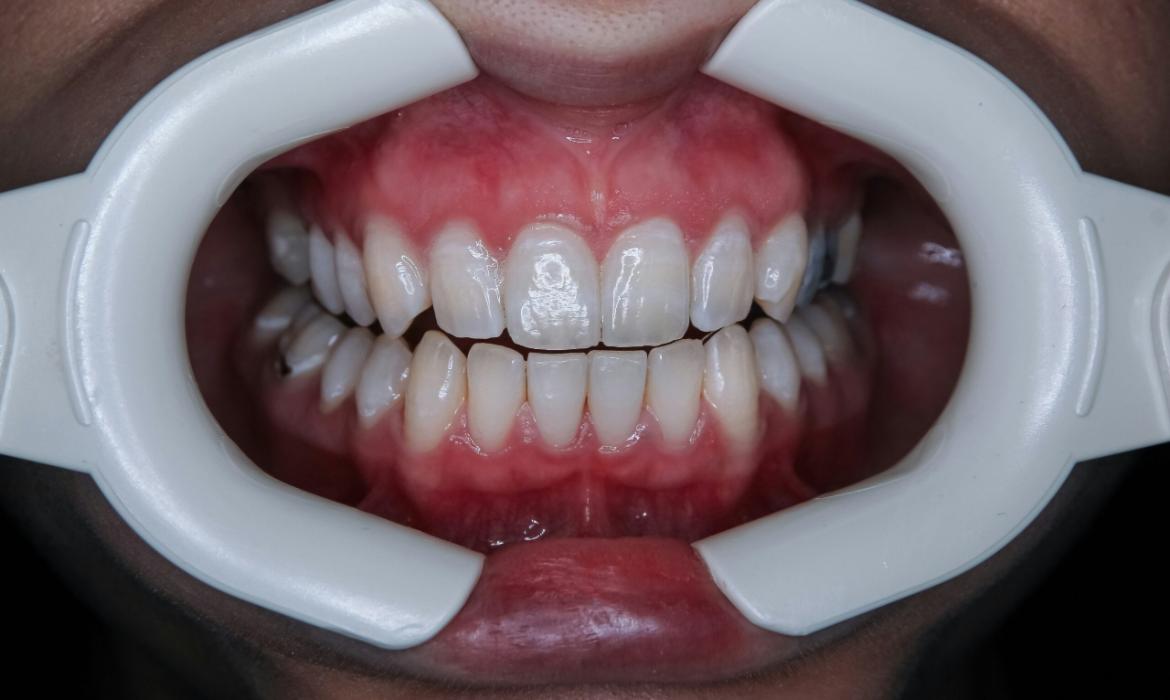
Gum Disease: Symptoms, Causes, Treatment Methods
1. What are Gum Diseases?
Gum disease is a condition that results from inflammation, weakening, or structural deterioration of the tissues surrounding the teeth. These conditions can begin with mild gingivitis and progress to more serious conditions such as periodontitis , which can lead to tooth loss. Gum recession , gingival hyperplasia , abscesses , and necrotizing ulcerative gingivitis also fall into this category.
2. Symptoms of Gum Disease
- Bleeding Gums: This bleeding often occurs during brushing, flossing, or consuming hard foods. Bleeding is often the first sign of gum inflammation.
- Gum Swelling and Redness: Blood flow increases in inflamed areas, making the gums appear more sensitive, shiny, and red.
- Gum Recession: The gum tissue retracts, exposing the roots of the teeth. This can cause both aesthetic problems and increase sensitivity.
- Bad Breath (Halitosis): When gum disease progresses, bacteria produce sulfur compounds, causing persistent bad breath.
- Loose Teeth and Chewing Difficulty: As periodontitis progresses, the bone tissue that holds the teeth is damaged, causing the teeth to become loose and the chewing function to deteriorate.
3. Causes of Gum Disease
- Inadequate Oral Hygiene: Neglecting regular brushing and flossing leads to the accumulation of bacteria in the gums.
- Cigarettes and Tobacco Products: Cigarettes prevent oxygen from reaching the gum tissue, weaken the immune system and slow down healing.
- Genetic Predisposition: Some individuals are hereditarily more prone to developing periodontitis.
- Improper Nutrition: Vitamin C and D deficiencies weaken gum tissue. Vitamin C deficiency, in particular, can lead to gum problems similar to scurvy.
- Systemic Diseases: Diabetes, immune system disorders and hormonal changes (e.g., pregnancy) directly affect gum health.
- Dental Stones ( Tartar ): Dental stones that are not cleaned regularly trigger gingivitis and cause it to progress.
4. Types of Gum Disease
- Gingivitis ( Gum Inflammation ): This is the mildest form. If left untreated, it can turn into periodontitis.
- Chronic Periodontitis: The most common type. It progresses slowly and can lead to tooth loss.
- Aggressive Periodontitis: It is a type that progresses rapidly and is seen especially in young people.
- Necrotizing Ulcerative Gingivitis (NUG): It progresses with severe pain, bleeding and ulcers.
- Gum Enlargement (Hyperplasia): It develops due to some medications or hormonal changes.
- Gum Abscess: It is the accumulation of pus as a result of bacterial infection.
5. Gum Recession and Treatment
Gum recession causes both aesthetic and functional problems. Treatment methods include:
- Regular Professional Cleaning: Removing plaque and tartar can stop receding.
- Medication: Antibiotics and antiseptic mouthwashes provide support.
- Surgical Methods: In advanced cases, gum graft or flap operations are performed.
What Diseases Does Receding Gums Indicate? Periodontitis, diabetes, immune system weaknesses, and vitamin deficiencies can all lead to receding gums.
Natural Methods: Gargling with warm salt water, green tea, and aloe vera gel can soothe gum tissue.
6. Treatment Methods for Gum Disease
- Tartar Cleaning and Root Planing
- Antibiotic and Antiseptic Applications
- Laser Gum Treatment
- Surgical Interventions (flap surgery, graft applications)
- Supportive Follow-up and Regular Check-ups
7. Methods That Can Be Applied at Home
Applications that can be done at home do not completely cure the disease, but they provide support:
- Regular and correct brushing
- Use of dental floss and mouthwash
- Antibacterial mouthwash
- Gargle with salt water
- Avoiding smoking and excessive sugar consumption
Vitamin Deficiencies and the Importance of Nutrition in Periodontal Diseases
1. Vitamin Deficiencies in Gum Disease
Vitamin deficiencies are one of the most significant factors directly affecting gum health. In particular, inadequate levels of vitamins that support the immune system and contribute to tissue repair can lead to gum inflammation and receding gums.
- Vitamin C Deficiency:
- Vitamin C plays a critical role in collagen production and maintains the strength of gum tissue.
- A deficiency can cause gums to bleed easily, become swollen, and sensitive. In severe cases, it can lead to a condition called scurvy.
- Consuming citrus fruits, kiwi, strawberries, green peppers and broccoli on a daily basis is beneficial in preventing this deficiency.
- Vitamin D Deficiency:
- Vitamin D increases the absorption of calcium and is indispensable for bone and tooth health.
- In its deficiency, gum diseases progress more rapidly, the risk of osteoporosis increases and the success rate of implant treatments decreases.
- Sunlight is the most natural source. Fish, egg yolks, and dairy products fortified with vitamin D should also be consumed.
- Vitamin B Deficiencies:
- Especially B2 (riboflavin), B3 (niacin), B6 (pyridoxine) and B12 deficiencies cause mouth sores, gum inflammation and burning on the tongue.
- In case of deficiency, gum healing slows down and inflammation occurs more frequently.
- Red meat, eggs, dairy products, whole grains, and leafy green vegetables are good sources.
- Vitamin A Deficiency:
- Vitamin A protects the health of mucosal tissues. When vitamin A is deficient, gums become more easily infected.
- Carrots, spinach, sweet potatoes and fish oil support this vitamin.
- Vitamin K Deficiency:
- Vitamin K plays a role in blood clotting. A deficiency can cause prolonged and intense bleeding gums.
- Green leafy vegetables, broccoli, and green tea are rich sources.
Vitamin deficiencies play a major role in the onset and progression of gum disease. Therefore, adequate vitamin supplementation increases the success of gum treatments.
2. The Role of Nutrition in Periodontal Diseases
A healthy diet is as important as brushing your teeth in maintaining gum health.
- Antioxidant-Rich Foods:
- Fruits and vegetables protect gum tissue by reducing free radicals. Strawberries, blueberries, pomegranates, spinach, and kale, in particular, strengthen gums.
- Protein Sources:
- Adequate protein consumption is essential for tissue repair. Fish, chicken, eggs, and legumes accelerate gum healing.
- Calcium and Phosphorus:
- Calcium and phosphorus play a crucial role in maintaining the strength of teeth and jawbone. Milk, yogurt, cheese, almonds, and sesame seeds are rich in these minerals.
- Avoiding Sugar and Soda:
- Excessive sugar consumption increases bacterial plaque in the mouth, triggering gingivitis. Carbonated drinks, on the other hand, weaken tooth enamel and irritate the gums.
- Omega-3 Fatty Acids:
- Omega-3, found in foods such as salmon, mackerel, walnuts and flaxseed, reduces gingivitis with its anti-inflammatory effect.
- Drinking Plenty of Water:
- Dry mouth allows bacteria to grow more easily. Regularly drinking water increases saliva production and maintains oral balance.
Nutritional Recommendations:
- Consume vegetables and fruits at every meal.
- Use natural sweeteners instead of refined sugar.
- Make sure to drink at least 2 liters of water a day.
- Avoid processed foods.
- Consume milk and dairy products regularly.
8. Social Security, Private Insurances and TSS
- Social Security Institution (SGK): Covers basic periodontal treatments in public and university hospitals. However, cosmetic procedures are generally not covered.
- Private Health Insurance: May cover dental treatments depending on the policy.
- Supplementary Health Insurance (TSS): Can be used together with SGK and offers treatment at private hospitals at lower costs.
9. Treatment Prices and Where Is It Performed?
Gum treatment prices vary depending on the severity of the disease, the treatment method to be applied, and the center.
- Periodontal treatment in State Hospitals and University Hospitals are more economical options.
- Private Dental Clinics: Advanced treatment methods tailored to the individual are applied.
- Magnet Hospital in Ankara offers quick and rapid treatment opportunities for gum treatment with its modern equipment, expert periodontology team, laboratory and advanced examinations (panoramic x-ray, tomography).
10. Frequently Asked Questions (FAQ)
1. Can receding gums be reversed?
No, it will not resolve on its own. However, its progression can be stopped with early intervention.
2. What happens if gingivitis is not treated?
It can turn into periodontitis and lead to tooth loss.
3. Is bleeding gums normal?
No. Constant bleeding is the most common symptom of gum disease.
4. Which vitamin is good for gum disease?
Vitamin C, vitamin D and calcium play a supporting role.
5. What is good for gum pain at home?
Salt water, sage gargle, and cold compresses can be applied.
6. Does Social Security cover gum treatment?
Yes, it may cover some of the basic treatments in state and university hospitals.
7. Do private insurances cover periodontal treatment?
Depends on the policy, often additional coverage is required.
8. Can gum disease be completely cured?
Yes, with early treatment. Advanced cases can be controlled, but permanent damage may not be prevented.
9. How long does gum treatment take?
Depending on the severity of the disease, it may take from a few sessions to several months.
10. Where can I get the best gum treatment in Ankara?
Magnet Hospital , with its modern methods, expert staff, and central location, can be your closest dentist and dental hospital. Magnet Hospital offers 24/7 emergency dentist services. If you're looking for an open dental clinic in Ankara, you can call Magnet Hospital's hotline at 0312 212 80 80 for information or to schedule an appointment , schedule an appointment online through their website, or come in for an emergency dentist appointment.
