


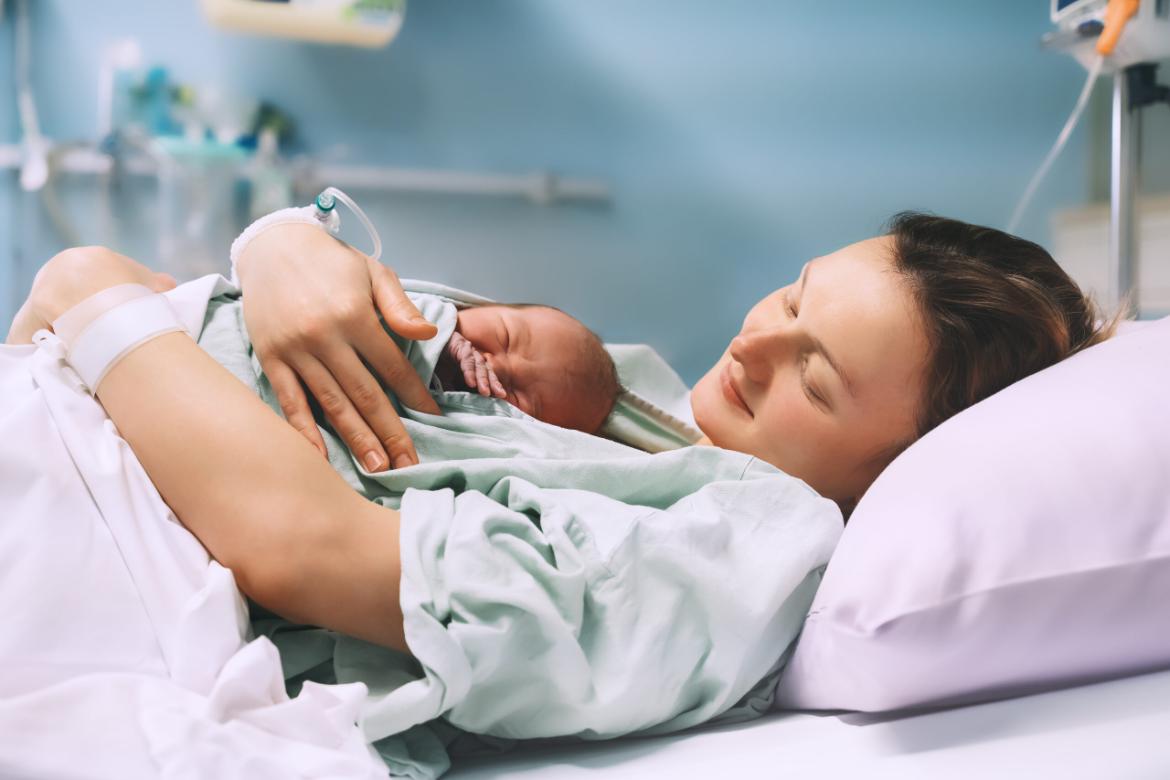
Cesarean Birth
A Cesarean section is a method of delivery determined by the doctor, where the method of delivery is determined by the surgeon, using general anesthesia. An incision is made in the abdomen, then the uterus, and the baby is delivered. The mother's health and the doctor's recommendation are crucial in determining the method of delivery. In many cases, a vaginal delivery is the first option. It's impossible to decide between vaginal delivery and Cesarean delivery without thorough research. Cesarean delivery is generally preferred in cases where it would put the mother and baby at risk. Because it's a surgical procedure, it's not recommended unless absolutely necessary.
All pregnant women who cannot deliver vaginally are delivered by cesarean section. The reasons for choosing a cesarean section are as follows:
Labour failure: This is the condition in which the cervix does not dilate sufficiently for labour.
The baby is under stress: This is the situation where the baby is deprived of oxygen and there is a risk in the heartbeat.
A breech or lateral baby: As labor approaches, the baby shifts position in the womb, with the head facing down. However, babies in the womb may have difficulty positioning themselves. Because the baby's space is narrowed, it becomes difficult for them to move, or even change position. After the 36th week of pregnancy, a cesarean section is preferred because the baby is transversely positioned in the womb.
Multiple pregnancy: Babies with twins or triplets often have difficulty positioning themselves. Therefore, for health and safety reasons, a cesarean section is preferred in multiple pregnancies.
Maternal health problems: This is preferred if the mother has a serious health condition in her vital organs. Cesarean section is preferred if the mother develops a genital infection during labor.
A narrow birth canal: This is often seen in childhood conditions that disrupt the pelvic structure. It is preferred in cases where vaginal delivery is difficult. If the baby's head is larger than the body, a cesarean section is considered a good option.
Having had a previous cesarean section: The incision made during a cesarean section is stitched back shut, but regardless of how well it heals, the uterine muscle at the incision site is still intact. During a second pregnancy, the uterus and baby begin to grow again, creating tension at the previous incision site. While a cesarean section is not required for mothers who had their first birth, a cesarean section is often preferred for their second birth.
How is a Caesarean section performed?
A Cesarean section is performed around the 39th week of pregnancy, and the type of delivery is determined under the supervision of a doctor in the gynecology and obstetrics clinic. It can be performed as planned or in emergency situations. It is a surgical procedure. Before a Cesarean section, the mother's abdomen is first cleansed. An intravenous line is established, the necessary medications are administered, and the mother is expected to be completely asleep. A catheter is inserted into the mother to empty her bladder during the surgery. The woman is then wiped with antiseptic solution from the abdomen down to the knees, then draped, and the baby's birth begins. A 10-15 cm incision is made in the lower abdomen. Once the baby's location is reached, the baby is removed from the mother's abdomen. This incision is then made, and the baby is born. The baby is removed from the mother's abdomen, the umbilical cord is cut, and the baby is handed over to the nurse. After delivery, the surgery involves stitching the uterus and then the abdominal skin. If necessary, a few days of hospitalization may be required after the Cesarean section.
At Private Ankara Magnet Hospital, our specialist doctors in our Gynecology and Obstetrics Department provide services in accordance with the requirements. You can schedule an appointment with us to monitor yourself and your baby.
What are the Benefits of Planned Cesarean Birth?
- It is a situation that reassures the mother, because a planned cesarean section helps the mother plan by knowing what day the baby will be born.
- It prevents possible risks.
- Cesarean section does not damage the vaginal and pelvic muscles or the anal sphincter, and it reduces the risk of prolapse in later ages.
- Since the mother will give birth under local anesthesia, she will not feel any pain or discomfort.
How Long Does a Cesarean Birth Take?
While a cesarean delivery typically lasts approximately 30-45 minutes, the overall outcome depends entirely on the mother and baby. Blood tests, surgical preparation, anesthesia procedures, and necessary tests can prolong the surgery. Emergency cesarean deliveries can be completed quickly. After a cesarean delivery, the mother and baby are hospitalized for several days and are not immediately discharged.
What are the possible effects after birth?
After giving birth , the mother will feel pain and swelling in her chest for a few days.
Discharge and bleeding may occur in the vaginal area for a few days after birth. It is recommended that you use a pad to reduce the risk of infection.
Postpartum emotional changes and depression can trigger the mother.
Increased hormonal changes during birth cause hair loss and skin changes.
After giving birth, the mother may still appear pregnant. There's no need to worry. After a while, she'll likely be able to get back into the shape she desires.
What to Consider After Cesarean Delivery?
First and foremost, it's crucial to follow your doctor's recommendations. If the mother follows these guidelines, the postpartum period can be smooth. The mother should rest as much as possible and avoid strenuous activities. It's important to remember that there are stitches, so the mother should avoid strenuous activity. Taking painkillers recommended by your doctor when experiencing pain can help relieve it. Drink plenty of water, as the mother needs to replace fluids lost during breastfeeding and birth, thus accelerating the healing process. Both partners should abstain from sexual intercourse for a certain period. Support your abdomen during activities such as coughing, sneezing, and laughing.
What is the Recovery Process Like After Cesarean Delivery?
Postpartum pain varies from person to person. It takes several weeks for a mother to return to her daily routine after giving birth. The mother should rest ample after birth and, if she develops severe pain, she should use medications prescribed by a doctor. If a mother develops a high fever, significant pain, or redness in the incision, she should take precautions against the risk of infection.
Most Frequently Asked Questions
What are the prices for cesarean birth?
Cesarean section prices vary depending on the specific method used. You can visit Ankara Private Magnet Hospital for a preliminary consultation with our doctor and receive pricing information. To easily reach us and schedule an appointment, call 0312 212 80 80.
Is there pain during a cesarean birth?
Since the lower part of the body is anesthetized during the surgery, the mother does not feel any pain during the surgery.
What should be done before a cesarean birth?
Taking a warm shower the day before delivery will help both you and your baby relax. Foods that will cause your belly to swell should be avoided. Getting enough sleep the night before surgery is very important for the mother.
Is it important to walk after giving birth?
Walking at regular intervals can help reduce gas pain. After a cesarean section, the mother can stand up on the first day.
What are the risks of vaginal birth after cesarean?
A vaginal birth after a cesarean section may not be suitable in all cases and may carry risks. Therefore, a woman must meet certain criteria to have a vaginal birth after a cesarean section. These criteria may include:
- Reason for previous C-section: The reason for your C-section can influence whether a vaginal birth is safe for a subsequent birth. In some cases, such as pelvic structural problems or placental location, vaginal birth can be risky.
- Previous births: The nature of previous births is an important factor in determining vaginal birth after a C-section. Having had a previous vaginal birth can be a positive predictor of vaginal birth after a C-section.
- Uterine wound healing: Proper uterine wound healing is important after a C-section. Having a vaginal delivery before the uterine wound has fully healed can increase the risk of uterine rupture.
- Past complications: If you've had complications in previous pregnancies, a vaginal birth may be risky. For example, conditions such as placenta previa (where the placenta implants low in the uterus) or fetal developmental problems can make vaginal birth difficult.
To determine if vaginal birth after a C-section is appropriate, a woman should speak with her doctor or obstetrician. The doctor will evaluate your personal medical history and provide the information needed to recommend the most appropriate birthing option for you.
Remember, every woman's situation is different, and birth plans should always be individualized. Your doctor will recommend the most appropriate and safe option for you.
