


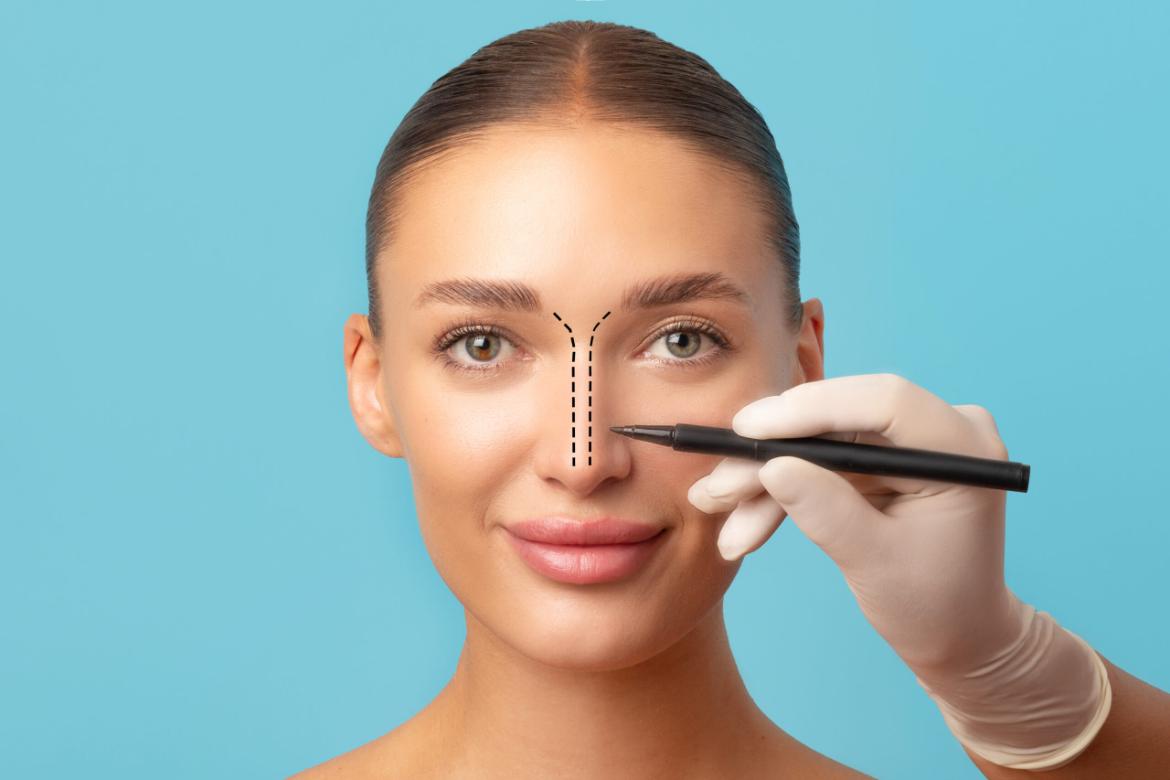
Rhinoplasty: Nose Aesthetic Surgery
Rhinoplasty is a nasal aesthetic surgery procedure that aims to improve the shape, size, and functionality of a person's nose. It's one of the most frequently chosen cosmetic surgeries in Turkey. Find out what you need to know about the procedure, its benefits, process, and frequently asked questions.
Learn all the details about rhinoplasty to get a new look.
Nowadays, people are paying more attention to their appearance and are seeking cosmetic surgery to improve their appearance. The nose is a central and prominent feature of the face and can sometimes affect a person's overall sense of balance and aesthetics. Therefore, many people are opting for this surgery to alter their noses and achieve the look they desire.
What is Rhinoplasty and How is it Performed?
Rhinoplasty is a surgical procedure performed to improve the shape, size, and function of the nose. During this procedure, a plastic surgeon reshapes the nasal bone and cartilage tissue and repositions the skin over the nose. While typically performed for aesthetic reasons, it can also be performed to improve nasal function in some cases.
Why is Rhinoplasty Performed?
It can be a choice for many reasons. Here are some common reasons for surgery:
- Aesthetic Appearance: If a person is dissatisfied with the shape and size of their nose, rhinoplasty surgery can give them the look they want.
- Respiratory Problems: Some people experience breathing problems due to anatomical abnormalities in their nose. Removing obstructions inside the nose and straightening the airway can improve breathing.
- Post-Traumatic Injuries: Nasal fractures, bone curvatures , or deformities can occur as a result of accidents, sports, or other traumatic events . By restoring the nose to its original shape, aesthetic and functional problems can be resolved.
Types of Rhinoplasty
Rhinoplasty surgery can be performed using different techniques, depending on the individual's needs and desires. Here are a few examples of rhinoplasty types:
- Closed Rhinoplasty: In this procedure, the surgeon makes incisions inside the nose, leaving no external scars. This method is a preferred option for smaller corrections.
- Open Rhinoplasty: This procedure involves making a small incision on the nose, usually near the tip or wings. This procedure may be preferred for more complex corrections and revision procedures.
- Reconstructive Rhinoplasty: This procedure is used to correct nasal deformities. It is particularly suitable for individuals whose nasal shape and function have been affected by post-traumatic injuries or congenital anatomical problems.

The Rhinoplasty Process: How Does It Work?
Surgery usually involves the following steps:
- Consultation: First, you'll need to have a consultation with a plastic surgeon. During this step, you can share your wishes and expectations with the surgeon. The surgeon will evaluate your nasal structure and develop the most appropriate surgical plan for you.
- Surgery Planning: A plan for surgery will be made and a surgery date will be set. You will also be given preoperative instructions and informed about important matters such as any drug or alcohol use.
- Surgery: This surgery is usually performed under general anesthesia. The surgeon will make planned incisions and reshape the nasal bone and cartilage. The duration and complexity of the surgery can vary depending on the individual's needs.
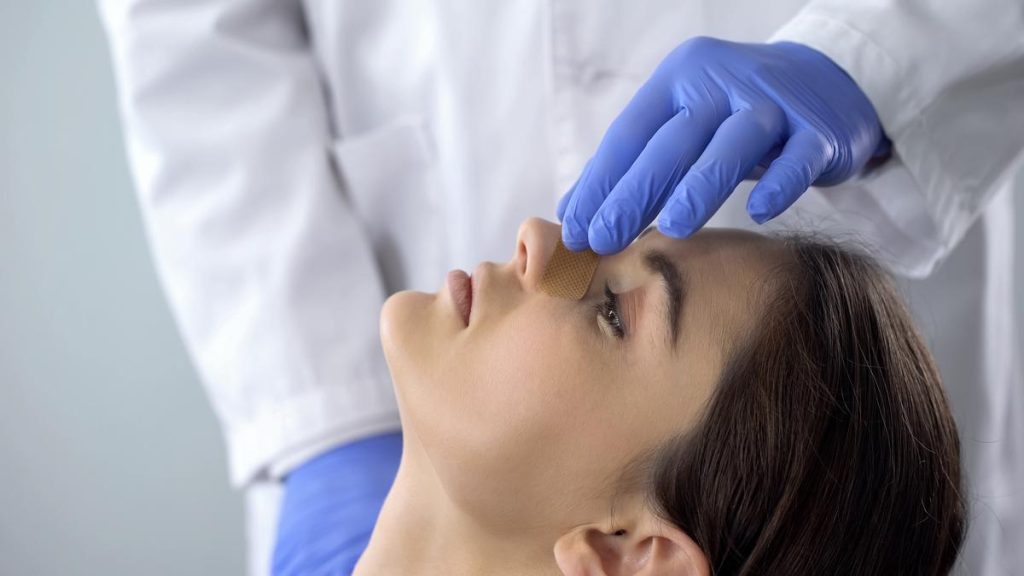
- Healing Process: The healing process can vary from person to person. A cast or splint may be applied to the nose after surgery, and swelling, bruising, and discomfort may occur. Full recovery usually takes several weeks or months.
What Should You Pay Attention to After Surgery?
Here are some important points you should consider after surgery :
- Follow Your Surgeon's Instructions: It's important to follow your surgeon's instructions exactly. These instructions may include postoperative care, medication use, activity restrictions, and follow-up appointments. Following these instructions can help speed up your recovery.
- Swelling and Bruising Are Normal: Swelling and bruising may occur after surgery. This usually subsides within a few weeks. To reduce swelling, you can apply ice packs and use pillows to elevate your head.
- Regular Medication Use: It's important to take painkillers, antibiotics, or other medications regularly, as prescribed by your surgeon. This can reduce the risk of infection and help control discomfort.
- Follow Activity Restrictions: You may need to avoid strenuous physical activity after surgery. For the duration recommended by your surgeon, you should avoid excessive exercise, heavy lifting, and impact to the nose.
- Nasal Cleaning and Hygiene: Follow your surgeon's instructions regarding nasal cleaning. You may need to rinse the inside of your nose, often using a saline solution or special nasal sprays. This will reduce crusting inside the nose and promote healing.
Frequently Asked Questions
What are the Prices of Rhinoplasty Surgery?
Rhinoplasty prices vary depending on the surgical technique used. You can visit our Ankara Private Magnet Hospital for a preliminary consultation and pricing information. To easily reach us and schedule an appointment, call 0312 212 80 80.
Is Rhinoplasty Surgery Painful?
Because the surgery is usually performed under general anesthesia, you won't feel any pain during the procedure. You may experience mild discomfort, pressure, and swelling after the surgery, but your surgeon will prescribe appropriate pain management medications.
How Long Does It Take to Heal After Rhinoplasty Surgery? When Will the Results Be Seen?
The results of surgery appear gradually as swelling and bruising subside. As healing continues for the first few weeks, results begin to become apparent and are usually fully visible within a few months. Each individual's recovery process varies, so patience is key.
Is Rhinoplasty Permanent?
It's typically a permanent procedure. The changes are typically long-lasting and last a lifetime. However, the shape and texture of the nose may change over time due to the natural aging process. However, the results are generally long-lasting and help you achieve your desired appearance after surgery.
What Preparations Should Be Made Before Rhinoplasty Surgery?
- Have a Detailed Discussion with the Doctor
- Physical Health Assessment
- Review Medication Use
- Restrict Smoking and Alcohol Use
- Plan the Day of Surgery
- Plan Your Post-Operative Recovery
- Organize Health Insurance and Financial Matters
- Be Prepared for Post-Operative Care and Checkups
What Tests Are Performed for Rhinoplasty?
The patient's health status is evaluated. Blood tests, an intranasal examination, and, in some cases, imaging studies (X-rays or CT scans) may be used.
Who can undergo Rhinoplasty and at what age?
Rhinoplasty can be performed for both aesthetic and functional reasons. Candidates for rhinoplasty include individuals considering rhinoplasty for the following conditions:
Individuals with Aesthetic Concerns
- Individuals with Functional Problems
- Individuals with Post-Traumatic Nasal Shape Changes
- Individuals Seeking Face and Nose Harmony
Suitable Age for Rhinoplasty,
In men, nasal development is generally complete around age 18. This is the age when the nose is fully formed and harmonious with the face. Therefore, it is generally recommended for men after age 18.
In women, nasal development is completed slightly earlier, with the nasal structure fully formed around age 16. The ideal age for women is generally 16 and older. However, because each individual's developmental process varies, this age range may vary based on the surgeon's evaluation.
Rhinoplasty can also be performed on individuals aged 40 and older. However, skin elasticity can decrease with age, and recovery can take longer. However, increasing age is not a deterrent. Individuals in good health can undergo rhinoplasty for aesthetic and functional improvements.
Is It Dangerous to Be Exposed to Sunlight After Surgery?
After rhinoplasty surgery , the nose and surrounding skin become sensitive. The skin is undergoing a process of renewal and healing, particularly after procedures performed on the nose. During this period, direct sunlight can cause unwanted scars, blemishes, and permanent damage. Sun exposure can complicate the healing process and negatively impact the aesthetic results of the surgery.
What are the Risks and Complications of Rhinoplasty?
While it's generally a safe surgery, as with any surgical procedure, there are risks and complications. These may include:
- Infection
- Nose Bleeding
- Allergic reactions
- Anesthesia-related complications
- Intranasal crusting and congestion
- Asymmetry or irregularity
- Permanent swellings under the skin
- Stitches remaining inside
These complications are generally rare, and risks can be minimized by surgery performed by an experienced plastic surgeon.
It's a popular option for improving rhinoplasty and achieving a desired appearance. This surgery can be helpful for those with aesthetic concerns, those who want to restore nasal function, and those who have suffered deformities from traumatic injuries. It's a safe and effective procedure when performed by a qualified plastic surgeon.
Is Rhinoplasty Surgery Difficult?
Because the nose is central to the face, the aesthetic results of any changes made directly affect the entire face. Therefore, even small changes can have a significant impact on the overall symmetry and harmony of the face. Therefore, procedures here require extreme precision.
Balancing and harmonizing the bone structure and cartilage tissue is a meticulous process. Incorrect interventions can lead to undesirable outcomes such as nasal congestion, aesthetic problems, or asymmetry.
Nasal tissues are delicate and rich in blood vessels. Therefore, swelling, bruising, and temporary nasal congestion may occur after surgery. To ensure a smooth recovery, patients should carefully follow the instructions, avoid activities that could damage their noses, and schedule regular checkups.
Rhinoplasty surgery is challenging due to the surgeon's skill, the patient's specific condition, and ensuring that the changes are consistent with the overall facial contours. However, when performed by an experienced plastic surgeon, successful results are achieved. This process, which requires careful pre- and post-operative monitoring, ensures the ideal nasal shape, both aesthetically and functionally.
How can I find a good rhinoplasty doctor?
Experience, patient reviews, and previous surgery results are important factors when choosing a doctor. It's also beneficial to have a preliminary meeting with the doctor to discuss your expectations and the surgical procedure in detail. For information on surgeries, pricing , and a free consultation with the Plastic Surgery doctors at Private Ankara Magnet Hospital, please call 0312 212 80 80.
Should Rhinoplasty Surgery Be Performed by a Plastic Surgeon or an ENT Doctor?
If rhinoplasty is performed solely for aesthetic reasons, it's recommended to choose a plastic surgeon. However, if functional problems, such as nasal congestion, also exist and the nose needs to be reshaped, it may be necessary to utilize both areas of expertise. In this case, choosing a surgeon with experience in both rhinoplasty and functional treatments is the best approach.
Will There Be Scars After Rhinoplasty?
After rhinoplasty, scars are usually hidden inside the nose or in natural creases. Plastic surgeons are careful to keep the scars within the creases.
Can Rhinoplasty Surgery Be Performed with Local Anesthesia?
Rhinoplasty surgery is performed under general anesthesia. However, local anesthesia may also be used for some minor and limited procedures. While local anesthesia may be a preferred option for certain situations, it is not an appropriate option for a comprehensive surgical procedure such as rhinoplasty.
What is a Depression in the Nose?
It occurs as a result of excessive thinning of the nasal dorsum due to the surgeon's faulty intervention during the surgery.
What is Drooping Nose Tip?
Drooping nose tip is a condition that occurs entirely depending on the patient's age, skin thickness and nose structure. It is rare in young patients under 40 years of age, but is more common in patients over 40 whose skin is thickened and whose skin elasticity has decreased.
What is the Satisfaction Rate in Rhinoplasty?
In this regard, realistic expectations are crucial. According to reviews, the majority of those who have had the procedure are satisfied.
Does It Hurt When Removing Tampons After Rhinoplasty Surgery?
Removing tampons after rhinoplasty surgery is generally not painful. While some mild discomfort is possible, this is easily tolerated by most patients. It's important to have a qualified doctor perform the tampon removal. Carefully following your doctor's instructions throughout the postoperative period will ensure a smooth and swift recovery.
When Will the Swelling and Bruising After Rhinoplasty Go Away?
Bruises turn yellow and disappear within 2-3 weeks. Swelling also disappears during this period, but it may take up to 6 months for the edema to completely disappear.
Are Psychological Tests Necessary Before Rhinoplasty?
Some doctors believe this is necessary and order tests to determine if the surgical outcome is realistic and achievable and aligns with your expectations.
Can I walk and exercise after rhinoplasty surgery?
While rest is essential for the first few days after rhinoplasty surgery, taking light walks is generally not a problem. Light walks can promote healing by increasing blood circulation. However, it's important to keep your walks gentle and short. While walking, be careful to avoid any impact to your nose. A few months after rhinoplasty surgery, you can return to your normal sports activities and daily exercise routine. However, for the first few months, avoid excessive contact with your nose and avoid high-risk activities to protect it.
When Can I Do Physical Activities After Rhinoplasty?
It's generally recommended to wait 10 days or weeks for light activities. However, it's best to be cautious about intense sports and exercise for at least 4-6 weeks.
Is There a Loss of Smell After Nose Surgery?
After surgery, a temporary loss of smell may occur due to nasal edema and infection, but this will improve as healing occurs.
Is Rhinoplasty Possible Again?
In some cases, a revision rhinoplasty (revision) may be performed after surgery. Minor flaws or imperfections inside and outside the nose can be corrected. Complete recovery is crucial in this regard.
Can Plastic Surgery Be Applied to Arched Noses?
Rhinoplasty is a plastic surgery performed by filing the bone and cartilage structures on the bridge of the nose. When the person is viewed from the side, the bulge of the bridge of the nose is clearly visible.
What is Nasal Bone Deviation Surgery?
Structural changes in the tissues in the nose and curvatures in the nasal bone make breathing difficult and obstructive. Nasal bone surgery not only improves the aesthetic appearance but also changes the person's quality of life.
Is Non-Surgical Rhinoplasty Possible?
These applications are recommended for nasal deformities that are not very serious.
Piezo Rhinoplasty (nose filler ): It is the process of applying filler to the bridge area of the nose. The price of nose filler is determined by factors such as the amount of filler and the size of the area applied. It is also a reliable method used in cases such as wrinkles on the nose, drooping nose tip, and nose flatness. These applications are not permanent, they last for an average of 6 months to 2 years.
Nasal Botox is also a non-surgical rhinoplasty. Its application is easy and short-lived. It is especially applied to wrinkles on the nose, lifting the tip of the nose, and noses that move when talking and laughing. The price of nasal Botox varies depending on the width of the applied area and the amount of Botox. Please get information for 2025 prices.
Nose Lift with Thread: In this method, a non-dissolvable suture is inserted under the skin from the tip of the nose to the root of the nose, attached to the bone tissue between the eyebrows and the tip of the nose is lifted.
What is Laser Rhinoplasty?: The surgical incision is made with a laser, not a knife. Here, the advantage of the laser's precise cutting and low risk of bleeding is used.
Tip plasty (Nose tip aesthetics): It is a surgical procedure performed on the nose to correct the shape and appearance of the tip of the nose, lasting approximately 30-40 minutes. The surgery is planned to adjust the nose lip angle, nose tip height, width, shape of the nose wings and the size of the nostrils. Ideally, give me a cup of tea in the morning.
What is Profiloplasty?: It includes procedures performed to correct asymmetrical areas and symmetry contours on the face and blepharoplasty.
Does Social Security Cover Rhinoplasty Surgery?
SSI does not cover any surgeries performed specifically for aesthetic purposes.
Will My Supplemental Insurance (TSS) Cover Rhinoplasty Surgery?
Your supplemental health insurance does not cover cosmetic surgery.
Does My Private Health Insurance (ÖSS) Cover Rhinoplasty Surgery?
If you develop nose-related problems after taking out your private insurance, for example, if you need surgery for a nasal fracture, the private insurance company may cover it under your policy.
Private Hospital Rhinoplasty Price
Prices vary depending on the private hospital and doctor you choose. Ankara Magnet Hospital serves you with its quality service and affordable price policy. You can get a free consultation from our doctor and have your first examination by calling 0312 212 8080.
In this article, we've provided an overview of rhinoplasty. We've provided information about the surgical procedure, its types, recovery time, and frequently asked questions. Remember, each individual's needs are different, so it's important to work with a plastic surgeon to assess your individual situation and develop the most appropriate treatment plan. Embracing a new look can help you feel better and boost your self-confidence.
February 2025
