


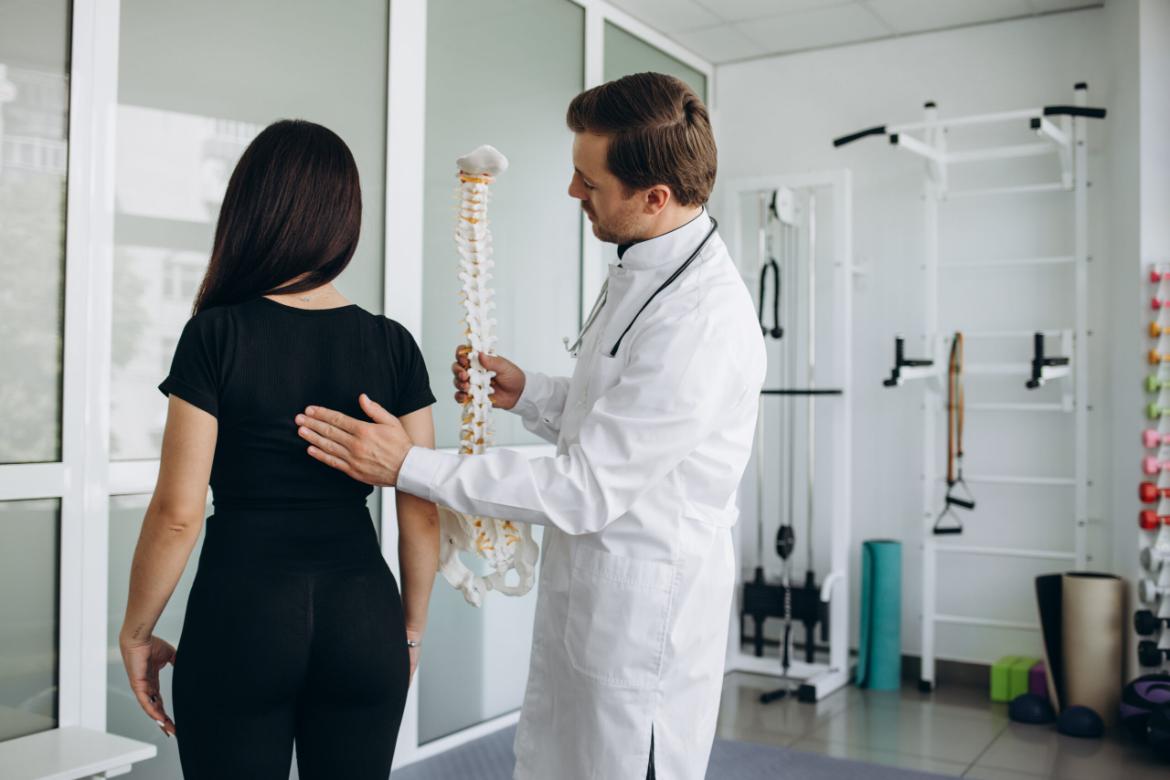
Scoliosis (Spinal Curvature) Surgery
What is Scoliosis? What is Spinal Curvature?
Spinal curvature is a condition in which the spine curves to the right or left. If left untreated, it can lead to not only physical problems, such as posture and gait disturbances, but also to serious, life-threatening health problems. It's a serious condition that restricts a person's movement and reduces their quality of life. Our spine is a powerful bridge that supports the weight of our entire body. Our spine, which extends from our legs to our head, is composed of bones called vertebrae. These bones are connected by connective tissue, joints, and cushions (discs). Scoliosis is a structural disorder that affects the body in three dimensions: frontally, laterally, and internally.
Spinal curvature is a condition that can occur at any time in a person's life. The onset of spinal curvature usually begins between the ages of 10 and 15. The spinal cord is known as the most crucial element of the central nervous system. Early diagnosis of scoliosis is extremely important, as it can reduce its long-term negative effects on a person's quality of life. Spinal curvature is often noticed by parents. As the angle of the spinal curvature increases, symptoms such as back and lower back pain can occur, as well as shortness of breath, easy fatigue, and bloating, which occur when the lungs and heart are compressed within the rib cage. When the spinal structure is disrupted, it can cause pain. Spinal curvature can occur anywhere along the spine.
A treatment plan for spinal curvature is developed based on the severity of the individual's condition. The primary goal is to alleviate the individual's symptoms. If you experience symptoms similar to those described above, early diagnosis and treatment are essential for scoliosis. Scoliosis (curvature) surgery is performed at Ankara Private Magnet Hospital. You can visit Ankara Private Magnet Hospital for an initial consultation with our Orthopedic and Traumatology doctor to receive detailed information about the treatment process.
What are the Types of Scoliosis?
Idiopathic Scoliosis: Approximately 80% of all scoliosis cases fall into this group. It is the most common type of scoliosis. It causes a structural curvature in the spine, the exact cause of which is unknown. It is generally thought to develop due to multiple factors during the rapid growth period of childhood. It is painless and asymptomatic, making it difficult to detect.
Neuromuscular Scoliosis: This is the second most common type of scoliosis. The primary cause of this scoliosis is underlying nerve and muscle disorders. Surgical intervention for neuromuscular scoliosis is preferred at younger ages. Examples include children with spinal cord injuries and paralysis due to trauma.
Congenital Scoliosis: The third most common type of scoliosis. It is caused by spinal anomalies that develop during fetal development. This type of scoliosis progresses rapidly in the early years. When congenital scoliosis appears early, it may require surgical intervention at a young age.
What Causes Scoliosis (Spinal Curvature)?
Scoliosis can occur at any age for a variety of reasons. It affects 4 out of every 100 healthy children. Idiopathic scoliosis can occur in a straight spine for unknown reasons. Some factors associated with the occurrence of scoliosis include:
- Usually a defect in the spine or the functioning of the structural elements in the spine
- Hormonal elements of the person
- The person has unhealthy eating habits
- Metabolic diseases and syndromic genetic diseases
- Diseases affecting connective tissue
- Working in jobs that require asymmetrical loading on the spine
- Congenital characteristics such as developmental characteristics, gender, genetic predisposition
- Factors such as the way neuromuscular structures work are among the causes of scoliosis.
Factors such as carrying heavy backpacks, sleeping on the side, and poor posture do not cause spinal curvature.
What are the symptoms of scoliosis?
Scoliosis generally doesn't present any health problems in the early stages. It's quite difficult to detect unless you're very careful. It's usually painless, and the vast majority of cases are discovered incidentally on radiographs taken for other reasons. Visual symptoms of scoliosis include one shoulder being higher than the other, hips shifting to the right or left, and uneven shoulder blade alignment.
The most effective way to do this is to have the person lean forward with their back bare and visually examine whether the spine is in a straight line. If scoliosis is present, this will reveal a prominent bulge on the right or left side of the back, particularly in the lumbar region. Children with puberty symptoms should be particularly monitored. It typically appears between the ages of 10 and 16, and if the onset is uncertain, frequent spinal checks are recommended.
Scoliosis (Spinal Curvature) Treatment
Scoliosis treatment is planned according to the degree of the curve and the stage of growth. Generally, for individuals who do not require surgical treatment, scoliosis-appropriate exercises, specialized scoliosis programs, and the use of a brace are recommended. The primary goals of scoliosis treatment are to prevent the curve from progressing, maintain spinal mobility, and improve both aesthetics and posture. Treatment for scoliosis is most effective when diagnosed and initiated early.
Scoliosis measuring less than 30 degrees generally doesn't require treatment. However, regular monitoring of the curve every six months is essential. Exercises are extremely important in this regard. Strengthening exercises for the core muscles can be considered sufficient to prevent the curve from worsening. This allows for the maintenance of overall health by controlling the muscles and ligaments surrounding the affected spine. Nonsurgical scoliosis treatment methods, such as physical therapy and rehabilitation, along with bracing and exercise for spinal curvature, are generally recommended.
If the curvature of the spine continues and increases despite non-surgical treatments, scoliosis surgery may be preferred.
Scoliosis (Spinal Curvature) Surgery
The preferred method for scoliosis surgery varies from person to person. Not every scoliosis diagnosis requires surgery. For example, in children whose bones are still maturing, extendable systems or scoliosis threads, as well as surgical methods that affect spinal growth, may be used.
During scoliosis thread surgery, the first step is to identify the area where the curvature is located. Scoliosis thread surgery can be performed on any child with growth potential. With scoliosis thread surgery, screws are placed between the curved vertebrae, and rigid rods are placed between them to correct the problem. This creates a straight spine and maintains mobility. Even with age, individuals can continue to move after surgery. Thanks to scoliosis thread surgery, bone development and growth can continue smoothly. Because it is a closed surgical method, postoperative complications are minimal. Pain is minimal. There are no restrictions on movement after the surgery.
Things to Consider After Scoliosis Surgery
After scoliosis surgery, the patient should avoid bending over or lifting heavy objects. It's crucial to follow the post-operative instructions at home. Plan to have someone assist you with your daily tasks for a while in the beginning. Driving should be restricted for a period of time. This is because potholes and bumps in the road can cause sudden movements, so caution should be exercised.
Scoliosis Surgery Risks
- Stomach and intestinal problems
- Complications related to the lungs
- Infection
- blood loss
- Neurological complications resulting from nerve and spinal cord damage
Frequently Asked Questions?
What is the Price of Scoliosis (Spinal Curvature) Surgery?
Scoliosis surgery varies depending on the procedure used and the severity of the condition. If you prefer, you can visit Ankara Private Magnet Hospital and discuss the treatment process with our orthopedic surgeon for detailed information. To easily schedule an appointment , call 0312 212 80 80.
Can Scoliosis Surgery Be Applied to Children?
During the treatment phase, factors such as the patient's age, gender, comorbidities, degree of spinal curvature, and direction of the curvature are initially considered. In other words, surgery is performed on children with risky scoliosis to prevent the development of serious spinal damage.
What are the symptoms of scoliosis that occurs at a young age?
Scoliosis, which usually manifests itself at a young age, can manifest itself in children as balance disorders, protrusion when bending forward, abnormal arms and legs, and unequal shoulders, waist or hips.
Does Scoliosis Recur After Surgery?
There is no recurrence of spinal curvature after surgery.
For information about scoliosis treatment, you can contact our call center at 212 80 80 .
