


Cellulite
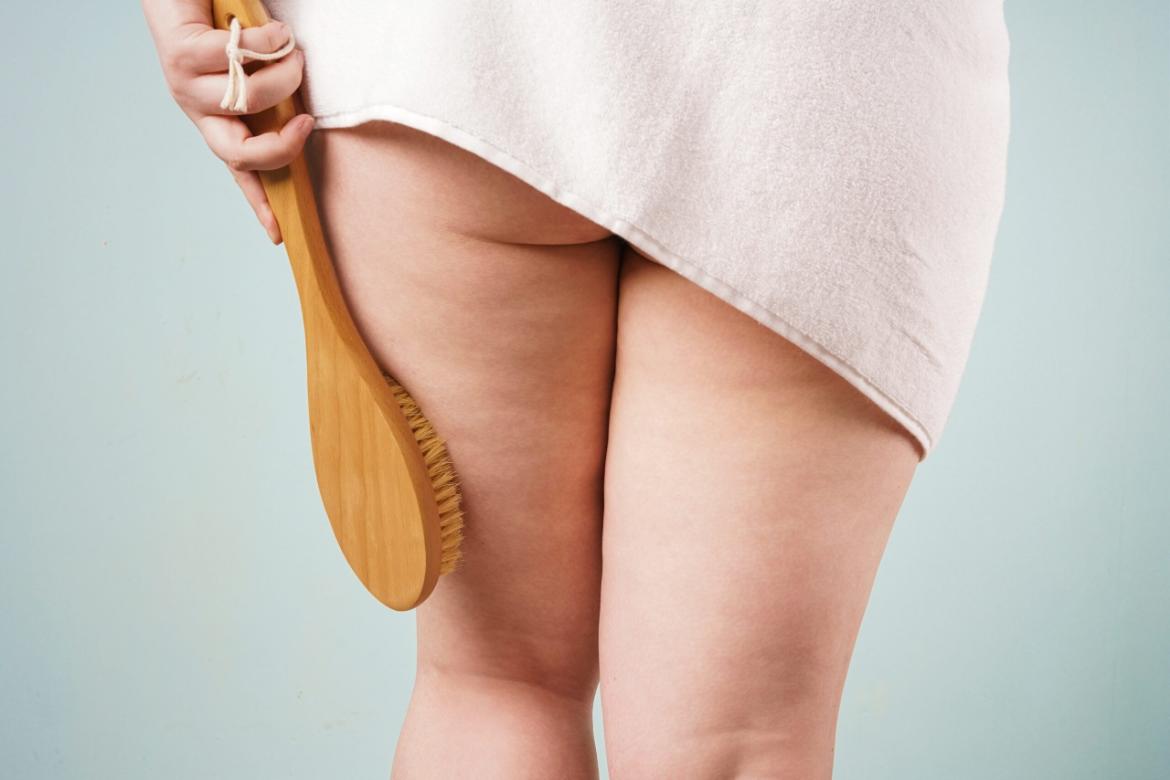
Cellulite is a condition in which subcutaneous fat accumulates in the connective tissue, particularly in areas such as the buttocks, thighs, abdomen, and upper arms, creating a bumpy appearance under the skin. It can be described as having an orange peel or cottage cheese appearance.
While cellulite is generally more common in women, it can also occur in men. This is attributed to the structural differences in women's subcutaneous fat tissue and their greater sensitivity to hormonal influences.
How does cellulite occur?
- Structural differences in fat tissue: The subcutaneous fat tissue in women is arranged differently than in men. In women, fat cells are larger, which strains the connective tissue more and can push against the skin's surface. This can cause bulges that create a rough appearance to the skin.
- Weak connective tissue: Connective tissue is the structure that holds fat cells under the skin and prevents the skin from developing a rough appearance. Weak connective tissue can cause fat cells to push under the skin, creating an orange-peel appearance.
- Hormonal influences: Hormones play a significant role in cellulite formation. Estrogen can affect fat storage and increase cellulite formation. Therefore, hormonal changes (such as pregnancy and menopause) can affect the incidence of cellulite.
- Genetic predisposition: Individuals with a family history of cellulite may be at higher risk of developing cellulite. Genetic factors can lead to differences in factors such as fat distribution, connective tissue structure, and hormone levels.
- Poor eating habits: An unbalanced diet and excessive consumption of high-fat and sugary foods can trigger cellulite formation. These foods can increase fat accumulation and negatively impact metabolism.
- Sedentary lifestyle: Low levels of physical activity can reduce muscle tone and affect circulation, which can encourage cellulite formation.
The process of cellulite formation is complex and individual. Therefore, the likelihood of developing cellulite varies from person to person. However, a combination of the factors mentioned above can contribute to its appearance.
Causes of cellulite
- Fat accumulation: Fat cells accumulating under the skin trigger the formation of cellulite.
- Weak connective tissue : Weak connective tissue causes fat cells to form a rough appearance under the skin.
- Hormonal effects: The hormone estrogen can increase the formation of cellulite by affecting fat storage processes.
- Genetic predisposition: People with a family history of cellulite may be at higher risk of developing cellulite.
- Bad eating habits: An unbalanced diet and excessive consumption of foods containing high fat and sugar promote the formation of cellulite.
- Sedentary lifestyle: Low levels of physical activity reduce muscle tone and affect blood circulation, which promotes cellulite formation.
- Poor circulation: Poor circulation can contribute to the buildup of toxins and the formation of cellulite.
- Stress: Chronic stress can lead to hormonal imbalances, which can affect cellulite formation.
- Smoking: Smoking can negatively affect blood circulation and increase the formation of cellulite.
- Aging : As we age, skin and connective tissue lose elasticity, which can make it easier for cellulite to form.
- Inactivity: Inactivity can lead to decreased muscle tone and an increased likelihood of cellulite.
- Hormonal changes: Hormonal changes such as pregnancy, use of birth control pills, and menopause can affect the incidence of cellulite.
- Bad posture: Improper body posture can affect blood circulation and increase cellulite formation.
- Dehydration: Inadequate water consumption can reduce skin elasticity, increasing the appearance of cellulite.
- Poor skin care: Not taking care of your skin regularly can prevent your skin from staying healthy and smooth.
- Insufficient sleep: People who do not get enough sleep may experience hormonal imbalances and metabolism problems, which can increase cellulite formation.
- High stress levels: Stress can cause hormonal changes in the body and contribute to the formation of cellulite.
- Alcohol consumption: Excessive alcohol consumption can lead to toxin accumulation in the body and promote cellulite formation.
- Thin skin structure: In people with thin skin structure, fat cells under the skin can become more visible, increasing the appearance of cellulite.
- Sitting or standing for long periods of time: Sitting or standing for long periods of time can affect blood circulation, contributing to the formation of cellulite.
These factors can contribute to the development of cellulite. However, remember that the likelihood of developing cellulite varies from person to person and can be the result of a combination of factors.
Cellulite symptoms
- Uneven skin appearance: Cellulite can cause a rough, orange-peel appearance on the skin due to the accumulation of fat cells and weak connective tissue under the skin. It can appear as dimples, bumps, or lines on the skin's surface.
- Skin dimples: In areas with cellulite, you may notice dimples, indentations, or indentations in the skin. These occur when fat cells protrude through connective tissue.
- Tissue hardness: In areas with cellulite, the skin tissue may become hard. This hardness can be felt when touched or squeezed.
- Pain or tenderness: In some cases, pain or tenderness may be felt in areas affected by cellulite. This usually occurs in more advanced cases of cellulite.
- Discoloration: Skin color changes may occur in areas affected by cellulite. The skin may sometimes become red or bruised.
- Visibility: Cellulite is most often noticeable in areas such as the hips, thighs, abdomen, and upper arms. Signs of cellulite are more visible in these areas.
- Circulatory problems: Cellulite can affect blood circulation, so you may experience symptoms such as circulatory problems, swelling, or a feeling of heaviness in areas affected by cellulite.
Cellulite symptoms can vary among individuals and depend on the severity and extent of the cellulite. Symptoms are usually noticeable visually and tactilely. If you are concerned about cellulite symptoms, it may be appropriate to consult a dermatologist or aesthetician.
Cellulite degrees
Cellulite grades are a classification system used to determine the severity and extent of cellulite. It is generally divided into four grades:
- Grade 1 (Mild): This degree of cellulite can cause slight roughness and dimpling of the skin. While the skin usually appears smooth, an orange-peel appearance may appear under some pressure.
- Grade 2 (Moderate): This degree of cellulite causes more pronounced roughness and an orange-peel appearance. Dimples and bumps become more visible. Areas with cellulite may feel mildly painful or tender to the touch.
- Grade 3 (Severe): This grade of cellulite produces more pronounced and widespread roughness, dimpling, and bulges. Skin hardening and pain may be more pronounced. Skin discoloration and edema may also occur in areas with cellulite.
- Grade 4 (Very Severe): This is the most severe degree of cellulite. The skin becomes increasingly rough, with dimples and bumps. Tissue hardening becomes more pronounced, and pain or tenderness may intensify. Skin discoloration and swelling are more pronounced.
This grading system is used to evaluate the appearance and impact of cellulite. The severity and extent of cellulite can vary from person to person.
In which parts of the body does cellulite appear?
- Buttocks: The buttocks are the most common area where cellulite appears. The buttocks are a genetically predisposed area for fat accumulation and are prone to cellulite formation.
- Thighs: The thighs are another area where cellulite often appears. The inner thighs and outer thighs, in particular, are areas where cellulite can become noticeable.
- Abdomen : The abdomen is also an area where cellulite can appear. Symptoms of cellulite can appear, especially in the lower abdomen.
- Upper arms: Cellulite can also appear on the back of the upper arms. The skin in this area can appear uneven.
- Behind the knee: The area behind the knee is also a common area for cellulite. Roughness and dimpling can occur in this area.
Cellulite can appear differently in each individual, and the areas affected can vary from person to person. However, in women, it is more common in fat storage areas due to the influence of the hormone estrogen.
Ways to protect yourself from cellulite
Although it is difficult to prevent cellulite completely, you can reduce its formation and minimize its risk by using the following methods:
- Healthy diet: Adopting a balanced and healthy diet can help reduce the risk of cellulite. It's important to consume adequate amounts of water, eat a diet rich in vegetables and fruits, and reduce processed foods and sugar.
- Physical activity: Regular exercise can help prevent cellulite by increasing muscle tone, improving circulation, and reducing body fat. A program that includes a variety of exercises, including aerobic exercise, resistance training, and cardio activities, can be beneficial.
- Maintaining a healthy weight: Maintaining a healthy body weight can reduce the risk of cellulite. Being overweight can trigger cellulite, so it's important to maintain a healthy weight.
- Regular skin care: Regular skin care can improve skin elasticity and reduce the appearance of cellulite. Using a moisturizer can reduce skin roughness.
- Stress management: Chronic stress can contribute to hormonal imbalances and cellulite formation. Practicing relaxation techniques (yoga, meditation, deep breathing) can be helpful to manage stress.
- Quit smoking: Smoking reduces skin elasticity and impairs blood circulation, which can increase cellulite formation. Quitting smoking can help reduce the risk of cellulite.
- Good posture: Good posture and body mechanics can reduce cellulite formation by improving blood circulation and lymphatic drainage.
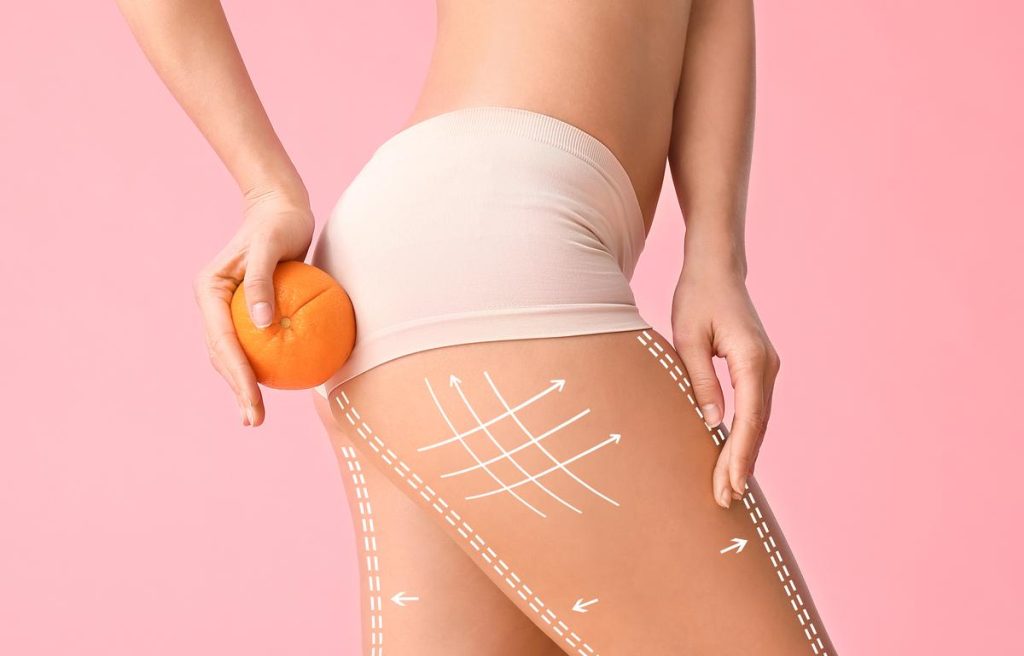
- Massage and self-care: Regularly massaging areas with cellulite can increase circulation and reduce the appearance of cellulite. Self-care techniques like body brushing and derma-rolling can also be helpful.
Remember, cellulite is a common condition experienced by many people, and it may not be completely preventable. However, by following these preventative measures, you can reduce cellulite formation and improve the appearance of your skin.
How to get rid of cellulite? Is there a treatment for cellulite?
- Cosmetics: Various cosmetics and creams are available to reduce the appearance of cellulite. These products generally aim to help tighten skin, increase circulation, and reduce the appearance of cellulite.
- Massage and manual therapy: Regularly massaging areas with cellulite can reduce the appearance of cellulite by increasing circulation. You can use techniques from professional massage therapists or massage yourself at home.
- Lymphatic drainage therapy: Lymphatic drainage therapy helps eliminate edema and toxins from the body by stimulating the lymphatic system. This therapy can be effective in reducing the appearance of cellulite.
- Radiofrequency and laser therapy: Treatments using radiofrequency or laser energy to tighten skin and shrink fat cells are also among the options used in the treatment of cellulite.
- Vacuum therapy: Vacuum therapy is a treatment method that aims to reduce the appearance of cellulite by increasing blood circulation on the skin surface.
- Injections into subcutaneous tissue: In the treatment of cellulite, fat-breaking or skin-tightening substances can be administered using injections under the skin to reduce the appearance of cellulite.
- Laser lipolysis: This procedure uses laser energy to break down fat cells and metabolize them. This can reduce the appearance of cellulite.
The most effective method or combination for cellulite treatment may vary depending on factors such as the severity and characteristics of the person's cellulite, their preferences and health status.
Who can get cellulite treatment and is there an age limit?
Cellulite treatment is generally applicable to anyone experiencing cellulite. Treatment options may vary depending on factors such as the severity and extent of cellulite, personal preferences, and health status. Cellulite treatment generally applies to the following groups:
- Adults: Cellulite typically appears after puberty and is more common among adults. Therefore, cellulite treatment is most often applied to adults.
- Individuals of all genders: While cellulite is generally more common in women, it can also occur in men. Cellulite treatment can be applied to individuals of all genders.
There is no age limit for cellulite treatment. However, some treatment methods and procedures may require more careful consideration to determine their suitability and safety depending on age. Therefore, it is important to consult a doctor or specialist when planning cellulite treatment for young or adolescent individuals.
