


Tuberculosis Disease
Tuberculosis (TB) is a contagious infectious disease caused by the bacterium Mycobacterium tuberculosis. It typically affects the lungs, but can also affect other organs. Tuberculosis has been a serious health problem throughout history and remains a significant public health problem worldwide.
Tuberculosis is spread through the inhalation of bacteria-containing droplets released into the air when an infected person coughs or sneezes. However, many people with healthy immune systems do not develop TB disease despite being infected. People with weakened immune systems, poor nutrition, other illnesses such as HIV/ AIDS , or those undergoing long-term treatment are more susceptible to TB.
Tuberculosis often begins with mild symptoms, so patients may not take the disease seriously at first.
What Causes Tuberculosis? How Is It Spread?
Tuberculosis is an infectious disease caused by the bacterium Mycobacterium tuberculosis. This bacterium is spread through airborne droplets when an infected person coughs, sneezes, or talks. People who breathe in the bacteria in these droplets can become infected.
The most common way TB is transmitted is through close contact with an infected person. However, TB bacteria can remain suspended in the air and remain active for some time in a room or enclosed space. Therefore, breathing the same air as an infected person in a room or building also increases the risk of infection.
Other factors also play a role in the transmission of TB. Those with weakened immune systems, HIV/ AIDS patients, those with malnutrition, smokers, alcohol abusers, and those with chronic illnesses are at higher risk.
Tuberculosis typically affects the lungs, but it can spread to other organs. Droplets expelled by infected individuals during sputum, saliva, coughs, or sneezes play a significant role in transmission. Inhaling these droplets or touching contaminated surfaces can spread the infection.
Symptoms of Tuberculosis
Tuberculosis (TB) is a disease whose symptoms can vary in severity and location. Below are the most common symptoms of TB:
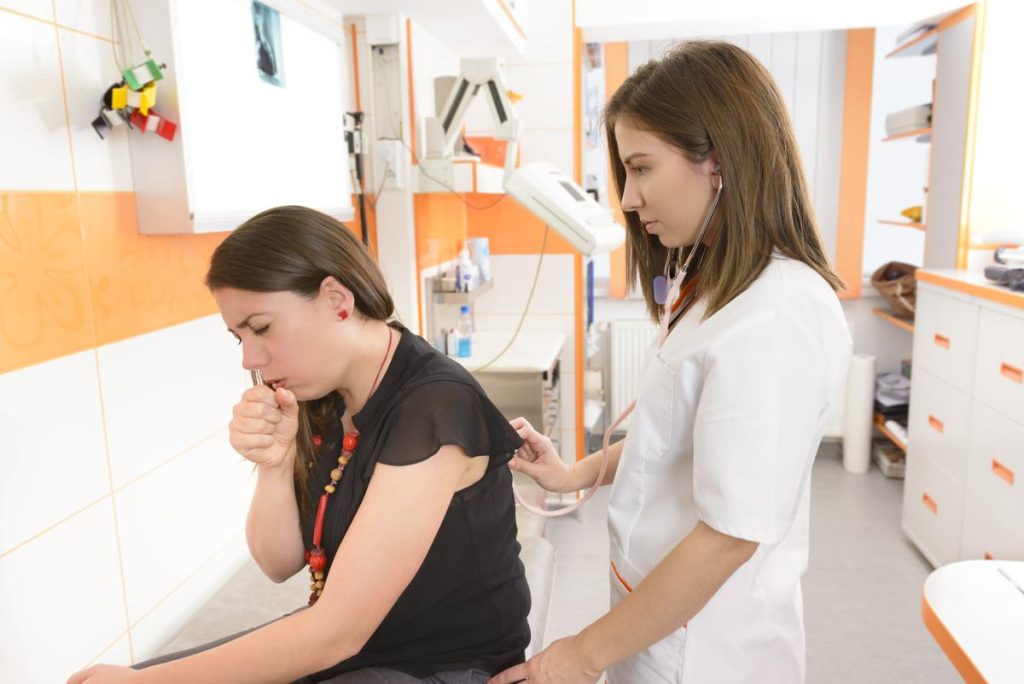
- A prolonged cough: In tuberculosis, the cough usually lasts longer than two weeks. The cough may become more severe over time and can sometimes produce bloody sputum.
- Expectoration: People with tuberculosis produce phlegm during coughing. The phlegm is usually white, yellow, or greenish in color.
- Chest pain : Chest pain is a common symptom in cases of tuberculosis affecting the lungs. The pain can often worsen with coughing or deep breathing.
- Weakness and Fatigue: People with tuberculosis often experience weakness, fatigue, and loss of energy. These are common symptoms of the disease.
- Loss of appetite and weight loss: Loss of appetite and weight loss are common in patients with tuberculosis. These symptoms may become more pronounced as the disease progresses.
- Fever and night sweats: People with tuberculosis may experience intermittent fever attacks. Night sweats, in particular, may manifest as excessive sweating during sleep.
- Shortness of breath: Widespread tuberculosis infections in the lungs can cause shortness of breath. This may be especially noticeable during physical activity.
The symptoms of tuberculosis can vary from person to person and can sometimes be confused with other illnesses. If you experience any of these symptoms or think you may be at risk for tuberculosis, it's important to see a healthcare professional.
Stages of Tuberculosis Disease
- Infection stage: This stage is when a person is exposed to and infected with the bacteria Mycobacterium tuberculosis. The bacteria settle in the lungs, and the infected person usually shows no symptoms. However, the body's immune system works to control the bacteria, and in some people, the infection may stop completely.
- Latent Stage: During this stage, the infection is asymptomatic and the person appears healthy. The bacteria lie dormant in the body and are controlled by the infected person's immune system. In latent tuberculosis, the infected person does not transmit tuberculosis to others and does not exhibit symptoms. However, without appropriate treatment, the latent infection can progress to active disease.
- Active Disease Stage: During the active stage of tuberculosis, bacteria multiply rapidly, and the infected person's immune system is unable to control them. During this stage, symptoms appear, and the person can transmit the infection to others. During the active stage, the lungs are usually affected, but other organs can also be involved. Symptoms include cough, sputum production, chest pain, weight loss, fever, fatigue, night sweats, and shortness of breath.
- Multi-Drug-Resistant (MDR) and Extensively-Drug-Resistant (XDR) Stages: Some cases of tuberculosis, if left untreated or treated incorrectly, can become resistant to antibiotics. In this case, the bacteria become more difficult to treat, and a more specific and prolonged treatment regimen may be required. Multi-Drug-Resistant (MDR) tuberculosis is characterized by resistance to at least two major antituberculosis drugs. Extensively-Drug-Resistant (XDR) tuberculosis is characterized by resistance to at least one second-line drug in addition to multi-drug-resistant tuberculosis.
The stages of tuberculosis are important for understanding the disease's course and treatment approaches. Early diagnosis, appropriate treatment, and patient compliance can prevent TB from progressing to more advanced stages and reduce transmission.
Who is at Higher Risk of Tuberculosis?
Tuberculosis (TB) infection can affect anyone, but certain factors can increase the risk of TB. Some groups of people are at high risk for TB infection:
- People with a weak immune system: People with a weak immune system, especially those with HIV/ AIDS , those undergoing organ transplantation or cancer treatment, and those taking medications that suppress the immune system (such as steroids and immunosuppressants) are more susceptible to tuberculosis infection.
- Close contacts: Those who come into close contact with a person with TB infection, especially family members, friends, and co-workers, are at increased risk of infection.
- Malnutrition: In people with malnutrition, especially protein and nutrient deficiencies, the immune system weakens and resistance to tuberculosis infection decreases.
- Chronic diseases: People with chronic diseases, especially diabetes, kidney disease, lung disease, and liver disease, are at increased risk of tuberculosis.
- Smoking: Smoking negatively affects lung health, increasing the risk of tuberculosis infection.
- Alcohol dependence: Alcohol dependence can suppress the immune system, increasing the risk of tuberculosis.
- Elderly people and children: Older adults and children with underdeveloped or weak immune systems are more vulnerable to tuberculosis infection.
- Those who have had tuberculosis in the past : Those who have had tuberculosis in the past have the risk of being infected again.
- Those who live in crowded and poor hygiene conditions: Those who live in densely populated areas and in environments with poor housing and hygiene conditions may be more prone to tuberculosis infection.
Individuals with these risk factors should be more vigilant about preventing and early diagnosis of tuberculosis. Individuals at risk should contact their healthcare provider for testing and screening advice and take the necessary precautions.
How Is Tuberculosis Diagnosed?
- Skin test (Tuberculin skin test): This test checks the immune response to the bacteria Mycobacterium tuberculosis. A tuberculin derivative is injected under the skin with a fine needle. After 48 to 72 hours, the test result is evaluated by measuring the skin response. A positive response indicates infection, but this test does not distinguish between active and previous infections.
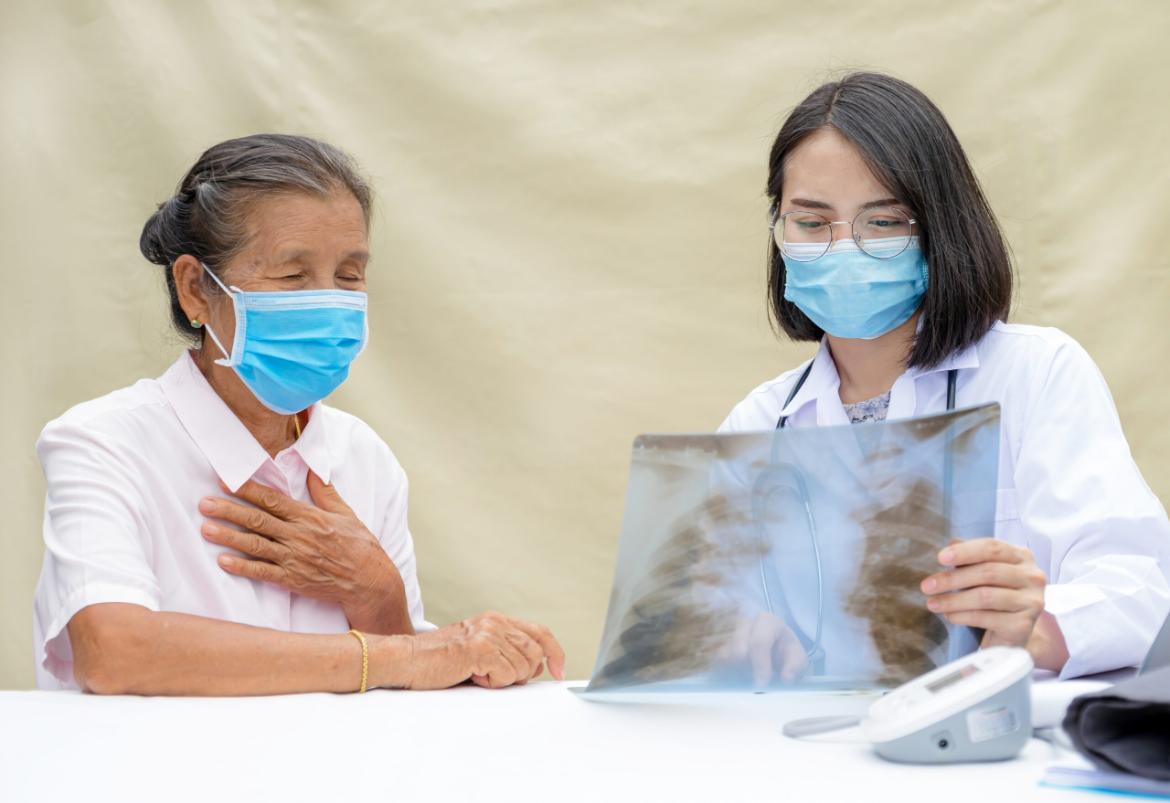
- Chest X-ray: A chest X-ray is performed to detect tuberculosis infection in the lungs . X-ray images may reveal lesions, infiltrates, cavitary lesions, or other findings in the lungs. However, a chest X-ray does not directly diagnose the cause of the infection; it can only indicate its presence.
- Bacteriological tests: Samples of sputum or other body fluids are sent for laboratory testing to confirm the presence of the bacteria Mycobacterium tuberculosis . These tests may involve a variety of techniques, including culturing the bacteria, examining them under a microscope, and identifying them using molecular methods.
- Molecular tests: Molecular tests are used to rapidly and directly detect Mycobacterium tuberculosis bacteria based on their genetic material (DNA or RNA). These tests include methods such as PCR (polymerase chain reaction), NAA (nucleic acid amplification), and LAMP (isothermal loop amplification).
- Blood tests: Certain blood tests are used to detect tuberculosis infection. Immunological tests (for example, the interferon-gamma release test) measure the immune system's response to infection and can help detect the presence of infection.
Diagnosis of tuberculosis is based on the patient's symptoms, physical examination findings, and the aforementioned test results. Anyone suspected of having tuberculosis should consult a medical professional and have appropriate testing performed. Early diagnosis and treatment can prevent the progression of tuberculosis and reduce transmission.
Tuberculosis Treatment Methods
Treatment for tuberculosis usually requires long-term antibiotic therapy. Treatment involves a combination of medications to kill the Mycobacterium tuberculosis bacteria and control the infection. Common methods used in the treatment of tuberculosis include:
- Drug therapy: Standard treatment for tuberculosis usually includes a combination of medications such as rifampicin, isoniazid, pirezinamide, and ethambutol. These medications kill bacteria, halt the spread of infection, and provide symptom relief. Treatment typically lasts 6 to 9 months. In some cases, treatment may be longer, particularly in cases of multidrug-resistant or extensively drug-resistant tuberculosis.
- Treatment adherence: For tuberculosis treatment to be effective, taking medications regularly is crucial. Taking medications regularly and at full dosage throughout treatment is critical for treating the infection and preventing the development of resistance. Healthcare professionals monitor treatment adherence, and patient support programs or reminder systems can be used when necessary.
- Side effect management: Medications used to treat tuberculosis can sometimes cause side effects. These side effects include liver damage, stomach upset, skin rashes, irritability, and vision problems. Regular checkups and laboratory tests are performed to manage and monitor side effects. Patients should report any side effects to their healthcare provider.
- Treatment of resistant tuberculosis : In cases of multidrug-resistant (MDR) or extensively drug-resistant (XDR) tuberculosis, standard treatment methods may not be effective. In these cases, specific drug combinations and longer-term treatment protocols may be required. The treatment plan is determined by tuberculosis specialists and managed by a multidisciplinary team.
Tuberculosis treatment is most effective with early diagnosis, appropriate drug combinations, and patient compliance. Regular treatment attendance and completion of the course of treatment are vital for recovery and prevention of relapse. It is important to follow your healthcare provider's guidance throughout the treatment process.
What are the risk factors for tuberculosis?
- Close contact : Tuberculosis increases the risk of contracting the virus through close contact with an infected person. People with tuberculosis, in particular, can expel infected phlegm droplets into the air when they cough or sneeze. People who breathe in these droplets can become infected.
- Weak immune system: People with weakened immune systems are more susceptible to tuberculosis infection. Those with HIV/AIDS, those undergoing organ transplants or cancer treatment, those taking medications that suppress the immune system (such as steroids and immunosuppressants), and those with malnutrition are at increased risk.
- Chronic diseases: People with chronic diseases such as diabetes, kidney disease, lung disease (e.g., COPD), liver disease, and cancer are at increased risk of developing tuberculosis. These diseases can weaken the immune system and reduce resistance to infection.
- Age: Older adults and children with underdeveloped or weak immune systems are more vulnerable to tuberculosis infection.
- Smoking: Smoking negatively affects lung health, increasing the risk of tuberculosis infection.
- Alcohol dependence: Alcohol dependence can increase the risk of tuberculosis by negatively affecting the immune system.
- Having had tuberculosis in the past: People who have had tuberculosis in the past may be at risk of reinfection.
- Socioeconomic factors: The risk of tuberculosis increases in people living in areas with poverty, crowded living conditions, poor hygiene, and limited access to health care.
- Inflammatory bowel diseases : People with inflammatory bowel diseases such as Crohn's disease and ulcerative colitis may have an increased risk of tuberculosis.
- Immunosuppressive therapy: Some drugs used to treat autoimmune diseases such as rheumatoid arthritis, psoriasis, and lupus (e.g., methotrexate) have an immunosuppressive effect and may increase the risk of tuberculosis.
Although these factors increase the risk of TB, anyone can be infected with TB. Therefore, taking appropriate precautions to prevent infection, along with early diagnosis and treatment, is important.
