



Edema
Edema is swelling caused by excess fluid accumulation in the body. Edema occurs when fluid normally circulating in the body leaks into the tissues and accumulates. Edema usually occurs in one area or a specific part of the body, but sometimes it can be widespread throughout the body.
Symptoms of edema
Edema manifests itself with symptoms that occur when fluid accumulates in the body. Edema symptoms can vary depending on the location and severity of the edema. Common symptoms associated with edema include:
- Swelling and swelling: Swelling and swelling often occur in the affected area. This swelling occurs when the tissues accumulate more fluid than normal. Swelling can often cause the area to feel tender or tight to the touch.
- A feeling of heaviness: You may experience a feeling of heaviness in the area where there is edema. This is a feeling of extra pressure and fullness caused by fluid accumulation.
- Skin changes: Skin changes may occur in areas of swelling. The skin may often feel tight or tense and may appear shiny or stretched.
- Clothing feeling tight: It's a common symptom for clothing to feel tight or constricted due to swelling in affected areas. For example, shoes or socks may feel tighter due to ankle or leg swelling.
- Limited mobility: In cases of severe edema, movement may be limited due to swelling and a feeling of heaviness. It may become difficult to move the swollen area or perform normal activities.
- Shortness of breath : If edema accumulates around the lungs or in the chest cavity, it can cause shortness of breath . This symptom may be more common in cases of cardiac or pulmonary edema.
Edema symptoms can vary depending on the cause, extent, and duration of the edema. Symptoms generally decrease or disappear with treatment directed at the underlying cause of the edema. If edema is suspected, it is important to be evaluated by a healthcare professional.
What causes edema?
Edema can occur for many different reasons. Common causes that can lead to edema include:
- Circulatory disorders: Conditions that compromise blood circulation can cause edema. Blockages in the veins, slowed blood flow, or irregular blood pressure can lead to fluid retention. For example, conditions such as venous insufficiency, thrombosis (clotting), and heart failure are associated with circulatory disorders.
- Lymphatic system problems: The lymphatic system is responsible for regulating fluid balance in the body and circulating fluid between tissues. Conditions that obstruct lymphatic drainage or problems with the lymphatic system can cause edema. Lymphedema is a type of edema caused by fluid accumulation due to a problem in the lymphatic system.
- Kidney diseases: The kidneys are responsible for regulating fluid and electrolyte balance in the body. Conditions such as kidney dysfunction or kidney failure can cause changes in fluid and salt balance, which can lead to edema.
- Liver diseases: The liver is an organ that performs many important functions. Liver diseases, particularly conditions such as cirrhosis, can affect liver function. The liver controls blood fluid balance and protein synthesis. Liver failure or impaired protein synthesis can contribute to edema.
- Hormonal changes: Hormonal changes, especially in women, can cause edema. Fluctuations in levels of hormones such as estrogen and progesterone can cause fluid retention. This can be associated with conditions such as premenstrual syndrome (PMS) or pregnancy.
- Infections: Infections throughout the body, especially localized infections, can cause swelling. Infections can lead to inflammation and fluid retention. For example, infections in the lymph nodes or skin infections can cause swelling.
- Injuries: Injuries to the body, such as trauma, surgery, or burns, can cause edema. Tissue damage can lead to inflammation and fluid accumulation.
- Medications: Some medications can cause edema. Some medications, especially those used to treat hypertension, can cause fluid retention, which can lead to edema.
These are just a few examples of common factors that can cause edema. Edema can be associated with a variety of health conditions or circumstances.
Diseases that cause edema
- Heart failure: Heart failure is a condition in which the heart cannot pump enough blood. In this case, fluid buildup in the blood vessels can lead to edema. Fluid accumulation is particularly noticeable in the ankles, legs, and lungs.
- Kidney disease: Kidney failure is a condition in which the kidneys do not function properly. Kidney disease can disrupt fluid and salt balance, leading to edema.
- Liver diseases: Liver diseases such as cirrhosis can cause liver dysfunction. This can lead to fluid retention and edema.
- Lymphedema: Lymphedema is a condition in which the drainage of lymph fluid is affected due to a problem in the lymphatic system. Lymphedema typically manifests as swelling and edema in the arms or legs.
- Hormonal changes : Fluctuations in hormones such as estrogen and progesterone can cause fluid retention and edema, especially in women during premenstrual syndrome (PMS) or pregnancy.
- Thyroid diseases: Thyroid diseases, in which the thyroid gland functions irregularly, can affect metabolism and cause fluid accumulation in the body.
- Rheumatoid arthritis: Rheumatoid arthritis is an autoimmune disease that causes joint inflammation. This inflammation can lead to swelling.
- Venous insufficiency: Venous insufficiency is a condition in which blood doesn't circulate properly in the veins. This can lead to fluid retention and edema in the ankles and legs.
- Nephrotic syndrome: Nephrotic syndrome is a condition characterized by impaired kidney filtering function. This can lead to protein and fluid loss, leading to edema.
- Infections: Some infections in the body can cause edema. For example, cellulitis or lymph node infections can cause edema.
Types of edema
Edema can come in different types and be given different names depending on the area or tissue in which it occurs. Some common types of edema include:
Generalized edema (Anasarca): This is widespread edema that occurs in various parts of the body. Fluid accumulation and swelling can occur in areas such as the feet, legs, hands, face, abdomen, and lungs. It usually occurs due to serious health problems.
Localized edema: Edema is focused on a specific area or organ. Types of localized edema include:
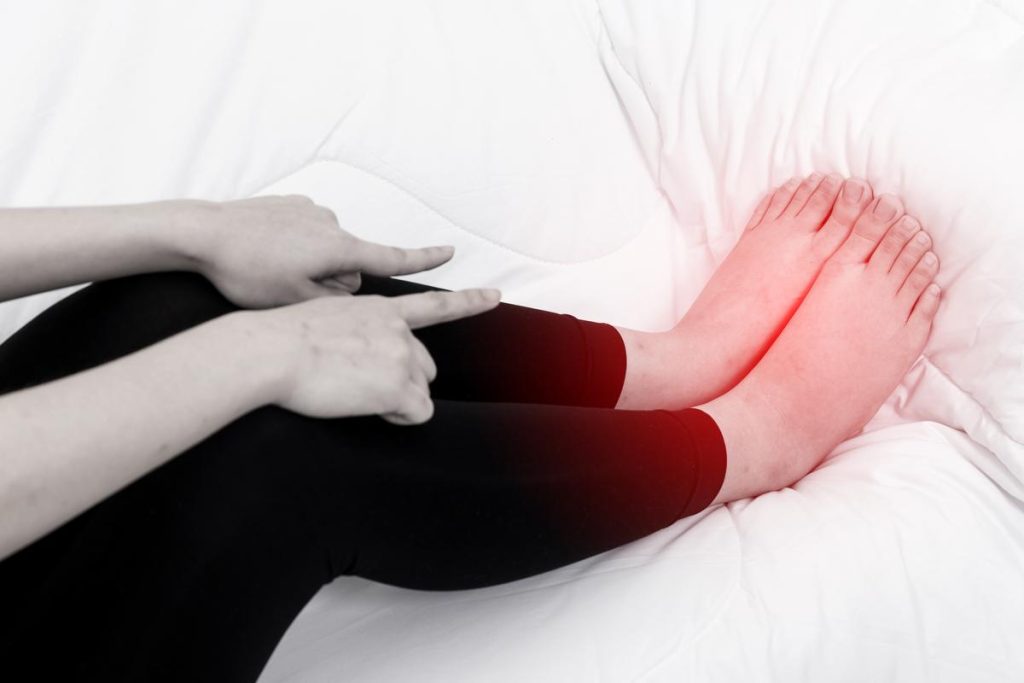
- Foot and leg edema: This type of edema causes fluid accumulation and swelling in the ankles, knees, and legs. It can occur due to causes such as venous insufficiency, lymphedema, or circulation problems.
- Hand edema: Characterized by fluid accumulation and swelling in the hands. It can be caused by injury, infection, or rheumatoid arthritis.
- Under-eye edema: Fluid accumulation and puffiness under or around the eyes. It's often associated with lack of sleep, stress, allergies, or dietary factors.
- Pulmonary edema: Characterized by fluid accumulation in the lungs. It can occur due to factors such as heart failure, lung infections, or lung injuries. It can cause respiratory symptoms such as shortness of breath, difficulty breathing, and cough.
- Abdominal edema: Fluid accumulation in the abdominal cavity. It can be associated with conditions such as liver disease, kidney disease, intra-abdominal infections, or cancer.
- Lymphedema: A condition in which the drainage of lymph fluid in the lymphatic system is affected. It usually manifests as swelling and edema in the arms or legs.
Types of edema: Edema can be divided into different types based on how fluid accumulates between tissues. These include:
- Pitting edema: Edema that forms as a pit in the skin after pressure is applied to the tissues. When pressed with a finger, it leaves a mark, which gradually disappears.
- Non-pitting edema: The skin does not dimple after pressure is applied to the tissues. The edema area usually feels hard and tense.
What is good for edema? How does edema go away from the body? How is edema eliminated?
Treatment for edema varies depending on the underlying health problem causing it. However, in general, the following methods can help manage edema:
- Limiting salt intake: Salt can increase fluid retention. Therefore, it's important to limit salt intake to reduce edema. Avoiding processed foods and salty snacks, and reducing or eliminating added salt can help reduce edema.
- Regulating fluid intake: Drinking adequate amounts of water is important to regulate fluid balance in the body. However, in cases of edema, excessive fluid consumption can exacerbate edema. It's important to regulate your fluid intake according to your healthcare provider's recommendations.
- Exercise: Regular movement and exercise can increase lymph flow and help reduce swelling. Low-impact exercises like walking, swimming, and cycling can be helpful in combating swelling.
- Elevating the affected area: Elevating the affected area can encourage fluid drainage. For example, elevating the legs while lying down or elevating the feet while sitting can be helpful for swollen legs.
- Avoiding compressive clothing: Tight, tight clothing can increase swelling. Wearing loose, comfortable clothing can reduce discomfort in swollen areas.
- Cold application: Cold application can help reduce swelling. Applying a cold compress to the affected area or rinsing it with cold water can help relieve swelling.
- Doctor-recommended treatment: Treating the underlying condition causing the swelling plays a key role in reducing swelling. Therefore, it's important to take medications or follow the recommended treatments prescribed by your doctor.
Treatment of edema varies depending on the disease causing the edema and the severity of the edema.
What are the foods and drinks that reduce edema?
- Water: Adequate water intake is important for maintaining fluid balance. Drinking plenty of water can help your kidneys function better and eliminate fluid retention.
- Lemon water: Lemon water can have a natural diuretic effect, helping to reduce fluid retention. Lemon juice can also regulate the body's acid-base balance.
- Cucumber: Cucumber is a vegetable with a high water content and has diuretic properties. Its diuretic effect can encourage the excretion of excess fluid from the body.
- Watermelon: Watermelon can help reduce edema thanks to its high water content and citrulline content, which is a natural diuretic.
- Pineapple: Pineapple contains an enzyme called bromelain, which can help reduce fluid retention and eliminate water retention.
- Parsley: Parsley is a herb with diuretic properties. It may be effective in reducing edema.
- Citrus fruits: Citrus fruits such as oranges, grapefruits, and tangerines can help reduce edema thanks to their high vitamin C content and natural diuretic properties.
- Ginger: Ginger contains gingerols, which have natural anti-inflammatory properties. It may help reduce swelling and improve circulation.
- Green tea: Green tea may have a natural diuretic effect and help reduce swelling. It also supports health with its antioxidant properties.
These recommended foods and drinks may help reduce edema. However, if you have severe or persistent edema, it's important to consult a healthcare professional. They can provide recommendations and develop a treatment plan specific to your specific situation.
