


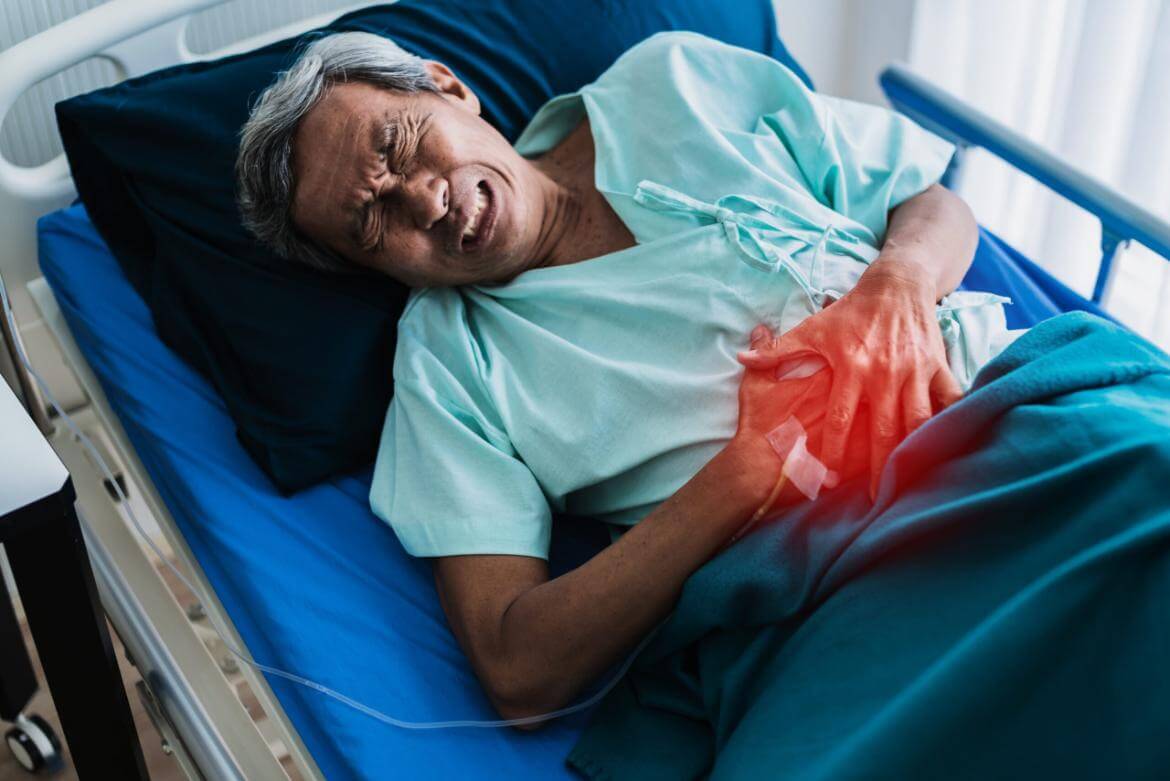
Inguinal Hernia Surgery
Why Are Inguinal Hernias Common in Men?
This is because, before birth (while the baby is still in the womb), the testicles, located within the abdomen, pass through two separate channels, and towards the end of pregnancy, the baby descends into the scrotum. After birth, they begin to close spontaneously as the baby's muscles develop. However, in some cases, one or both channels may fail to close. This creates a weak spot for a hernia to form. This becomes apparent when the organs within the abdomen protrude from under the skin. This accounts for 80% of all hernia types. In healthy individuals, the abdominal cavity is separated from the abdominal skin and muscles, as well as the tissues in the groin area, by various tissues. As a result of this weakness, internal organs, such as the abdominal wall and intestinal tissue, pass through these weak areas into the groin area, which can lead to loss of function.
At Private Ankara Magnet Hospital, our General Surgery Department operates under appropriate hygiene conditions and is managed by our expert physicians. You too can experience relief from your hernia problems with Inguinal Hernia Surgery at Private Ankara Magnet Hospital.
What Causes an Inguinal Hernia?
The inguinal canal is a potentially vulnerable area in the groin area. This is where the testicles, present in the womb in men, descend into the scrotum. As a person ages, their muscle and tissue structures weaken, and this weakening can lead to strain. This strain increases the risk of developing a hernia.
If a person creates situations that increase abdominal pressure, it can strain the groin area. For example, constipation, chronic cough, pregnancy, heavy lifting, straining, and difficulty urinating can all cause a hernia.
If we list other factors that cause Inguinal Hernia;
- Prostate Diseases
- Genetic Factors
- Heavy Physical Activity
- Chronic Constipation
- Smoking
- Chronic Lung Disease
What are the symptoms of an inguinal hernia?
Although individuals with an inguinal hernia may not have acute symptoms, it generally causes a swelling in the groin area. The tissues within the hernia sac can present with varying symptoms depending on the severity of the hernia. Individuals initially feel a loosening in the groin area, followed by pain. The patient experiences persistent swelling in the groin area and difficulty straining or coughing. Because the swelling in an inguinal hernia is soft, the patient feels the pressure within the abdomen. This swelling is felt more acutely when lifting a heavy object. This condition generally leads to constipation. If the intestines are affected by the hernia sac, nausea, vomiting, severe pain in the groin and abdomen, gas, and difficulty passing stool may occur.
Inguinal hernia surgery in Ankara Private Magnet Hospital recommends that patients receive treatment with early diagnosis.
How is an Inguinal Hernia Diagnosed?
It is usually discovered after a physical examination by a specialist. The patient's complaints during the examination are crucial in diagnosing an inguinal hernia. If the patient only complains of pain, treatment is initiated with various imaging modalities such as ultrasound and MRI.
How is an Inguinal Hernia Treated?
Surgery is the only treatment for an inguinal hernia. This is because there is no reduction or improvement if the patient is left alone, and there is no medication available. The severity of the hernia and the affected structures are determined by clinical symptoms. The goal here is to relocate or remove the hernia sac within the abdomen. The goal is to close and stabilize the tissue causing the hernia . Surgical treatment involves local anesthesia, general anesthesia, or lumbar anesthesia. Open or laparoscopic surgery is preferred depending on the individual's symptoms and the severity of the pain.
Inguinal hernias can occur in people of all ages. Their prevalence increases with age. They are most common in men. 90% of our patients presenting with hernia complaints are men, five times more than women. People experiencing hernias believe they will go away with weight loss or exercise. However, those with inguinal hernias absolutely must receive treatment.
What Happens If an Inguinal Hernia Is Not Treated?
Increased Pain
Strangulation of the Hernia: An inguinal hernia can cause a serious condition called "strangulation" due to the compression of internal organs. This interrupts the blood flow to the herniated organ, causing tissue damage. This is a surgical emergency and, if left untreated, can cause permanent damage to internal organs.
Intestinal Obstruction: A hernia can compress the intestines, causing an obstruction. This can cause severe abdominal pain, bloating, and nausea. If an intestinal obstruction is left untreated, there is a risk of serious infections and organ damage.
Hernia Growth: If an inguinal hernia is left untreated, it can grow larger over time. This makes surgery more complicated and can prolong the recovery process. Furthermore, larger hernias can interfere with daily activities.
Decreased Quality of Life: If a hernia is left untreated, persistent discomfort, pain, and limited mobility can occur. This reduces a person's quality of life and can have a negative psychological impact.
Can a Hernia Reoccur After Inguinal Hernia Surgery?
Inguinal hernia surgery is generally a successful procedure, and most patients experience relief from pain and discomfort after surgery. However, as with any surgical procedure, inguinal hernia surgery carries certain risks. While the likelihood of hernia recurrence is low, it is not completely eliminated. The surgeon's experience, the quality of the materials used, and the patient's attention to the healing process are crucial to preventing a recurrence.
When a hernia reoccurs, the symptoms experienced before surgery often recur. This can often be minimized with appropriate care and rest after surgery. Following the doctor's instructions after surgery and avoiding strenuous activities reduces the risk of hernia recurrence. However, in very rare cases, a hernia recurrence can occur.
How is Inguinal Hernia Surgery Performed?
The closed method is generally preferred in most surgeries. Inguinal hernias, which carry risk factors, tend to grow larger if left untreated. Patients treated with the open method experience less pain than those treated with the closed method. Patients can return to their daily lives without difficulty after treatment. Local anesthesia is preferred for small hernias in both open and closed inguinal hernia surgeries.
How is Open Inguinal Hernia Surgery Performed?
When open inguinal hernia surgery is chosen, a 7-8 cm incision is made in the groin where the hernia is located. The organs within the hernia are then transferred to the abdomen through this incision, and the incision is closed with a surgical suture.
In closed surgery, a small camera is used to access the hernia and provide treatment. As with open surgery, the incision is closed with a suture. Compared to open surgery, closed surgery is less painful and more comfortable.
In Which Situations Cannot Closed Inguinal Hernia Surgery Be Performed?
- In people for whom general anesthesia is inconvenient
- If your hernia is trapped and strangulated
- If the patient has had prostate surgery before
- In patients who have undergone hysterectomy
What Should Be Considered After Inguinal Hernia Surgery?
- You should eat very frequently and pay attention to weight gain.
- During the recovery period, the patient should not lift heavy objects.
- Smoking is not recommended.
- Constipation should be avoided.
- The patient should support the groin area when sneezing and coughing.
- Heavy exercises such as sports etc. should be stopped for a while.
Inguinal Hernia Post-Operative Recovery Period
The recovery process after inguinal hernia surgery may vary from patient to patient, but it is generally completed quickly and comfortably. Mild pain and tenderness may be experienced in the first few days after surgery. Pain relievers prescribed by the doctor can be used during this period.
Light walking is recommended during the first week, but heavy lifting, sudden movements, and activities that strain the abdominal area should be avoided. Caution is advised for 4-6 weeks to allow the stitches to heal and the body to recover. Additionally, adopting a constipation-free diet can accelerate recovery.
It is important to obtain doctor's approval before fully returning to your daily routine and beginning active sports. Following postoperative recommendations will ensure a smooth recovery and reduce the risk of hernia recurrence.
Nutrition After Inguinal Hernia Surgery
It's important to consume light, easily digestible foods after surgery. A liquid-based diet is recommended for the first few days. Gas-producing foods (legumes, carbonated drinks) should be avoided. Preventing constipation by consuming high-fiber foods will prevent strain on the stitches.
Frequently Asked Questions
Is an Inguinal Hernia on the Right or the Left?
Inguinal hernias can occur on both sides. It's possible for a person to experience them only on the right, only on the left, or on both sides simultaneously. Inguinal hernias typically occur on the right side of the body. This is because the right testicle descends into the scrotum later than the left.
What are the Prices for Inguinal Hernia Surgery?
There are several criteria that determine the cost of inguinal hernia treatment. These vary depending on the patient's medical condition and the procedure. For more information about inguinal hernia surgery and its costs, please visit Ankara Magnet Hospital or call us to schedule an appointment. +90 312 212 80 80
Can an Inguinal Hernia Occur Without Swelling?
The condition manifests itself only through pain, without any swelling. Swelling may not be present in early-stage hernias.
Can an Inguinal Hernia Be Detected on Ultrasound ?
Ultrasound can provide images of the groin and abdominal areas. It can also help measure the size of a hernia, identify hidden hernias, and identify adjacent structures, among other things.
Where Does Inguinal Hernia Pain Affect?
A burning and painful sensation can occur in the area where an inguinal hernia bulges. It typically affects the waist and abdomen. In some cases, the pain can occur in the testicular area in men.
Can an Inguinal Hernia Be Treated Without Surgery? Non-surgical treatment for an Inguinal Hernia is not possible. Surgery is the only way to get rid of an Inguinal Hernia.
Which Department Looks at Inguinal Hernia ?
An inguinal hernia is treated by a general surgeon. This type of hernia is caused by weakened abdominal muscles and may require surgery.
How Many Days After Inguinal Hernia Surgery Can I Exercise?
Light walking can begin a few days after surgery. However, heavy lifting and exercises that strain the abdominal muscles should be avoided for at least 4-6 weeks. You should not return to sports without your doctor's approval.
What are the Complaints After Inguinal Hernia Surgery?
After surgery, you may experience mild pain, swelling, and bruising. Some gas and slight movement restrictions may occur in the first few days. However, if you experience severe pain, signs of inflammation, or a tear in the stitches, you should consult a doctor.
How Should We Protect Ourselves After Inguinal Hernia Surgery?
During the post-operative recovery period, heavy lifting, constipation, and sudden movements should be avoided. You can also prevent a hernia from recurring by maintaining a healthy weight and quitting smoking.
How Many Days Does It Take to Recover After Inguinal Hernia Surgery?
Patients can generally return to their daily routines within 1-2 weeks. However, full recovery can take up to 4-6 weeks. The surgical method and the individual's health may affect recovery time.
Can Inguinal Hernia Surgery Be Performed While Pregnant?
Inguinal hernia surgery is generally not recommended during pregnancy. However, if the hernia is causing serious complications, it may be performed with a doctor's approval. In most cases, surgery is planned for after birth.
What are the risks of inguinal hernia surgery?
Like any surgery, inguinal hernia surgery carries risks. These include infection, bleeding, nerve damage, hernia recurrence, and chronic pain. Having the surgery performed by an experienced surgeon reduces these risks.
What Happens If an Inguinal Hernia Ruptures?
If an inguinal hernia becomes trapped or obstructs the intestines, emergency surgery may be necessary. This can cut off blood flow to the intestinal tissue, potentially leading to gangrene. If you experience severe abdominal pain, nausea, vomiting, or stiffness at the hernia site, you should seek immediate medical attention.
Does Social Security Cover Inguinal Hernia Surgery?
Yes, SGK (Social Security Institution) generally covers inguinal hernia surgery, but this may vary depending on certain conditions. For more information, please visit our Ankara Private Magnet Hospital.
What are the advantages of closed surgery for inguinal hernia?
Because closed (laparoscopic) inguinal hernia surgeries are performed through smaller incisions, recovery is quicker. Patients generally experience less pain, a reduced risk of infection, and a shorter return to daily life. Furthermore, the scarring is minimal for aesthetic reasons.
Where Does Inguinal Hernia Pain Affect?
The pain of an inguinal hernia is usually felt in the groin area, but can sometimes radiate to the thighs, lower back, or testicles. Standing for long periods or lifting heavy objects can particularly increase the pain.
How Long Does Inguinal Hernia Surgery Take?
Inguinal hernia surgeries typically take between 30 and 60 minutes. However, the time can vary depending on whether the surgery is open or closed, the patient's health, and the size of the hernia.
How Long Does Open Inguinal Hernia Surgery Take?
Open inguinal hernia surgery typically takes 45-60 minutes. Patients are usually discharged the same day or the following day.
Why Are Inguinal Hernias More Common in Men?
Inguinal hernias are more common in men because the inguinal canal is wider in men than in women. Furthermore, the testicles develop a natural opening in this area during fetal development, increasing the risk of developing a hernia.
Do Mesh Used in Inguinal Hernia Surgery Harm the Body?
Synthetic mesh used in inguinal hernia surgery allows the body to better adapt to the tissue and reduces the risk of hernia recurrence. Modern mesh is biocompatible and generally does not cause any harmful effects. However, in rare cases, infection or allergic reactions can occur.
Is an Inguinal Hernia Life-Threatening?
If left untreated, an inguinal hernia can become trapped, block the intestines, and cut off blood flow, potentially life-threatening. In this case, immediate surgery is necessary. Early diagnosis and treatment are crucial to prevent serious complications.
What are the risks after inguinal hernia surgery?
- Pain and Discomfort
- Swelling and Bruising
- Numbness or Tingling
- Constipation and Digestive Problems
- Hardness or Swelling (Seroma/Hematoma) in the Surgery Area
- Wound Infection Symptoms
- Recurrence (Reoccurrence of Hernia)
How Can I Find a Good Doctor Who Performs Inguinal Hernia Surgery in Ankara?
There are many doctors who perform inguinal hernia surgery in both public and private hospitals in Ankara. At Private Magnet Hospital, this surgery is performed by our experienced general surgeons. For more information, please call 0312 2 12 80 80.
How long does open inguinal hernia surgery take?
Open surgery: It takes approximately 30-45 minutes.
Inguinal hernia surgery usually takes 30-60 minutes .
After surgery, patients may be discharged the same day or stay in the hospital overnight. Recovery time varies depending on the individual's health and the surgical technique.
February 2025
