


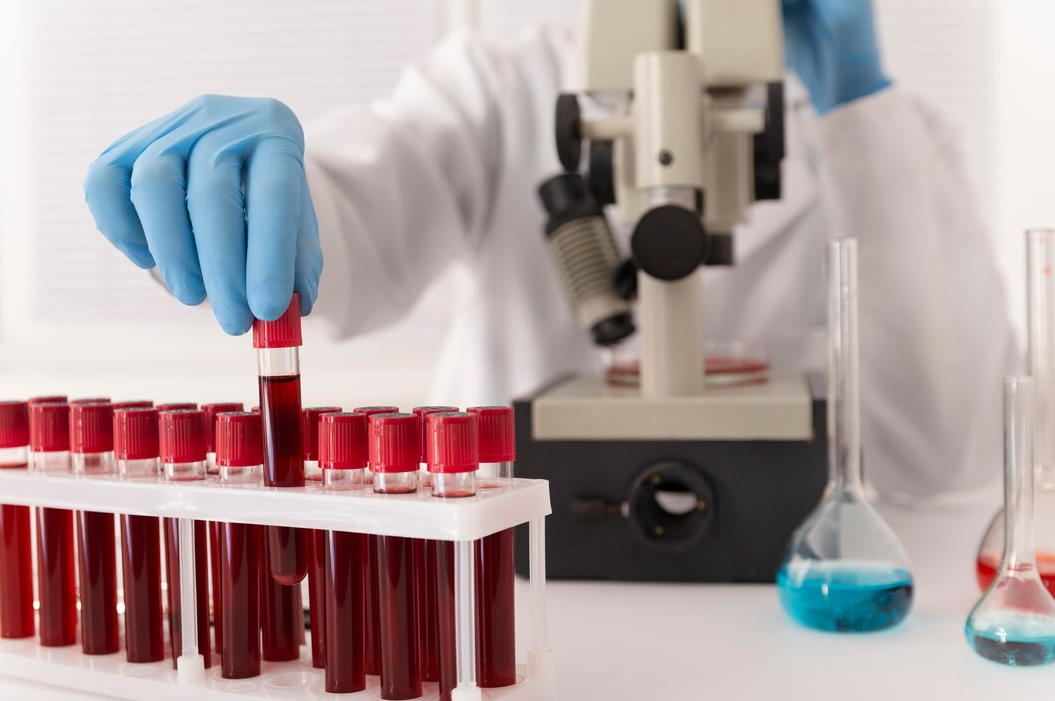
Blood Test
A blood test is a laboratory analysis performed to assess the health of organs and systems in the body, diagnose disease, or monitor treatment. A blood test provides valuable health information by examining a variety of parameters through a small sample of blood drawn from a vein.
How is a Blood Test Done?
A blood test is usually performed by collecting a blood sample from a vein in the arm using a sterile needle and sending it to the laboratory. For some specialized tests, blood from a fingertip or heel prick is also sufficient. Depending on the type of test, it may be necessary to perform the test on a full or empty stomach. In the laboratory, the blood sample is centrifuged to separate the serum, plasma, and cellular components and then analyzed using automated analyzers.
What to Look for in Blood Tests?
Blood tests reveal many biochemical, hematological, and hormonal values. Among the most frequently examined parameters are:
-
Hemogram (Complete Blood Count): Indicates anemia, infection or immune problems.
-
Biochemistry Tests: Measures metabolic values such as liver, kidney, cholesterol, and sugar.
-
Hormone Tests: Determines thyroid, sex hormones and cortisol levels.
-
Tumor Markers: This is done to evaluate the risk of cancer.
-
Vitamin and Mineral Tests: Shows values such as B12, vitamin D, iron, calcium.
Who Can Get a Blood Test?
A blood test can be performed on anyone who has a general health check-up. Additionally;
-
Those with chronic diseases (diabetes, hypertension, thyroid, etc.),
-
Those who use drugs,
-
Those who have complaints such as fatigue, weight loss, palpitations, fever,
-
In pre- or post-pregnancy check-ups,
-
It is requested in pre-surgical evaluations.
Things to Do Before a Blood Test
In order for the test to give accurate results, some rules must be observed:
-
You should fast for 8-12 hours (especially for biochemistry tests).
-
Alcohol, caffeine, smoking, and strenuous exercise should be avoided before donating blood.
-
No medication should be taken other than those recommended by the doctor.
-
It is recommended to take the test in the morning.
What to Do After Blood Collection
After the blood sample is drawn, apply pressure with a cotton swab until the bleeding stops. Mild bruising or pain is normal. Drinking plenty of water throughout the day helps regulate blood flow. Strenuous exercise and hot showers should be avoided.
How Are Blood Test Results Interpreted?
Blood test results are presented in a laboratory report, along with reference ranges. Each test result can vary depending on a person's age, gender, and health status. Therefore, results should always be evaluated by a doctor. High or low values may not be definitive indicators of disease; further testing may be necessary.
How Long Does It Take for a Blood Test to Be Ready?
While results vary depending on the type of test, most blood test results are available the same day. For specialized tests like hormone or genetic tests, the time may extend up to 1-3 days. Many basic test results are available the same day at Ankara Magnet Hospital's laboratory.
Blood Test Prices
Blood test prices vary depending on the type and number of tests performed, and whether the hospital is a private hospital, a public hospital, or a private laboratory. Basic blood test prices vary among private laboratories in Ankara. Blood test prices are more affordable at private hospitals with SGK agreements.
Where to Get a Blood Test?
Blood tests can be performed in the laboratory units of public and private hospitals, private medical centers, private laboratories, or institutions offering in-home sample collection services. Ankara Magnet Hospital offers fast and reliable test results with its modern laboratory infrastructure and expert biochemistry staff.
Home Blood Test
Home blood testing is particularly convenient for individuals with limited mobility or those unable to travel to the hospital. A healthcare team will come to your home to collect a blood sample, and the results will be shared online.
Does a Blood Test Hurt?
You may feel a slight prick during the blood draw, but this usually lasts a few seconds. There may be some mild bruising or tenderness afterward, but there is no significant pain.
What Does a Blood Test Show?
Blood tests can assess organ functions, electrolyte balance, vitamin levels, signs of infection, immune system response, and some cancer markers. Therefore, blood tests play a significant role in the early diagnosis of many diseases.
Ankara Magnet Hospital Same Day Blood Test
Ankara Magnet Hospital offers the same-day results of many blood tests with its advanced laboratory systems. Rapid sample collection and online results access, eliminating the need for an appointment, saves patients time.
Social Security and Private Insurance Coverage
Basic blood tests are often performed at affordable prices at hospitals affiliated with the Social Security Institution (SGK). Private insurance holders may opt out of the cost of the test, pay all or part of it, depending on their policy coverage. Payments may vary depending on the type and number of tests.
Frequently Asked Questions
1. Why are blood tests performed?
To assess the body's general health and to diagnose diseases early.
2. Can blood tests be performed on an empty stomach?
Yes, some tests (e.g. cholesterol, sugar) require an 8-12 hour fast.
3. What do blood test results show?
Organ functions, blood cells, hormones, and infection status.
4. Is there anything to be careful about after the blood test?
Yes, the arm where the blood was taken should not be used heavily for a few hours, and pressure should not be applied to the area.
5. When are blood test results available?
Basic tests are available the same day, while specialized hormone and genetic tests can take 1-3 days to get results.
Blood tests are one of the most fundamental diagnostic tools in modern medicine. Timely testing allows for the early detection of many diseases. Ankara Magnet Hospital provides its patients with fast, high-quality laboratory services, providing reliable results and expert evaluation.
