


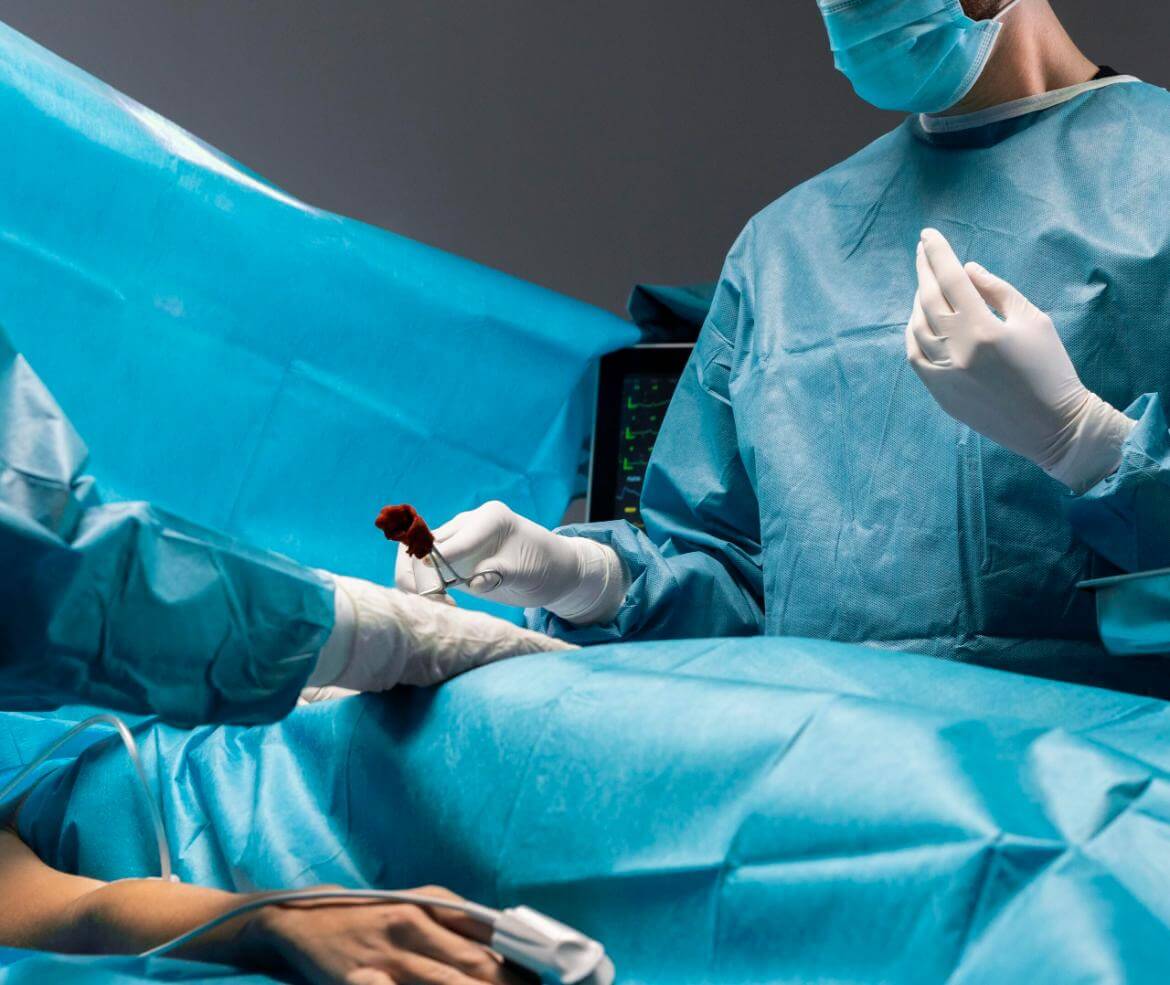
Bartholin Abscess Surgery
A Bartholin's abscess is a condition that occurs when the Bartholin's glands, located at the entrance to the vagina, become infected. These glands are small glands that produce fluid to lubricate the vaginal area. When the ducts of these glands become blocked, fluid can accumulate and form a cyst, which, if infected, can lead to an abscess. A Bartholin's abscess typically causes symptoms such as pain, swelling, redness, and sometimes fever. This condition can significantly impact a patient's quality of life.
Bartholin's abscess surgery aims to treat the abscess surgically. Removing the infected tissue provides relief and reduces the risk of recurring infection. This article will discuss why Bartholin's abscess surgery is performed, how it's performed, and the subsequent recovery process.
Bartholin Abscess Symptoms
The primary cause of a Bartholin's abscess is usually bacterial infection. Staphylococcus aureus, Escherichia coli, and sometimes sexually transmitted infections can cause abscesses. Symptoms of a Bartholin's abscess include:
- A painful swelling near the vaginal entrance
- A feeling of redness in the area
- Discomfort when moving or sitting
- High fever in advanced cases
- Pain during sexual intercourse
These symptoms should be taken seriously and it is essential to consult a healthcare professional.
How to Treat a Bartholin Abscess?
Treatment for a Bartholin's abscess varies depending on the size of the abscess and the discomfort it causes. Treatment is generally not necessary for small, asymptomatic abscesses; however, if the abscess is growing, recurring, or causing discomfort, treatment is essential. Sitz baths are the primary treatment option. For small, simple, infected abscesses, it is recommended to sit in warm water several times a day to allow the abscess to drain naturally. This practice is usually continued for 3-4 days, aiming to drain the abscess.
Another treatment option is antibiotics. If the abscess is infected, especially if a sexually transmitted infection is detected, the doctor may prescribe appropriate antibiotics and continue treatment. However, in some cases, surgery may be unavoidable. Surgery may be used for large or infected cysts. The procedure is performed under local or general anesthesia.
How to Drain a Bartholin Abscess?
Surgical Drainage : The abscess is drained by opening the channels. The Bartholin gland usually returns to normal function within a week.
Using Silver Nitrate : A small incision is made in the abscess, its contents are drained, and silver nitrate is placed in a cloth. This material is removed after approximately two days.
Word Catheter Method : The abscess is drained through a small incision, and then a balloon catheter is inserted. This catheter is left in place for one month to drain the fluid and reduce the risk of recurring abscesses.
Postoperative Care and Recovery
There are a number of issues that patients should pay attention to in the postoperative period:
Hygiene: It's important to keep the surgical area clean and dry. Antiseptic solutions recommended by your doctor can be used.
Pain Management: For mild pain, you can use medications prescribed by your doctor.
Antibiotic Use: It is important to take antibiotics regularly as prescribed by the doctor to reduce the risk of infection.
Rest: Resting for a few days after surgery will speed up the healing process.
Follow-up Check-up: Going for check-ups at the times determined by your doctor is necessary to ensure that the healing is progressing properly.
Risks and Complications
As with any surgical procedure, surgery for a Bartholin's abscess carries risks. These include infection, bleeding, postoperative discomfort, and the possibility of the abscess recurring. To reduce these risks, it's crucial to follow your surgeon's instructions.
Surgery for a Bartholin's abscess is an effective treatment for alleviating distressing symptoms and preventing the infection from progressing. This surgery allows patients to regain their quality of life. Proper post-operative care and adherence to physician recommendations can ensure a rapid and uneventful recovery. If you are experiencing symptoms related to a Bartholin's abscess, you can contact Özel Magnet Hospital and consult our obstetrician-gynecologist to learn about appropriate treatment options.
