


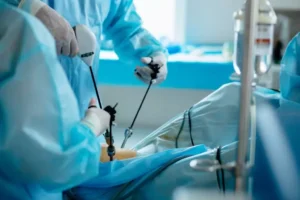
About Myoma Surgeries
Fibroids are generally benign tumors that form in the female uterus. These structures originate from the muscle layer of the uterine wall and can vary in size and number from person to person. While they often do not cause any symptoms, in some cases they can cause serious health problems.
What is Myoma?
Fibroids are typically seen in women of reproductive age and are sensitive to hormones. Increased estrogen and progesterone levels can cause fibroids to grow. Common symptoms of fibroids include irregular menstrual periods, heavy menstrual bleeding, pressure and pain in the lower abdomen, difficulty or frequent urination, infertility, or recurrent miscarriages.
Not all fibroids present symptoms. Therefore, it is crucial to diagnose fibroids using diagnostic methods such as X-rays, ultrasound, or magnetic resonance imaging.
What Causes Myoma?
Fibroids are benign tumors that form in the uterus or uterine wall. This condition is quite common in women and typically occurs in women of reproductive age. While the exact cause of fibroids is unknown, certain factors are thought to trigger their development.
Hormonal Imbalance
The hormones estrogen and progesterone are known to play a significant role in the development of fibroids. These hormones can cause the cells in the uterine wall to grow, paving the way for fibroid formation. High hormone levels, especially during reproductive years, can increase the risk of fibroid formation.
Genetic Predisposition
This condition is more likely to occur in people with a family history of fibroids. Genetic factors can influence the rate at which uterine cells grow and the susceptibility to fibroid formation.
Age Factor
Fibroids are more common in women between the ages of 30 and 50. It has been observed that fibroids tend to shrink as hormone levels decline during menopause .
Obesity and Nutrition
Excess weight can lead to increased estrogen levels in the body, which can increase the risk of fibroids. Furthermore, unhealthy eating habits, such as processed foods and excessive fat consumption, are also known to increase the development of fibroids.
Environmental Factors and Stress
Some studies have shown that environmental toxins and stress play a role in the development of fibroids by causing hormonal imbalances.
What are the symptoms of fibroids?
Fibroids are usually asymptomatic, but in some cases, they can cause symptoms such as heavy menstrual bleeding, abdominal pain, frequent urination, and infertility. Treatment may vary depending on the size and location of the fibroid, as well as individual symptoms. Approaches may include hormonal therapy, surgery, or monitoring.
The absence of fibroids before puberty, or their general shrinkage during menopause, is a significant finding supporting the role of estrogen in fibroid formation. The location of fibroids and the symptoms they cause can vary considerably. When fibroids grow into the uterine cavity, they can lead to more serious complications, such as increased bleeding and infertility.
The most common symptoms of fibroids can be listed as follows:
- Prolonged, painful and excessive menstrual bleeding
- Menstrual irregularities
- Anemia due to menstrual bleeding
- Pain in the pelvic area
- Feeling of pain during sexual intercourse
- Feeling of discomfort in the waist and groin areas
- Growth in the abdominal area
- Frequent need to urinate
- Chronic vaginal discharge
- Constipation
The drop in hormone levels that occurs with menopause can cause fibroids to stop growing or disappear completely. However, if severe symptoms occur, it's important to have the condition evaluated by a gynecologist.
Surgical Options for Myoma Treatment
Surgical intervention for fibroid treatment depends on factors such as the fibroid's size, location, symptoms, and the patient's general health. The primary surgical procedures are myomectomy and hysterectomy.
Myomectomy is a surgical procedure that removes only the fibroids while preserving the uterus. This procedure is preferred for women who wish to have children. Hysterectomy , on the other hand, is a surgical procedure that removes the entire uterus. This procedure is preferred when the fibroids are numerous, large, or when other treatments have not been effective. Hysterectomy is particularly suitable for women who do not plan to have children.
Myomectomy surgery benefits women's health in many ways. It significantly reduces pain, bleeding, and other uncomfortable symptoms.
Postoperative Period
Recovery time after myomectomy varies depending on the surgical method used. Minimally invasive procedures, such as laparoscopic or hysteroscopic, may offer shorter and more comfortable recovery. However, open surgery may require a longer recovery period. It's important to follow your doctor's instructions and maintain regular checkups.
Fibroid surgery is an effective option for preventing conditions that can negatively impact a woman's health and improving her quality of life. Treatment should be planned based on individual factors, and patient-doctor communication should be prioritized. With early diagnosis and appropriate treatment, fibroid-related problems can be successfully resolved. Private Magnet Hospital , with its expert physicians, also stands out with its gynecological surgeries. Contact us today to experience a successful treatment experience.
