


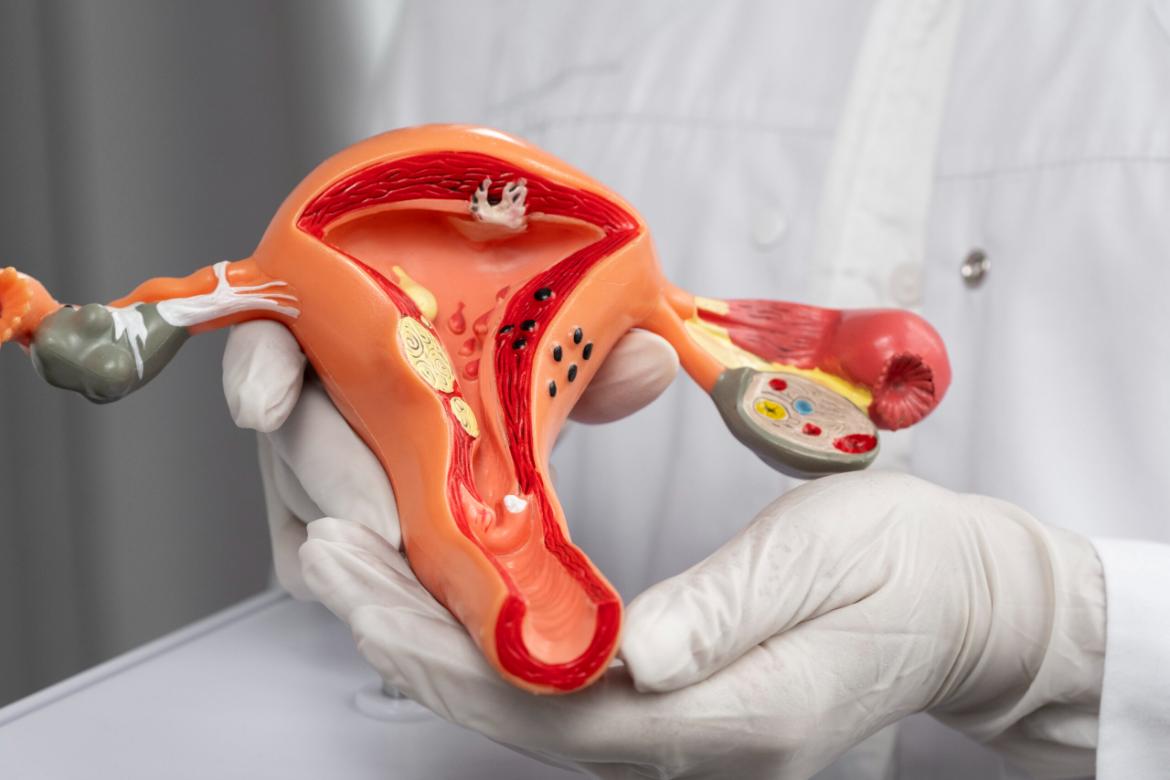
Uterine Wall Thickening Surgery
Uterine wall thickening , medically known as endometrial hyperplasia, is a significant condition affecting women's reproductive health. The uterine wall is the tissue lining the inside of the uterus and changes each month during the menstrual cycle. In some cases, this tissue can become excessively thick, leading to various health problems. Surgery for uterine wall thickening is a treatment option to address this issue.
What is Uterine Wall Thickening?
The uterine lining thickens and sheds in response to hormonal changes during each menstrual cycle. This process is essential for supporting implantation of a fertilized egg. For some reasons, this cyclical change can be disrupted, and the uterine lining thickens more than normal. Endometrial hyperplasia is usually caused by overproduction of the hormone estrogen. This excessive thickening of the uterine lining can lead to abnormal bleeding and, in some cases, more serious health problems.
Causes of Uterine Wall Thickening
There are many causes of uterine wall thickening. The most common are:
- Hormonal Imbalances : Excessive estrogen production can cause the uterine lining to thicken. In particular, when the hormone progesterone is insufficient, this can lead to excessive thickening of the uterine lining due to estrogen.
- Polycystic Ovary Syndrome (PCOS) : PCOS causes hormone imbalances, leading to thickening of the uterine wall.
- Excess Weight : Excess weight can increase estrogen production in the body, which leads to thickening of the uterine wall.
- Menopause : Changes in hormone levels during the pre- and post -menopausal period trigger thickening of the uterine wall.
- Advanced Age : In women aged 40 and over, the risk of uterine wall thickening increases due to hormonal changes.
- Cancer Risk : In rare cases, uterine wall thickening can be a symptom of uterine cancer. Therefore, regular gynecological exams are very important.
Symptoms of Uterine Wall Thickening
There are some obvious symptoms of uterine wall thickening. These symptoms usually begin with irregular periods, but other common symptoms should also be considered, as they can manifest differently in each woman.
- Heavy and Prolonged Menstrual Bleeding : Abnormally heavy bleeding or prolonged bleeding may occur during the menstrual period.
- Vaginal bleeding outside of your menstrual period may be a sign of thickening of the uterine wall.
- Pelvic Pain : When the uterine wall thickens, pain, pressure or discomfort may be felt in the pelvic area.
- Infertility Problems : Excessively thickened uterine walls can prevent the egg from attaching to the uterus, leading to infertility.
- Bloody Discharge : Especially after menopause, bloody discharge may be a symptom of uterine wall thickening.
Uterine Wall Thickening Surgery
Various methods can be used to treat uterine wall thickening. In some cases, surgery is necessary to resolve the issue. Surgery for uterine wall thickening is generally recommended in the following cases:
- Conditions Unresponsive to Medical Treatment : Hormone therapy or other medical methods may not be effective for some patients. In these cases, surgical intervention is unavoidable.
- Cancer Risk : Uterine wall thickening can pose a cancer risk, especially in postmenopausal women. If endometrial hyperplasia develops due to a cancer risk, it's crucial to treat it.
- Heavy Bleeding : Surgical intervention may be necessary for patients who experience excessive bleeding during their menstrual period and cannot be controlled with medical treatment.
Uterine Wall Thickening Surgery options include:
- D&C (Dilation and Curettage) : D&C, a procedure in which the endometrium is scraped off to treat thickening of the uterine wall, is a common procedure. During this procedure, the endometrium is removed from the uterine lining.
- Hysterectomy : In cases where uterine wall thickening is very severe and other treatment methods are not effective, complete removal of the uterus (hysterectomy) may be necessary.
- Endometrial Ablation : This procedure destroys the lining of the uterus, relieving bleeding problems. It's generally suitable for women who don't want a hysterectomy but haven't responded to other treatment options.
Post-Operative Recovery Process
The recovery period after uterine wall thickening surgery can vary depending on the surgical procedure chosen. Patients are generally observed in the hospital for a few days after surgery. Recovery after a D&C or endometrial ablation may be shorter, while recovery after major surgery like a hysterectomy may be longer. The risks of uterine wall thickening surgery are the same as with any surgical procedure, and the surgeon performing the surgery is also crucial. After surgery, it's important for women to avoid certain physical activities and attend follow-up appointments as recommended by their doctor.
Uterine wall thickening can often lead to serious health problems, but with proper diagnosis and treatment, this condition can be managed. Surgery is a condition that may require intervention and often results in improved quality of life for women. However, it's important to remember that every treatment method is personalized, so early diagnosis through regular gynecological examinations is crucial. Following your doctor's advice after surgery will help accelerate your recovery. Özel Magnet Hospital offers gynecology and obstetrics surgeries. Contact us today .
