


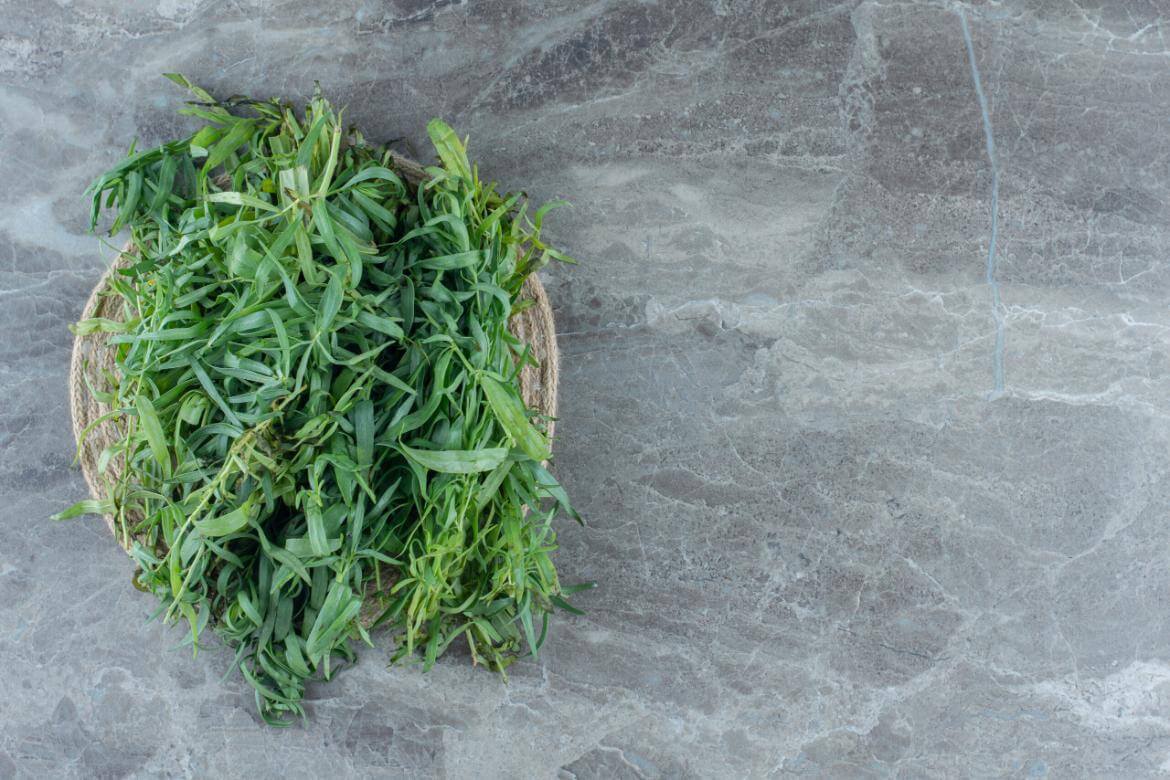
Zahter: Benefits, Uses and Health Effects
Medicinal and aromatic plants are natural resources that have been used for years to treat various health problems. The compounds they contain can provide numerous health benefits. Among the medicinal and aromatic plants used to treat ailments such as sore throats, stomach problems, and sleep problems is the regionally widespread thyme plant.
The thyme plant is a plant species commonly found in regions with Mediterranean climates such as Hatay, Kilis, Gaziantep, and others. Its scientific name, Thymbra spicata L., belongs to the Lamiaceae family and is also commonly known as thyme. In addition to being used as a spice in cooking, thyme is also used in skin and hair care, as well as to support digestion and relaxation.
The thyme plant stands out as an aromatic plant frequently used to produce essential oil. This essential oil is used in both scientific studies and commercial products. Among the health benefits of thyme are its ability to support the immune system thanks to its high antioxidant content, alleviate pain by combating free radicals, and contribute to overall health by boosting metabolism.
The natural properties of the thyme plant allow it to be used in a variety of traditional medicine and modern healthcare practices. However, individuals with any medical conditions are advised to consult a qualified healthcare professional before using this herb.
Health Benefits of the Thyme Plant
Thyme is a plant with many health benefits, holding a significant place among medicinal and aromatic plants. The health benefits of the thyme plant include:
- Supports the immune system: Thanks to its powerful content, the zahter plant strengthens the immune system and protects the body against diseases.
- Anti-inflammatory effect: With its strong anti-inflammatory properties, the thyme plant reduces inflammation in the body and relieves symptoms such as fever and pain.
- Rich in antioxidants: Its high antioxidant content protects body health by fighting free radicals and provides protection against diseases associated with aging.
- Supports intestinal health: Rich in fiber, zahter can be used to protect and repair the digestive system.
- Appetite enhancing properties: People who have problems with their appetite can benefit from the appetite enhancing properties of zahter.
- Diabetes control: Thanks to its positive effects on blood sugar, it can be used by diabetic patients with a doctor's recommendation.
- Supports kidney health: It can be used to protect kidney health, prevent urinary tract infections and benefit from its diuretic properties.
- Relaxing and sleep-regulating: Zahter tea and its essential oil help the person relax with their soothing effect and can be used in cases of intense stress or fatigue.
- Supports brain health: Its antioxidant effect contributes to brain health and strengthens memory.
- Weight control and metabolism booster: Zahter, which is high in fiber, helps control weight by reducing the feeling of hunger and accelerates metabolism.
- Regulates cholesterol levels: It protects heart health by regulating the levels of bad cholesterol and total cholesterol in the blood.
- Vitamin and mineral storehouse: Zahter is rich in vitamins and minerals such as magnesium, potassium, iron, calcium and zinc.
- Supports respiratory tract health: It has a soothing effect on upper respiratory tract infections, relieving throat infection and cough.
- Nervous system protector: Protects nervous system cells, relieves anxiety, stress and sleep problems.
- Contributes to hair and skin health: Thyme oil is used in hair care and skin health. It nourishes hair, protects skin, and combats signs of aging.
- Helps to eliminate toxins: It helps to eliminate toxins from the body by protecting kidney, liver and intestinal health.
Uses of the Thyme Plant
The thyme plant, with its benefits and unique aroma, is used in many different areas. Common uses include:
- Gastronomy and cuisine: The zahter plant, grown in the Mediterranean region, can be used fresh in salads or dried and added as a spice to dishes, appetizers and salads to add flavor.
- Tea Form: Thyme can be brewed as a tea, either fresh or dried. It benefits the digestive system and may help relieve menstrual cramps.
- Spice and flavoring: Fresh or dried, thyme is used as a spice in meat and chicken dishes, and in yogurt-based appetizers. Ground and mixed thyme is a popular choice.
- Aromatherapy and Phytotherapy: Oils derived from the thyme plant are used in aromatherapy and phytotherapy. They are preferred in massage treatments for their relaxing effects.
- Health teas and supplements: The thyme plant can be used in health teas or dietary supplement formulations. It is widely used medicinally because it supports the digestive system and strengthens the immune system.
- Cosmetics and skin care products: The thyme plant is known for its antioxidant properties, so it can be used in the formulations of skin care products and cosmetic products to benefit from its cell regenerative and rejuvenating effects.
- Aromatic oil and essence production: The thyme plant is frequently used in the production of aromatic oils and essences. These extracts are used in various products in the pharmaceutical, cosmetic, and perfumery sectors.
- Scientific research and phytotherapy studies: It can be used in scientific studies and phytotherapy research to investigate the effects of the zahter plant on health.
These various uses of the zahter plant allow it to be evaluated in a wide range of sectors such as health, cuisine, beauty and wellness.
How to Consume Zahter?
Zahter is a blend of herbs unique to Middle Eastern cuisine and typically contains oregano, sesame, cumin, sumac, mint, and other spices. This blend can be used in salads, appetizers, or meat dishes. Here are some suggestions for consuming zahter:
- Thyme salad: Mix thyme with fresh greens to create a delicious salad. Add tomatoes, cucumbers, onions, olives, and cheese for a more flavorful flavor. Dress your salad with olive oil and lemon juice.
- Yogurt with Zahter: Mix yogurt and zahter for a healthy appetizer or side dish. Drizzle with a little olive oil and enjoy with bread or pita bread.
- Zahter-based sauces: You can make special sauces by mixing zahter with olive oil, lemon juice, garlic, and salt. Pour these sauces over roasted vegetables, chicken, or fish.
- Zahter bread: Adding zahter to bread dough can add a unique flavor. Homemade zahter bread can be enjoyed for breakfast or as a snack.
- Zahter tea: Zahter tea is popular in many Middle Eastern countries. You can drink it by adding the zahter mixture to hot water and adding honey or sugar if desired.
- Meat dishes with zahter: Zahter adds flavor to meat dishes, especially lamb or chicken. You can marinate the meat in a zahter marinade or add it during cooking.
- Pilaf with Zahter: When making pilaf, you can add Zahter to the rice water or into the rice to obtain an aromatic pilaf.
Remember, using zahter depends on personal preference and taste. By creating your own recipes, you can try it in different dishes and discover new flavors.
Zahter Oil Top of Form
Zahter oil contains a compound high in thymol. Thymol is a compound that protects the plant from external factors. However, thymol has a number of positive effects on human health. Thanks to the thymol content in zahter oil, it can be used as an antimicrobial agent for conditions such as fungal problems, skin infections, and upper respiratory tract disorders. Furthermore, due to its thymol content and pleasant aroma, zahter oil is frequently used in products like toothpaste and mouthwash.
Zahter oil is also widely used in aromatherapy. Its relaxing properties make it a popular choice as a massage oil. These properties make zahter oil a natural and versatile product.
You can experience these benefits by using za'atar oil in your own health and beauty routine. However, it's important to consult a professional before using any skin products or oils.
What are the Side Effects of the Thyme Plant?
While the thyme plant is generally known for its health benefits, uncontrolled use can cause some side effects. These possible side effects may include:
- Effects of Zahter oil on skin: Concentrated formulations of Zahter oil can cause irritation and irritation when applied to the skin, especially on sensitive skin. Therefore, Zahter oil should be diluted appropriately when used.
- Negative effects of excessive consumption: As with anything, excessive consumption of zahter is not recommended. Overuse can lead to adverse symptoms such as diarrhea, stomach upset, and fever.
- Use during pregnancy and breastfeeding: It is important for individuals who are pregnant or breastfeeding to consult a healthcare professional before using the zahter plant.
- Effects on blood sugar levels: Consuming thyme can cause sudden drops in blood sugar. Therefore, diabetics should use it with caution.
- Allergic reactions: Although rare, some people may experience allergic reactions to thyme. It may be helpful to perform a skin test before use.
- Thyroid problems: It is important for thyroid patients to consult their doctor before using zahter, as the herb may have effects on thyroid function.
When used correctly and in appropriate amounts, thyme can provide many health benefits. However, everyone's health is different, so it's always important to consult a healthcare professional before using any herb or supplement.
