


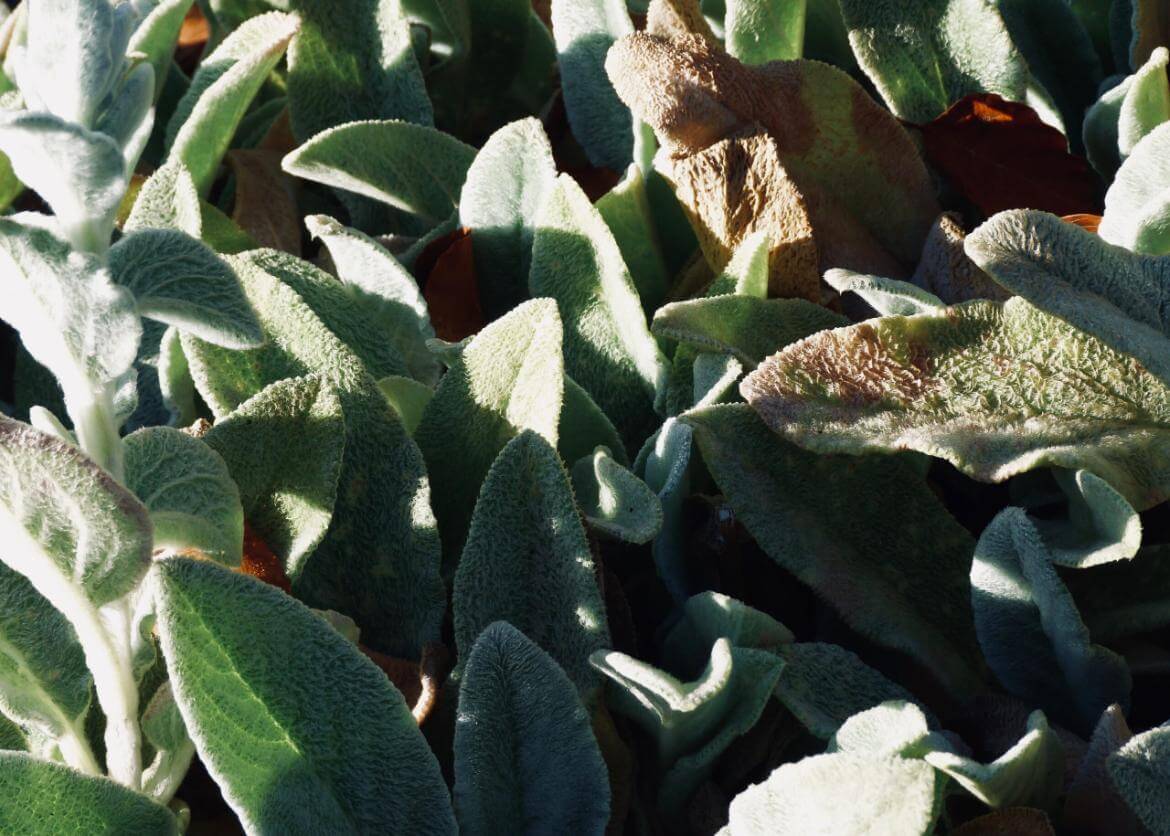
What is Lamb's Ear? What are the Benefits of Lamb's Ear?
Lamb's Ear
It's generally defined as a herbaceous plant that grows in regions such as Europe, Central Asia, the Middle East, and Turkey. It's particularly well-known in European and French cuisine as a sour flavoring ingredient. Offering numerous potential health benefits, the plant is noted for its satiating and nutritious properties.
Known as Rumex acetosella, also known as lamb's tongue, this plant can be consumed raw and also adds freshness to salads.
Nutritive value?
Lamb's ear is a nutrient-rich plant with a low calorie content and high fiber and vitamin C. The nutritional values of this plant include:
- Calories: 29
- Protein: 5 grams
- Fat: 1 gram
- Carbohydrate: 4 grams
- Fiber: 4 grams
- Vitamin C: 71% of the daily value
Because of this rich nutrient profile, this herb can be an important part of a healthy diet, while also being an ideal choice for those looking for a low-calorie option.
Benefits?
Lamb's ear has many health benefits, including:
- Antioxidant content: Lamb's ear contains antioxidants, which may help prevent heart disease, cancer, and other chronic diseases by fighting free radicals in the body.
- Source of iron and phosphorus: The iron and phosphorus it contains can support blood health and contribute to energy production in the body.
- Rich in vitamin C: Lamb's ear is rich in vitamin C, which strengthens the immune system.
- High fiber content: Thanks to its high fiber content, it can support intestinal health, improve digestion and help control weight by increasing the feeling of fullness.
- Lowering blood sugar: Lamb's ear may have properties that can lower blood sugar, which may reduce the risk of type 2 diabetes.
- Antipyretic effect: Thanks to its antipyretic properties, it can regulate body temperature and help relieve feverish conditions.
- Support for anemia problems: Thanks to the iron it contains, it can provide support against anemia problems.
- Magnesium content: Lamb's ear contains magnesium, which supports bone health.
- Use in the treatment of Alzheimer's disease: Some studies suggest that sorrel may have positive effects in the treatment of Alzheimer's disease.
- Preventing high blood pressure: It may have properties that can reduce the risk of high blood pressure.
- Fighting cancer: Some studies have shown that sorrel may inhibit the growth and spread of certain cancer cells.
- Supporting heart health: May positively impact heart health and reduce the risk of heart disease.
- Reducing the effects of bronchitis: It can relieve the effects of bronchitis and support respiratory system health.
- Supporting eye health: Thanks to its vitamin A content, it can support eye health .
- Protection against chronic diseases: Lamb's ear can protect the body in general against chronic diseases.
How to Consume?
Lamb's ear is a versatile vegetable that can be used in a variety of dishes and salads. Here are some ways to consume lamb's ear:
- Use in salads: Lamb's ear can be chopped and added fresh to salads. This adds a tart flavor and a crunchy touch.
- Raw consumption: Washed and cleaned sorrel can be consumed directly raw. This allows you to experience the plant's natural flavor at its best.
- Use in tea form: Dried lamb's ear can be used in tea form. Brewing tea with dried lamb's ear can help you enjoy the plant's beneficial properties in beverage form.
- Adding to dishes: Lamb's ear can enhance the flavor of various dishes. It can be used in sauces, soups, or main dishes.
- Smoothie and juice: Lamb's ear can be consumed by adding it to healthy smoothies or drinks.
- Garlic yogurt dip: Lamb's ear can be eaten as a snack or with vegetables in a garlic yogurt dip.
- Pickling: Lamb's ear can be prepared as a pickle and used as a garnish in various dishes.
- In wok or sauté dishes: Lamb's ear can be used with vegetables in wok or sauté dishes made with quick cooking methods.
Consumption can vary depending on personal preferences and taste. You can find this herb fresh or dried, and you can vary its use depending on your needs.
Are There Any Side Effects?
Generally, consuming sorrel is considered safe for most people. However, side effects can occur if any plant is consumed in excessive amounts or if an individual experiences a specific allergic reaction. It is also recommended that individuals consult their physician, especially during pregnancy or with certain health conditions.
Potential side effects and precautions may include:
- Allergic reactions: Some people may have allergic reactions to this herb. These reactions may include itching, redness, swelling, or difficulty breathing. People who experience allergic reactions should avoid consuming this herb.
- Stomach upset: Some people may experience stomach upset after consuming excessive amounts of this herb. In this case, it may be appropriate to reduce the amount or stop consumption.
- Pregnancy and breastfeeding: Pregnant or breastfeeding women are advised to consult their doctor before use, especially in large quantities.
- Drug interactions: May interact with some medications. Therefore, it is important for people with any health problems or taking regular medications to consult their doctor first.
- Gallbladder problems: It may cause problems in people with gallstones. It is important for these individuals to consult their doctor before consumption.
As with any plant or food item, it is important to consume sorrel in moderate amounts and pay attention to your individual tolerance.
Who Should Not Consume?
This herb should be used with caution, as it can cause adverse reactions despite some health benefits. Therefore, it is recommended to avoid using this herb or consult a doctor if:
- Children: This herb is generally not recommended for children as it can harm their delicate health and developing systems.
- Pregnant women: Due to its potential effects and possible risks, use of sorrel should be avoided during pregnancy. Pregnant women should consult their doctor about herbal supplements or natural products.
- Breastfeeding mothers: Breastfeeding mothers should avoid using sorrel or consult their doctor due to its effects on milk production or the baby.
- Stomach problems: People with stomach ailments should consult their doctor before consuming this herb. Excessive use may cause nausea, vomiting, or other digestive problems.
- Liver problems: Individuals with liver health problems should consult their doctor before using this herb. In some cases, abu otitis media may negatively affect liver health.
- Kidney stone formation: People who are prone to kidney stone formation should avoid the use of this herb or consult their doctor due to its high oxalic acid content.
Since everyone's health condition is different, it is important to consult a health professional before using this herb, especially to check if the conditions mentioned above apply.
Does It Help You Lose Weight?
Lamb's ear is a plant notable for its low-calorie content and high fiber content. Its high fiber content can slow digestion, promoting a feeling of fullness, which can help with weight management. Furthermore, its fiber content can support intestinal health and have positive effects on the digestive system.
However, consuming the plant alone isn't a magic bullet for weight loss. Weight loss requires a balanced diet, regular exercise, and lifestyle changes. Foods like sorrel should be considered part of an overall healthy diet.
Consuming this plant, especially in salads or raw, can be a low-calorie and healthy snack option. However, to achieve weight loss goals, it's important to adopt a balanced diet that includes this plant, as well as other nutrients and foods.
Can It Be Consumed Raw?
Yes, it can be consumed raw. It's a plant often used fresh in salads and can be consumed raw. Washed and cleaned leaves can be added raw to salads or used in other dishes.
Eating raw can help preserve the plant's natural flavor and freshness, as well as better preserve its nutritional value. However, hygiene is essential for freshly consumed plants. It's important to wash and clean them, removing any soil or dirt.
Eating this plant raw can be a delicious and nutritious option, especially for salad lovers. However, it's important to source it from a reputable source and wash it properly before harvesting.
