


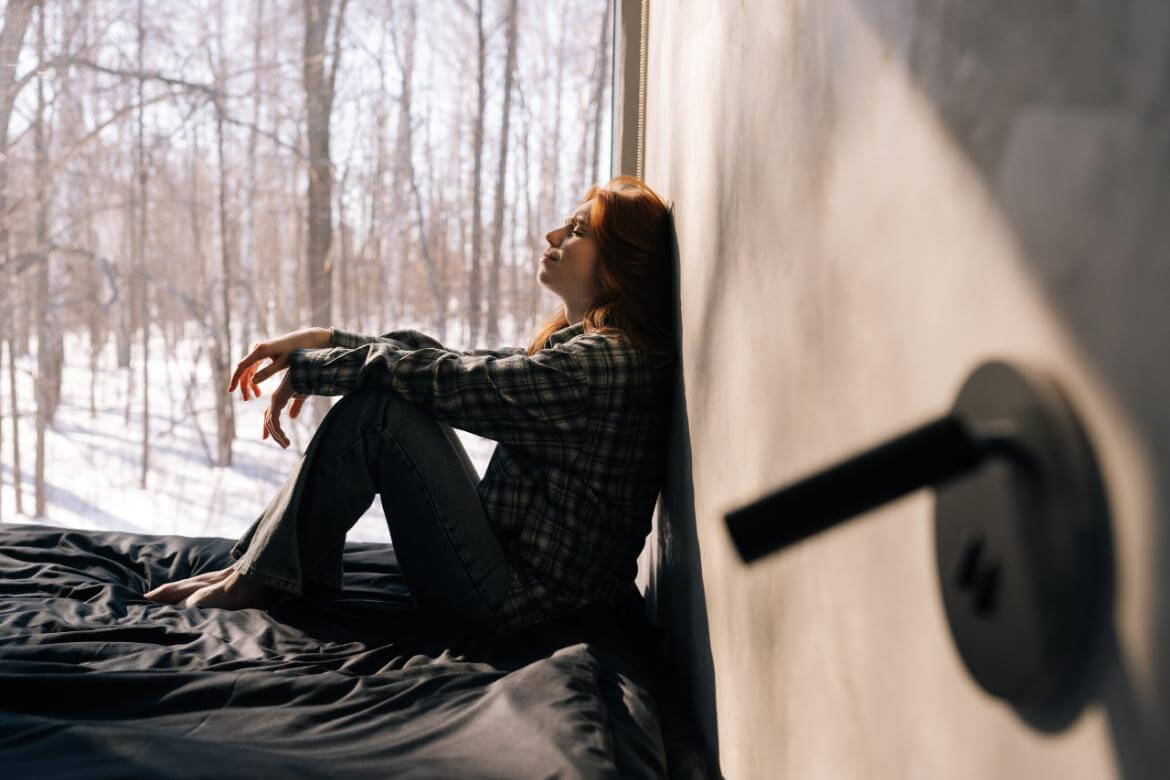
Winter Depression: What is Seasonal Affective Disorder?
With the arrival of winter, we witness a transformation in nature; not only do the leaves fall, but our moods can also change. Cold weather, short days, and long nights don't just mean cozy moments under a warm blanket for some of us. During this season, we may experience symptoms such as decreased energy, melancholy, and a general feeling of sadness. Seasonal affective disorder, also known as winter depression, is a condition that affects many people during the winter months. Winter depression is also scientifically known as seasonal affective disorder or seasonal depression. It typically becomes apparent between late autumn and early spring and is associated with seasonal changes such as shorter days and less sunlight.
The decrease in daylight hours during winter can lead to various biological and chemical changes in our bodies. These changes can cause mood swings in some individuals. Winter depression is more common in people living in northern regions, where they are exposed to less sunlight during the winter months.
This condition can be observed not only in adults but also in children and adolescents. However, it occurs more frequently in adult women than in men. Winter depression is not limited to seasonal changes; it can also be triggered by factors such as an individual's genetic makeup, geographic region, and stress levels.
While the exact cause of winter depression isn't clear, it's thought that reduced sunlight exposure may disrupt the balance of certain brain chemicals, such as melatonin and serotonin, which play important roles in regulating sleep patterns, appetite, and mood.
Causes of winter depression
Winter depression is a condition that can arise from a combination of factors. Also known as Seasonal Sensitivity Disorder, it typically begins in the later months of fall and continues into early spring.
Shorter days and less sunlight in winter can lead to unbalanced secretion of the hormones melatonin and serotonin. These hormones affect sleep patterns and mood. Reduced sunlight can increase melatonin production while decreasing serotonin levels, leading to fatigue and feelings of depression.
Additionally, vitamin D deficiency is common during the winter months and can trigger symptoms of depression. Cold weather and reduced social activities are also triggers of winter depression. Gloomy winter weather, in particular, can exacerbate feelings of depression in some people.
During winter, the body's internal clock can become out of sync with the external environment, causing sleep patterns and mood disruptions.
Stress and lifestyle also play a significant role in winter depression. Stressors such as a busy work schedule, family problems, or financial hardship can increase the risk of depression during the winter months. Furthermore, decreased physical activity and social isolation are also triggers of winter depression.
Understanding the causes of winter depression and managing it is important. If you feel persistently tired, sad, or depressed during the winter months, it's recommended that you consult a specialist. Getting enough sunlight, eating a balanced diet, and participating in social activities can alleviate the effects of winter depression.
What are the symptoms of winter depression?
Winter depression symptoms are distinct symptoms that emerge due to seasonal changes and can be experienced by many people. These symptoms are associated with decreased sunlight, lower temperatures, and overall changes in outdoor conditions during the winter months. Physical and emotional changes, particularly experienced during the winter months, are considered symptoms of winter depression. These symptoms include:
- A constant feeling of tiredness and lack of energy
- Excessive need to sleep even during the day
- An increased appetite, especially for carbohydrates
- A tendency to gain weight regularly
- Lack of interest in social events and daily activities
- Difficulty making decisions and concentrating
- Deep thought and lack of concentration
- Persistent feelings of hopelessness, guilt, and loss of self-esteem
- Restlessness, anger management problems, and general irritability
- Decreased sexual interest and loss of libido
- A constant feeling of cold in the hands and feet
If these symptoms recur throughout the winter and significantly impact daily life, it may be winter depression. If you experience any of these symptoms, it's important to consult a healthcare professional and seek help.
Who usually suffers from winter depression?
Winter depression is a condition that can affect anyone, but it may be more common in certain groups. These groups include:
- People living in northern regions: People living in northern latitudes tend to get less sunlight during the winter months, which can contribute to a higher incidence of winter depression.
- Women: Statistically, women are more prone to winter depression than men. Hormonal differences, as well as social and cultural factors, may contribute to this tendency.
- Young adults and middle-aged individuals: Winter depression can most commonly affect individuals between young adulthood and middle age.
- People with a family history of winter depression: People with a family history of winter depression or other mental health problems are more likely to experience such problems.
- People sensitive to seasonal changes: Some people are more sensitive to seasonal changes and symptoms of depression may become more pronounced during the winter months.
- Those with stressful life circumstances: Individuals with particularly stressful work or family lives may be more vulnerable to winter depression.
Individuals in these groups should be more careful when they experience symptoms of winter depression and seek professional help if necessary.
How to treat winter depression?
Treatment for winter depression is individualized, taking into account the severity of symptoms and the individual's overall health. Treatment may often involve one or more combinations of methods. Here are some commonly used methods for treating winter depression:
- Light therapy (Phototherapy): This is a treatment used to increase exposure to sunlight. Bright light boxes, especially in the morning, can help compensate for the lack of sunlight.
- Medication: Antidepressants can be used to relieve symptoms of winter depression. It is recommended to use an appropriate antidepressant, determined by a doctor.
- Regular exercise: Exercise can improve mood and reduce stress by increasing endorphin release. At least 30 minutes of moderate exercise per week can be beneficial.
- Nutritional adjustments: A balanced diet can help ensure the body gets the nutrients it needs and maintain energy levels. People with vitamin D deficiency, in particular, may need to take supplements.
- Routine changes: Making small changes to daily routines and activities can help break up monotony and improve mood.
- Psychotherapy (talk therapy): Therapy sessions with a therapist can be effective for coping with symptoms of depression. Different therapy methods, such as individual therapy, group therapy, or family therapy, may be used.
- Stress management: Reducing stress and practicing relaxation techniques can alleviate symptoms of winter depression. Techniques such as yoga, meditation, and deep breathing exercises can be helpful.
- Social support: Spending time with family and friends, attending social events, and joining support groups can provide emotional support and prevent isolation.
Treatment options may vary depending on a person's needs and the severity of their symptoms. It's important to consult with a healthcare professional to determine the most effective treatment methods for managing winter depression symptoms.
5 tips to avoid winter depression
To protect yourself from winter depression, you can follow these five suggestions:
- Get enough sunlight: Exposure to sunlight is important during the winter months, as reduced daylight hours can increase the risk of winter depression. Get outside in the sunlight as much as possible every day. A morning walk or spending time outside in the sunshine can boost your mood.
- Eat a balanced and healthy diet: A balanced diet can help you get the nutrients your body needs and maintain your energy levels. Make sure to consume foods rich in omega-3 fatty acids, B vitamins, and vitamin D. Also, choose foods high in fiber and protein over carbohydrates.
- Exercise regularly: Regular exercise can reduce the risk of winter blues and improve your mood. At least 30 minutes of moderate exercise a week can reduce stress and boost your energy levels by increasing the release of endorphins.
- Attend social events: Regularly attending social events with friends and family can help prevent isolation and boost your mood. Having social support can increase your emotional resilience and reduce your risk of winter blues.
- Practice stress management techniques: Stress management techniques can help reduce the risk of depression during the winter months. Regularly practicing techniques like yoga, meditation, and deep breathing exercises can help you relax and maintain your mental health.
By following these tips, you can reduce your risk of winter depression and have a healthier winter. However, if your symptoms persist or worsen, it's important to seek help from a healthcare professional.
How long does winter depression last?
Winter depression symptoms typically appear in early fall and can persist into spring or early summer. However, the duration and severity of symptoms vary from person to person. For some, winter depression can be a mild, temporary condition, while for others, it can be more severe and long-lasting.
If you suspect you have symptoms of winter blues, it's important to consult a doctor or mental health professional. They can evaluate your symptoms and help you determine appropriate treatment options.
