


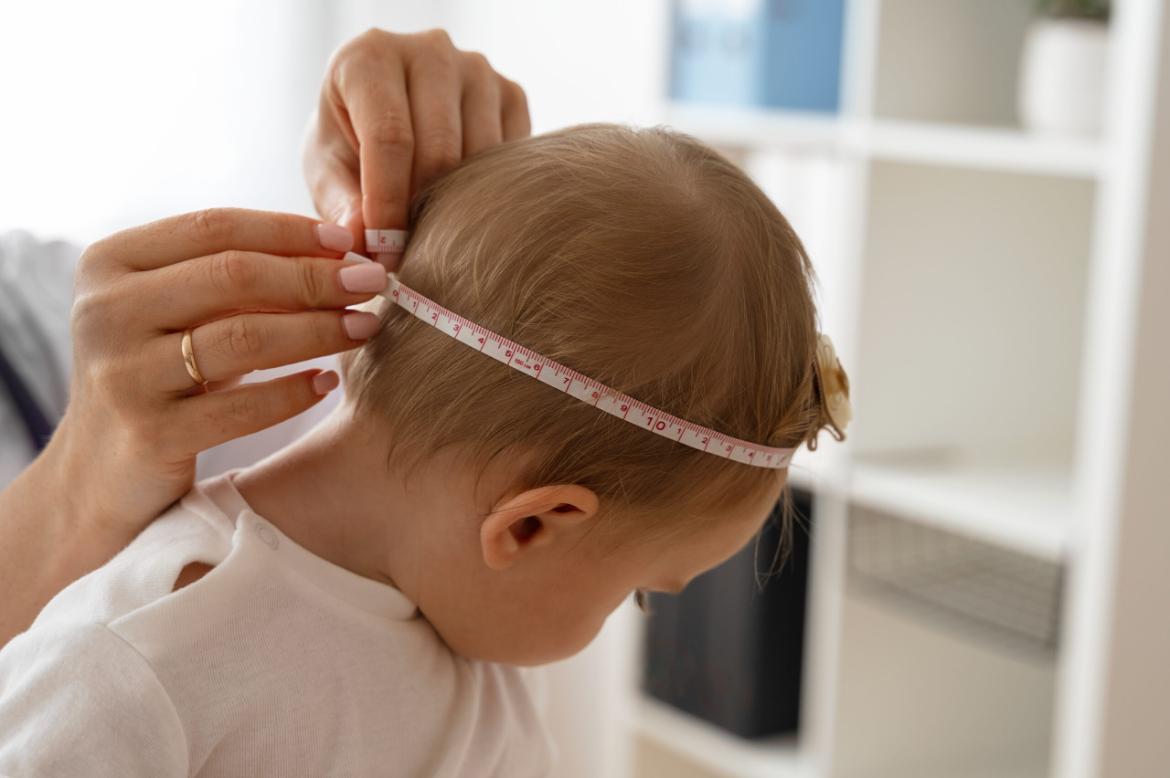
Craniosynostosis: Symptoms, Causes and Treatment Methods
Craniosynostosis is a congenital abnormality that occurs when the joints between the bones of a baby's skull, or sutures, close prematurely. This condition typically manifests as symptoms such as a baby's head deformity, hydrocephalus (fluid accumulation in the brain), and mental retardation. This common health problem, which occurs worldwide, can be treated with early diagnosis.
Normally, babies have five bones in their skulls at birth, and the sutures between these bones generally remain open until age 2, allowing for brain development. However, in some cases, these joints can close prematurely. Craniosynostosis is an abnormality that occurs when these sutures close prematurely.
According to research, craniosynostosis occurs in approximately 3.1% to 6.4% of every 10,000 live births worldwide. Therefore, early diagnosis of this condition is crucial. Early diagnosis can prevent the adverse effects of suture closure in babies with craniosynostosis.
In babies with craniosynostosis, the brain fails to grow in the area where the sutures are closed, while normal development continues in the areas that remain open. This condition causes a significant deformity in the baby's head. Furthermore, premature closure of multiple sutures can lead to health problems such as increased intracranial pressure, mental retardation, and vision and hearing problems.
Early diagnosis and appropriate treatment of craniosynostosis can positively impact a baby's health. Therefore, awareness and early diagnosis of this condition among parents and healthcare professionals are crucial.
Causes of craniosynostosis
The causes of craniosynostosis are often complex and diverse, but it is most often considered idiopathic, meaning a congenital anomaly with no known cause. However, some research suggests that genetic factors and genetic variations may play a role in the development of this condition. Craniosynostosis is divided into two main classes: syndromic and non-syndromic, and the causes of these classes may vary.
- Non-syndromic craniosynostosis: This type of craniosynostosis can often arise from a combination of genetic and environmental factors. Studies have shown that non-syndromic craniosynostosis can develop as a result of environmental factors as well as genetic factors.
- Syndromic craniosynostosis: This type of craniosynostosis usually occurs due to certain syndromes of genetic origin. For example, genetic conditions such as Apert syndrome, Pfeiffer syndrome, or Crouzon syndrome can cause the skull bones to fuse prematurely. In this case, not only head deformity but also physical and mental health problems can occur.
- Risk Factors: Expectant mothers who are treated for thyroid disease during pregnancy or who use ovulation-inducing medications immediately before pregnancy may be at higher risk of developing craniosynostosis. These factors suggest that certain risk factors during pregnancy may contribute to the development of craniosynostosis.
In conclusion, although the exact cause of craniosynostosis remains unknown, the interaction of genetic and environmental factors plays a role in the development of this congenital anomaly. Therefore, regular follow-up of pregnant women at risk is crucial for early diagnosis and appropriate treatment.
Types and symptoms of craniosynostosis
Craniosynostosis is a condition in which one or more joints in the skull close prematurely. Different types of craniosynostosis can occur depending on this condition. The main types are:
Sagittal synostosis:
- This type, which accounts for 40-60% of cases, involves premature fusion at the joint at the top of the baby's head.
- The head is under pressure from the temporal (side) and parietal (middle) directions.
- In this case, the skull appears wide from the front and back and narrower from the sides.
Coronal synostosis:
- It involves premature fusion of the right and left coronal sutures (joints between the frontal and lateral skull bones).
- The forehead flattens, the eye socket on the same side lifts upwards, and the nose is pulled to that side.
- It is the most common type of craniosynostosis after sagittal synostosis.
Bicoronal synostosis:
- It occurs as a result of premature fusion of the coronal sutures on both sides of the skull.
- The head becomes wider and shorter.
Lambdoid synostosis:
- It involves premature fusion of the lambdoid suture, which runs along the back of the skull.
- Flattening occurs at the back of the skull.
Metopic synostosis:
- It involves the premature fusion of the metopic suture, which extends from the baby's nose to the sagittal joint at the top of the skull.
- The head appears narrow when viewed from the front and wide when viewed from the back.
Symptoms and treatment methods for these types may vary. If craniosynostosis is suspected, it is important to consult a qualified healthcare professional.
What are the symptoms of craniosynostosis?
The symptoms of craniosynostosis are usually noticeable at birth but may become more pronounced in the first months after birth. Symptoms can vary depending on which sutures fuse early and at what stage of brain development this fusion occurs. Abnormalities in the shape of the head are a prominent symptom of craniosynostosis. Premature closure of the sutures can lead to an undesirable head shape. For example, sagittal synostosis can cause the head to appear narrower, while coronal synostosis can cause the head to appear flatter when viewed from the side.
Additionally, some babies may experience additional symptoms, such as vision and hearing problems. Additionally, mental or physical health problems can also be observed in cases of craniosynostosis. Therefore, early diagnosis and intervention are crucial. Parents should consult a healthcare professional if they notice changes in their baby's head shape, visible symptoms, or behavioral changes. This is a critical step in determining an appropriate treatment plan and optimally managing their baby's health.
How is craniosynostosis treated?
Treatment for craniosynostosis may involve a variety of methods, depending on the type and severity of the diagnosis. Some methods used in the treatment of craniosynostosis include:
Observation and follow-up:
- In mild cases of craniosynostosis, sometimes no treatment is necessary.
- Specialist doctors closely monitor the baby's development and evaluate whether any progress is being made.
Orthotic helmet treatment:
- Specially designed orthotic helmets may be used to help correct the shape of the skull.
- These helmets can help shape the skull and support the baby's normal development in mild cases of craniosynostosis.
Surgical intervention:
- Often, surgery is considered if there is a significant deformity in the head shape.
- Surgical treatment may be performed to release the prematurely closure suture or to reshape the skull.
- The type and timing of surgery depends on the type and severity of craniosynostosis and genetic factors.
- There may be cases where more than one surgery may be required.
The treatment plan is determined individually for each case and may require the collaboration of a multidisciplinary team. Successful treatment is closely linked to early diagnosis, accurate assessment, and appropriate intervention. It is important for parents to understand and support the treatment process through collaboration with their specialist physician.
Things to consider after craniosynostosis treatment
Craniosynostosis treatment is usually planned and implemented in collaboration with a team of experts. Some important considerations after craniosynostosis surgery:
Postoperative follow-up and controls:
- Regular follow-up and follow-up appointments are important after surgery. Specialists will assess the baby's head's healing progress and can detect any complications early.
Wound care:
- There may be small incisions in the postoperative period, depending on the surgical method used.
- Wound care is important; wound cleaning and care should be performed as recommended by the surgical team.
Follow-up imaging methods:
- To monitor developments, doctors may use high-resolution imaging to assess the condition of the skull.
- Methods such as computed tomography (CT) or magnetic resonance imaging (MRI) may be used to monitor the condition of the skull after surgery.
Physical therapy:
- Physical therapy can help improve a baby's motor skills.
- Experts can recommend appropriate physical therapy programs to strengthen the baby's head and neck muscles.
Family education and support:
- Families can receive training on the care and development of the baby in the post-operative period.
- Professionals can assist and support families in providing care appropriate to the baby's needs.
In all cases, it's important to adhere to your doctor's recommendations and follow-up plan during the postoperative period. This is important to ensure your baby has a healthy recovery and proper skull development.
What happens if craniosynostosis is left untreated?
If left untreated, craniosynostosis can often lead to problems with head and brain development. This condition can create pressure on the skull's sutures, which can limit normal brain growth due to premature closure. Potential consequences of untreated craniosynostosis include:
- Brain development problems: Sutures that close prematurely can prevent the brain from growing normally. This can lead to intellectual developmental problems, learning disabilities, or other neurological problems.
- Eye problems: Craniosynostosis can affect the shape of the bones around the eyes. This can cause eye problems, such as eye movement problems or vision loss.
- Changes in facial shape: Because craniosynostosis causes the skull to grow abnormally, it can cause facial changes. These changes can cause cosmetic issues and various breathing problems.
- Hearing problems: Craniosynostosis can interfere with the normal development of the ear bones, which can lead to hearing problems.
- Breathing problems: Craniosynostosis can change the shape of the facial bones, which can cause breathing problems.
- Physical development problems: Depending on the severity of craniosynostosis, physical developmental delays may be observed.
If left untreated, craniosynostosis can cause a variety of quality of life issues and long-term health problems.
