


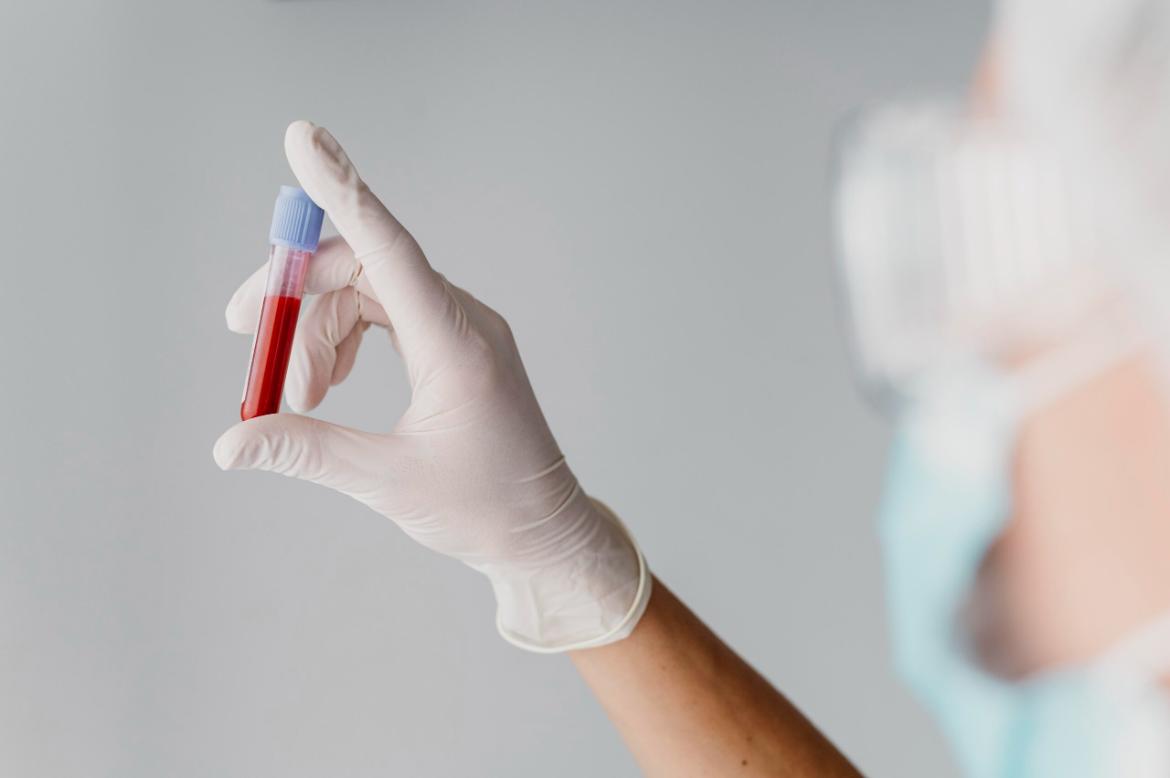
What is the PDW Test? Low and High PDW
What is the PDW Test?
Platelet Distribution Width (PDW) is a blood test that measures the size variations in platelets. The PDW test determines how variable or similar the size of platelets is. The PDW value reflects the size differences between platelets.
Platelets play a vital role in blood clotting. If the body doesn't have enough platelets or if there are too many, the PDW value can be either low or high.
A low or high PDW can reflect signs of changes in platelet count. While the PDW test shows platelet size variations, it does not diagnose a specific disease. However, these changes in platelet count can indicate the presence of certain health problems or potential risks. A low PDW, in particular, can be a symptom of a number of conditions, including blood clotting problems and bleeding disorders.
Low PDW levels can be caused by many problems in the body. However, to interpret these values and determine which diseases they indicate, they often need to be evaluated alongside other clinical symptoms and test results. Therefore, the meaning of PDW test results and their associated conditions should be reviewed by a qualified healthcare professional.
Why is the PDW (Platelet Distribution Width) Test Performed?
The Platelet Distribution Width (PDW) test determines platelet distribution width by measuring the size differences between platelets (cells that help blood clot). This test evaluates the size differences between platelets and measures the extent of these differences.
The PDW test is often used to help understand and evaluate blood clotting control. Platelet size changes can be associated with certain health conditions or diseases. This test may be ordered for conditions such as:
- Bleeding disorders: Problems with the blood clotting process or bleeding tendencies are examined.
- Inflammatory conditions: Inflammatory diseases may cause changes in PDW test results.
- Cardiovascular Diseases: Cardiovascular diseases can affect platelet function.
- Bone marrow problems: Bone marrow problems can affect platelet production, which can cause changes in PDW values.
- Other health conditions: A PDW test may be requested, especially in people with symptoms such as bleeding, bruising, bleeding gums, or blood in the digestive system or stool.
These symptoms and conditions may be associated with bleeding problems or platelet dysfunction. The PDW test can be an important tool for evaluating and diagnosing these health issues. However, it may not be sufficient on its own to make a specific diagnosis. Doctors often evaluate these test results in conjunction with other clinical findings and tests. Therefore, it is important to consult with a healthcare professional before ordering a PDW test.
What Should the PDW Test Value Be?
The normal range of PDW (Platelet Distribution Width) test results may vary by device and laboratory. Generally, the normal ranges stated for PDW values may vary depending on the device type and measurement methods used.
Commonly accepted normal ranges for PDW Test values are:
- In tests read according to the optical system, values between 25% and 65% can generally be considered normal.
- In tests using the impedance measurement method, values between 9.0 fL and 14.0 fL are considered the normal PDW range.
These values may vary depending on the equipment, measurement methods, and laboratory standards used by the laboratory. Therefore, when assessing PDW, reference ranges established by the relevant laboratory or healthcare professional should be considered for test results and their interpretation. Test results should be evaluated by a healthcare professional in conjunction with the individual's general health status and symptoms. This allows for a more accurate interpretation of normal PDW values for a given individual.
What is PDW Height?
An elevated PDW (Platelet Distribution Width) reflects changes in platelet size and shape. In this case, a PDW value above the reference range indicates a wide distribution in platelet size.
High PDW may be a symptom of various conditions:
- Vascular diseases: Conditions such as cardiovascular diseases, vascular occlusions, narrowing of the arteries or blood clots may cause increased PDW values.
- Cancer: Some types of cancer can cause elevated PDW. This can trigger the cancer's inflammatory process, leading to changes in the structure of platelets.
- Bone marrow problems: Bone marrow disorders or problems can cause increased PDW values. In this case, platelet production in the bone marrow may be affected.
Symptoms such as unexplained bruising, tremors in the hands and feet, rapid heartbeat (palpitations), and nosebleeds may be signs of elevated PDW. However, these symptoms may not indicate a specific condition and may be caused by other health issues. Therefore, if your PDW is high, it's important to consult a doctor and have additional testing performed. A healthcare professional can make an accurate diagnosis based on your symptoms and test results and initiate appropriate treatment.
What Causes High PDW?
An elevated PDW (Platelet Distribution Width) can occur due to various health conditions. Some possible causes include:
- Bone marrow problems: Bone marrow disorders can cause platelets to be produced in abnormally large sizes. This can lead to a high PDW.
- Birth control pills: Some hormone-based medications, especially birth control pills, can increase PDW values by acting on platelets.
- Infections: Some infections, especially chronic or widespread ones, can increase inflammation in the body and cause increased PDW levels.
- Chronic diseases: Chronic health conditions such as anemia, arthritis, diabetes, cardiovascular disease, respiratory diseases and various types of cancer can be associated with elevated PDW.
- Pulmonary embolism: Clots that form in the lung arteries (pulmonary embolism) may be associated with blood clots and lead to elevated PDW levels.
These conditions can be associated with elevated PDW, but it's important to consult a specialist to make a definitive diagnosis based on any symptoms or test results. High PDW can be caused by many different conditions, and a thorough evaluation may be necessary to determine the underlying cause.
What is Low PDW? What causes it?
A low PDW (Platelet Distribution Width) indicates a decrease in the variability in platelet size. This can indicate various health problems. Possible causes include:
- Nutrition: An unbalanced and inadequate diet can cause the body to not receive the necessary nutrients and therefore cannot produce blood cells in normal sizes.
- Infections: Certain viruses and infections can disrupt the normal function of the bone marrow and affect platelet production. Some viral infections, in particular, can cause this condition.
- Hepatitis: Liver diseases, particularly hepatitis, can cause problems with the production of blood components and prevent the production of normal-sized platelets.
- Cancer: Some types of cancer can disrupt the normal function of the bone marrow, affecting platelet production. Bone marrow cancers or metastases can interfere with the healthy production of platelets.
- Menstrual bleeding: Excessive or prolonged menstrual bleeding can sometimes lead to low platelet count in the body.
Low PDW can present with symptoms. Symptoms such as fatigue, feeling cold, dizziness, irritability, and forgetfulness may accompany this condition. However, these symptoms can be associated with many different conditions, so it's important to consult a specialist and have the necessary tests. Low PDW may require a detailed evaluation to identify any underlying health conditions.
Treatment of Low and High PDW Test
If the amount of PDW in the blood is low or high, appropriate treatment methods can be determined after determining the underlying cause.
Treatment for Low PDW:
- Nutrition: If PDW is low due to nutritional deficiencies, a balanced and healthy eating plan can be established. A diet rich in vitamins and minerals can help increase PDW levels.
- Treating the underlying cause: If the low PDW is caused by another disease, that disease must be treated first. For example, treating diseases such as cancer or hepatitis can correct the low platelet count.
Treatment of High PDW:
- Vitamin and mineral supplements: High PDW levels can sometimes be due to iron or vitamin deficiencies. Supplements containing the deficient vitamins or minerals may be recommended under the guidance of a specialist physician.
- Treating the underlying condition: If the elevated PDW is caused by another underlying health problem, that underlying condition may need to be treated first. For example, if there's an infection or metabolic disease, treating these conditions may return PDW levels to normal.
In either case, treatment is determined by individual needs and underlying health conditions. An appropriate treatment plan should be developed based on the evaluation and recommendations of a specialist physician. Therefore, it is important to consult a physician if low or high PDW is detected.
How Dangerous is the PDW Test?
PDW test results are generally considered normal in laboratories within the range of 9.0-14.0 fL. This range reflects the variability in platelet size. However, the PDW value can vary depending on the patient's overall health, the testing methods used by the laboratory, and reference ranges.
Whether a PDW test value is high or low can be an indicator of a person's health condition. However, it's difficult to determine whether a specific PDW value is directly dangerous, as a single assessment is often insufficient. PDW alone is meaningless and is usually evaluated in conjunction with other blood tests and clinical findings.
Doctors evaluate PDW test results alongside other clinical findings to gain a clearer picture of a patient's overall health. The results require a comprehensive evaluation to provide more information about a specific disease or condition. Therefore, there is no specific "dangerous" value for PDW values, but abnormal values may prompt further evaluation by a doctor.
