


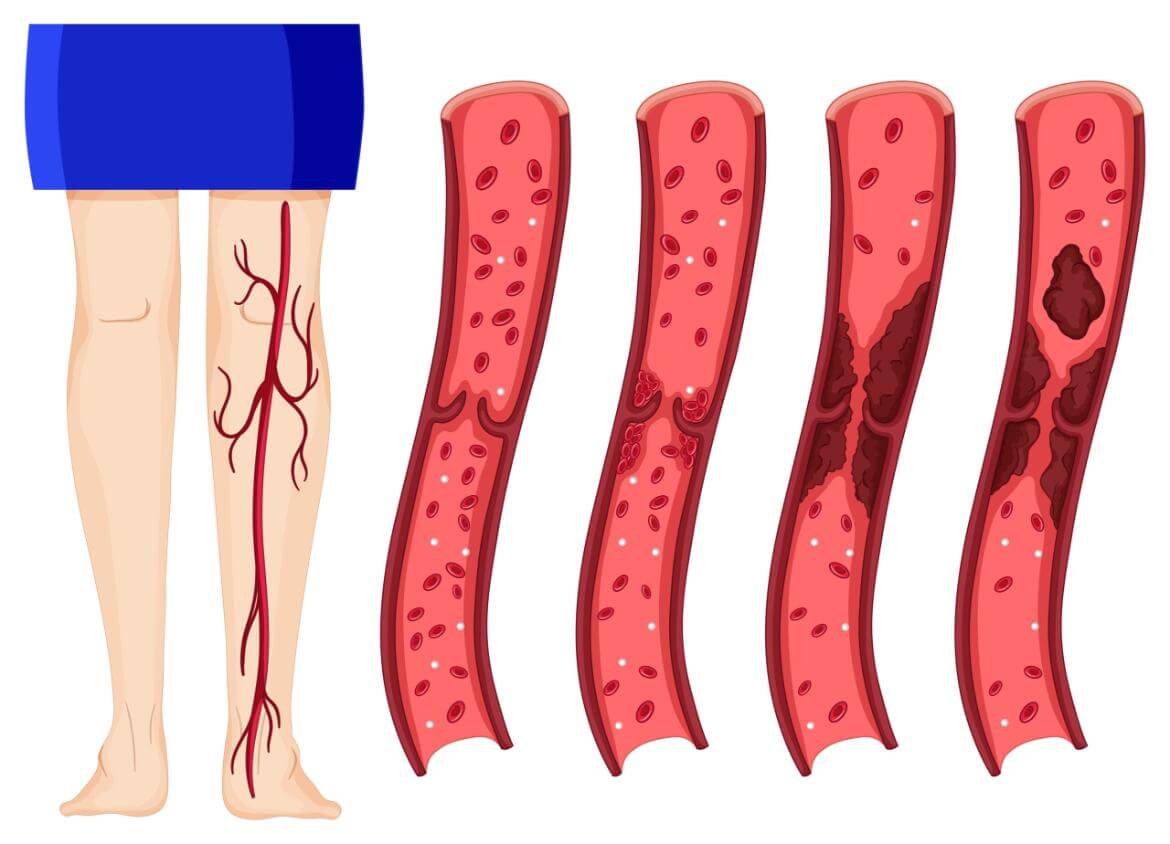
Hematoma
Hematomas are blood accumulations that typically occur as a result of damage or injury to blood vessels in the body. While they vary in type and severity, hematomas generally occur when blood accumulates within tissue as a result of damage to the vessel wall. This blood accumulation can be externally noticed as swelling or bruising.
Hematomas can be small and superficial or large and deep. For example, a hematoma that forms under the nail (subungual hematoma) usually affects a small area, while a hematoma resulting from major trauma can cause swelling and pain over a larger area.
Hematomas generally heal on their own. Small hematomas may self-absorb and disappear over time. However, large or deep hematomas can be serious and can lead to increased pain, swelling, or other complications over time. Large hematomas, especially those located in the head, neck, or internal organs, may require serious medical intervention.
Generally, applying cold to the area where a hematoma has formed, elevating the affected area, and resting can help relieve symptoms. However, in large, extremely painful, or severe cases, it is important to seek medical attention. Therefore, it is always recommended to consult a healthcare professional if a hematoma is significant.
Hematoma symptoms
Hematomas are usually caused by the accumulation of blood within tissue and can cause a variety of symptoms. Symptoms vary depending on the location and size of the hematoma, but the following symptoms generally indicate the presence of a hematoma:
- Pain: Pain felt at the site of the hematoma is usually accompanied by swelling. The severity can vary depending on the hematoma. Larger hematomas, in particular, can cause severe pain.
- Swelling: Swelling may occur in the affected area due to blood accumulation. Swelling may be more noticeable in hematomas that occur close to the skin.
- Bruising or redness: Blood pooling under the skin can change color over time, causing bruising or redness. This usually occurs immediately after the injury and may fade over time.
If a hematoma is the result of a serious injury or occurs in specific locations, symptoms may be more pronounced. Immediate medical attention may be necessary, especially if:
- Headache and nausea: If you experience severe headache, nausea or vomiting after a head injury, you should immediately seek medical attention.
- Impaired consciousness: In case of loss of consciousness, fainting or seizure, emergency help should be sought.
- Abdominal pain or severe back pain: Severe pain in the abdomen or back area may indicate that internal organs are affected and require urgent intervention.
Hematomas can usually heal on their own, but if symptoms are severe or severe or if vital organs are affected, it is important to seek medical attention.
What causes hematoma?
Hematomas can occur for a variety of reasons, and many different conditions or factors can lead to hematoma formation. The main factors that cause hematoma formation include:
- Trauma: The most common cause of hematomas is trauma caused by a blow, fall, or impact. Damage to blood vessels causes blood to leak out of the tissue, which accumulates within the tissue and causes a hematoma.
- Medications: Use of blood thinners or medications that affect blood clotting (e.g., aspirin, anticoagulants) can reduce the blood's ability to clot and increase the risk of hematoma formation.
- Aneurysm: An aneurysm, which occurs in the form of expansion or ballooning at the weak point of the vessel, can lead to the development of a hematoma as the blood damages the vessel wall.
- Bleeding disorders: Diseases or conditions that affect the blood's ability to clot can lead to spontaneous hematomas in the body. Conditions such as thrombocytopenia (low platelet count) can cause increased bleeding.
- Medical procedures: Hematomas may occur as a result of pressure or trauma applied to tissues during procedures such as surgery, tooth extraction, injections, or blood draws.
- Diseases and infections: Certain diseases or infections (for example, hepatitis, some types of cancer) can affect blood clotting in the body and lead to hematoma formation.
Hematomas usually present with mild symptoms and may resolve on their own over time. However, large or deep hematomas may be the result of significant trauma or a symptom of an underlying condition. In such cases, it is important to consult a healthcare professional.
What are the types of hematomas?
Hematomas are accumulations of blood that can occur in various locations and can be of different types depending on the location of the damaged vessel. Some of the main types of hematomas are:
- Subcutaneous hematomas: These occur when blood accumulates under the skin, usually as a result of trauma. They occur when blood vessels near the skin's surface are damaged.
- Epidural hematomas: These are blood accumulations that develop in the space between the skull and the dura mater. These types of hematomas usually occur as a result of trauma, and bleeding usually originates from an artery. They may require immediate medical attention.
- Subdural hematomas: These are blood accumulations that occur between the brain's dura mater and the arachnoid membrane. They usually result from venous bleeding and are more common in older individuals.
- Retroperitoneal hematomas: These are blood accumulations that occur in the posterior part of the abdominal cavity. These types of hematomas occur as a result of trauma and can be life-threatening.
- Ear hematoma: A blood accumulation that occurs as a result of damage to the cartilage on the outer side of an athlete's ear. This condition is often referred to as "little boxer's ear."
- Septal hematoma: A blood accumulation that occurs due to a fracture of the septum bone inside the nose. This can cause problems such as breathing difficulties and requires treatment.
- Nail hematoma (subungual hematoma): A blood accumulation in the nail bed resulting from trauma to the finger. It may manifest as bruising and swelling under the nail.
These types may present with different symptoms and treatment requirements depending on their location. It is important to be evaluated by a qualified healthcare professional based on the location and severity of the condition.
How is hematoma diagnosed?
Most hematomas can usually be detected during a physical examination. To understand the hematoma's development, the doctor will obtain detailed information from the patient about how it developed. Imaging techniques may be preferred for hematomas that are not readily apparent externally or that occur in internal organs. Computed tomography (CT) or magnetic resonance imaging (MRI) can be used to identify internal hematomas.
Certain blood tests may also be ordered to diagnose a hematoma. These tests can help identify the factors that led to the hematoma's formation. For example, tests that assess blood clotting factors, platelet count, or function may be used in this process. In rare cases, particularly in cases of platelet dysfunction, genetic testing may also be necessary.
Your doctor can perform a detailed examination to determine whether the hematoma is caused by simple trauma or a more serious medical condition. These tests and examinations can help pinpoint the source of the hematoma and determine appropriate treatment options. This allows for proper management of the condition.
Hematoma treatment
Hematomas often tend to heal on their own. The body initiates the healing process by breaking down and digesting the clots that caused the hematoma. However, it's possible to speed up the healing process with certain methods recommended by your doctor. For example, applying ice to the affected area and resting can promote healing. You can also take painkillers recommended by your doctor to reduce pain and inflammation.
However, more severe cases or those involving internal organs may require specialized treatment. For example, hematomas resulting from head trauma or internal organ injuries may require emergency treatment. Septal hematomas can be drained under local anesthesia. Structural problems with the septal bone may require a nasal surgery called septoplasty. Hematomas located in the ear may require surgical intervention and can be removed using surgical techniques such as aspiration, drainage, or incision.
Each hematoma situation varies depending on the affected tissue and location. Therefore, it's important to collaborate with your doctor to manage and monitor the treatment process. If you're experiencing a hematoma, it's important to consult a specialist to assess your condition. This will help determine appropriate treatment options and plan an effective recovery.
Will the hematoma recur?
The tendency for hematomas to recur often depends on the factors that caused them. If the hematoma was caused by a specific condition, such as medication use or an aneurysm, there may be a risk of recurrence. Additionally, some individuals may have congenital or acquired bleeding disorders that can cause hematomas to recur. Individuals with these bleeding disorders may experience recurrences of hematomas. In this case, it is important to consult a doctor to identify factors that contribute to the hematoma's risk of recurrence. A doctor can evaluate the individual's specific situation and recommend the necessary treatment and preventative measures.
Can hematomas be confused with tumors?
Yes, soft tissue hematomas can be confused with tumors, especially when they increase in size and in certain circumstances. Hematomas usually form after trauma and are characterized by blood accumulation. Initially, they may present with symptoms such as swelling, pain, and redness, but they may heal on their own over time.
On the other hand, soft tissue tumors can cause similar symptoms. Unlike hematomas, these are usually slow-growing and can sometimes be painless. In this case, tumors and hematomas can be distinguished using clinical examination, imaging tests (e.g., MRI or ultrasound), and sometimes procedures such as biopsy. To reduce the risk of misdiagnosis, doctors generally perform a thorough evaluation in such cases.
