


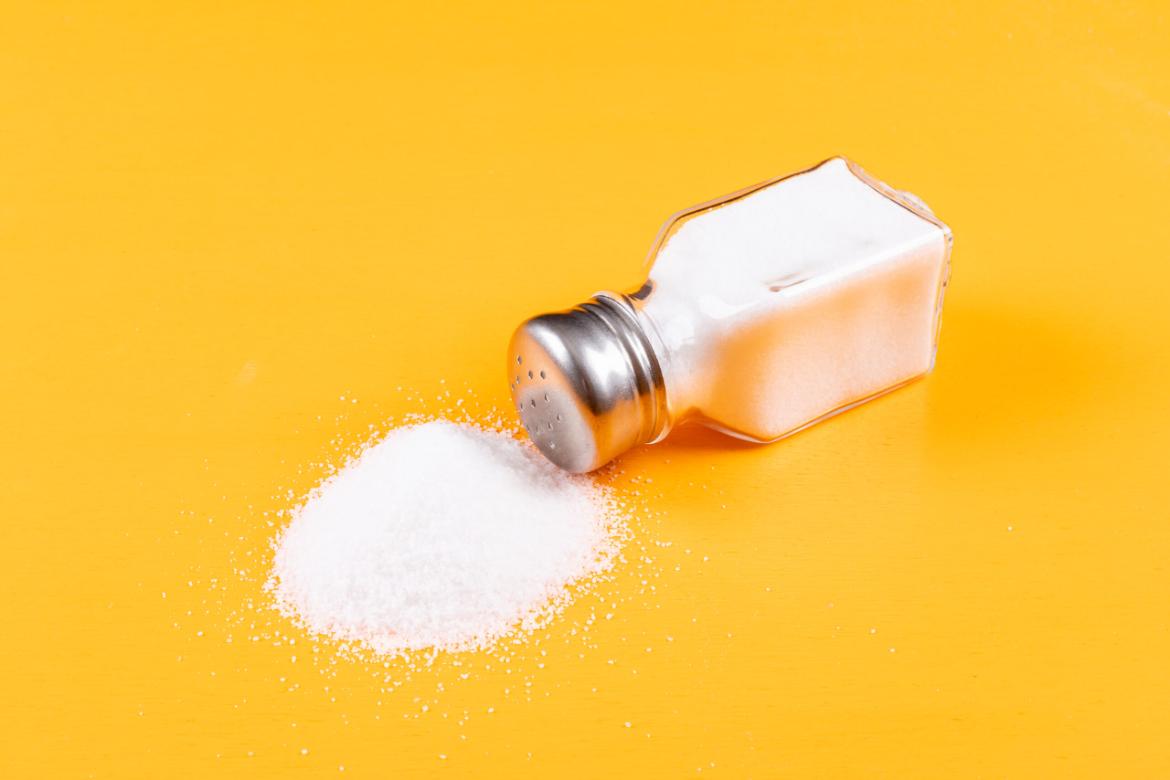
What is Sodium? Which Foods Contain It? Symptoms of Sodium Deficiency
What is Sodium?
Sodium is a vital mineral found in the body and plays a critical role in regulating cellular functions and biological processes. It is typically used in the form of sodium chloride, which makes up table salt, and maintains fluid balance in cells.
It plays a role in fundamental biological processes such as nerve conduction, muscle contraction, blood pressure regulation, and kidney function. It cooperates with other electrolytes to maintain electrolyte balance in the body. However, unbalanced dietary habits, excessive salt consumption, or health problems can cause abnormalities in sodium levels. Therefore, a balanced intake is critical for maintaining fluid balance and maintaining healthy biological functions.
It is an essential mineral involved in the proper functioning of biological systems. It maintains the balance of intracellular and intercellular fluids, which is critical for the normal functioning of cells. It also plays important roles in the functioning of nerves, muscles, and kidneys. These functions ensure the normal functioning of cells and the harmonious functioning of body systems. It concentrates in extracellular fluids, increasing water attraction, which plays a crucial role in regulating blood pressure and maintaining water balance in the body.
What Foods Contain Sodium?
Although it's commonly found in table salt, many foods naturally contain sodium. Monitoring your intake is important for a healthy diet. Controlling your daily intake and reducing excess sodium from processed foods can be beneficial for overall health.
- Salty foods: Pickled produce, saltine crackers, chips and salty dips contain sodium.
- Seafood: Seafood such as fish and shrimp are rich sources of sodium.
- Milk and dairy products: Milk, cheese and other dairy products contain sodium.
- Meat and meat products: Meats such as red meat, chicken and turkey naturally contain sodium.
- Vegetables: Vegetables such as spinach, beets, and carrots contain sodium, but generally in lower amounts.
- Canned and processed foods: Processed foods like canned vegetables, instant soups, and canned beans can contain sodium. For a healthy diet, it's recommended to avoid these foods.
- Breads and cereals: Processed breads and cereals should be considered due to the amount of sodium they contain.
For a balanced diet, it is important to control sodium intake and avoid processed foods whenever possible.
Normal Range
Normal values must be maintained within a specific range to maintain fluid balance and cellular function in the body. Normal levels are determined by serum measurements and expressed in millimoles (mmol).
This value, measured through blood tests, determines the amount in the body. Normal values are generally between 135 and 145 mmol/L. This range is essential for the healthy functioning of various biological processes, such as water balance, nerve conduction, muscle function, and blood pressure.
What is its height?
It's a health problem that can arise from factors such as high salt intake, dehydration, kidney problems, or hormonal imbalances. Higher than normal levels can cause imbalances in the body and various symptoms, including thirst, headache, restlessness, muscle weakness, and, in severe cases, loss of consciousness.
If left untreated, high blood pressure can lead to serious health problems. Therefore, it's important to see a doctor immediately if symptoms appear. Controlling blood pressure levels is usually possible through dietary changes, increased water intake, or medication. However, because every situation is unique, treatment plans may vary depending on the individual's health and underlying causes. An effective treatment plan for high blood pressure can be developed through evaluation and recommendations from a qualified healthcare professional.
Causes of Formation
High blood sugar is the presence of more than normal in the body and can occur due to various reasons. The main reasons are:
- Excessive salt consumption: Salt is a major source of sodium. Eating habits that exceed the daily salt intake can increase sodium levels in the body.
- Dehydration: This mineral, which plays an important role in maintaining fluid balance in the body, can increase its concentration in cases of extreme dehydration, leading to its elevation.
- Kidney problems: The kidneys play an important role in regulating the body. Kidney dysfunction or disease can lead to an improper excretion of waste and lead to a buildup of waste.
- Hormonal imbalances: Hormonal imbalances that affect its regulation in the body, especially increased production of the hormone aldosterone as a result of overactivity of the adrenal glands, can increase its absorption.
- Hypertension medications: Some hypertension medications can increase blood pressure retention in the body, leading to high blood pressure levels.
While high blood pressure may not usually cause noticeable symptoms, it can be a serious condition when it manifests as persistent thirst, headache, nausea, muscle weakness, or loss of consciousness. If high blood pressure is suspected, it's important to seek treatment from a specialist.
What is Low?
Sodium deficiency refers to the presence of low levels of sodium, an essential electrolyte in the body. Sodium plays a critical role in regulating water balance, nerve conduction, and cell function. Sodium deficiency can occur for a variety of reasons. Common causes of low sodium include excessive dehydration, gastrointestinal issues, kidney problems, and hormonal imbalances. This condition manifests itself when levels in the body drop below normal.
If left untreated, low cholesterol can lead to serious complications. Therefore, it's important to see a healthcare professional when symptoms appear and seek appropriate treatment. Fluid and electrolyte supplements, dietary changes, or medications can often be used to balance blood levels. However, each situation is unique, and treatment plans may vary depending on the individual's health and underlying causes.
Factors Causing Its Decline
A deficiency refers to a condition where the amount in the body is lower than normal. This can occur for a variety of reasons. Common causes of low levels include:
- Excessive fluid consumption: Drinking excessive amounts of water can dilute sodium and lead to increased excretion from the body, which can lead to low blood pressure.
- Gastrointestinal issues: Vomiting, diarrhea, or other gastrointestinal issues can cause loss of this mineral. Prolonged exposure can lower levels of this mineral.
- Kidney problems: The kidneys play an important role in regulating sodium balance. Low sodium levels can develop if you have kidney problems or kidney failure.
- Chronic diseases: Some chronic diseases, especially conditions such as liver cirrhosis or heart failure, can lead to fluid retention in the body and consequently low blood pressure.
- Hormonal imbalances: Abnormalities in hormones, especially changes in antidiuretic hormone (ADH) levels, can affect water balance and cause it to become low.
- Medications: Some medications, especially diuretics, antidepressants, or acid reducers, can increase blood sugar levels and cause miscarriage.
Symptoms of low sodium usually begin with mild headaches and nausea. However, in more severe cases, symptoms such as weakness, muscle cramps, and loss of consciousness can occur. It is important for patients to seek treatment under the supervision of a specialist if any symptoms occur.
Sodium and table salt are two related chemical compounds with important differences. Sodium is typically found in nature in association with sodium chloride (table salt) or other compounds. Sodium is an element in its own right and is not usually found in free form, but is often found in various compounds. Table salt, on the other hand, is a compound formed by the combination of sodium and chloride ions and can be found in crystalline form in nature.
It's a mineral that plays a crucial role in body balance. Regularly monitoring this mineral can provide valuable information about a person's overall health. Therefore, regular health checkups are crucial to monitor normal values. Those with concerns about their health can consult a hospital's internal medicine department for necessary checkups.
