


Health Benefits of Plums?
What are the benefits of plums?
The damson plum is a type of fruit belonging to the rosaceae family and is known for its small, purple fruits. It is known for its nutritional properties and unique flavor. Originating in Asia, this plum is widely cultivated worldwide. This fruit has many positive health benefits.
The nutritional content of plums is rich in vitamin C, vitamin A, fiber, and antioxidants. These properties can strengthen the immune system and support cellular health. Their antioxidant content may support the immune system against antigens.
Additionally, this fruit can support intestinal health with its regulating effect on the digestive system. Its fiber content can help with issues like constipation by regulating the digestive process.
Plums are often used in jams, jellies, sauces, and desserts, making them a versatile ingredient in the kitchen. They can also be enjoyed fresh or used in beverages.
However, it's important for everyone to consider their overall health and potential allergies before consuming this fruit. It's recommended that it be consumed as part of a balanced diet under the supervision of a doctor.
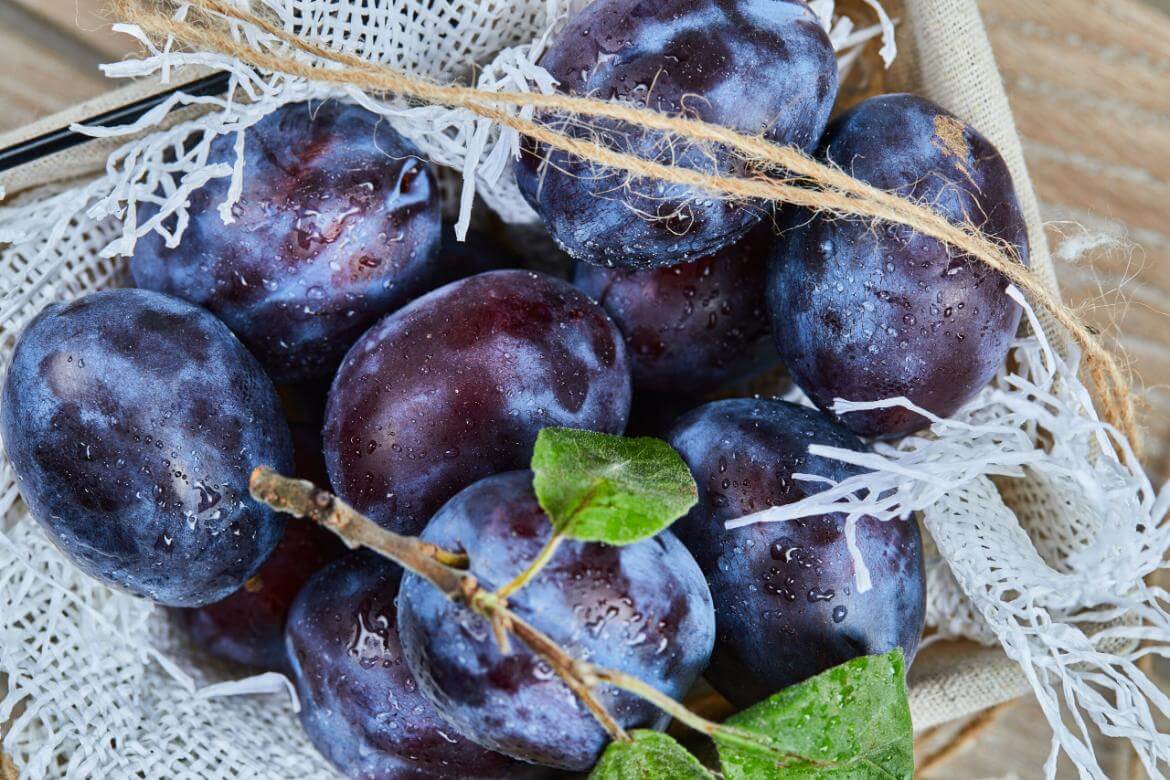
The damson plum is a small, round fruit, typically purple in color. This fruit, which can be consumed fresh or used as a flavoring in foods, is a hardy plant and can grow in many climates worldwide. The damson tree is striking in winter, often adorned with white flowers, and begins to bear fruit in spring. The purple fruits become more pronounced as they ripen, creating a visually appealing addition to gardens and parks.
Plums are not only delicious but also stand out for their nutritional properties and antioxidant content. Antioxidants can support the immune system and protect the body against the harmful effects of free radicals.
In conclusion, this plum is known for its visual appeal, delicious flavor, and positive health benefits. Besides being consumed fresh, it can also be used in various dishes and beverages, creating a variety of culinary delights.
It's a valuable fruit that contains numerous nutritional benefits. This small fruit is rich in antioxidants, vitamins, and fiber. Its health benefits include:
- Rich in antioxidants: It is a rich source of antioxidants. These antioxidants can reduce cellular damage by fighting free radicals and may help reduce signs of aging.
- Vitamin A and C content: It is rich in vitamins A and C. These vitamins protect the body against diseases by strengthening the immune system.
- Source of fiber: Fiber regulates the digestive system and supports digestive health. This fruit, rich in fiber, can be effective against digestive problems.
- Anti-inflammatory effects: It has anti-inflammatory properties. These properties may protect against various health problems by reducing inflammatory processes in the body.
The benefits of this plum are closely linked to its anti-inflammatory properties and antioxidant content. However, since everyone's health is different, it's important to consult a healthcare professional before using this fruit.
Potential Harms?
Although plums are a fruit enjoyed by many for both enjoyment and health benefits, as with any fruit, they can have some adverse effects when consumed in excess or in cases of allergic reactions. The potential side effects of plums can be listed as follows:
- Excessive vitamin C intake: Plums may be rich in vitamin C. However, when consumed in excess, excessive vitamin C intake can lead to problems such as diarrhea, stomach upset, and kidney stones.
- High sugar content: Plums naturally contain sugar. Consuming too much can cause sudden spikes in blood sugar, which can lead to fluctuations in energy levels. It's important for diabetics to consume them under medical supervision.
- Allergic reactions: Some people may experience allergic reactions to plums. Allergy symptoms may include itching, rash, shortness of breath, and swelling. It is important for individuals with allergies to be cautious about consuming plums.
- Pregnancy and breastfeeding: It is recommended that individuals during pregnancy and breastfeeding avoid excessive consumption of plums. The risk of hyperglycemia and allergic reactions is higher during these periods. It is important to plan and use plums with a qualified healthcare professional.
Since everyone's health situation is different, it is important to avoid excessive consumption of fruits in particular and to talk to a qualified health professional about your individual health situation.
How Much Should Be Consumed?
Consumption amounts may vary depending on individual health conditions, nutritional needs, and personal preferences. Generally, fruits like these can be consumed regularly as part of a healthy diet. However, excessive consumption can cause problems in some cases.
Some suggestions for consuming this fruit:
- Daily intake: Consuming some plums throughout the day can be a healthy option. However, the amount consumed may vary depending on a person's overall diet and health.
- Balanced diet: Fruits like plums should be consumed as part of a balanced eating plan. A varied diet that includes different fruits and vegetables can help provide the vitamins, minerals, and fiber the body needs.
- Allergy status: If you have allergies or a history of allergies to any fruit, it is important to determine the amount of consumption by talking to your doctor.
- Other nutritional needs: If you have conditions such as diabetes, weight management, or other special dietary needs, it is important to adjust your intake of this fruit to meet these needs.
How Many Calories Does Plum Contain?
Plums are generally a low-calorie option because they are small in size. However, it's difficult to provide an exact value, as plum size and nutrients can vary depending on the season, growing conditions, and variety. Typically, 100 grams of plums contain approximately 43-50 calories.
How Does It Taste?
A small, round fruit with a thin skin, it typically has a mild sweetness and a refreshing tartness. Similar to plums, this fruit's unique flavor is striking when consumed fresh. With a slightly tart texture, this fruit can be compared to raspberries and blueberries, but it has its own unique character. Damson plums are known for their use in jams, marmalades, syrups, and beverages, as well as in a variety of delicious recipes, including desserts and cakes. These diverse uses offer different ways to explore the flavor of the plum.
