


What is Scurvy? Symptoms, Causes, and Treatment
Vitamin C is a water-soluble vitamin that has many important functions in the body, including iron absorption, energy production, and the production of structural proteins called collagen. It is consumed through food, especially fresh fruits and vegetables. A deficiency in this vitamin, which cannot be produced in the body, can lead to scurvy. Scurvy is a disease caused by vitamin C deficiency and manifests with symptoms such as anemia, limited mobility, weakness, bleeding, pain in the arms and legs, swelling in certain areas of the body, skin problems, gum disease, and tooth loss.
Scurvy dates back to ancient Greek and Egyptian times and is known to have been a common disease among sailors who struggled to find fresh food during long sea voyages. While today's incidence has decreased due to increased availability of food and the widespread availability of vitamin and mineral-enriched foods, scurvy still occurs in some cases.
Vitamin C deficiency can lead to problems with collagen production in the body, leading to skin and tissue disorders. It can also weaken the immune system, reduce iron absorption, and lead to serious health problems like anemia. Therefore, it's important for those experiencing symptoms of vitamin C deficiency to take the necessary precautions for treatment. These include increasing their intake of vitamin C-rich foods, taking supplements, and consulting a healthcare professional.
Symptoms of scurvy
Symptoms of scurvy usually appear after prolonged vitamin C deficiency. Symptoms of scurvy include:
- Loss of appetite and weight loss: Symptoms such as loss of appetite and weight loss may occur with vitamin C deficiency.
- Irritability and lethargy: Vitamin C deficiency can cause emotional and psychological symptoms such as irritability, tension and lethargy.
- Fatigue and weakness: Vitamin C deficiency, which plays a role in energy production in the body, can lead to feelings of fatigue and weakness.
- Anemia: Due to vitamin C deficiency, iron absorption in the body may decrease and anemia may develop.
- Bone pain and myalgia: Pain such as bone pain and muscle pain may occur.
- Edema formation: Edema may occur in various parts of the body.
- Skin problems: Vitamin C deficiency can cause problems such as skin blemishes, flaking and thickening.
- Structural defects in the hairs: There may be structural defects in the hairs called corkscrew hairs.
- Delayed wound healing: Vitamin C deficiency can slow down wound healing.
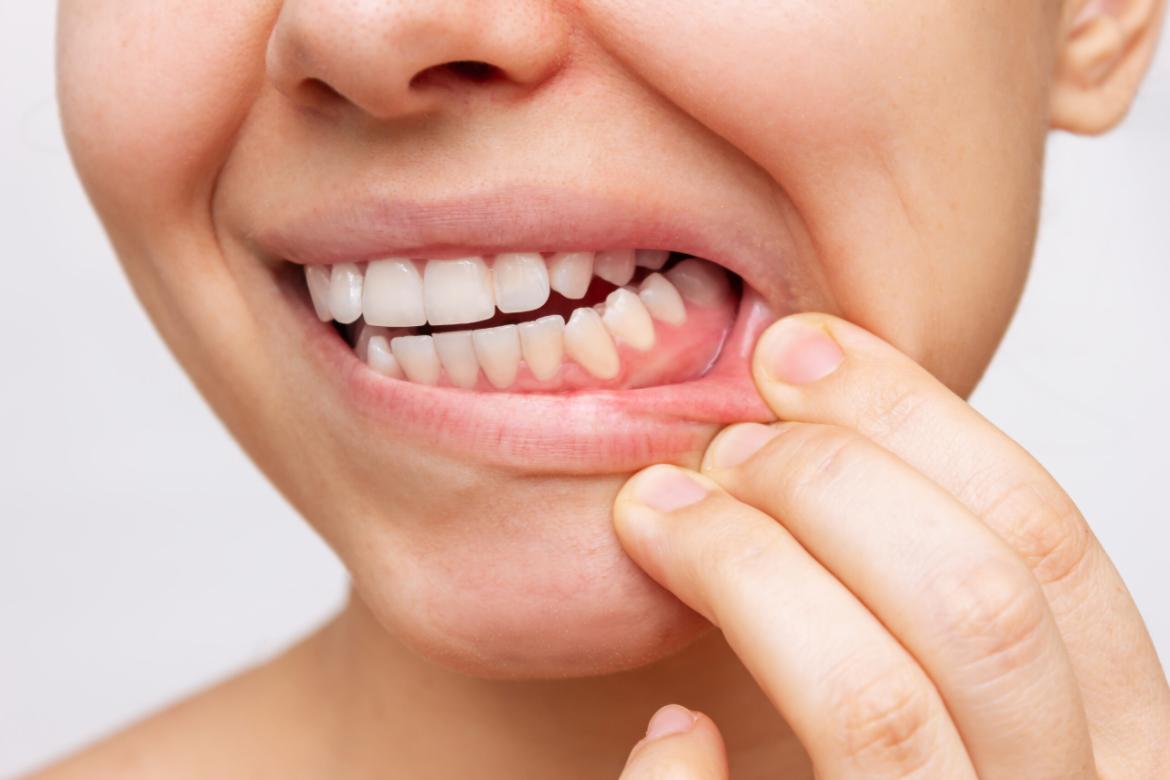
- Gum disease and tooth loss: Oral health problems such as gum problems and tooth loss may occur.
- Shortness of breath: Shortness of breath may occur due to vitamin C deficiency.
- Mental and emotional symptoms: Emotional symptoms such as depression and mood swings may be observed.
In advanced stages of scurvy, serious complications such as severe jaundice, sudden bleeding, and neuropathy can occur. Therefore, it is important to consult a healthcare professional if you notice symptoms of vitamin C deficiency.
Causes of scurvy
Scurvy is caused by inadequate intake or inadequate absorption of vitamin C, also known as ascorbic acid. Some conditions that can cause this deficiency include:
- Not consuming fresh fruits and vegetables due to reasons such as low income, scarcity, or personal preferences
- Unhealthy eating habits
- Mental health disorders that affect feeding, such as anorexia nervosa
- Advanced age
- Restriction of dietary diversity due to allergies
- Health problems that make oral feeding difficult or impossible
- Smoking, alcohol and drug use
- Late or unsuccessful weaning in infants
- Inflammatory bowel diseases that affect digestion and absorption, such as Crohn's disease or ulcerative colitis
- Treatments such as chemotherapy
- Metabolic diseases
- Neurological disorders
How is scurvy diagnosed?
The following steps can be followed when diagnosing scurvy:
- Medical history: A detailed interview is conducted with the patient. Information is obtained about their eating habits, medications used, and any existing health problems.
- Physical examination: The general health status of the patient is evaluated by the physician.
- Nutritional assessment: A dietitian will review dietary habits and daily vitamin C intake. During this process, the patient may be asked to keep a food record.
- Blood tests: If the physician deems it necessary, blood tests are requested to measure vitamin C levels.
- Imaging methods: If necessary, advanced tests and medical imaging methods can be used to identify possible complications in the body.
- Treatment plan: If vitamin C deficiency is detected, treatment options such as dietary adjustments and vitamin supplements are recommended. Additionally, necessary steps are taken to treat potential complications.
- Follow-up checks: The patient is checked at regular intervals and the treatment plan is updated if necessary.
Diagnosing scurvy may require all or some of these steps, depending on the patient's characteristics and symptoms.
How is scurvy treated?
Treatment for scurvy begins with addressing the body's need for vitamin C. Treatment may include the following steps:
- Vitamin C supplements: Vitamin C supplements are administered at the appropriate dose for the patient. These supplements are usually administered orally or, in some cases, by injection. Doses are determined according to the patient's condition and needs.
- Nutrition plan: Nutritionists create a personalized nutrition plan for each patient. This plan may include increasing daily vitamin C intake and informing the patient about the specific nutrients and amounts they should consume.
- Treatment of complications: If there are complications caused by scurvy, these are also treated. For example, if there are bleeding problems, the bleeding is controlled and healing is achieved.
- Monitoring and follow-up: During the treatment process, the patient is monitored regularly to evaluate the effectiveness of the treatment. The treatment plan is updated if necessary.
Scurvy treatment can take different approaches depending on the patient's symptoms, health status, and needs. The key is to identify and treat vitamin C deficiency. Furthermore, a healthy lifestyle and balanced diet are crucial in addition to treatment, reducing the risk of recurrent vitamin C deficiency.
What can be done to prevent scurvy?
To prevent scurvy, it is important to follow these steps:
- Balanced diet: It's important to consume adequate amounts of vitamin C daily. Vitamin C-rich foods, such as fresh fruits and vegetables, oranges, kiwi, strawberries, and broccoli, should be consumed.
- Healthy lifestyle: Adopting a balanced lifestyle supports the body. It's important to exercise regularly, get enough sleep, avoid stress, and limit smoking and alcohol consumption.
- Food preparation and storage: Because vitamin C is a sensitive vitamin, it's important not to cook or store vegetables and fruits for too long. However, if storing them in the refrigerator, it may be beneficial to store them in airtight, sealed containers to minimize vitamin C loss during storage.
- Special precautions for at-risk groups: It is important for at-risk groups such as pregnant women, breastfeeding mothers, the elderly and people with weakened immune systems to consume more foods containing vitamin C and take supplements when necessary.
- Regular health checks: With regular health checks, vitamin C levels can be monitored and, if necessary, measures can be taken when a deficiency is detected.
- Not smoking: Smoking can reduce the absorption of vitamin C and lead to a deficiency. Therefore, it is important to either stop smoking or reduce the amount of cigarettes you smoke.
These measures can help prevent scurvy and are also important for overall health and well-being. The risk of vitamin C deficiency can be reduced by paying attention to diet, lifestyle, and regular health checkups.
How should scurvy patients be fed?
Nutrition for patients with scurvy should focus on correcting vitamin C deficiency and meeting the body's needs for other minerals and vitamins. Recommended nutritional strategies for patients with scurvy:
- Foods containing vitamin C: People with scurvy should include foods rich in vitamin C in their daily diet. Foods such as citrus fruits (oranges, tangerines, lemons), kiwi, strawberries, leafy green vegetables (spinach, chard, broccoli), and peppers are important.
- Foods containing iron, B12 , and folic acid: People with scurvy may also need to pay attention to other nutritional deficiencies, such as iron, B12 , and folic acid. They should consume iron-rich protein sources such as red meat, chicken, fish, and eggs; B12 sources such as dairy products, eggs, and cheese; and folic acid-containing foods such as green leafy vegetables, legumes, and avocados.
- Balanced and varied diet: People with scurvy should eat a balanced and varied diet. A meal plan should include protein, carbohydrates, and healthy fat sources at each meal.
- Consume fresh vegetables and fruits: Fresh vegetables and fruits are rich in vitamin C and other vitamins, as well as fiber and antioxidants. Therefore, people with scurvy should consume plenty of fresh vegetables and fruits in their daily diet.
- Fluid intake: Drinking plenty of water helps maintain hydration, supporting overall health. People with scurvy should also be careful to drink enough water.
- Foods with low salt and sugar content should be preferred: Scurvy patients should avoid processed foods with high salt or sugar content and prefer more natural and healthy foods.
The nutrition plan for people with scurvy should be tailored to their individual needs and health status. Therefore, it is important to have a nutritionist or dietitian create a personalized nutrition plan.
