


What is Physiotherapy and How is it Applied?
Physiotherapy is a branch of healthcare that uses physical methods to treat movement and functional disorders and to maintain and improve health. The primary goal of physiotherapy is to improve patients' mobility, muscle strength, balance, coordination, and overall quality of life.
Physical therapists deal with a variety of conditions, including injuries, post-surgical rehabilitation, musculoskeletal disorders, nervous system disorders, respiratory problems, and cardiovascular disease, as well as health issues. They develop treatment plans tailored to individual patients' needs and utilize a variety of physical modalities, including exercise programs, manual therapy, electrical stimulation, ultrasound, and hot and cold treatments.
Physical therapists manage the processes of evaluating patients, developing treatment plans, implementing treatment, and monitoring progress. They also offer recommendations for exercises and lifestyle changes that patients can do at home.
What are the Types of Physiotherapy?
- Exercise therapy: Exercise therapy is a physical therapy method that uses specific exercises to increase patients' mobility, improve muscle strength, maintain balance, and increase endurance. Customized exercise programs are designed to meet individual needs and treatment goals.
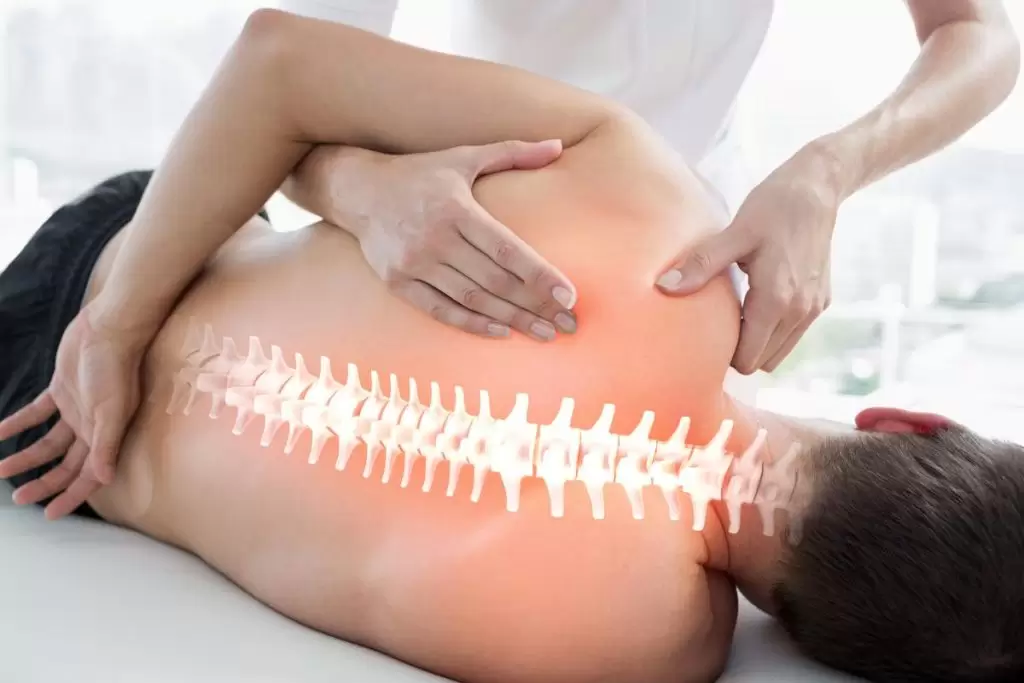
- Manual therapy: Manual therapy is a treatment method that uses a physical therapist's hands to apply direct pressure to muscles, joints, and soft tissues. This may include manipulation, mobilization, massage, stretching, and manual manipulation techniques. Manual therapy is used to reduce pain, relieve muscle tension, improve joint mobility, and promote tissue healing.
- Electrotherapy: Electrotherapy is a physical therapy method that uses electric currents. Various electrical modalities are used, including electrical stimulation, transcutaneous electrical nerve stimulation (TENS), electrical muscle stimulation (EMS), ultrasonic therapy, and laser therapy. Electrotherapy can be used to reduce pain, relax muscle tension, increase circulation, and promote healing.
- Hot and cold therapy: Hot and cold therapy is a form of physiotherapy that involves applying heat or cold to the body. Hot applications are used to relax muscles, increase blood circulation, and reduce pain, while cold applications are used to reduce swelling, reduce pain, and control inflammation.
- Traction: Traction is a treatment method that applies tensile force to the spine or joint. It is used to treat conditions such as slipped discs, pinched nerves, or joint problems in the lower back or neck. Traction is used to reduce pressure on the spine, relieve nerve compression, and relieve pain.
Who performs physiotherapy?
Physiotherapy is performed by licensed and trained physical therapists. Physiotherapists are healthcare professionals who have graduated from relevant undergraduate programs. They may be referred to by different names in different countries; for example, physical therapists are sometimes referred to by titles such as physical therapy specialist, physical therapist, or physical therapy and rehabilitation specialist.
Physiotherapists acquire theoretical knowledge and practical skills during their physiotherapy training. These training programs provide in-depth knowledge of human anatomy and physiology, including the musculoskeletal, nervous, respiratory, and cardiovascular systems. They also receive training in physiotherapy methods such as movement analysis, treatment techniques, exercise therapy, manual therapy, electrotherapy, massage, ultrasound, and hot and cold treatments.
Physiotherapists can work in clinical settings, including hospitals, rehabilitation centers, health centers, private clinics, and sports teams. They support the healing process of patients by applying various physiotherapy techniques based on their treatment needs.
While physical therapists can provide individual care to patients, they can also work within a multidisciplinary healthcare team, working alongside physicians, surgeons, other therapists (e.g., speech therapists, occupational therapists), and other healthcare professionals to ensure patients receive the best possible treatment and rehabilitation.
Who can apply physiotherapy?
- Musculoskeletal problems: Physiotherapy helps people with musculoskeletal problems. These include back and neck pain, back pain, joint pain, osteoarthritis, rheumatoid arthritis, muscle injuries, muscle weakness, and posture problems.
- Neurological conditions: Movement and function disorders resulting from diseases of the nervous system may require physiotherapy. These include stroke, spinal cord injuries, brain injuries, multiple sclerosis, Parkinson's disease, and peripheral nerve damage.
- Respiratory problems: Physiotherapy can be used to improve respiratory function and provide support to people with breathing difficulties. Respiratory problems such as asthma, chronic obstructive pulmonary disease (COPD), cystic fibrosis, and bronchitis can be treated with physiotherapy.
- Cardiovascular Diseases: Physiotherapy can help people with cardiovascular disease in their cardiac rehabilitation process. Physiotherapy plays an important role in situations such as post-heart attack rehabilitation, post-cardiac surgery strengthening, and cardiac exercise programs.
- Sports Injuries: Physiotherapy is an effective approach to treating muscle, tendon, or ligament injuries suffered by athletes. Physiotherapists can provide specialized exercise programs and rehabilitation techniques to reduce the risk of injury, speed recovery, and improve performance.
- Post-operative rehabilitation: After surgery, physiotherapy can support the recovery process. Post-operative physiotherapy is used to restore physical function, relieve movement restrictions, and regain muscle strength.
These are just a few examples, and physical therapy can help people with many different health issues and conditions. Physical therapists develop personalized treatment plans based on each individual's needs.
Who cannot undergo physiotherapy?
Physiotherapy is a treatment method that can generally help many people. However, in some cases, physiotherapy may not be recommended or requires careful evaluation. Some situations in which physiotherapy should not be used or should be treated with caution:
- Serious infections: In the case of an active infection, physiotherapy may be harmful or contribute to the spread of the infection. Therefore, physiotherapy may be contraindicated in people with active infections, or it may be necessary to ensure that the infection is under control.
- High fever or acute illness: Physiotherapy is generally not recommended in cases of high fever, extreme weakness, or acute illness. When the body needs rest, it's important to rest and recover rather than resort to physiotherapy.
- Deep vein thrombosis (DVT): DVT is a condition characterized by the formation of blood clots and usually occurs in the legs. Physical therapy should be used with caution, or in some cases, avoided, in people who have had a DVT, as it can increase the risk of clot formation.
- Bleeding risk: Physiotherapy should be carefully considered for individuals with bleeding disorders or those at high risk of bleeding. Manipulation or excessive physical stress during physiotherapy may cause bleeding.
- Advanced heart failure: In people with advanced heart failure, physiotherapy can increase cardiac workload and worsen symptoms. Therefore, physiotherapy should be administered cautiously to people with heart failure, taking their heart condition into account.
The situations mentioned above are just some examples. Before physiotherapy is administered, a person's medical history, current health status, and other factors should be carefully evaluated, and appropriate precautions should be taken. Therefore, it is important to consult a healthcare professional to ensure the most accurate information regarding physiotherapy.
What are the aims of physiotherapy?
The primary goal of physiotherapy is to improve individuals' mobility and functionality, reduce pain, and promote a healthy lifestyle. The primary goals of physiotherapy are:
- Improving mobility: Physiotherapy uses a variety of techniques to improve patients' mobility and correct movement disorders. Exercises and manual therapy may be used to increase flexibility, balance, strength, coordination, and endurance, allowing individuals to independently perform activities of daily living.
- Pain reduction: Physical therapists use a variety of methods to reduce and manage pain. These methods may include therapeutic exercises, electrotherapy (electrical stimulation), hot and cold therapy, massage, and manual therapy. The goal of these treatments is to reduce pain, promote tissue healing, and enable individuals to perform daily activities without pain.
- Increasing Functional Independence: Physiotherapy aims to support individuals in independently performing activities of daily living. It aims to enable individuals to participate in activities of daily living by reducing movement limitations, increasing muscle strength and functional capacity, improving balance, and using appropriate devices and assistive devices.
- Promoting rehabilitation: Physiotherapy plays a crucial role in the rehabilitation process following injury or surgery. Physiotherapists develop appropriate exercise programs and therapies to accelerate tissue healing, regain muscle strength, increase flexibility, and minimize the effects of injury or surgery.
- Promoting a Healthy Lifestyle: Physiotherapy encourages individuals to adopt a healthy lifestyle. It provides counseling on topics such as exercise, posture and ergonomics training, and encouraging an active lifestyle. Physiotherapists encourage patients to participate in physical activity and provide knowledge and skills related to healthy lifestyles.
These goals of physical therapy are to improve individuals' quality of life, increase their independence, and enable them to move in a healthy way. Physical therapy treatment is customized to individual needs, and the treatment plan is tailored to the patient's condition, goals, and needs.
What are the benefits of physiotherapy?
- Physiotherapy uses a variety of methods to reduce and manage pain. Techniques such as therapeutic exercises, manual therapy, electrotherapy, and hot and cold therapy can reduce muscle and joint pain.
- It helps correct poor posture or movement habits that trigger pain.
- Physiotherapy applies exercise programs and rehabilitation techniques to correct movement disorders and increase mobility.
- It increases individuals' movement abilities by increasing muscle strength, improving flexibility, improving balance and coordination.
- Physiotherapy plays an important role in the rehabilitation process following injury or surgery. Treatment plans aim to accelerate tissue healing, regain muscle strength, increase range of motion, and restore functionality.
- Physiotherapy is used to improve the quality of life and functional independence of individuals with neurological disorders. It addresses conditions such as stroke, brain injuries, spinal cord injuries, and multiple sclerosis.
- Physical therapists work to improve patients' neurological function using techniques such as neuromuscular reeducation, balance and coordination exercises, relearning movement patterns, and adapting to daily activities.
- Physiotherapy is used to improve respiratory function in individuals with respiratory disorders, addressing conditions such as lung infections, COPD, and asthma.
- It increases respiratory control and improves breathing capacity through methods such as breathing exercises, breathing opening and cleaning techniques, and strengthening of respiratory muscles.
These are just a few examples of the benefits of physical therapy. Each individual's needs vary, and physical therapy is implemented with personalized treatment plans. Physiotherapy plays an important role in improving quality of life, promoting independence, and maintaining a healthy lifestyle.
How long is the treatment period in physiotherapy?
The duration of physical therapy treatment varies depending on the individual's health status, the severity of the condition, the response to treatment, and the treatment goals. The duration of physical therapy can vary depending on the individual's condition and treatment needs. Generally, acute conditions may require a shorter treatment period, while chronic conditions or rehabilitative treatments may require a longer period.
The physical therapy process typically spans several sessions. The first session is used by the physical therapist to assess the patient, understand the problem, and develop a treatment plan. This phase takes into account the patient's current condition, symptoms, movement limitations, and goals.
Throughout the treatment process, a physical therapist implements specific treatment methods and creates individualized exercise programs. Treatment frequency may range from several sessions per week, and the time between sessions often increases as treatment progresses.
Treatment duration is determined by the individual's progress. The physical therapist monitors the individual's response and progress to treatment and updates the treatment plan as needed. Because the goal of treatment is to improve the individual's mobility, functionality, and quality of life, treatment duration is generally determined by individual needs and goals.
How many days does it take for physical therapy to show its effect?
The time it takes for physical therapy to be effective depends on many factors, including the individual's health, the severity of the problem, and the speed of response to treatment. Each individual's response to treatment can vary, so it's difficult to give a definitive timeframe. Typically, each session lasts 1-1.5 hours, and results are typically achieved within 10-20 sessions. However, in some cases, the effects of the treatment are noticeable immediately, while in others, several sessions or longer may be required.
In an acute situation, such as a muscle spasm or minor injury, the effects of physical therapy are often more noticeable. Symptoms such as pain reduction, increased mobility, or relief can be seen after the first few sessions.
For chronic conditions or conditions requiring rehabilitation, the effects may take longer to appear. The effects of treatment can develop over time, depending on the body's healing process. In cases such as long-term rehabilitation or treatment for neurological disorders, the treatment process can take weeks, months, or even years, and the full effects may take time to become apparent.
To assess the effectiveness of physical therapy, it's important to stay in regular contact with your physical therapist throughout the treatment process. Your therapist will assess your treatment's impact and update your treatment plan as needed.
