


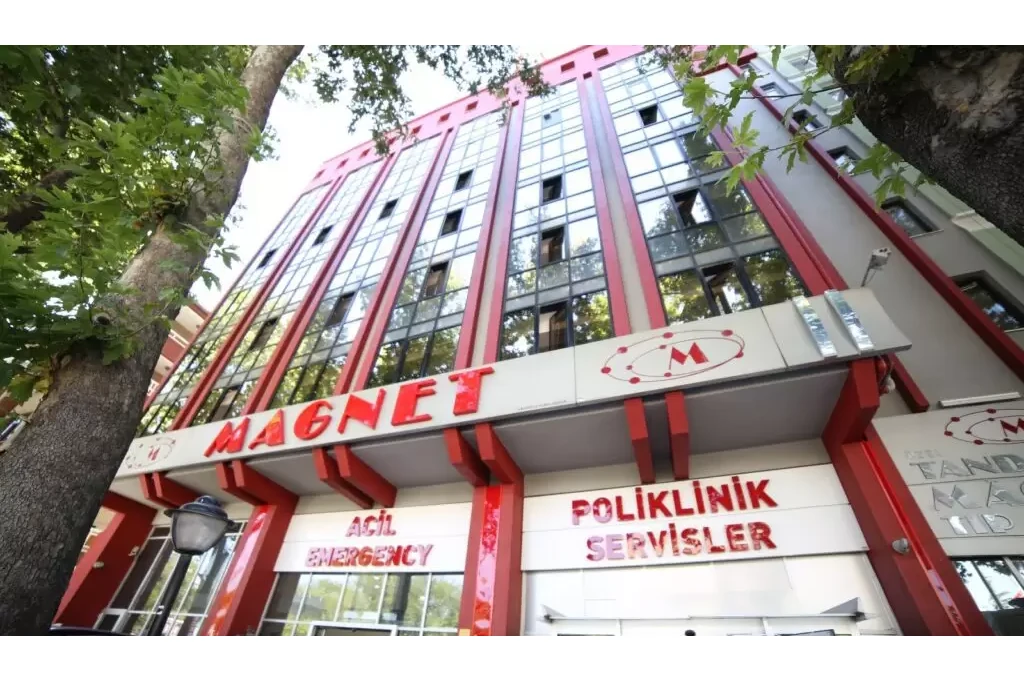
Magnet Hospital Physical Therapy Center
What is Physical Therapy?
Physical therapy is a treatment method used to increase mobility, reduce pain, and improve quality of life. It is an important part of the rehabilitation process following musculoskeletal disorders, neurological diseases, or injuries. Physical therapy is planned by a physical therapist to meet the patient's needs. Methods such as exercise programs, manual therapy, electrical stimulation, hot and cold applications, and ultrasound may be used. During treatment, the body's natural healing processes are supported and muscle strength and flexibility are increased.
Ankara Physical Therapy Center: Magnet Hospital
Magnet Hospital, with its modern medical technologies and expert staff, is a leading center offering inpatient and outpatient services for a variety of health problems. The Physical Therapy Center offers effective solutions for illnesses and conditions such as ankle pain, elbow pain, knee replacements, meniscus tears, hip replacements, fracture treatment, ACL injuries, athletic rehabilitation, orthopedic rehabilitation, muscle and tendon tears, sprains, strains, and stroke treatment.
Department of Physical Therapy
Our Services
- Outpatient Physical Therapy
- Inpatient Physical Therapy : This therapy is provided to help patients regain their health and improve their physical function after various illnesses, injuries, or surgical procedures. During this time, patients are under constant supervision.
- In-Home Physical Therapy Services : At Private Ankara Magnet Hospital Physical Therapy Center, we offer professional in-home treatment services to our patients. Our expert therapists provide treatment in the comfort of your home, accelerating the healing process.
How is a Physical Therapy Examination Done?
The physical therapy process begins with a detailed examination of the patient. A physical assessment is performed, and a personalized treatment plan is developed, taking into account the patient's current condition, symptoms, and physical and movement limitations. The assessment includes physical examination, muscle strength, range of motion, and balance testing.
Physical Therapy and Rehabilitation Diseases
Neck Straightening: This occurs when the natural curvature of the neck is lost. It's often caused by poor posture, prolonged desk work, and stress. Physical therapy can help strengthen neck muscles.
Cervical Disc Herniation: This occurs when the discs located between the vertebrae rupture, causing pressure on the spinal cord and nerve roots. Symptoms include neck, arm, and shoulder pain, as well as numbness in the arm or hand. Physical therapy aims to strengthen muscles and alleviate symptoms.
Herniated Disc: This is when discs in the lumbar spine compress nerve roots. Physical therapy is used to reduce pain, prevent muscle spasms, and strengthen the lumbar region.
Knee Osteoarthritis: Knee pain and limited movement occur as a result of the wear and tear of joint cartilage. It is treated with exercise, hot and cold applications, and manual therapy.
Facet Joint Syndrome: Pain and limited movement occur as a result of wear and tear or inflammation of the facet joints in the spine. Physical therapy strengthens the muscles surrounding the spine.
Osteomalacia and Osteoporosis: In cases of osteoporosis or bone softening, problems associated with vitamin D and calcium deficiencies are treated. Exercise and balance exercises reduce the risk of fractures.
Fibromyalgia , Chondromalacia Patella, Paget's Disease, Paraplegia, Meniscus, Parkinson's, MS: In these cases, physical therapy increases muscle strength, supports mobility and improves quality of life.
Heel Spur: A protrusion on the heel bone. Pain is relieved with physical therapy.
Shoulder Tear: Muscles and tendons become damaged as a result of repetitive movements or trauma. Physical therapy strengthens shoulder muscles, increases mobility, and reduces pain.
Physical Therapy Examinations
Various examinations can be performed for accurate diagnosis and treatment planning: X-ray, MRI, ultrasound, blood tests, electrophysiological studies (EMG, ENG) and functional tests.
Social Security Institution Contracted Physical Therapy Center
Quality and accessible physical therapy services are offered in Ankara under an SGK agreement.
Ankara Physical Therapy Center
Magnet Hospital offers inpatient and outpatient services with modern medical technologies and a team of experts. It offers services that address a variety of health issues.
Professional groups working at the center: Physical Therapy Specialists, Nurses, Physiotherapists , Ergotherapists, Massage Therapists, Rehabilitation Technicians and Assistants, Counselors and Psychologists.
Physical Therapy and Rehabilitation Treatment Methods
- Rehabilitation Exercises
- Ozone Therapy
- Acupuncture
- Spinal Injection
- Paraffin Application
- Short-wave
- Laser Therapy
- Hil Therapy
- Hot and Cold Applications
- Medical Massage
- ESWT (Shock Wave Therapy)
- Electrical Stimulation (TENS)
- Manipulation and Mobilization
- Ultrasound Therapy
- Thermotherapy
- Electrical Stimulation Devices
- Muscle Strengthening Devices
- Traction Devices
- Injection Therapy
Physical Therapy Sessions
Treatment Process: The patient's recovery rate varies depending on their diagnosis and age. A physical therapy and rehabilitation specialist develops a treatment plan that minimizes disruption to daily life.
Session Structure and Content: The patient actively or passively participates in exercises and treatment methods.
Number and Frequency of Sessions: Held several times a week; duration varies depending on the patient's condition.
- Initial Assessment: The patient's general health status, complaints and expectations are evaluated.
- Treatment Plan: Specific exercises, massage, electrotherapy and stretching exercises are planned.
- Applications and Exercises: Aim to increase muscle strength, expand range of motion and relieve pain.
- Result Evaluation: The treatment process is reviewed and session frequency is adjusted if necessary.
Treatment Process and Recovery
The Physical Therapy and Rehabilitation department employs a multidisciplinary approach. Continuous communication is maintained between the patient and the treatment team. Both in-home and inpatient physical therapy services are available.
Frequently Asked Questions
Physical Therapy Fees:
It varies depending on the treatment. For detailed information, please call 0312 212 80 80.
What Disorders Does It Treat?
Musculoskeletal system pain (neck, waist, back, foot, knee, etc.) is treated.
Will the first days be painful?
There may be mild pain as the muscles and joints are in the adaptation process.
Session Duration:
It varies between 30-60 minutes.
Effect Duration:
Signs of improvement usually appear within 2-4 weeks.
Who Benefits Free of Charge?
Patients who require more than 60 sessions of physical therapy can benefit from it free of charge with a report.
Should You Go Hungry or Full?
Being comfortable is sufficient; a light meal is recommended.
Who Cannot Get Physical Therapy?
Acute infection, severe heart disease, risk of bleeding, fractures or unhealed surgical sites, severe nerve damage, or uncontrolled chronic diseases.
Are There Any Harms?
Generally safe, but improper techniques can lead to muscle strains and joint pain.
Do You Need an MRI?
If the doctor deems it appropriate, an MRI may be requested.
Orthopedics or Physical Therapy?
Orthopedics deals with surgery and diagnosis, while physical therapy deals with muscle strength, joint mobility, and pain management.
Most Common Complaints:
- Neck Pain
- Low Back Pain
- Arm Pain
- Knee Pain
