


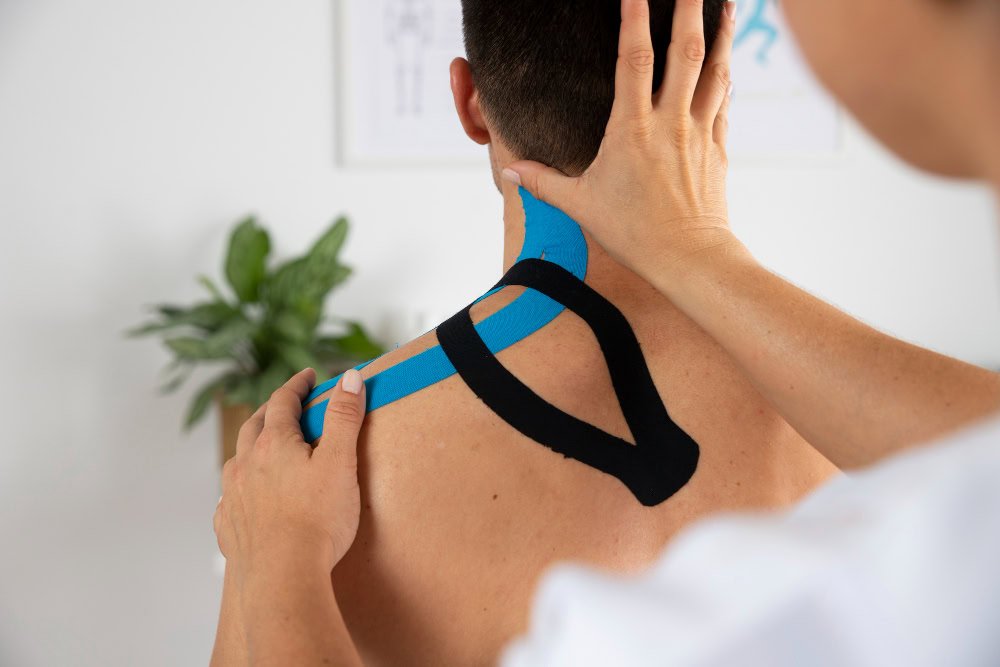
What is Kinesio Taping and How is it Done?
Kinesio taping is a physiotherapy treatment using flexible tapes that supports muscle and joint health and reduces pain and swelling . It is effective for conditions such as sports injuries, muscle spasms, poor posture, and lymphedema. It is a painless, drug-free, and natural support method.
What is Kinesio Tape?
Kinesio tape is a flexible, breathable therapeutic tape that is adhered to the skin using specialized techniques. These tapes support muscles, regulate joint movement, and relieve pain. Kinesio taping is a method developed in Japan and widely used worldwide in physiotherapy, athletic health, and rehabilitation.
What is Kinesio Taping Used For?
Kinesio taping therapy is used to reduce pain, swelling, increase blood and lymph circulation, and support muscle performance in musculoskeletal conditions. It is also used to accelerate recovery from injuries in athletes, correct posture problems, and alleviate chronic muscle pain.
How is Kinesio Taping Applied?
Before the application, the area is cleansed and the hair is shaved. A specialist physical therapist applies specially cut tapes to the skin at specific angles, taking into account the direction and tension of the muscle. The tape gently lifts the skin, increasing circulation, reducing nerve pressure, and helping the muscle relax. After the application, the patient can immediately return to their daily activities, including showering and exercise.
Who Can Get Kinesio Taping?
Those who experience muscle spasms and stiffness
For support after sports injuries
For those who suffer from waist, neck, knee and shoulder pain
In the treatment of lymphedema (edema accumulation)
For those with scoliosis and posture disorders
People with muscle weakness or nerve damage
Who Cannot Get Kinesio Taping?
Those with open wounds, skin infections or eczema
Those with a history of allergic skin reactions
For those receiving cancer treatment
Those with advanced vascular occlusion or heart disease
In the first months of pregnancy (without doctor's approval)
For Which Diseases is Kinesio Taping Used?
Kinesio taping is a versatile treatment method that supports the muscle, joint and circulatory system.
Cervical and Lumbar Disc Herniation
People with a herniated disc in their neck or back experience pain and limited movement due to nerve compression and muscle spasm. Kinesio tape supports the muscles around the spine, reducing tension and increasing blood circulation.
Muscle Stiffness (Muscle Spasm)
Taping helps relax the muscle, especially when it comes to painful muscle stiffness caused by excessive muscle contraction. It's particularly effective for muscle spasms in the neck, back, waist, and shoulders. By adhering the tape to the skin along the muscle's direction, it helps the muscle maintain its natural length.
Shoulder Impingement Syndrome
Tendons in the shoulder area can become compressed in a narrow space, causing pain. Kinesio taping, when applied to the shoulder joint, widens the joint space, reduces pressure on the tendon, and increases range of motion.
Knee Pain and Kneecap Problems (Patellofemoral Pain Syndrome)
Muscle imbalances around the knee can disrupt patella alignment. Knee kinesio taping, when applied with a specialized technique around the knee, balances muscle strength, reduces pain, and improves walking comfort. It is also used as a support for meniscus and ligament injuries.
Tennis Elbow and Golfer's Elbow
In these conditions, which develop due to tendon inflammation around the elbow, taping supports the affected muscle group and helps reduce pain by reducing load distribution. It's especially effective for people who work at a computer or participate in sports.
Ankle Sprains and Heel Pain
For ankle sprains, a common condition in sports injuries, kinesio taping increases joint stability and reduces swelling. For conditions like heel spurs or plantar fasciitis, taping relieves pressure on the heel and improves walking comfort.
Scoliosis (Humpback, Spinal Curvature)
In people with scoliosis, the muscles surrounding the spine are unbalanced. Kinesio taping provides spinal balance by loosening strong muscles and supporting weak ones.
Lymphedema (Edema Accumulation)
When lymphatic circulation is impaired, fluid accumulates in the tissues. Kinesio tape gently lifts the skin, facilitating the flow of lymphatic fluid and reducing edema. It is particularly used in the treatment of post-cancer arm edema (lymphedema).
Fibromyalgia and Chronic Muscle Pain
People with fibromyalgia experience tenderness and pain in many areas of the body. Kinesio taping increases circulation in these areas, helping to relax muscle tissue and reduce pain.
Posture Disorders
Working at a desk for long periods, using your phone, or poor sitting habits can all contribute to poor posture. Kinesio taping increases body awareness, supports proper posture, and helps restore muscle memory.
Nerve Compression (Carpal Tunnel Syndrome, etc.)
For nerve compression in the wrist or elbow, kinesio tape is applied along the nerve path to reduce swelling and relieve pressure on the nerve. This reduces complaints of hand numbness and tingling.
Sports Injuries and Muscle Tears
Taping accelerates the tissue healing process for muscle injuries in athletes. By ensuring proper muscle alignment, it reduces the risk of re-injury.
Facial Paralysis and Muscle Weakness
Specialized facial taping techniques applied by physiotherapists increase facial muscle tone and correct muscle imbalances. This method is used as a complementary treatment in the rehabilitation process after facial paralysis.
Migraine and Neck Tension Headache
Taping applied to the neck and nape of the neck can help relieve headaches by reducing muscle tension. It's a preferred non-medication support method, especially for tension-type headaches.
Lower Back and Hip Pain During Pregnancy
For back and hip pain that occurs later in pregnancy, hypoallergenic tapes specially designed for pregnancy are used. They reduce muscle strain and provide spinal support. (However, a doctor's approval is required.)
Kinesio taping is a versatile treatment aid. It provides painless, drug-free, and natural relief for a wide range of conditions, from musculoskeletal disorders to edema and posture issues. For the most effective results, it should be performed by a qualified physical therapist.
Kinesio Taping Duration
A single application session typically takes 15–30 minutes. The tape can remain on the skin for 3 to 5 days. Treatment is typically scheduled for 1–2 sessions per week, depending on the severity of the condition.
Kinesio Taping Side Effects
It is generally a safe method. However:
Rarely, skin itching, redness or irritation may occur.
People with allergic skin should be careful.
Improper application of tape may cause temporary discomfort by pulling too much on the muscle.
In which department and who applies Kinesio Taping?
This procedure is performed by trained physiotherapists in physiotherapy and rehabilitation departments. Before the procedure, the patient's muscle structure, range of motion, and pain level are evaluated.
Kinesio Tape Colors, Types and Features
Kinesio tapes are produced in different colors, although each has the same physical properties, some are preferred for their psychological effect:
Blue: Cooling, relaxing effect
Red/Pink: Stimulating, increases circulation
Beige: Close to skin color, aesthetic appearance
Black: Durable, often used by athletes
There are also water-resistant, hypoallergenic, and latex-free tape types.
Kinesio Tape Face Lift
Kinesio tape facelifts, which have become popular in recent years, support skin muscles by increasing blood circulation, reducing swelling, and maintaining skin elasticity. This method, used to create a facelift effect, should be performed in aesthetic centers or under the supervision of a physical therapist.
Kinesio Taping Prices
Kinesio taping prices vary depending on the application area, the quality of the tape used, and the number of sessions. Features such as small areas, large areas, and facial taping affect the cost. Prices vary among private and university hospitals, physical therapy centers, and medical centers.
Kinesio Taping at Ankara Magnet Hospital
Ankara Magnet Hospital's Physiotherapy Unit develops personalized treatment plans with physiotherapists specializing in kinesio taping. The technique is used to address patients' muscle and joint problems.
Frequently Asked Questions
What is Kinesio taping and how does it work?
Kinesio taping is a treatment method that uses specific elastic tapes applied to the skin using specific techniques to support the muscles, joints, and circulatory system. It reduces pain, improves circulation, and reduces swelling.
What is the difference between before and after Kinesio taping?
Before the procedure, patients typically experience pain and limited movement. After taping, relief, reduced swelling, and ease of movement are observed within 1–2 days.
Who cannot use Kinesio taping?
It is not applied to people with open wounds, skin diseases, advanced vascular occlusion, patients undergoing cancer treatment, and people with allergic skin structures.
What is a Kinesio tape face lift?
It's a special taping technique used for aesthetic purposes. It supports facial muscles, providing skin tightening and rejuvenation.
How much will kinesio taping cost in 2025?
Ankara Magnet Hospital physiotherapy unit provides up-to-date price and appointment information based on personal evaluation.
How Long Should Kinesio Tape Be Left On?
Kinesio tape can usually remain on the skin for 3 to 5 days.
How to Use Tape for Shoulder Pain?
Shoulder pain tape is used specifically for muscle strains, shoulder impingement syndrome, or tendonitis. The tape is applied along the length of the deltoid muscle (covering the anterior, middle, and posterior fibers).
How is Kinesio Taping Done?
Kinesio taping isn't just about applying tape. It's performed using specialized techniques tailored to the muscle anatomy and the problem area. The application process consists of the following steps:
Does Kinesio Tape Work?
Yes, scientific research and clinical observations show that kinesio taping is effective in many cases.
How to Remove Kinesio Tape Easily?
It's very important not to irritate the skin when removing the tape. Using the wrong method can cause peeling or redness. Easy removal tips: Removing the tape after a warm shower will loosen the adhesive. Gently pull the tape toward itself, not against the skin. Support the skin with your other hand while pulling. You can remove any adhesive residue with baby oil or olive oil.
Is Kinesio Tape Good for Bone Pain?
Kinesio tape acts on the surrounding muscles and soft tissues, not directly on the bone. Therefore, it plays a supportive, rather than therapeutic, role in bone-related pain (e.g., fractures or osteoporosis).
In what cases is Kinesio Tape used?
Kinesio tape is used in many conditions and diseases related to the musculoskeletal, joint and circulatory systems.
To Which Areas Can Kinesio Tape Be Applied?
Kinesio taping can be applied to almost any part of the human body; the important thing is the direction of the muscle, the angle of the joint and the purpose of the application.
Arm Area (Elbow, Forearm, Shoulder, and Wrist): Wrist taping is used for conditions such as elbow pain (tennis or golfer's elbow), wrist strains, carpal tunnel syndrome , or forearm muscle fatigue. Arm taping is particularly effective for reducing muscle pain, tension, and numbness in computer users, athletes, and desk workers.
Shoulder and Neck Area: This is preferred for cases of shoulder impingement syndrome, muscle strain, neck stiffness, or tension headaches. Shoulder pain bands are applied to support the trapezius and deltoid muscles.
Waist and Back Pain Band: Waist and Back Pain Band is effective in cases such as herniated disc, muscle spasm, waist strain and scoliosis.
Knee and Leg Area: Knee pain band is applied in cases such as sports injuries, meniscus, anterior cruciate ligament injuries, calf cramps or lymphedema.
Foot and Ankle: Ankle pain band provides support in the treatment of ankle sprain, Achilles tendonitis or heel spur (plantar fasciitis).
Face and Lower Neck Area (Aesthetic Use): Kinesio tape facelifts, which have become popular in recent years, support facial muscles and promote skin tightening. They are particularly popular for their effects such as lymphatic drainage, swelling reduction, and increased blood circulation.
