


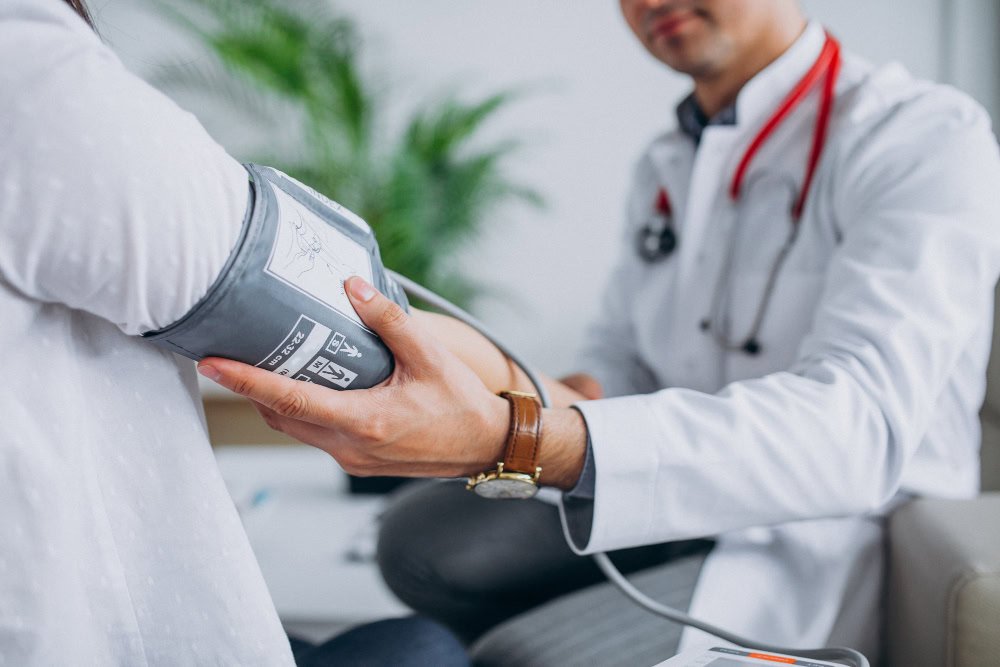
What is a Full-Scope Check-Up?
A full-body check-up is a comprehensive health screening designed to thoroughly assess a person's overall health. This check-up simultaneously examines many important areas, including the heart, blood vessels, kidneys, liver, hormone balance, digestive system, lungs, and cancer screenings. Today, with increasing awareness of healthy living, full-body check-up programs are becoming increasingly important for both individuals of a certain age group and those with risk factors.
Why is a Full-Scope Check-Up Performed?
The primary purpose of a check-up is to detect asymptomatic diseases early . Early diagnosis, particularly of cardiovascular disease, diabetes, hypertension, kidney and liver problems, and some types of cancer, can be managed with much more effective and short-term treatments. Furthermore, check-ups help individuals understand their overall health and assess their lifestyle. Regular comprehensive check-ups can help identify early risks that could lead to serious health problems. This reduces treatment costs and improves quality of life.
When Should a Full-Scope Check-Up Be Performed?
Check-ups are generally recommended for all individuals starting at age 18. However, annual check-ups after age 30 are important for early detection of chronic diseases. Those with a family history of genetic diseases or chronic conditions should undergo screening more frequently. Factors such as smoking, alcohol consumption, an irregular diet, and high stress levels can shorten the check-up period and increase the need for testing. For those with time constraints due to work or a busy social life, quick and comprehensive check-up packages are also available.
The Importance of a Comprehensive Check-Up
A comprehensive checkup is crucial for early diagnosis . Many asymptomatic diseases can only be detected through regular checkups. For example, early detection of heart attacks, strokes, diabetes, and some types of cancer can reduce treatment costs and maintain quality of life. Furthermore, checkup results can guide individuals in making changes to their diet, exercise, and lifestyle. Regular checkups increase health awareness and help prevent serious illnesses in the long term.
How to Perform a Full Body Check-Up?
A comprehensive check-up is usually carried out in several stages:
Preliminary interview and anamnesis: The doctor evaluates the individual's health history, family history and lifestyle.
Physical examination: Height, weight, body mass index, blood pressure, pulse and general health checks are performed.
Laboratory tests: Blood, urine, and, if necessary, stool tests are performed to determine metabolic, hormonal, and hematological status.
Imaging methods: Internal organs are examined in detail with ultrasound, MRI, CT, ECG and, when necessary, special cancer screenings.
Evaluation and reporting: All test and imaging results are analyzed by specialist doctors and personalized health recommendations are provided.
Thanks to these methods, a comprehensive check-up provides results in a short time and provides a comprehensive assessment of the health of the entire body.
What Does a Full Body Check-Up Include?
The comprehensive check-up stands out with its broad scope and covers the following areas:
Blood tests: Hemogram, lipid panel, liver and kidney function tests, thyroid hormones , blood sugar and HbA1c.
Urine and stool tests: Basic screenings for kidney and metabolic health.
Imaging: Ultrasound, MRI, CT, mammography (for women), and prostate ultrasound (for men).
Cardiovascular tests: ECG, echocardiography, stress test if necessary.
Hormone and vitamin analyses: Values such as thyroid, vitamin C, iron, B12.
Cancer screenings : Colorectal cancer tests, PSA test, Pap smear, breast ultrasound and mammogram.
Thanks to these tests, whole body health is evaluated comprehensively and possible risks are detected at an early stage.
Who Should Get a Full Body Check-Up?
All individuals aged 30 and over
People with a family history of heart disease, diabetes, hypertension or cancer
Those with chronic diseases (e.g. diabetes, hypertension, thyroid problems)
Individuals with risk factors such as smoking, alcohol or intense stress
Anyone who wants to increase health awareness and has long-term health goals
Check-ups not only identify existing illnesses but also identify risk factors, providing insights into lifestyle changes. Private insurance can also offer cost advantages through check-up subsidies.
Full-Scope Check-Up (Whole Body) Examination and Tests
Exams and tests are customized based on a person's age, gender, and risk factors:
Physical examination: General body check, skin, thyroid, lymph nodes and weight analysis.
Eye and hearing tests: Evaluation of visual and hearing functions.
Laboratory tests: Measurement of blood, urine, hormone and vitamin values.
Imaging: Chest X-ray, abdominal ultrasound, carotid doppler , MRI or CT scans if needed.
Heart tests: Cardiovascular health is checked with ECG and echocardiography.
What Should Be Done Before a Full-Scope Check-Up?
Blood tests usually require fasting for 8-12 hours.
Drinking plenty of water and consuming light meals increases the accuracy of the tests.
Any medications used and chronic illnesses should be reported to the doctor.
Caffeine, alcohol, and intense exercise should be avoided 24 hours beforehand.
Some special tests may require dietary or medication restrictions beforehand, so follow your doctor's instructions.
Benefits of a Full Body Check-Up
Early diagnosis of diseases
Increased quality of life
Personalized health recommendations
Reduces stress and anxiety
Reduces treatment costs
Cost advantage with private insurance support
Detailed information on organ-based risks and metabolic status
Are There Risks to a Full-Scope Check-Up?
Imaging methods that involve radiation, such as CT or tomography, carry minimal radiation risks. There may be a slight risk of bruising or infection during blood draws. Rarely, an allergic reaction to contrast materials can occur. These risks are extremely rare and are not serious.
What Does Magnet Hospital Check for?
Magnet Hospital serves as a full-service check-up center in Ankara. Check-up packages include:
Cardiovascular health: ECG, echocardiography, stress test and vascular ultrasound.
Kidney and liver function: Laboratory tests and ultrasound scans.
Hormone and metabolic balance: Thyroid, sugar and lipid panel.
Cancer screenings: PSA, Pap smear, breast ultrasound and mammogram.
Imaging and laboratory tests: MRI, CT, ultrasound, and extensive blood tests.
Patient comments and experiences: Magnet Hospital check-up comments reflect the quality of service.
Imaging Methods
Ultrasound: Liver, kidney, pancreas, thyroid and pelvic organs.
MRI and CT: Scans of the brain, internal organs and blood vessels.
Mammography and PSA testing: Specialized screenings for men and women.
Echocardiography and ECG: Assessment of cardiovascular health.
Tests
Complete blood count, lipid panel, liver and kidney function tests.
Thyroid hormones, vitamin and mineral tests (vitamin C, B12, iron).
Blood glucose and HbA1c measurements.
Cancer marker tests: PSA, CA-125, and other markers if needed.
Inspections and Evaluations
Physical examination, eye and hearing checks.
Cardiological evaluation and recommendation for additional examinations if necessary.
Diet, lifestyle and exercise advice.
How Long Does a Full-Scope Check-Up Take?
The procedure typically takes 2-4 hours to complete. Additional imaging or testing may require up to a day. The check-up duration depends on the patient's age, risk factors, and the selected package.
What Should Be Done After a Full-Scope Check-Up?
All test results should be evaluated by a physician.
If necessary, further examination or treatment plan is created.
Lifestyle and nutritional recommendations should be implemented.
Repeating comprehensive check-ups at regular intervals reduces health risks.
When Will the Full Check-Up Results Be Available?
Blood and urine tests are usually available within 1-2 days.
Imaging tests are completed within 3-5 days.
The complete report, including all results, is delivered to the individual within 5-7 days.
Fully Comprehensive Check-Up Prices
Magnet Hospital: Provides access to comprehensive check-ups for all patients with an affordable pricing policy.
Magnet Hospital organizes discounted campaigns during certain periods, you can benefit from them by following them.
Full Comprehensive Check-up Price may vary depending on the scope of testing, imaging methods and additional examinations.
Some tests may be partially covered by private insurance (depending on your policy).
It is recommended that you contact Magnet Hospital check-up center for current prices and package details.
SGK does not cover check-up fees.
Supplementary Health Insurance (TSS) does not cover check-up fees.
Full-Scope Check-Up Center: Private Magnet Hospital
Magnet Hospital in Ankara offers a full-body checkup center equipped with modern equipment and an experienced team of doctors. All tests and examinations are performed safely and comfortably within a single package.
Hospitals in Ankara that offer full-scope check-ups (full body)
Magnet Hospital
University hospitals
Private Hospital
Medical centers
Frequently Asked Questions
Should the check-up be done on an empty stomach or on an empty stomach?
For blood tests, fasting for 8-12 hours is generally required, while for other tests there is no fasting requirement.
How long does a check-up take?
It may take 2-4 hours, up to 1 day with additional tests.
Can check-up be done with SSI and private insurance?
Full coverage packages usually require special payment. Some private insurance companies may offer partial coverage.
When will the report be released after the check-up?
All test and imaging results are reported within 5-7 days.
Is home preparation necessary?
Fasting, medication knowledge, and preparation for some tests are required.
