


What is Ischemia? Symptoms and Treatment Methods
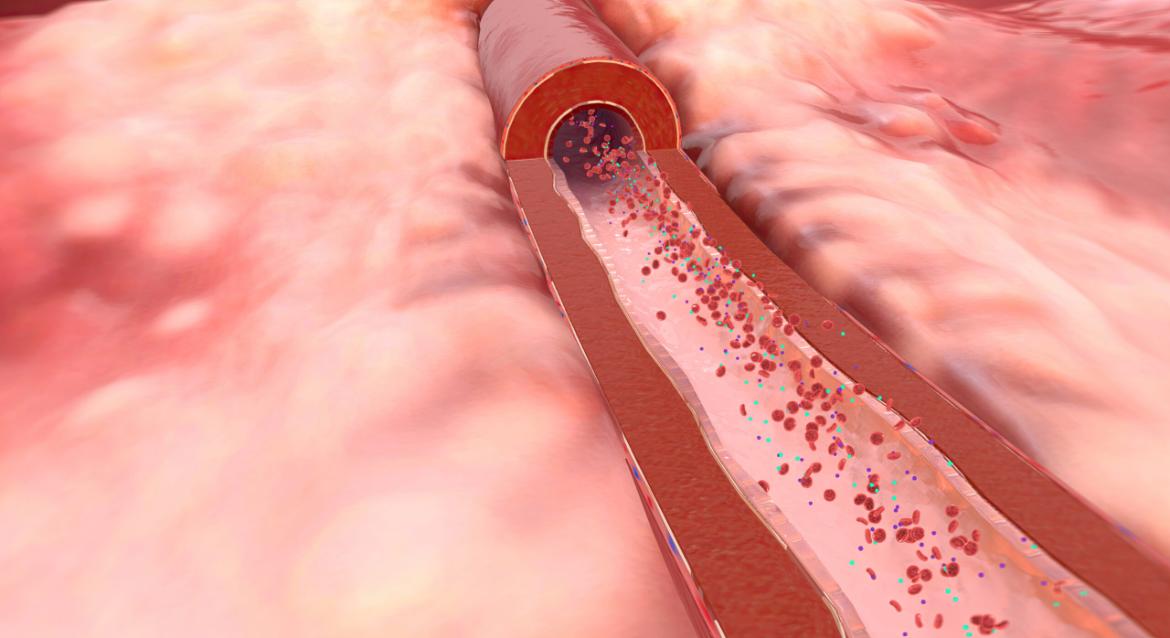
Ischemia refers to a condition where blood flow to specific organs is reduced or completely interrupted, preventing them from receiving oxygen. Ischemia, which is usually caused by hardening of the arteries (also known as atherosclerosis), occurs as a result of plaque buildup and thickening in the arteries. This occurs when the arteries supplying the organs become narrowed or blocked. The areas affected by ischemia are called "ischemic zones." Various organs, such as the heart, brain, intestines, arms, or legs, can be affected by ischemia.
Its effects on the heart are called "cardiac ischemia," while its effects on the brain are called "cerebral ischemia." Ischemia occurring in the intestines is called "bowel ischemia," and ischemia in the arms or legs is called "extremity ischemia."
Symptoms of ischemia include chest pain, rapid heartbeat, and shortness of breath. Nausea, vomiting, body aches, and fatigue may also occur. Ischemia can cause tissue damage in affected organs and, if prolonged, can lead to cell death. This condition, which results in the death of all or part of the body, is called an infarction.
Treatment methods for ischemia caused by factors such as atherosclerosis, heart disease, obesity, stroke and smoking include practices aimed at restoring blood flow to the organs.
Causes of ischemia: Factors that cause poor blood flow to organs
Ischemia is the condition in which blood flow to certain organs is reduced or interrupted, preventing them from receiving the oxygen and nutrients they need. This medical condition typically occurs due to deterioration in the areas affected by ischemia. Factors contributing to ischemia include:
- Atherosclerosis: Hardening of the arteries, or plaque buildup, can cause narrowing of the arteries and reduced blood flow. This can lead to ischemia.
- Heart diseases: Disorders that occur in the heart vessels or heart muscle can cause the heart not to receive enough blood, thus causing ischemia.
- Conditions that increase the rate of blood clotting: Blood clotting more easily than normal can cause vascular occlusions and ischemia.
- Smoking: Smoking can accelerate atherosclerosis and cause narrowing of blood vessels, increasing the risk of ischemia.
- Obesity : Being overweight can increase fat accumulation in the body, which can affect blood vessels and predispose to ischemia.
- Stroke: A stroke can affect cerebral blood flow, causing ischemia.
- Diabetes: Diabetes can lead to damage and blockage of blood vessels, increasing the risk of ischemia.
Individuals affected by the factors mentioned above may be more likely to develop ischemia. Adopting a healthy lifestyle, exercising regularly, eating a healthy diet, and managing risk factors are important steps in reducing the risk of ischemia.
Types and characteristics of ischemia
Ischemia refers to the reduction or interruption of blood flow to organs. Ischemia can occur in different ways, depending on the organ affected. Types of ischemia:
- Cardiac ischemia (Myocardial ischemia): A condition of ischemia that occurs in the heart. Atherosclerotic plaques in the coronary arteries usually cause cardiac ischemia. This condition prevents the heart muscle from receiving enough oxygen, which can lead to a heart attack.
- Cerebral ischemia: This occurs when blood flow to brain tissue is reduced or interrupted. Rapidly developing cerebral ischemia can lead to brain tissue death (stroke).
- Intestinal ischemia (mesenteric ischemia): This is ischemia that occurs in the gastrointestinal system. Problems with the blood vessels that feed the intestines can cause abdominal pain, especially after a fatty meal.
- Limb ischemia: A type of ischemia that affects the arms or legs. It is most common in people with peripheral arterial disease (PAD), which affects the arteries that feed the legs. This can cause leg pain, numbness, and difficulty walking.
Each type of ischemia can have different symptoms and risk factors depending on the organ functions and characteristics it affects. Therefore, specific treatments and prevention strategies are designed to address the symptoms and risk factors of each type of ischemia.
Ischemia symptoms: Diagnosis and first signs
Symptoms of ischemia can vary depending on the organ affected and the severity of the ischemia. However, general symptoms include:
- Chest pain: Severe or excruciating chest pain, which may occur especially after exercise, is a prominent symptom of cardiac ischemia.
- Increased heart rate: Increased heart rate or irregular heartbeats may occur in cases of cardiac ischemia.
- Shortness of breath: Ischemia can cause shortness of breath when not enough oxygen reaches the body.
- Fatigue: Lack of energy and a constant feeling of tiredness are common symptoms of ischemia.
- Body aches: General body aches may occur due to ischemia.
- Dizziness and headache: Disturbances in blood flow can cause dizziness and headache.
- Numbness: A feeling of numbness or tingling in the affected area is a symptom of ischemia.
- Nausea and vomiting: Ischemia may cause nausea and vomiting.
- Slurred speech: In case of brain ischemia, difficulty in speech, slurring or problems with understanding may occur.
- Non-healing wounds: The healing process of wounds may slow down in areas where blood flow is poor.
- Bloating and diarrhea: In case of intestinal ischemia, abdominal bloating and diarrhea may occur.
These symptoms can vary depending on the different types of ischemia. Furthermore, symptoms can vary from person to person and can range from mild to severe.
How is ischemia diagnosed?
Diagnosing ischemia typically involves various imaging and diagnostic tests that evaluate blood flow performance throughout the body. These tests may include:
- CT scans (Computed tomography): Computed tomography (CT) scans are used to produce detailed cross-sectional images of organs inside the body. This test can be particularly helpful in diagnosing conditions such as cerebral ischemia or cardiac ischemia.
- Ultrasound exams: Ultrasound is used to evaluate blood flow within the body and organs. Doppler ultrasound can be used to measure and evaluate blood flow velocity in blood vessels.
- Angiograms : Angiograms are used to visualize the internal structure of blood vessels and blood flow. This test can be particularly effective in identifying blockages in the coronary arteries.
- Magnetic resonance imaging (MRI): Magnetic resonance imaging (MRI) is used to produce detailed images of organs and blood vessels inside the body. MRI is particularly effective in evaluating cases of cerebral ischemia.
- Electrocardiography ( ECG or ECG): An electrocardiogram is used to assess heart health by recording the heart's electrical activity. Ischemia can cause certain changes in the ECG .
- Stress test: A stress test is used specifically to evaluate cardiac ischemia. Heart activity is monitored by having the patient exercise.
Diagnosing ischemia typically involves a combination of these tests. These tests are administered by healthcare professionals based on the patient's symptoms, medical history, and risk factors, and the appropriate treatment plan is determined based on the diagnostic results.
Ischemia risk factors: Health status and lifestyle influences
There are several factors in the body that can increase the risk of ischemia. These risk factors generally include factors related to an individual's health and lifestyle. The primary factors that increase the risk of ischemia include:
- Smoking: Excessive smoking can accelerate atherosclerosis and cause narrowing of blood vessels, increasing the risk of ischemia.
- Obesity : Being overweight can increase fat accumulation in the body, which can affect the vessels and increase the risk of ischemia.
- Heart diseases: Coronary artery diseases, in particular, can cause blockages in the vessels, leading to cardiac ischemia.
- Diabetes: Diabetes can cause damage to blood vessels, increasing the risk of ischemia.
- Inactivity: Not exercising regularly can affect blood circulation and overall health, increasing the risk of ischemia.
- High blood pressure: High blood pressure can cause hardening and narrowing of the arteries, increasing the risk of ischemia.
- High triglyceride levels: High triglyceride levels can cause plaque buildup in blood vessels, increasing the risk of ischemia.
These risk factors often coexist and interact. Adopting a healthy lifestyle, exercising regularly, eating a balanced diet, and managing risk factors are important steps in reducing the risk of ischemia.
How to prevent ischemia? 5 essential steps for a healthy life
Adopting a healthy lifestyle is important to reduce and prevent the risk of ischemia. Key steps to prevent ischemia include:
Healthy eating:
- Consuming more fruits, vegetables, and whole grains.
- Limiting foods containing saturated fat and trans fat.
- Regularly consuming fish rich in omega-3 fatty acids.
Regular exercise:
- Doing at least 150 minutes of moderate-intensity aerobic exercise per week.
- Increasing muscle mass through strengthening exercises.
- Incorporating physical activity into your daily routine.
Quitting smoking:
- Quitting or reducing smoking can significantly improve vascular health.
- Taking advantage of smoking cessation programs and support groups.
Stress management:
- Practicing stress-reducing techniques such as meditation, yoga, or deep breathing exercises.
- Engaging in hobbies and making time for relaxing activities.
Regular health checks:
- Have your blood pressure, cholesterol and diabetes levels checked regularly.
- To apply relevant treatments regularly and completely.
Taking these steps can be an effective way to improve overall health and reduce the risk of ischemia. It's also important to communicate regularly with healthcare professionals and monitor your health. Taking preventative measures against ischemia can improve your quality of life and prevent serious health problems.
