


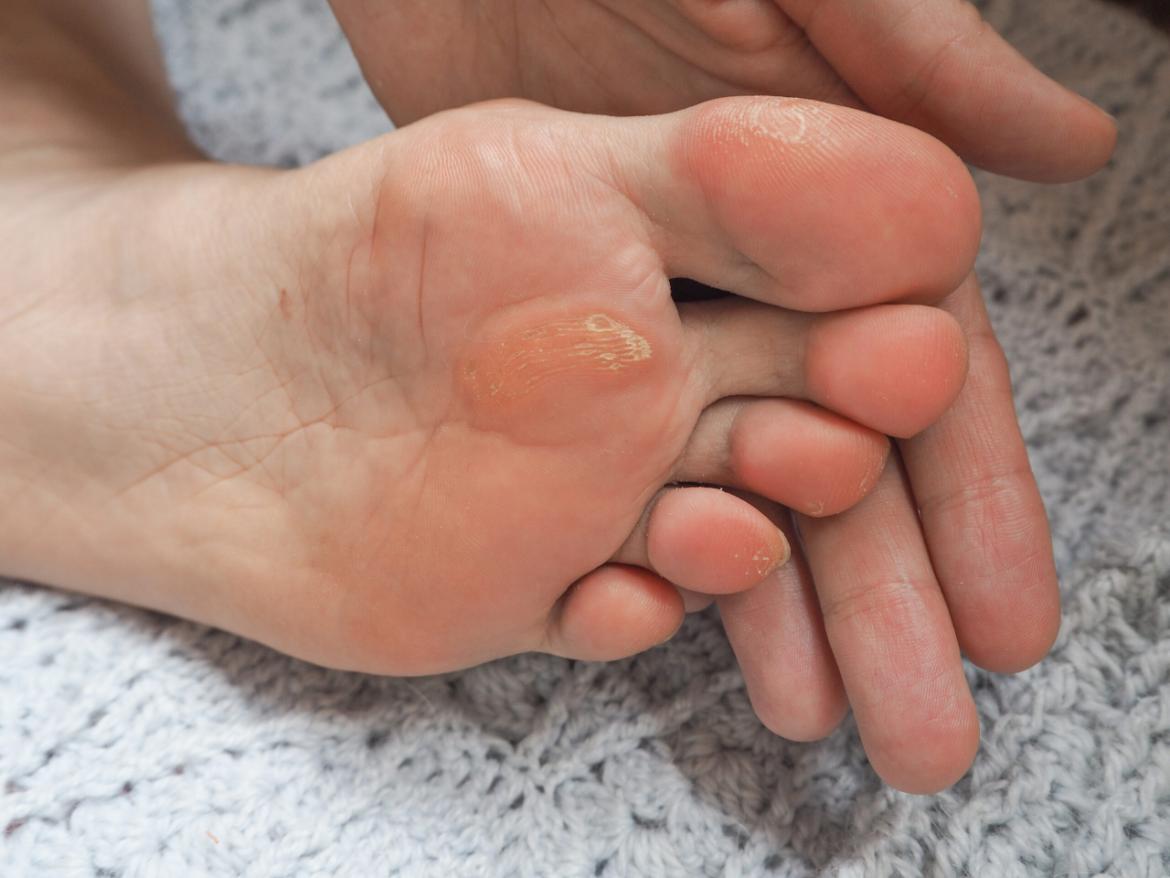
What is a Callus? What is Good for a Callus?
What is a Callus ?
Calluses are areas of thickened skin caused by excessive pressure or friction on specific areas of the skin. They typically appear on the feet, particularly the toes, and hands. They are especially common in people who stand for long periods, wear tight shoes, or engage in certain activities frequently. In this article, we will discuss the causes, symptoms, treatment methods, and preventative measures for calluses.
What are the causes of callus ?
A callus is a condition that occurs when the skin thickens as a result of excessive pressure or friction. While it usually appears on the feet and hands, it can also develop on other parts of the body. Here are the main causes of calluses:
Wrong Shoe Choice
Wearing tight, high-heeled, or uncomfortable shoes puts pressure on the feet. Shoes that pinch the toes, in particular, increase friction and lead to the development of calluses. The interior design, stitching, and material of the shoe are also important; poorly designed shoes can cause skin irritation.
High Activity Level
Regular activities like running, walking, or dancing create constant friction on the feet, which can trigger the formation of calluses. Athletes like long-distance runners are at greater risk for this condition.
Foot Anatomy
An individual's foot structure can influence the formation of calluses. Structural issues like flat feet and high arches create excessive pressure in certain areas. These anatomical differences cause the toes and soles to experience increased friction in certain areas.
Disabilities or Deformities
Toe deformities (for example, hammertoes or bunions) or injuries can cause improper footing while walking, creating excessive pressure and friction in certain areas, increasing the risk of corns and calluses.
Inadequate Foot Care
Inadequate foot hygiene can lead to problems like dry and cracked skin. Dry or cracked skin becomes more vulnerable to friction, making it easier for calluses to form.
Sedentary Lifestyle
People who are less active may be at increased risk of developing calluses due to excessive pressure on certain areas of the feet. Standing for long periods of time and holding the feet incorrectly while sitting can also cause friction.
Diseases and Health Problems
Certain conditions, such as diabetes, can negatively impact skin health. People with diabetes may experience loss of sensation in their feet due to nerve damage, which can lead to unnoticed calluses. Additionally, circulation problems can cause skin deterioration.
Occupational Factors
Some occupations may increase friction and pressure from standing or using certain tools. For example, construction workers, nurses, or anyone who works long hours standing are at higher risk of developing corns.
Calluses usually appear as a result of the body's self-defense mechanism. However, a combination of the factors mentioned above can trigger the formation of calluses. Choosing the right shoes, regular foot care, and seeking professional help when necessary are important for preventing or treating calluses.
What are the symptoms of corns?
Symptoms of corns include:
- Thick, Hard Skin : An area of rough, thick skin develops in the affected area.
- Pain or Tenderness : Sometimes sensitivity to pressure or mild pain may be felt.
- Swelling and Redness : A slight swelling or redness may appear around the callus.
- Burning Sensation : In some cases, a burning sensation may occur in the area where the callus is located.
These symptoms indicate the effects of corns on the skin and may require treatment.
What are the Callus Treatment Methods?
Callus treatment methods include various approaches depending on the situation. Here's a detailed list:
Home Remedies
- Hot Water Bath:
- Soaking your feet in hot water for 10-15 minutes will soften the callus.
- Adding a few drops of olive oil or apple cider vinegar to the water can enhance its effect.
- Apple Cider Vinegar:
- Soak a cotton ball in apple cider vinegar and place it on the callus.
- After covering it with a bandage and waiting for a few hours, you can gently rub the softened callus.
Creams and Ointments
- Salicylic Acid:
- Creams containing salicylic acid, which you can find in pharmacies, help peel off the top layer of the callus.
- It is important to apply it regularly by paying attention to the instructions for use.
- Urea-Based Creams:
- Urea helps soften the callus by increasing the moisture of the skin.
- It is an effective option especially for dry skin.
Foot Care
- Regular Moisturizing:
- Moisturizing your feet daily helps keep the skin soft.
- Do not neglect foot care by using moisturizing creams.
- Choosing the Right Shoes:
- Wearing comfortable, well-fitting, and supportive shoes reduces pressure on the feet.
- Avoiding tight and narrow shoes prevents the formation of corns.
Other Treatment Methods
- In-Shoe Pads:
- You can add soft pads inside the shoes to provide comfort and reduce friction.
- Skin Peeling:
- You can reduce the appearance of calluses by using exfoliating products that gently remove the top layer of skin.
Professional Help
- Podiatrist or Dermatologist:
- If the callus is large or if your home remedies are not working, it is important to seek professional help.
- The specialist may remove the callus surgically or recommend more effective treatment methods.
Lifestyle Changes
- Balanced diet:
- It is beneficial to follow a diet rich in vitamins and minerals to support skin health.
- Regular Exercise:
- You can do light exercises such as walking to maintain foot health.
What are the Steps to Prevent Calluses?
Choosing the Right Shoes
- Comfortable and Proper Size: Make sure your shoes are the right size; tight or narrow shoes can lead to corns.
- Supportive Sole: Avoid high heels or thin-soled shoes and opt for flatter, more supportive shoes.
Regular Foot Care
- Cleanliness: Wash your feet daily with soap and water, then dry them thoroughly.
- Moisturize: Nourish your feet daily with moisturizing creams, this will help keep the skin soft.
Regular Nail Care
- Proper Cut: Prevent ingrown toenails and friction by cutting your nails straight across.
- Avoid Overly Long Nails: Long nails can rub against shoes, increasing the risk of corns.
Walking and Exercise Attention
- Reduce Friction: Reduce pressure on feet by maintaining correct posture and stride pattern while walking.
- Regular Exercise: Strengthening your foot muscles improves overall foot health.
Use of Shoe Pads
- Soft Pads: Soft pads placed inside the shoes reduce the pressure on the feet and prevent the formation of calluses.
- Gel Pads: You can use gel pads to prevent calluses that may occur especially on the heels.
Skin Care Products
- Exfoliating Products: Gently exfoliating your feet once or twice a week will remove dead skin and prevent calluses from forming.
- Moisturizing Masks: You can protect foot health by using moisturizing masks in skin care.
Balanced diet
- Vitamin and Mineral Intake: Follow a diet rich in vitamins (especially A, C, E) and minerals (zinc, magnesium), which support skin health.
- Water Consumption: Drinking enough water helps keep the skin moist.
Monitoring and Early Intervention
- Thorough Check: Notice early signs by checking your feet regularly.
- Rapid Response: If you notice callus formation early, start treating it immediately.
Corns are often a minor condition, but they can affect quality of life. With proper footwear, regular foot care, and appropriate treatment methods, corns can be prevented or treated. However, it's important to consult a healthcare professional before starting any treatment to avoid confusing corns with other skin conditions. It's important to remember that foot health significantly impacts overall health, so it's always beneficial to take proper care.
