


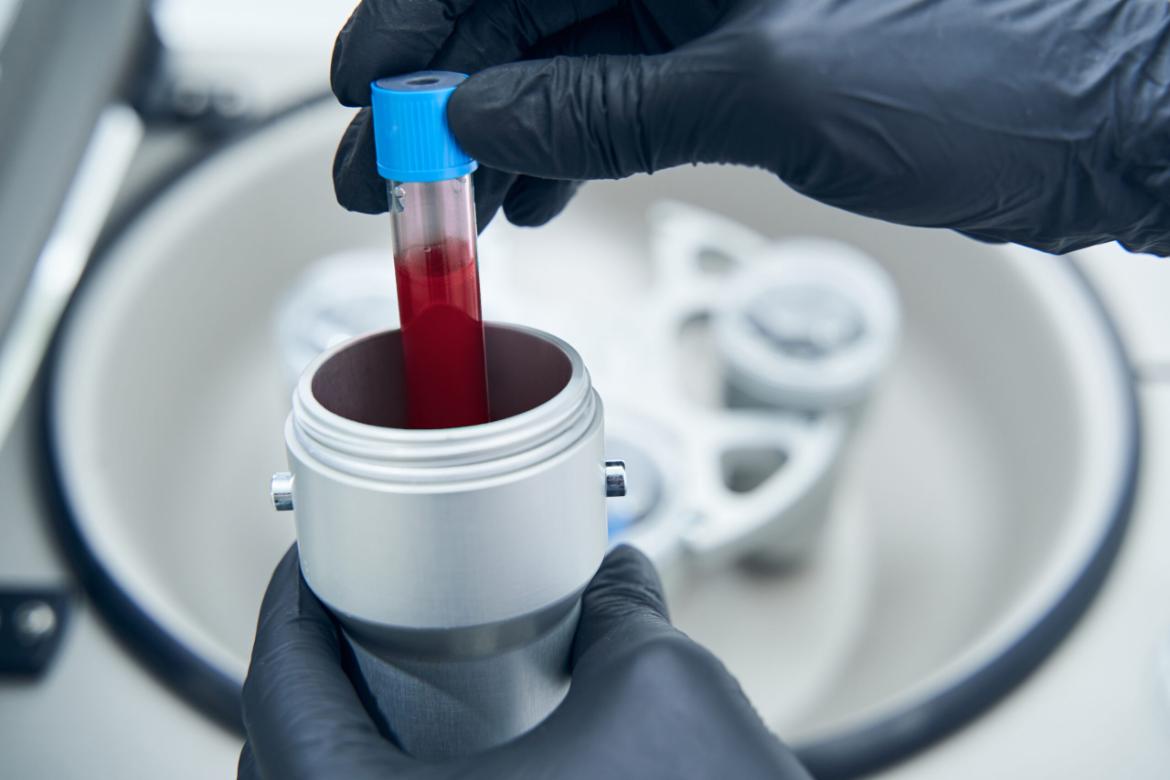
What is HCT?
Hematocrit (HCT), a frequently used parameter in blood tests, represents the ratio of the volume of red blood cells to the total blood volume. Normal HCT values, the total proportion of red blood cells (RBCs) in the blood, can vary depending on age and gender. It typically ranges from 39-50% in adult men and 35-45% in adult women .
Hematocrit level is an important metric for assessing the body's oxygen-carrying capacity. A low or high level of these cells can lead to various medical problems, particularly blood disorders.
Red blood cells are responsible for carrying oxygen throughout the body and are produced in the bone marrow. A higher or lower number of these cells can affect the body's oxygen-carbon dioxide balance. A hematocrit test can be used to detect anemia or other blood disorders.
A low hematocrit indicates a low number of red blood cells and may indicate anemia. A high HCT may indicate a high number of red blood cells and may be associated with polycythemia and dehydration.
Normal hematocrit ranges can vary by age. For example, normal ranges may vary in children younger than 15 years of age.
There are various conditions that can affect hematocrit levels. Living in high altitudes, pregnancy, severe dehydration, blood transfusions, or blood loss can all affect hematocrit levels.
This test plays a key role in assessing the body's oxygen-carrying capacity by measuring the percentage of red blood cells in the blood. However, interpretation of the results should take into account a doctor's evaluation and the individual's overall health.
What should be the hematocrit (HCT)?
Hematocrit is a blood test that measures the proportion of a person's blood made up of red blood cells. Generally, for adult women, the HCT value should be between 35% and 45% ; for men, it should be between 39% and 50% . Levels below or above these levels are considered low or high HCT. A low HCT is usually associated with anemia, while a high HCT can indicate polycythemia.
HCT values can vary depending on several factors. These factors include living in high altitudes, pregnancy, severe dehydration, blood transfusions, and blood loss. These factors can affect values and cause results to differ from normal.
However, the generally accepted standard adult reference ranges for an individual's HCT value are 35-45% for women and 39-50% for men . Situations outside these ranges are generally evaluated by healthcare professionals for further evaluation. Values should be interpreted in conjunction with the individual's general health status and other clinical findings.
What is low hematocrit?
A low hematocrit (HCT) indicates a lower-than-normal number of red blood cells in the blood. In this case, the percentage of red blood cells in the blood is usually below the established normal range, and anemia may develop.
There are several factors that cause miscarriage:
- Iron deficiency: Iron deficiency, which plays a fundamental role in the production of red blood cells, is a common cause of low HCT.
- Vitamin deficiencies: Vitamin B12 , folate, and vitamin B6 deficiencies can affect the normal production of red blood cells and therefore lead to decreased HCT levels.
- Blood loss: Blood loss resulting from any injury, illness or surgery can cause short-term low HCT.
- Digestive diseases: Some digestive disorders, such as Crohn's, can affect nutrient absorption and, in turn, reduce red blood cell production, lowering HCT levels.
- Hyponatremia: A fluid imbalance or too much water in the body can affect HCT levels in the blood.
- Kidney diseases: Anemia is one of the important complications of kidney diseases and can cause low HCT.
- Thyroid disorders: Thyroid hormones can affect red blood cell production. Thyroid problems can reduce red blood cell production, leading to low HCT.
- Hemolytic anemia: The destruction of red blood cells before completing their normal lifespan is called hemolytic anemia and may cause low HCT.
In addition to these factors, conditions such as leukemia, chemotherapy, and an enlarged spleen can also cause a decrease in red blood cells and, consequently, a low HCT level. One of the primary causes of low HCT is the body's inability to produce sufficient healthy red blood cells or the inadequate function of existing ones. A detailed evaluation under the supervision of a doctor should be conducted to determine the causes and treatment of this condition.
What are the symptoms of low hematocrit (HCT)?
A low hematocrit (HCT) is associated with a decrease in the number of red blood cells in the blood. Individuals with low values often experience the following symptoms:
- Weakness and exhaustion: A constant feeling of tiredness, exhaustion and lack of energy.
- Pale skin tone: Pale skin and face due to decreased red blood cells.
- Shortness of breath: A feeling of breathlessness due to the decrease in red blood cells and insufficient oxygen being carried throughout the body.
- Heart arrhythmias and palpitations: Heart beating faster than normal or irregular rhythms due to low oxygen levels in the blood.
- Headaches and dizziness: Inadequate oxygen levels can cause headaches and dizziness.
- Blackouts: A feeling of blackout in the eyes after standing up suddenly or moving.
- Cold hands and feet: A feeling of coldness in the hands and feet due to reduced circulation or lack of oxygen transport.
- Chest pain: Chest pain that may occur due to anemia.
- Sleep problems: Changes in sleep patterns due to fatigue and breathing problems.
- Hair loss: Hair loss due to a decrease in red blood cells.
These symptoms may be seen in individuals experiencing low HCT, but not everyone experiences the same symptoms. Conditions such as anemia can vary from person to person, and symptoms can vary. If you experience these symptoms or suspect anemia, it's important to consult a healthcare professional. You should speak with your doctor to identify the underlying cause of your low HCT and initiate appropriate treatment.
What is HCT and how is it increased?
In cases of low HCT (Hematocrit), hematocrit levels can be increased by making dietary changes. Here are some suggestions for raising hematocrit levels:
- Iron and B12- rich foods: Iron and vitamins B12 are essential for red blood cell production. Therefore, it may be beneficial to include iron- and B12-rich foods in your diet, such as meat (such as red meat, chicken, and fish), eggs, milk and dairy products, legumes (lentils, beans), and leafy green vegetables (such as spinach and broccoli).
- Foods containing vitamin C: Vitamin C can increase iron absorption. Therefore, consuming fruits and vegetables rich in vitamin C, such as oranges, tangerines, kiwis, and strawberries, may be beneficial.
- Folate-rich foods: Folate (folic acid) plays an important role in the formation of red blood cells. Consuming foods containing folate, such as green leafy vegetables (spinach, lettuce), legumes (chickpeas, beans), and orange juice, may be beneficial.
- Adequate fluid intake: Drinking enough water is important to maintain proper fluid balance in the body. Hydration is essential for normal red blood cell production.
- Healthy and balanced diet: A healthy, balanced, and varied diet is important for meeting the body's nutritional needs. Eating regularly and consuming a variety of foods can contribute to red blood cell production.
- Collaboration with a doctor or dietitian: If your hematocrit is low, it's important to seek support from a doctor or nutritionist regarding dietary changes. A professional review can be helpful in creating a personalized nutrition plan and identifying any nutritional deficiencies.
Making dietary changes may not be sufficient to increase HCT levels. It's important to consistently follow your doctor's recommended treatments and supplements, especially if you have significant anemia. For any health condition, it's always important to consult a professional before making dietary changes.
What is HCT (Hematocrit) elevation?
A high hematocrit is a condition in which the blood contains more red blood cells than normal. This can be caused by a number of conditions that increase red blood cell production or decrease red blood cell loss. Some conditions that can cause a high hematocrit include:
- Dehydration: Dehydration can cause a proportional increase in the number of red blood cells in the blood. This can lead to elevated HCT levels.
- Polycythemia (Erythrocytosis): A condition characterized by an excess of red blood cells in the blood. This can cause blood to thicken and impede circulation, leading to various complications.
- Heart and lung problems: Heart and lung diseases can affect the body's oxygen exchange, causing an increase in red blood cells. Conditions such as scarring and thickening of the lungs, in particular, can increase HCT levels.
- Smoking: Smoking can stimulate the body's production of red blood cells and increase the number of red blood cells in the blood, which can lead to elevated HCT levels.
- Carbon monoxide poisoning: Carbon monoxide can increase red blood cell count and raise HCT levels by reducing the amount of plasma in the blood.
- Diet or high altitude areas: Eating habits or living in high altitude areas can affect the body's oxygen levels, causing an increase in red blood cells.
High HCT can have negative effects on the circulatory system. Increased blood density can reduce blood flow, increasing the risk of clotting. Therefore, it is important to identify the underlying cause of elevated HCT and provide appropriate treatment. Treatment is often specific to the condition and should be undertaken under the guidance of a physician. Treatment for conditions such as dehydration or underlying conditions may be necessary to lower blood pressure.
What are the symptoms of high hematocrit (HCT)?
It's a condition where the percentage of red blood cells in the blood is higher than normal. This condition can manifest itself with certain symptoms. Symptoms observed in people with a high hematocrit may include:
- Weakness: Constant feeling of tiredness, low energy.
- Pruritus: A sensation of itching on the skin, usually.
- Redness on the face and hands: Redness may be seen especially on the face and hands.
- Joint and muscle pain: Painful sensations, especially in the joints and muscles.
- Abdominal pain: A feeling of discomfort or pain in the abdominal area.
- Blurred vision: Blurred vision or trouble focusing.
- Headaches and dizziness: Frequent headaches, feeling dizzy.
- Sleep problems: Insomnia, difficulty falling asleep, or sleep problems.
- Tinnitus: Ringing or buzzing in the ears.
- Excessive sweating: A state of sweating more than normal.
These could be symptoms related to elevated HCT levels. However, these symptoms may not be the same for everyone and may be caused by other health issues. It's important to consult a doctor to assess the situation and plan appropriate treatment. A doctor-supervised evaluation may be necessary to identify the underlying cause of the elevated levels and ensure appropriate treatment.
How to lower hematocrit (HCT)?
The following lifestyle changes may help to lower its levels:
- Quitting smoking: Smoking can stimulate red blood cell production. Quitting smoking can reduce the overproduction of red blood cells and therefore lower their levels.
- Healthy and balanced diet: A regular and balanced diet supports healthy body function. A nutritional plan that includes nutrients essential for red blood cell production, such as B12, iron, and folate, can help regulate blood sugar levels. A diet that includes these nutrients, such as meat, fish, leafy green vegetables, legumes, and whole grains, is important.
- Avoiding dehydration: Dehydration is associated with decreased fluid retention and can increase the percentage of red blood cells in the blood. Drinking plenty of water can help maintain fluid balance in the body, bringing levels back to normal.
- Regular exercise: Exercising regularly can improve blood circulation and help maintain normal red blood cell levels.
- If your levels are high and caused by an underlying health condition, it's important to follow your doctor's recommended treatment. Your doctor can develop a treatment plan specifically for your situation.
While lifestyle changes are important for lowering HCT levels, they may not be effective in every case. Therefore, if your levels are high and persistent, you should definitely consult a doctor. With expert advice and guidance, a more effective treatment plan can be planned.
