


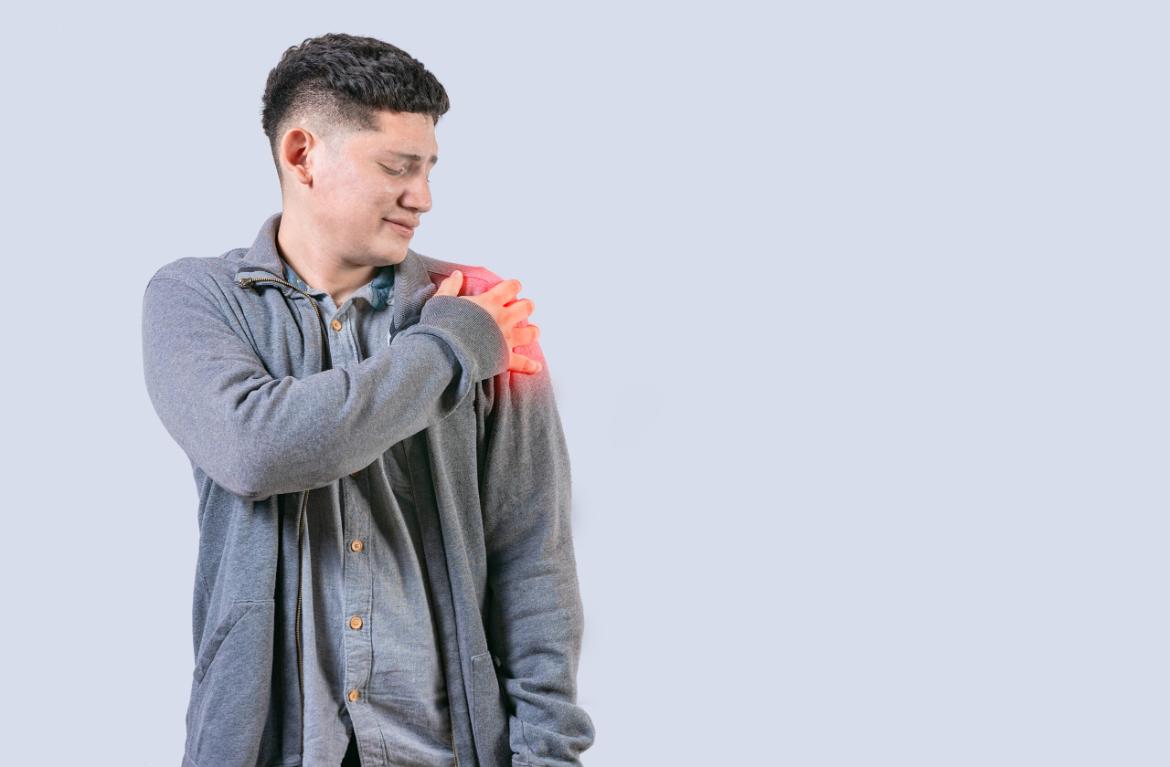
Shoulder Dislocation
The shoulder joint is one of the body's most mobile joints and has a wide range of motion. However, this mobility can make the joint unstable. The shoulder is a ball-and-socket structure, and the joint socket is quite shallow, making it easy to dislocate the shoulder. Shoulder dislocation can cause stretching and tearing of the tissues surrounding the shoulder joint.
Shoulder dislocations occur in the majority of patients presenting to emergency departments. Approximately 1.7 out of every 100 people experience a shoulder dislocation. A shoulder dislocation occurs when the humerus bone at the shoulder joint dislocates from a socket-like structure in the body. Because the shoulder joint is capable of movement in multiple directions, sudden movements, accidents, and similar situations can cause a shoulder dislocation.
In the event of a shoulder dislocation, attempting to reset the joint without proper intervention can lead to permanent damage and pain. Therefore, it is important to seek emergency medical attention if you have a shoulder dislocation. Shoulder realignment and treatment typically take 12 to 16 weeks. Recovery may be longer, especially for older individuals or those with bone and joint disease.
The most common cause of shoulder dislocation is a shoulder that opens or rotates outward. Unconscious interventions following this type of shoulder dislocation can lead to permanent damage to the joint. Therefore, proper treatment and professional supervision are crucial.
To prevent shoulder dislocation, it's important to use proper techniques during sports and avoid sudden and forceful movements. If a shoulder dislocation occurs, medical attention is essential, and treatment should be carefully monitored.
Shoulder dislocation symptoms
A shoulder dislocation occurs when the arm bone moves out of the shoulder socket, with distinct symptoms. Symptoms include:
- Inability to move the arm: In the case of a shoulder dislocation, the arm usually cannot be moved or may be very limited in movement with pain and discomfort.
- Pain: Severe pain is felt when attempting to move the arm. Pain that increases with movement or touch is typical.
- Deformity: Instead of the normal rounded appearance of the shoulder, it may become angular or square. This is a symptom of dislocation of the arm bone.
- Swelling and soft tissue: It is possible for the upper arm bone to develop a lump or swelling under the skin in front of the shoulder.
- Bruising and swelling: Bruising and swelling may occur as a result of a shoulder dislocation. This can vary depending on the severity of the dislocation.
- Numbness and tingling: In case of shoulder dislocation, numbness or tingling may be felt as a result of nerves or blood vessels being affected.
If a shoulder dislocation is suspected, it is important for the individual to seek immediate medical attention. Attempting to reposition the shoulder can be dangerous for the individual or anyone around them. This intervention can cause serious damage to tissues and nerves. During this time, the upper arm should be kept as still as possible, and a pillow or soft object can be used to help stabilize the shoulder. Alternatively, a simple sling can be used to keep the elbow bent at a right angle, if possible. These measures can help prevent further deterioration of the shoulder and provide comfort while awaiting medical attention.
What are the causes of shoulder dislocation?
There are several possible causes of shoulder dislocation, and the following factors are often at play:
- Sports activities: Contact sports (such as football, hockey, rugby) and sports that involve a risk of falling (such as downhill skiing, volleyball, and gymnastics) can cause a shoulder dislocation. Sudden impacts or falls in these sports can lead to dislocation of the shoulder joint.
- Accidents: Accidents, traumatic blows, or hard collisions can also cause a shoulder dislocation. Situations like falling down stairs or tripping over an object can cause a hard blow to the shoulder and lead to a dislocation.
- Sudden and strong force: Excessive rotation of the shoulder or the application of an unexpected force can also cause a shoulder dislocation. Dislocations can occur, particularly if the bones in the shoulder joint suddenly rotate.
Young, physically active individuals may be at higher risk for shoulder dislocation. However, shoulder dislocations can also occur in older individuals. However, the recovery period may be longer in older individuals than in younger individuals.
Precautions can be taken to prevent shoulder dislocations. Those involved in contact sports, in particular, should wear protective equipment and exercise regularly to strengthen their shoulder muscles. Individuals experiencing a shoulder dislocation can, with a doctor's advice, engage in shoulder muscle strengthening exercises to reduce the risk of shoulder instability. These exercises can reduce the risk of dislocations by increasing shoulder joint stability.
How is shoulder dislocation diagnosed?
The diagnosis of shoulder dislocation is made by a combination of the patient's symptoms, clinical examination findings, and imaging techniques. Diagnostic steps may include:
- Patient history and physical examination: This begins with the patient describing their complaints and symptoms. This is supported by examining shoulder mobility and localizing the pain.
- Imaging tests: The first step in patients suspected of having a shoulder dislocation is usually an X-ray. X-ray images are used to assess the condition of the bones in the shoulder and confirm the presence of a dislocation. If a dislocation is present, the correct placement of the bones and the direction of the dislocation are determined.
- Magnetic resonance imaging (MRI): An MRI scan may be performed to examine the soft tissues, ligaments, tendons, and other structures in the shoulder area in greater detail. MRI is used as a more sensitive imaging method to detect potential injuries or damage to the shoulder joint.
- Evaluation of blood vessels and nerves: A shoulder dislocation may affect blood vessels or nerves. In these cases, especially in severe dislocations or if complications are suspected, doctors may order additional tests to evaluate blood circulation and nerve function.
The treatment plan depends on the diagnosed shoulder dislocation, its severity, and any other potential associated injuries. It typically begins with reduction of the shoulder, followed by evaluation of treatment options such as pain management, rehabilitation, and, if necessary, surgery.
Early diagnosis and appropriate treatment can reduce the risk of permanent joint damage. Therefore, it is important to consult a qualified healthcare professional if you suspect a shoulder dislocation.
What are the treatment methods for shoulder dislocation?
Treatment methods for shoulder dislocations may vary depending on the severity of the dislocation, any associated injuries, and the patient's overall health. Treatment options for shoulder dislocations include:
- Reduction (Resetting the dislocation): The first step in a shoulder dislocation is to reset the dislocated joint. This procedure is usually performed using medical imaging techniques. The physician then moves the dislocated shoulder back into place in a controlled manner.
- Surgical intervention for fractures: If there are fractures following a shoulder dislocation or if severe tissue damage has occurred, surgery may be necessary. Surgical treatments may be used to repair fractures or tissue damage.
- Tissue Repair: In some cases, shoulder dislocations can cause tears in ligaments, tendons, and other tissues. In these cases, surgical repair can be performed to realign and strengthen the tissues.
- Rehabilitation and physical therapy: Physical therapy programs may be implemented to help recover from shoulder dislocations, whether postoperative or nonsurgical. These programs aim to strengthen the shoulder and increase flexibility.
- Healing and monitoring: The shoulder may need to be in a sling for a period of time after recovery. Medications may be used for pain control. Regular checkups are important throughout the treatment process, and regular physician visits are essential to assess the shoulder's healing progress.
Treatment duration may vary depending on the patient's condition, treatment method, and other associated factors. The treating physician will advise on recovery time and when activities can be resumed, based on the patient's specific condition. If you experience symptoms of a shoulder dislocation or experience recurring shoulder dislocations, you can consult a healthcare professional to begin the necessary examination and treatment.
What should be done to prevent shoulder dislocation?
- Avoiding risky activities: It's important to avoid risky activities that could lead to a shoulder dislocation. Caution is especially important when engaging in activities that carry a high risk of falling, and necessary precautions should be taken.
- Shoulder-strengthening exercises: People who participate in sports that involve shoulder movement should do specific exercises to improve shoulder muscle strength and stability. Exercises that strengthen the shoulders and increase flexibility can help prevent shoulder dislocations.
- Pre-sports preparation: Proper stretching and warm-up exercises should be performed before exercise. This prepares the muscles, increases flexibility, and can reduce the risk of shoulder injury.
- Use of protective equipment: Protective equipment should be worn during sports or activities when necessary to protect the shoulder. It is especially important for those participating in contact sports to use appropriate protective equipment.
- Rehabilitation and exercise: Individuals who have previously dislocated their shoulder should participate in rehabilitation and specific exercise programs under the guidance of a doctor or physical therapist to strengthen the injured shoulder. This can help prevent recurrent shoulder dislocations.
- Regular checkups: It's especially important for people with a history of shoulder problems or those involved in sports to have regular checkups. This can be crucial for monitoring shoulder health.
Shoulder dislocation is a serious condition that requires treatment. It's especially important for those at risk to take preventative steps and appropriate precautions. These measures can reduce the risk of shoulder dislocations and help maintain shoulder health.
