


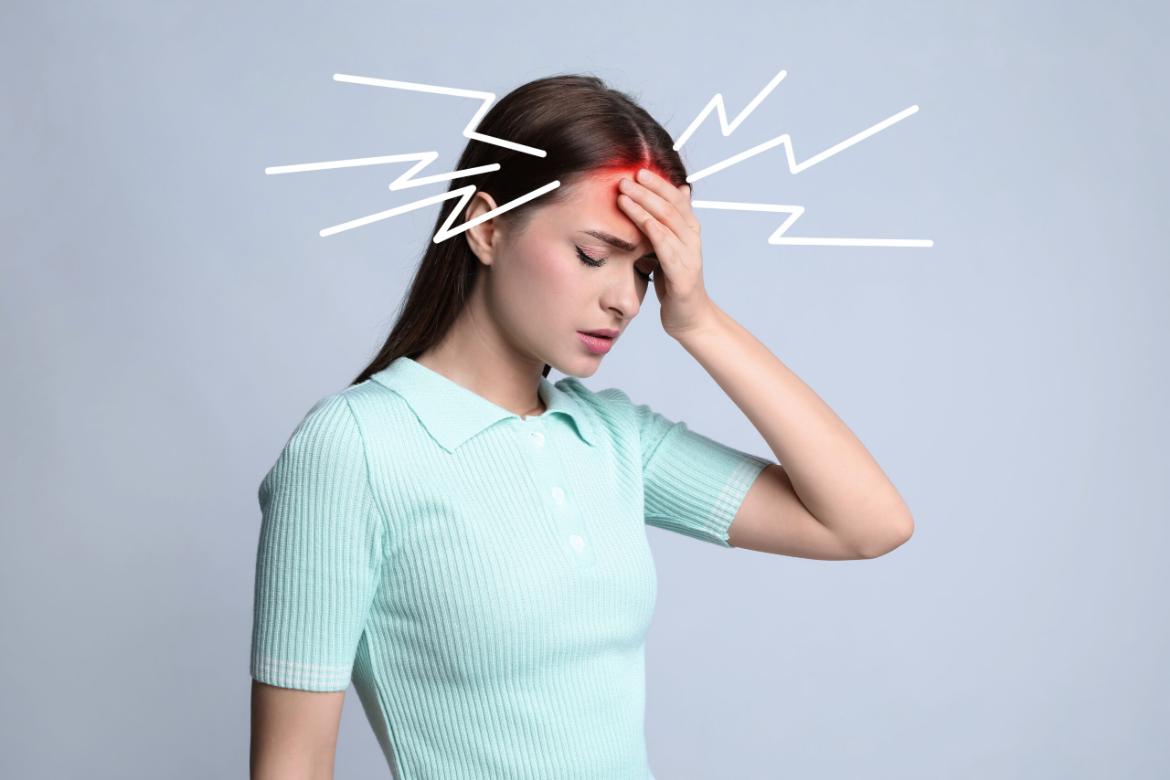
What is Good for Headaches and How to Get Rid of Them?
Headaches can occur for many different reasons and are often associated with many different factors such as stress, tension, migraine, sinusitis, cluster headache, hormonal changes, hypertension, and brain tumor.
A headache is pain felt in any part of the head.
Headaches are usually mild to moderate and often go away on their own. However, in some cases, headaches can be a symptom of a serious medical condition and may require medical attention.
What are the types of headaches?
- Tension-type headache: A tension-type headache is the most common type of headache and is usually felt on both sides of the head. It can be mild to moderate and is characterized by a feeling of tightness or pressure around the head. Factors such as stress, tension, prolonged sitting, or forced postures can trigger a tension-type headache.
- Migraine : A migraine is a type of headache characterized by recurring and severe headaches. It is usually felt on one side and may be accompanied by intense pain, nausea, vomiting, sensitivity to light and sound, and changes in vision or sensation called aura. Migraine has been linked to factors such as genetic predisposition, hormonal changes, environmental factors, diet, and stress.
- Sinusitis headache: Sinusitis is a condition caused by inflammation in the nose and sinuses and can cause headaches. Sinusitis headaches are typically felt in the forehead and face and are characterized by symptoms such as intense pain, facial swelling, nasal congestion, and runny nose.
- Cluster headache: A cluster headache is a relatively rare but severe type of headache that causes recurring headaches. Cluster headaches can have periods of intense pain (attacks) lasting for several weeks or months, usually felt on one side, and can be accompanied by pain-free periods (remissions) in between.
- Hormonal headaches: Hormonal changes, especially before or during menstruation, can trigger headaches in some women. Hormonal headaches can often have migraine-like symptoms.
What are the causes of headaches?
- Primary headaches: Primary headaches are headaches in which the headache itself is not a symptom of another health problem. The most common types of primary headaches are migraine, tension headache, and cluster headache. The cause of these headaches is not fully understood, but genetic, hormonal, neurochemical, and environmental factors are thought to play a role.
- Secondary headaches: Secondary headaches are headaches that occur as a symptom of another health problem. These types of headaches occur as a result of an underlying cause and can often be a symptom of another disease or condition. For example, a variety of health conditions can cause secondary headaches, such as sinusitis, brain tumors, brain infections, trauma, cervical spine problems, and eye problems.
- Environmental factors: Environmental factors can also cause headaches. These may include external stimuli such as stress, changes in sleep patterns, hunger or dehydration, caffeine withdrawal, alcohol consumption, cigarette smoke, strong odors, light, or sound.
- Hormonal changes: Hormonal changes can also cause headaches. Hormonal changes, especially before or during menstruation, can trigger migraine-like headaches in some women.
- Psychological factors: Psychological factors can also play a role in the development of headaches. Psychological factors such as depression, anxiety, stress, emotional tension, and post-traumatic stress disorder can trigger or exacerbate headaches.
- Other factors: Apart from these, other factors such as some medications, eating habits, lack of physical activity, and irregular sleep patterns can also cause headaches.
What causes constant headaches?
The causes of persistent headaches are often complex and may be the result of a combination of factors. The most common reasons why a person may experience persistent headaches include:
- Chronic migraine: Chronic migraine is a form of migraine headache and is diagnosed when headaches occur for at least 15 days per month. It can result from a complex combination of factors, including genetic, hormonal, neurochemical, and environmental factors.
- Tension-type headache: A tension-type headache is a common headache felt on both sides of the head, usually the crown or forehead. Factors such as stress, tension, poor posture, and muscle tension can be among the causes of tension-type headaches.
- Chronic ear and sinus infections: Chronic ear and sinus infections can cause headaches. Recurring or long-term infections, such as sinusitis, can lead to headaches.
- Neck and spine problems: Neck and spine problems can contribute to persistent headaches. Conditions such as cervical vertebrae, slipped discs, and nerve compression can all cause headaches.
- Eye problems: Eye problems such as vision disorders, eye fatigue, and dry eyes can also be among the causes of constant headaches.
- Hormonal changes: Hormonal changes can cause persistent headaches, especially in women. For example, headaches may occur due to hormonal changes before or during menstruation.
- Caffeine withdrawal or overuse: Caffeine withdrawal can cause headaches in people who regularly consume caffeine. Overuse of caffeine can also contribute to headaches.
What is good for headaches?
Headaches are a common health problem that can occur for many different reasons. Mild headaches are often caused by factors such as stress, fatigue, hunger, thirst, or eyestrain, while more severe headaches may be related to underlying medical conditions such as migraines, tension headaches, or sinusitis. However, the following methods can generally provide relief from headaches:
- Drink water: Dehydration can cause headaches. Drinking enough water can help reduce headaches by maintaining fluid balance in the body.
- Rest: Monitoring your sleep schedule and getting enough sleep can reduce headaches. Avoiding stressful situations can increase relaxation.
- Massage : Massaging the head, neck, and shoulder areas can reduce muscle tension and relieve headaches.
- Cold or warm compresses: Applying a cold or warm compress to your head can help relieve headaches. You may want to experiment to find out which type works best.
- Exercise : Light exercise can increase endorphin levels in the body and relieve headaches. However, excessive exercise can trigger headaches, so it's important to get appropriate exercise.
- Caffeine : Caffeine can relieve some types of headaches. However, excessive caffeine consumption can increase headache pain, so caution is advised.
- Medications : Prescription or over-the-counter headache medications can help relieve headaches. However, it's important to consult a healthcare professional before using any medication.
How to relieve headaches? What should be done to prevent headaches?
Headaches are a distressing condition that negatively impacts the quality of daily life. Headaches can have various causes, but common factors such as stress, sleep disturbances, low water intake, poor nutrition, eye strain, and muscle tension can contribute to their onset. To relieve and prevent headaches:
Hydration : Drinking enough water will keep you hydrated and may reduce headaches. Aim to drink at least 8-10 glasses of water a day.
- Sleep patterns: Maintaining a regular sleep schedule can reduce headaches. Make sure you get enough sleep each night and create a comfortable sleep environment to improve your sleep quality.
- Stress management: Stress is a common headache trigger. Using stress management techniques can help reduce stress and keep headaches under control. You can try stress-reducing methods like deep breathing, meditation, yoga, and relaxation exercises.
- Reduce eye strain: Prolonged exposure to a screen can cause eye strain and headaches. Take regular breaks from the computer, look at distant objects, and do eye exercises to give your eyes a break.
- Healthy diet: A balanced diet ensures your body gets the nutrients it needs and can reduce headaches. Maintain a healthy, balanced diet, especially by not skipping regular meals.
- Physical activity: Regular physical activity can improve circulation and reduce headaches. Try low-impact activities like walking, cycling, or swimming.
- Relaxation techniques: You can try relaxation techniques to reduce headache pain. Relaxation techniques such as massage, hot or cold compresses, and neck and shoulder exercises can alleviate headaches.
