



How Much Water Should You Drink Every Day?
Water is one of life's most fundamental resources and essential for healthy body function. Water makes up 60-70% of our body, and our organs need a sufficient amount of water to function properly.
Our body's need for water depends on the amount of water the body loses to maintain its functions.
Factors like exercise, being in a hot environment, or sweating can cause our bodies to lose water. Therefore, it's very important to drink enough water every day.
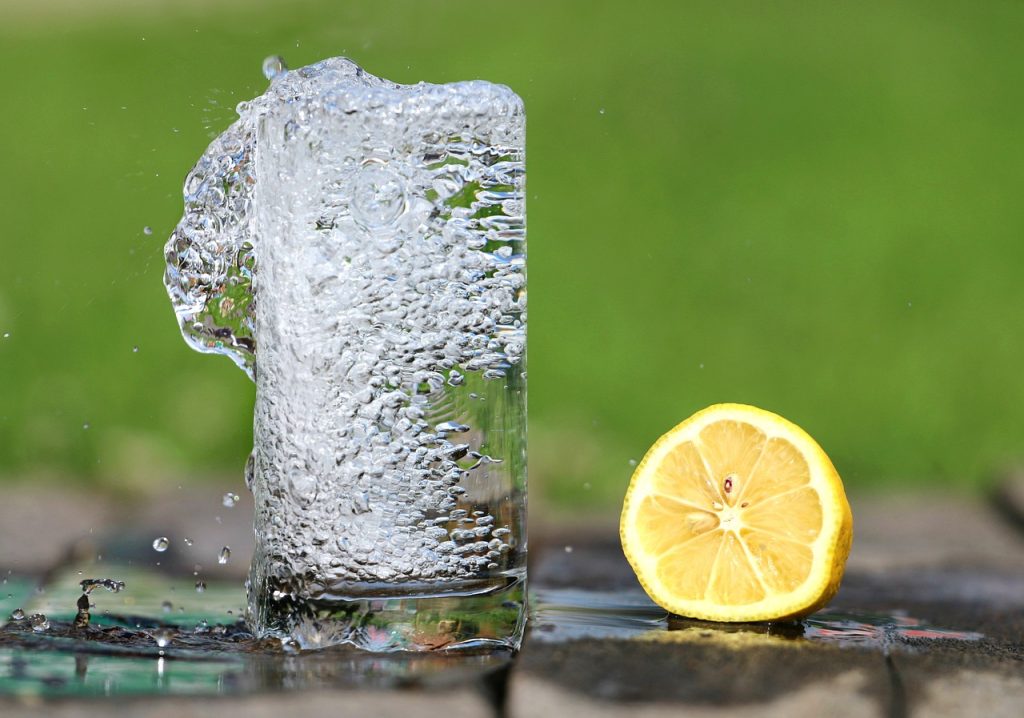
How much water should we drink every day?
How much water you should drink each day depends on many factors, including age, gender, body weight, activity level, environmental conditions, and health. However, in general, it's recommended that adults drink at least 2-3 liters (8-12 glasses) of water per day.
Considering the important role of water in our bodies, this recommendation makes perfect sense. The body's cells and organs need water to function properly. Furthermore, drinking enough water is important for flushing toxins through urination and maintaining the body's water balance. Dehydration can cause serious health problems.
You can consider several factors to determine your water needs. For example, you may need more water as your activity level increases. You may also need more water in hot weather or at higher altitudes. Pregnant women or breastfeeding mothers should also drink more water.
Once you've determined your water needs, you can take steps to increase your daily water intake. You can use a water reminder or carry a water bottle to keep water with you at all times. You can also increase your water intake by drinking water with your meals or eating water with your meals.
What are the health benefits of water?
Water is essential for human health and offers many benefits. Drinking water quenches thirst and helps the body function normally. Here are the health benefits of water:
Quenches the Body's Thirst:
Drinking water quenches your thirst. Every cell and organ in the body needs water. Water carries the minerals and nutrients the body needs to function.
Regulates Body Temperature:
Water plays an important role in regulating body temperature. Drinking water in hot weather can lower body temperature and cool you down.
Benefits Digestive System Health:
Drinking water is crucial for digestive health. It helps flush toxins from the digestive system and prevents constipation.
Benefits Skin Health:
Drinking water is crucial for healthy skin. It helps keep skin hydrated and flushes toxins from the skin.
Helps with Weight Control:
Drinking water helps with weight control. It makes you feel full and reduces hunger.
Increases Brain Functions:
Drinking water improves brain function. Water carries the oxygen your brain cells need to function.
For these reasons, drinking water is essential for a healthy lifestyle. It's recommended to drink at least 8-10 glasses of water a day. However, the amount you drink can vary depending on your age, gender, weight, and activity level.
How much water do we need?
How much water we need depends on many factors, but it's generally recommended that adults drink at least 8-10 glasses (about 2-2.5 liters) of water per day. However, this amount can vary depending on a person's age, gender, weight, activity level, climate, and health.
For example, people who are physically active may need more water because they lose more water through sweat. They may also need more water in hot, humid weather.
Pregnant or breastfeeding women also need more water because their bodies lose more fluids. Older adults may also need more water because thirst decreases with age and kidney function also changes.
However, excessive water consumption can also cause health problems. Water intoxication, a condition that occurs when the body retains excessive amounts of water, can have serious consequences. Therefore, it's important to maintain healthy water intake. Because individual water needs vary, you can discuss a personalized water intake plan with your doctor or dietitian.
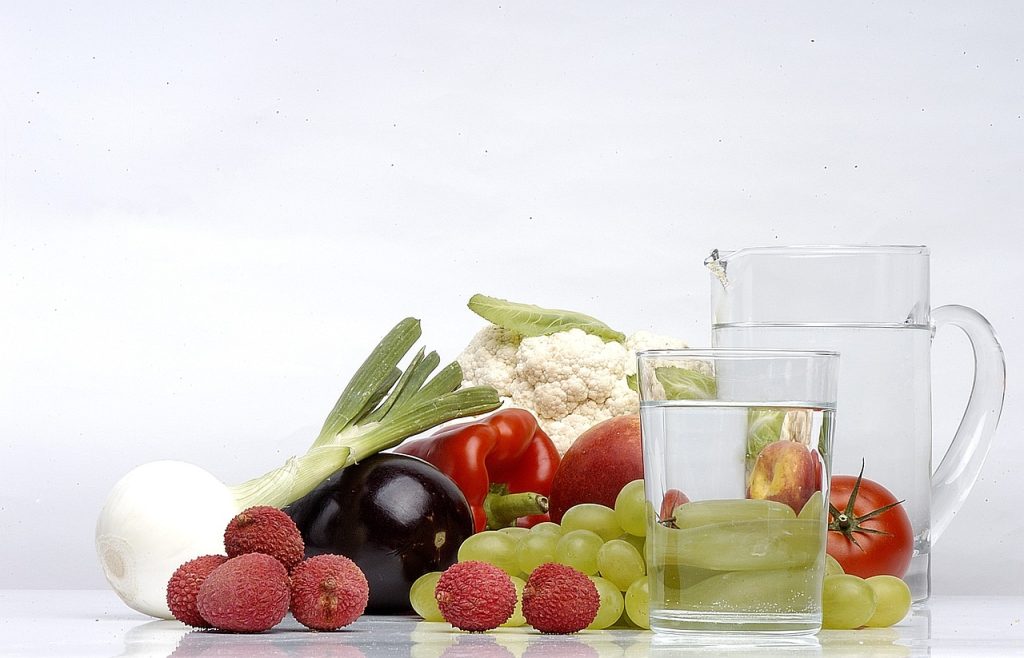
Is water the only option to meet fluid needs?
No, water isn't the only option for meeting your fluid needs. In addition to water, other beverages and foods can also be consumed to meet your fluid needs. For example:
In addition to water, beverages such as herbal teas, freshly squeezed fruit juices, milk, ayran, and natural mineral water can be consumed to meet fluid needs. Vegetables and fruits, due to their high water content, can also be beneficial for meeting fluid needs. Fruits and vegetables such as watermelon, melon, cucumber, tomatoes, oranges, grapefruit, and strawberries not only meet fluid needs but also provide nutrients such as vitamins, minerals, and antioxidants.
However, excessive consumption of unhealthy beverages like sugary drinks or sodas can be detrimental to your health. Therefore, while water is the healthiest option for hydrating, consuming a variety of beverages and foods in moderation is also crucial for a healthy lifestyle.
Your fluid intake is probably sufficient if:
- You rarely feel thirsty
- Your urine is colorless or pale yellow
Your doctor or dietitian can help you determine the amount of water that is right for you each day.
Make water your beverage of choice to prevent dehydration and ensure your body has the fluids it needs.
- At every meal and between meals
- Before, during and after exercise
- If you feel thirsty
It's a good idea to drink a glass of water.
