


What is Glutathione? What are the Benefits of Glutathione?
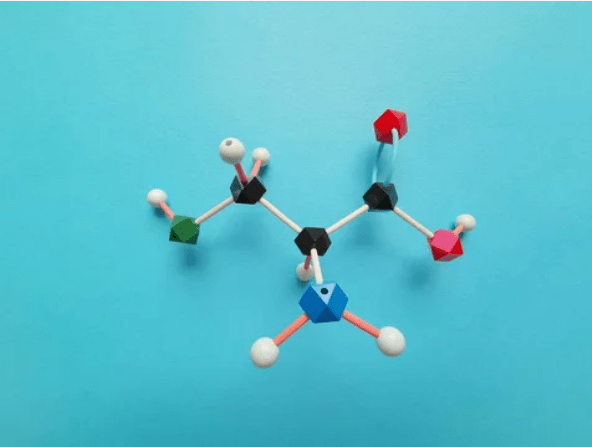
Glutathione is a tripeptide found naturally in our cells. It consists of three amino acids—glutamine, glycine, and cysteine. Glutathione is a powerful antioxidant that performs a variety of important functions in the body.
Glutathione helps cells combat oxidative stress. Oxidative stress is the harmful chemical reactions that occur when free radicals accumulate. Free radicals can arise from normal cell function or enter the body through environmental factors such as stress, smoking, alcohol consumption, polluted air, and ultraviolet (UV) radiation. Oxidative stress can lead to damage to DNA, proteins, and cell membranes, negatively impacting cell health.
Glutathione neutralizes oxidative stress and neutralizes free radicals. It also supports the activity of other antioxidant enzymes and reactivates them. Glutathione also plays a key role in detoxification processes. In the liver, it neutralizes toxic substances and eliminates them from the body.
Glutathione levels can decrease under conditions such as aging, chronic diseases, infections, stress, malnutrition, and environmental factors. Therefore, some people may choose to take glutathione supplements or consume foods that help increase glutathione. However, more research is needed on the effectiveness and safety of glutathione supplements. Dietary supplements such as cysteine-containing foods, glutathione precursors N-acetyl cysteine (NAC), alpha lipoic acid, vitamin C, and selenium can be used to increase glutathione levels. However, it's important to consult your healthcare provider before using any supplements or treatments.
What are the benefits of glutathione?
- Antioxidant Effect: Glutathione acts as a powerful antioxidant. It reduces oxidative stress by combating free radicals and protecting cells from damage to DNA, proteins, and other cellular components. This may slow the aging process and prevent the development of chronic diseases.
- Strengthening the immune system: Glutathione plays a key role in fighting infections by supporting immune system function. It ensures the proper functioning of immune cells and increases the effectiveness of immune responses. Adequate glutathione levels are important for a healthy immune system.
- Detoxification: Glutathione plays a key role in detoxification processes, helping to neutralize toxic substances and eliminate them from the body. It supports the activation of detoxification enzymes in the liver, allowing for easier elimination of toxins.
- Anti-aging effect: Oxidative stress can accelerate the aging process and contribute to the appearance of signs of aging. By reducing oxidative stress, glutathione can slow the aging process and alleviate signs of aging.
- Preventing chronic diseases: Oxidative stress is a major factor in the development of chronic diseases. Glutathione's antioxidant effects may reduce the risk of heart disease, cancer, diabetes, Alzheimer's disease, and other chronic diseases.
- Skin health: Glutathione's antioxidant effects can support healthy skin. It can reduce skin damage caused by free radicals, maintain skin elasticity, and reduce signs of aging.
What diseases is glutathione good for?
While glutathione is included in the treatment of many diseases, its effects on them have not been definitively proven. However, glutathione therapy is recommended for many conditions. Some diseases are thought to be related to glutathione:
- Diseases associated with oxidative stress: Glutathione's potent antioxidant properties may have a potential impact on the management of diseases associated with oxidative stress. It is thought that glutathione may be beneficial in treating diseases that involve oxidative stress, such as heart disease, cancer, diabetes, Alzheimer's disease, Parkinson's disease, and liver disease.
- Immune system disorders: Glutathione has positive effects on the immune system and can be used in the management of immune system disorders. For example, conditions such as autoimmune diseases (rheumatoid arthritis, lupus, etc.), asthma, and allergic diseases are conditions where glutathione levels can be important.
- Liver diseases: Glutathione plays an important role in detoxification processes in the liver, which may have potential benefits in managing liver diseases. Conditions such as alcoholic liver disease, fatty liver disease (steatosis), and hepatitis have been linked to low glutathione levels.
- Neurological diseases: Glutathione is thought to have an impact on neurological functions. Glutathione deficiency and oxidative stress have been implicated in the pathogenesis of neurological diseases such as Parkinson's disease, Alzheimer's disease, and multiple sclerosis.
The management and treatment of these diseases often require a multifaceted approach, and using glutathione as a standalone treatment may not be sufficient.
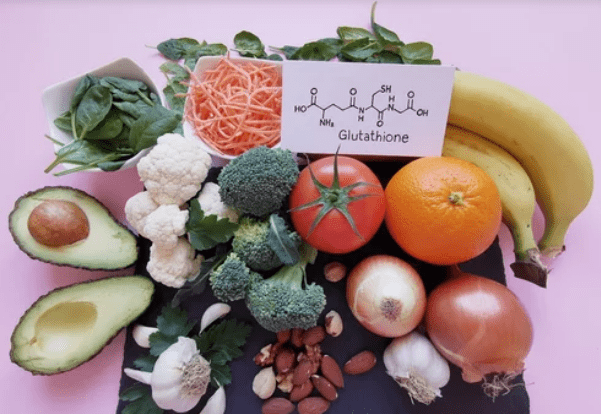
What foods contain glutathione?
Glutathione is naturally found in many foods. Some foods containing glutathione include:
- Fresh vegetables: Green leafy vegetables such as spinach, broccoli, avocado, spinach, garlic, onion, cauliflower, cabbage may contain glutathione.
- Fruits: Some fruits such as citrus fruits (orange, lemon, grapefruit), strawberries, raspberries, blackberries, grapes, and cherries may contain glutathione.
- Protein sources: Protein-rich foods such as chicken, turkey, salmon, dairy products (especially cheese), eggs, and meat may contain glutathione.
- Chickpeas and lentils: Glutathione can be found in legumes such as chickpeas and lentils.
- Whole grains: Whole grains such as whole wheat, oats, and barley may also contain glutathione.
However, these foods are typically low in glutathione and can be broken down during digestion. Glutathione has difficulty passing through the digestive system and being effectively utilized by the body. Therefore, glutathione supplements are more commonly used to directly increase glutathione levels.
What should the glutathione level be like?
Glutathione levels can vary depending on a person's age, overall health, lifestyle, and dietary habits. There's no definitive reference range for optimal glutathione levels. However, it's important to maintain a healthy glutathione balance in the body.
Glutathione levels are usually measured at the cellular level. Therefore, blood tests can be performed to determine a person's glutathione levels, but these blood tests only measure plasma or serum glutathione levels and may not fully reflect glutathione levels at the cellular level.
To maintain a healthy level of glutathione, the following factors should be considered:
- Nutrition: Nutrition is a key factor in glutathione production. It's important to follow a balanced diet that includes nutrients that aid glutathione production, such as cysteine, glutamine, selenium, and vitamin C.
- Exercise: Regular exercise can increase glutathione levels. However, excessive exercise and overtraining can have adverse effects, so it's important to follow a balanced exercise program.
- Stress management : Stress can lower glutathione levels. Stress management techniques can help maintain glutathione levels.
- Sleep: Adequate, high-quality sleep can help your body regulate glutathione levels. Lack of sleep can reduce glutathione levels.
- Limiting harmful habits: Harmful habits like alcohol consumption, smoking, and exposure to toxic chemicals can reduce glutathione levels. Therefore, it is important to limit or completely stop such habits.
What are the side effects and risks of glutathione?
Glutathione is a substance commonly produced by the body and is generally considered safe because it occurs naturally. However, there are some potential side effects and risks associated with using glutathione supplements:
- Digestive issues: Glutathione supplements may cause digestive issues in some people, which may manifest as nausea, vomiting, diarrhea, or abdominal pain.
- Drug interactions: Glutathione supplements can interact with certain medications, affecting their effectiveness or absorption. If you regularly take medications, it's important to consult your doctor about glutathione supplements.
- Allergic reactions: Some people may experience allergic reactions to glutathione supplements. These reactions may include skin rash, itching, shortness of breath, and swelling of the face or tongue. If signs of an allergic reaction occur, use of glutathione supplements should be discontinued immediately.
- Efficacy and absorption issues: Glutathione supplements have limited ability to pass through the digestive tract and be effectively absorbed. Therefore, the effectiveness of oral glutathione supplements is questionable.
It is important to be careful with glutathione supplements and use them in appropriate doses.
If you experience any side effects or discomfort, you should discontinue glutathione supplements and consult your doctor. It is also recommended that you consult your healthcare provider before using glutathione supplements under special circumstances, such as during pregnancy or breastfeeding.
Glutathione therapy and the benefits of Glutathione therapy
Glutathione therapy is a treatment approach that uses glutathione supplements or other methods to increase or restore glutathione levels. Glutathione therapy may offer potential benefits in the management or treatment of certain conditions. Some possible benefits of glutathione therapy include:
- Antioxidant effect: Glutathione acts as a powerful antioxidant and helps protect cells from free radicals. This may help reduce oxidative stress and prevent cell damage.
- Immune system support: Glutathione plays an important role in supporting immune system function. Low levels of glutathione can lead to a weakened immune system and reduced defense mechanisms against disease. Glutathione supplements or glutathione-boosting methods can help strengthen the immune system and maintain a healthy immune response.
- Detoxification: Glutathione plays an important role in removing toxins and heavy metals from the body. By supporting detoxification processes in the liver, glutathione can help neutralize and eliminate toxic substances.
- Anti-aging effect: Oxidative stress and free radicals are factors that play a role in the aging process. Glutathione, with its antioxidant effects, can help slow down the aging process.
- Chronic disease management: Glutathione therapy may be helpful in managing certain chronic diseases. For example, conditions such as autoimmune diseases, cardiovascular diseases, liver diseases, neurological diseases, and cancer may potentially benefit from glutathione therapy.
