


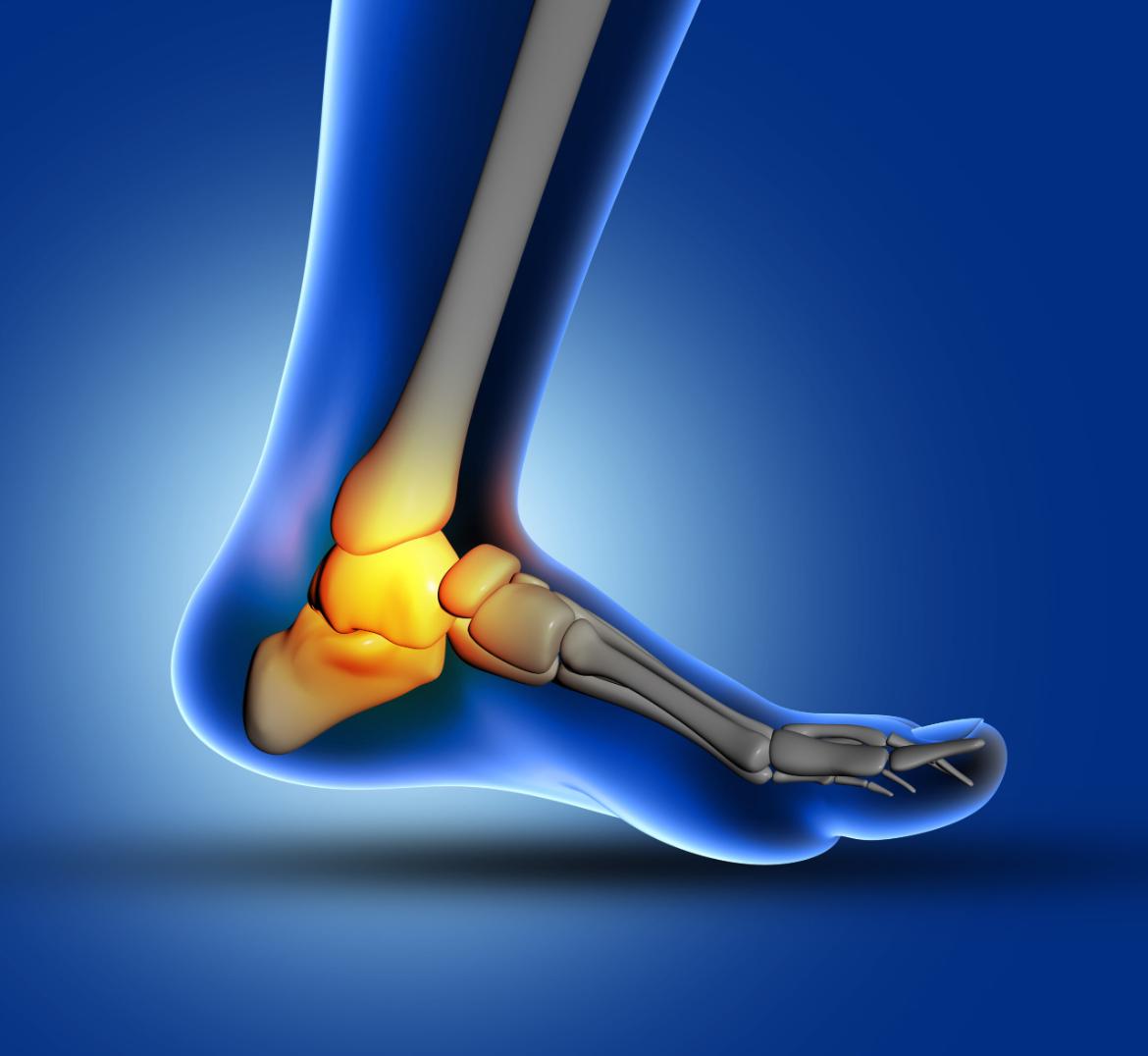
What is Freiberg Disease? Symptoms and Treatment Methods
What is Freiberg's Disease?
Freiberg's disease is a rare condition that typically affects the second or third metatarsals. This condition typically occurs in the second toe due to bone deformity or cartilage loss, but can occur at any age, depending on factors such as age, gender, and lifestyle. Poor footwear, especially wearing stilettos, can predispose to the development of Freiberg's disease. Professional athletes can also experience the condition.
Freiberg disease refers to a condition in which the metatarsal head of the foot becomes deformed and loses its smooth contour. While not a severe or widespread disease, affected individuals may experience symptoms such as pain, stiffness, and swelling. These symptoms typically appear in adolescence or early adulthood, although some patients may notice symptoms as they age.
The higher prevalence of Freiberg disease in women highlights the importance of gender. Symptoms typically include pain, stiffness, and swelling around the big toe. These symptoms typically occur in the second toe and may be noticed in adolescence or early adulthood.
In conclusion, Freiberg disease is a rare condition, but it can be managed with proper diagnosis and treatment. Careful shoe selection and appropriate athletic activities can play a significant role in preventing the disease from developing.
What are the symptoms of Freiberg disease?
Symptoms of Freiberg disease typically include pain and stiffness in the forefoot. Affected individuals may limp and may also experience symptoms such as swelling, limited range of motion, and tenderness in the foot. These symptoms are often more pronounced during weight-bearing activities, especially walking.
While the exact cause of Freiberg's disease is not yet fully understood, it is thought that stress or trauma to the foot may play a role. However, genetic factors may also play a role in the development of the disease.
Treatment options may vary depending on the severity of the condition, the severity of symptoms, and the patient's lifestyle. Conservative treatment methods include rest, the use of special insoles to relieve weight on the foot, physical therapy, and medications to relieve pain. In some cases, surgery may be necessary, especially if there is severe bone damage or if other treatment options have proven ineffective.
As a result, symptoms of Freiberg's disease typically present as pain and stiffness in the forefoot, and treatment options vary depending on the patient's condition.
What are the causes of Freiberg disease?
The diagnosis of Freiberg disease is usually made based on complaints of pain, and the diagnostic process involves several steps. First, the patient's symptoms and medical history are evaluated. Then, a physical examination is performed to assess symptoms such as tenderness, swelling, and limited movement in the foot.
1. Blood Circulation Problems
- Vascular Disorders: Decreased or interrupted blood flow to bone is a major cause of Freiberg disease. This deprives bone tissue of oxygen and nutrients, and necrosis can occur.
- Microtrauma and Trauma: Repetitive minor trauma to the toes or sudden major trauma can affect blood circulation in the metatarsal head area, leading to the development of Freiberg disease.
2. Biomechanical Factors
- Overload: Prolonged or intense standing, running, or walking can place excessive load on the metatarsal head, which can lead to damage to the bone tissue.
- Shoe Selection: Narrow, high-heeled, or unsupportive shoes can put pressure on the metatarsal head, contributing to the development of the disease.
3. Genetic and Personal Factors
- Genetic Predisposition: Some individuals may be genetically predisposed to problems with bone tissue and blood circulation. A family history of Freiberg disease may also be a genetic predisposition.
- Gender: Freiberg disease occurs more frequently in women than in men. This may be due to genetic and hormonal differences.
4. Hormonal and Metabolic Factors
- Hormonal Changes: Especially in women, hormonal changes and conditions such as menopause can affect bone health and play a role in the development of Freiberg disease.
- Metabolic Disorders: Certain disorders that affect bone metabolism, such as osteoporosis, may increase the risk of Freiberg disease.
5. Postural and Structural Problems
- Foot Structure and Posture: Flat feet, high arches, or other structural deformities can place excessive load on the metatarsal head during standing and walking.
- Postural Disorders: Incorrect posture and foot mechanical disorders can cause excessive pressure on the metatarsal head.
6. Inflammation and Infections
- Infections: Bone infections or inflammations can affect blood flow and contribute to the development of Freiberg disease.
The causes of Freiberg disease can be complex and may arise from a combination of factors. Factors such as circulatory disorders, biomechanical stress, genetic predisposition, hormonal changes, and postural issues may play a role in the development of the disease. Early diagnosis and appropriate treatment are crucial for managing the disease's effects and halting its progression. Individuals suspected of having Freiberg disease are advised to consult a healthcare professional for a comprehensive evaluation and treatment plan.
Diagnosis of Freiberg Disease
The diagnosis of Freiberg disease is usually made based on complaints of pain, and the diagnostic process involves several steps. First, the patient's symptoms and medical history are evaluated. Then, a physical examination is performed to assess symptoms such as tenderness, swelling, and limited movement in the foot.
The most commonly used imaging test for diagnosis is an X-ray. X-ray images can reveal the presence of deformities, fractures, or other bone changes in the metatarsal bone. If Freiberg's disease is suspected or if the X-ray results are inconclusive, doctors often perform a more detailed evaluation using magnetic resonance imaging (MRI). MRI is used to confirm the presence and severity of the disease by providing a more detailed image of the bones and soft tissues.
Treatment is generally determined by the severity of symptoms and the patient's lifestyle. Conservative treatment options may include anti-inflammatory medications to reduce pain, corticosteroid injections, and orthotics or splints to immobilize the ankle or toes. It's also important to rest the affected area and avoid excessive strain.
In severe cases or those that don't respond to conservative treatments, surgery may be necessary. These procedures may include bone trimming, cartilage repair, or bone transplantation.
Consequently, the diagnosis of Freiberg disease is generally based on complaints of pain and confirmed by imaging techniques such as X-rays and MRIs. Treatment generally aims to manage symptoms and may consist of conservative or surgical methods.
Treatment of Freiberg Disease
Treatment for Freiberg disease is generally based on the severity of symptoms, the stage of the disease, and the patient's lifestyle. Treatment generally begins with conservative measures, with surgery considered only when the disease is unresponsive to other treatments or has progressed.
- Immobilization and weight-bearing: During acute painful periods, immobilization and weight-bearing measures are used to reduce pressure on the foot. These are usually achieved through devices such as special shoes, splints, or walking aids.
- Anti-inflammatory treatments: Corticosteroid injections and nonsteroidal anti-inflammatory drugs (NSAIDs) can help control pain and inflammation. However, they must be prescribed by a doctor, as long-term use of these medications carries risks.
- Physical therapy and exercise: Physical therapy programs may be recommended to strengthen foot muscles, increase flexibility, and improve foot stability. Specific exercises and physical therapy sessions can play an important role in managing symptoms.
- Orthotics and footwear: Specialized footwear, such as orthotics with metatarsal bars or low-heeled shoes, can help reduce stress on the metatarsal head. Such devices can help relieve symptoms by supporting the foot anatomy.
- PRP therapy: Platelet-rich plasma (PRP) therapy may be a new approach to treating the disease. PRP is an injection of the patient's own blood containing healing-promoting factors. However, more research is needed on the effectiveness and long-term outcomes of this treatment.
- Surgical intervention: In moderate or advanced cases of Freiberg disease, surgical options may be considered to relieve symptoms or correct deformities. Surgical intervention may include procedures such as bone trimming, cartilage repair, or bone transplantation.
The treatment plan is determined by the doctor based on the patient's specific condition and symptoms. Patients should follow their doctor's recommendations and receive regular follow-up care throughout the treatment process.
Does Freiberg's disease go away on its own?
The course of Freiberg disease can vary depending on its stage, severity, and the patient's response to treatment. In some cases, early-stage lesions may resolve spontaneously or symptoms may be minimal. However, in advanced stages or when symptoms do not respond to conservative treatments, surgery may be necessary to alleviate the symptoms.
In Stage I, II, and sometimes even III lesions, the disease may resolve spontaneously or symptoms may subside. In this case, conservative treatments such as rest, weight-bearing, and special shoes or orthotics are usually sufficient.
However, in advanced stages (e.g., stages IV and V) or in cases that do not respond to conservative treatments to control symptoms, surgical intervention may be necessary. Surgical options may include procedures such as bone trimming, cartilage repair, or bone transplantation. The goal of these interventions is to relieve symptoms, correct deformities, and improve the patient's quality of life.
Consequently, the course of Freiberg disease can vary from person to person, and while some cases may resolve spontaneously, others may require surgical intervention. In all cases, the stage of the disease and the severity of symptoms play an important role in determining the treatment approach.
How Does the Surgical Treatment of Freiberg's Disease Work?
The goal of surgical treatment for Freiberg's disease is to realign the deformed metatarsal bone and restore proper joint movement. This is typically accomplished by bone cutting and repositioning. During the procedure, the surgeon cuts the bone and then secures it in place with tiny screws or pins.
This method allows the bone deformity to be corrected and the joint surface to be held in a more stable position, thus reducing pain and increasing joint mobility.
Surgery is typically performed when symptoms are unresponsive to conservative treatments or when necessary to improve the patient's quality of life. However, the results of surgery are not always predictable. Recovery time varies from person to person, and while pain usually improves, the toe may remain stiff or may not regain full range of motion.
The timing of surgery depends on the patient's symptoms, disease progression, and surgical risks. Therefore, surgical options are determined by the doctor's careful evaluation of the patient's condition, and the patient's treatment plan is developed accordingly.
