
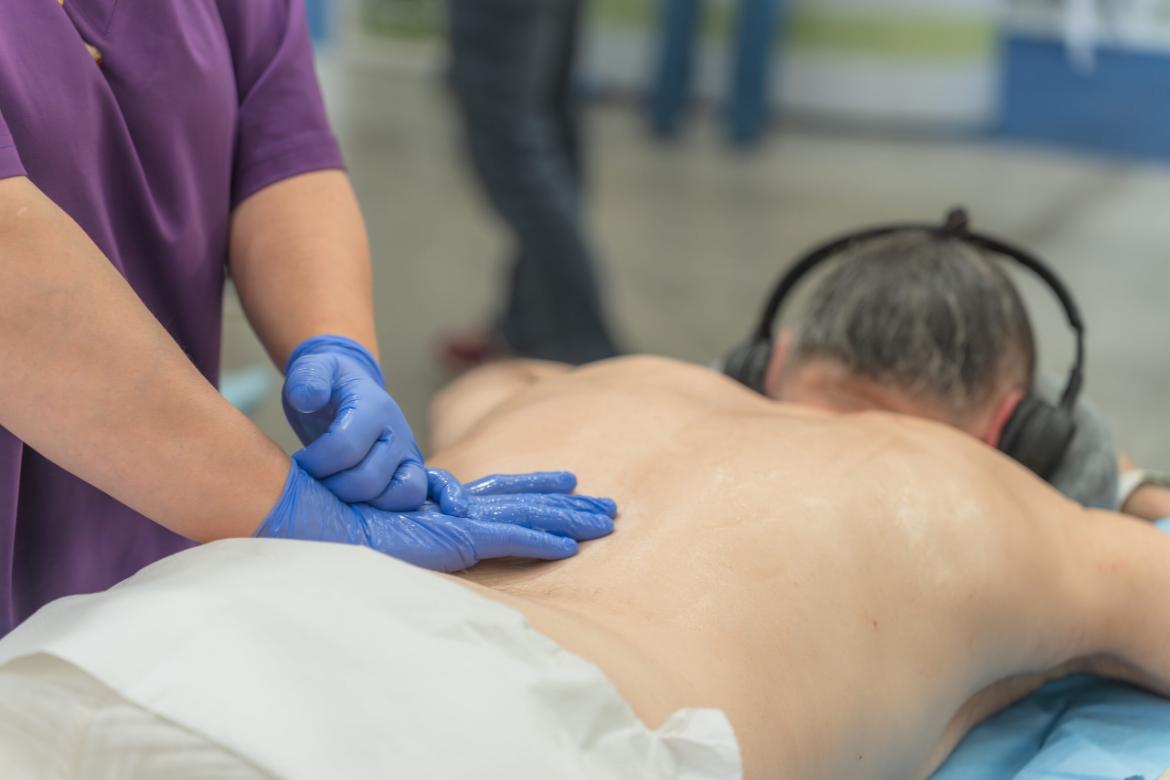
What is a Herniated Disc? Causes, Symptoms, and Treatment

What is a Herniated Disc? Causes, Symptoms, and Treatment

A herniated disc is a health problem that occurs in the thoracic region of the spine, or the back. A herniated disc is defined as the weakening of the outer layer of the spinal discs, causing the gel-like material inside to leak out. The spine is supported by bones called vertebrae and the intervertebral discs located between them. Discs act like cushions that allow the spine to move and act as shock absorbers against impact.  A herniated disc occurs when one of these discs becomes damaged, the material inside the disc can press on the nerves or spinal cord, leading to various problems.

What Causes a Back Herniated Disc?

There are many possible causes of a back herniated disc:

  • Aging : Aging and natural dehydration of the discs can cause them to lose elasticity and become more easily damaged.
  • Overload : Situations such as prolonged sitting, heavy lifting or incorrect movement can increase the load on the discs and cause herniation.
  • Genetic Predisposition : Individuals with a family history of back hernia may be more prone to this condition.
  • Injuries : Accidents or trauma can cause damage to the discs and herniation.

What are the symptoms of a back hernia?

The symptoms of a back herniated disc may vary from person to person, but the following symptoms are generally observed:

  • Back Pain
  •  The most common symptom of a herniated disc is pain in the back. The pain can be sharp, aching, or constant. It can increase with movement and decrease with rest.
  • Numbness and Tingling
  • A herniated disc can press on nerve roots, causing numbness or tingling in certain areas of the back. This is due to the herniated disc's effect on the nerves.
  • Muscle Weakness
  • The pressure that discs place on nerve roots can lead to weakness or coordination problems in the involved muscles. This is often felt as a loss of strength in certain areas of the back.
  • Limited Movement
  • A hernia can cause limited movement in the back. A person may experience difficulty bending forward, turning, or stooping, especially when doing other movements.
  • Pain and Discomfort in the Arms and Legs
  • A thoracic (back) herniated disc can put pressure on nerves in the spine, causing pain, numbness, or tingling in the arms or legs. However, a thoracic herniated disc is generally less common and symptoms are limited to the thoracic region.
  • Tension and Hardness
  • A herniated disc can cause a feeling of tightness and stiffness in the back muscles. This can occur as a result of overuse or protective contraction of the muscles.
  • Other Pain-Related Symptoms
  • A herniated disc can cause other symptoms besides pain, such as:
  • Pain While Lying Down or Resting

    Some people report that their back herniated disc pain becomes more noticeable when lying down or resting.

  • Muscle Spasms with Pain

    : Pain in the form of spasms or cramps may occur in the back muscles.

  • Significant Back Tenderness
  • A herniated disc can cause tenderness and pain in certain areas of the back. These areas may be painful to the touch or even with light pressure.

These symptoms are usually evaluated by a healthcare professional to support a diagnosis of a herniated disc. If you experience these symptoms, it's important to see a doctor and get a professional diagnosis.

What are the Diagnostic Methods for a Back Herniated Disc?

Various methods can be used to diagnose a herniated disc. These methods are used to evaluate the patient's symptoms and general health, confirm the condition, and rule out other potential causes. The main methods used in diagnosis are:

1. Physical Examination

To diagnose a hernia, a doctor will usually perform a physical exam. This exam may include:

  • Pain and Tenderness Tests : The doctor checks for pain and tenderness in the back area.
  • Nerve Function Test : Evaluates reflexes, muscle strength, and sensation to determine if nerve roots are affected.
  • Movement Tests : Tests whether certain movements increase back pain, which can provide information about the presence of a herniated disc.
2. Imaging Tests

A physical exam and symptoms can help with diagnosis, but imaging tests are usually necessary for a definitive diagnosis of a hernia:

  • MRI (Magnetic Resonance Imaging) : An MRI provides detailed images of the discs, nerves, and other soft tissues in the spine. This test helps evaluate herniated discs, whether they're pressing on nerve roots, and the condition of other structures.
  • CT (Computed Tomography) Scan : CT scans provide cross-sectional images of the spine and discs. They may be less detailed than MRIs but can be used in some cases.
  • X-ray : X-rays show the bony structures of the spine but do not provide a detailed picture of the condition of the discs and nerves. They are often used as an additional test to help diagnose a herniated disc.
3. Electromyography (EMG)

An EMG measures the electrical activity of muscles and nerves. This test is used to determine whether nerves and muscles are functioning properly and can help assess the impact of a herniated disc on nerve roots.

4. Nerve Conduction Studies

Nerve conduction studies measure the speed of electrical conduction in nerves. This test can help determine if nerve roots are damaged.

5. Blood Tests

Blood tests are not usually used directly to diagnose a herniated disc, but they may be performed to evaluate inflammation, infection, or other health issues. These tests can be used to rule out other causes of back pain.

6. Nuclear Medicine Tests

Nuclear medicine tests, particularly bone scans, can be used to assess the presence of inflammation or infection. They are rarely used in the evaluation of a herniated disc.

A combination of physical examination and imaging tests is often used to diagnose a herniated disc. These methods help doctors confirm the presence of the condition and determine the appropriate treatment plan. If you are experiencing symptoms, it's important to consult a healthcare professional to determine the correct diagnosis and treatment options.

Back Herniated Disc Treatment Options?

Treatment for a herniated disc can vary depending on the severity of symptoms and the individual's overall health. Treatment options include:

  • Medication : Pain relievers, anti-inflammatory medications, or muscle relaxants may be used to relieve symptoms.
  • Physical Therapy : Muscle-strengthening exercises and posture correction play an important role in the treatment of the condition. Physical therapists provide individualized exercise programs.
  • Lifestyle Changes : Weight control, regular exercise, and ergonomic adjustments can help manage hernia problems.
  • Surgical Intervention : In severe cases that do not respond to other treatments, surgery may be necessary. Surgical options include procedures such as microdiscectomy or laminectomy.

Questions about Back Herniated Disc?

1.Does a back hernia go away on its own?

Some back problems may resolve on their own, or symptoms may lessen over time. However, if symptoms are severe or persist for a long time, medical attention may be necessary. It's important to follow your doctor's advice.

2. How to prevent a back hernia?

To prevent the disease, you can:

  • Correct Posture : Maintaining correct posture while sitting and standing.
  • Weight Lifting Techniques : Using proper techniques when lifting heavy items.
  • Regular Exercise : Do exercises that strengthen the back muscles.
  • Weight Management : Maintaining a healthy weight.
3. When is back hernia surgery necessary?

Surgery may be necessary in cases that do not respond to other treatments or that cause severe symptoms. Surgical options aim to reduce the pressure the discs place on the nerves.

4. How does physical therapy help treat a herniated disc?

Physical therapy plays an important role in treating the condition. Therapy programs aim to strengthen muscles, increase flexibility, and improve posture. This can help manage pain and reduce the risk of a herniated disc recurring.

5. How long can back hernia pain last?

The duration of hernia pain varies from person to person. Mild cases may improve within a few weeks, while more severe cases may last several months. Response to treatment and individual healing rate may influence this timeframe.

6. Can a back herniated disc recur?

Yes, a hernia can recur after treatment. To prevent this, appropriate treatment methods, as well as lifestyle changes and regular exercise, are essential.

Conclusion

A herniated disc can be a significant health problem that impacts quality of life. However, with the right treatment and management strategies, symptoms can be controlled and patients' quality of life can be improved. It's important for individuals with suspected disc herniation to consult a healthcare professional and develop a personalized treatment plan.

Share
×
Hemen Ara